Homemade Dog Food Seasoning Recipe
I’ve always believed my dog’s meals should be just as nourishing as they are enjoyable. Over time, I noticed plain kibble or even homemade food can feel repetitive for dogs, so I started experimenting with simple, natural add-ons.
This Dog Food Seasoning recipe is something I now use regularly. It’s a quick mix of dried herbs that not only improves taste but also adds real health benefits like better digestion, stronger immunity, and improved coat health. In this guide, I’ll walk through why this seasoning works, how to make it, proper feeding amounts, and tips I personally follow to keep it safe and effective.
Save For Later
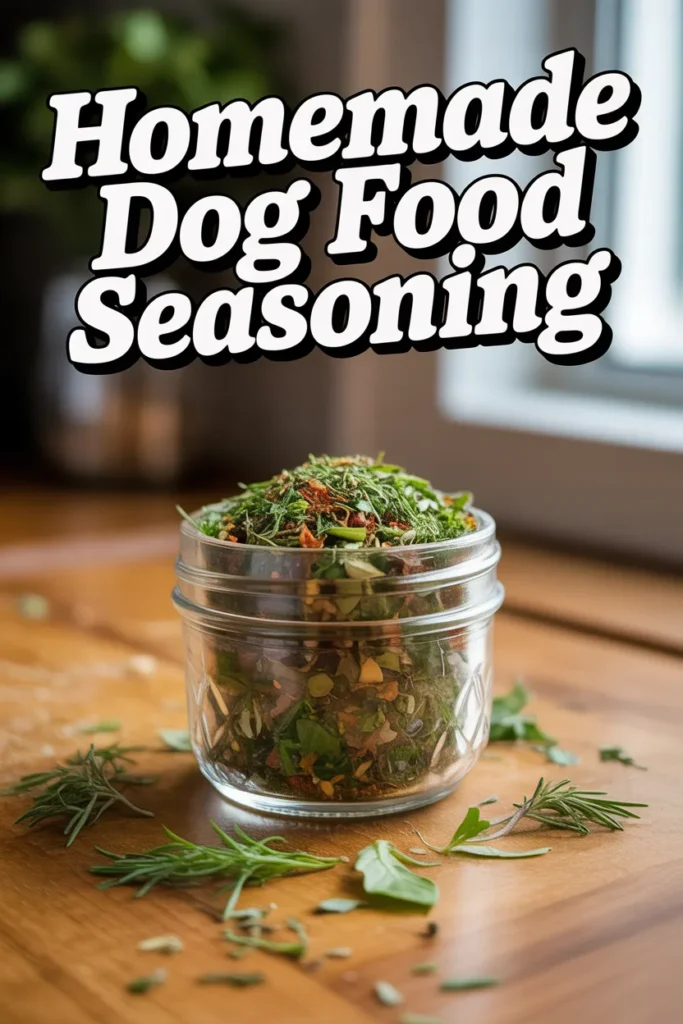
If you want an easy way to upgrade your dog’s daily meals without relying on artificial toppers, this is one of the simplest solutions that actually works.
Key Takeaways
- I use this seasoning to boost both flavor and nutrition naturally
- It takes less than 5 minutes to prepare with basic herbs
- Each ingredient supports digestion, immunity, or skin health
- Proper serving size is important to avoid overfeeding herbs
- Stored correctly, it stays fresh for up to 6 months
Why You’ll Love This Dog Food Seasoning Delight
I like this recipe because it solves a common problem—dogs getting bored with their food—without adding anything artificial. Many store-bought toppers contain preservatives, but this blend keeps things clean and simple.
It’s also very practical. I can prepare a batch in minutes using herbs I already have at home. From my experience, even picky eaters respond better when food has a mild natural aroma.
What stands out most is the health angle. Herbs like oregano and parsley are known to support digestion and gut health, which is important since around 20–25% of dogs experience digestive issues at some point.
Dog Food Seasoning Recipe
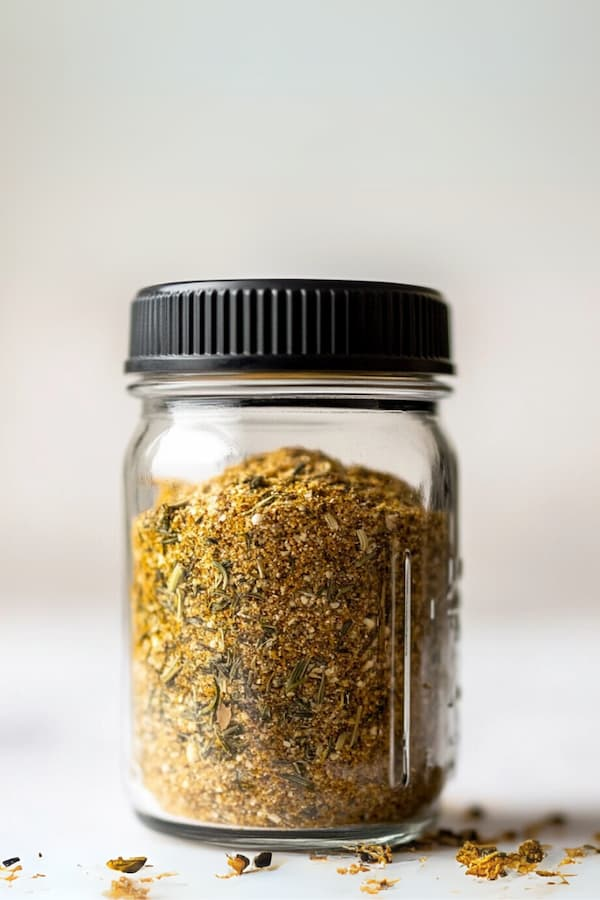
Ingredients
| Ingredient | Benefit |
|---|---|
| 1 tablespoon dried dill | I use it to support digestion and reduce bad breath |
| 1 tablespoon dried oregano | Helps fight bacteria and supports immune health |
| 1 tablespoon dried rosemary | Works as a natural preservative and reduces inflammation |
| 1 tablespoon dried basil | Provides antioxidants that support joints and gut |
| 1 tablespoon dried parsley | Adds vitamins and helps reduce gas |
Optional Add-Ons
| Ingredient | Benefit |
|---|---|
| 1 teaspoon turmeric | I add this for anti-inflammatory support |
| 1 teaspoon flaxseed | Great for omega-3, improves skin and coat |
Step-by-Step Instructions
Step 1: Gather Ingredients
I start by collecting all dried herbs and checking they are clean and free from additives. Quality matters here because low-grade herbs lose potency quickly and may contain fillers.
Step 2: Measure and Combine
I measure each herb carefully and mix them in a bowl. Keeping equal amounts ensures a balanced blend, so no single herb overpowers the others.
Step 3: Grind (Optional)
Sometimes I grind the mix into a fine powder. This helps it stick better to food, especially kibble. If I want a more natural texture, I leave it slightly coarse.
Step 4: Store the Blend
I store the mix in a glass jar and keep it away from heat and sunlight. Proper storage helps retain nutrients, as herbs can lose up to 30% potency when exposed to light.
Step 5: Use and Enjoy
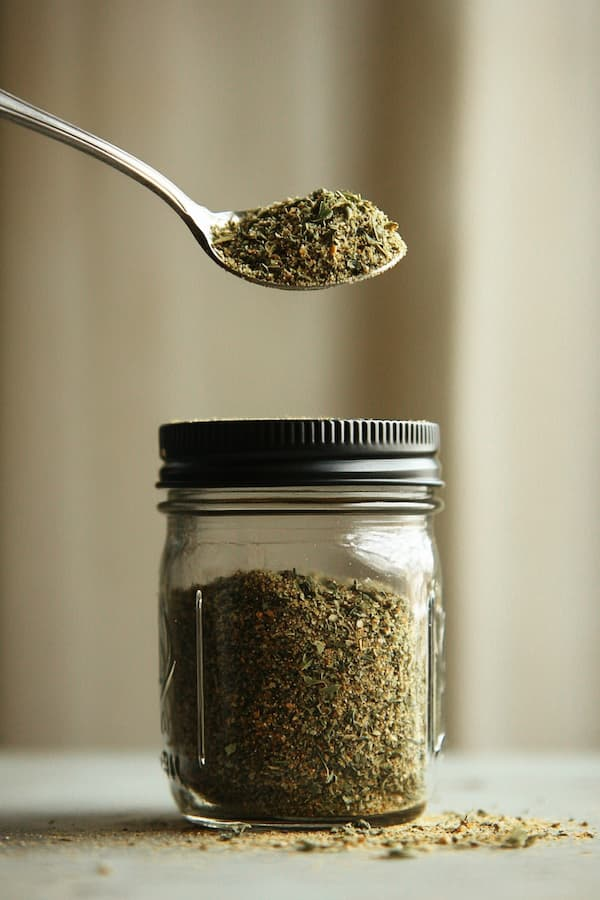
I sprinkle a small amount over my dog’s meals. Starting small is key, then I adjust based on size and preference.
Storage and Serving
I keep this seasoning in an airtight container in a cool place, and it usually stays fresh for about 6 months. After that, I prefer making a new batch to maintain quality.
For serving, I treat it as a topper, not a main food source. Even natural ingredients should be used in moderation to avoid digestive upset.
Feeding Guidelines
I always introduce this slowly. I begin with a pinch and watch how my dog reacts over 24–48 hours.
For most dogs:
- Small dogs: about 1/4 teaspoon per meal
- Medium to large dogs: up to 1/2 teaspoon
I avoid exceeding 1 tablespoon daily for large breeds. Studies suggest dietary changes should stay within 10% of total intake to prevent stomach issues.
Tips for Success
From my experience, these small details make a big difference:
- I always choose organic or high-quality herbs when possible
- I introduce new ingredients gradually to avoid reactions
- I pair this seasoning with balanced meals, not low-quality food
- I remake the batch every few months to keep nutrients fresh
Pro Tip: I’ve noticed grinding the seasoning improves acceptance in picky dogs because it blends better with food.
Benefits of the Ingredients
Each herb plays a role, which is why I prefer this combination:
- Dill: I rely on it for digestion support and fresher breath
- Oregano: Known for strong antimicrobial properties
- Rosemary: Helps reduce inflammation and preserves freshness
- Basil: Contains antioxidants that support overall health
- Parsley: Adds vitamins like A and C and helps gut function
FAQs
Is this seasoning safe for all dogs?
In my experience, yes for most healthy dogs. I still recommend starting small and checking with a vet if your dog has medical conditions.
Can I use fresh herbs instead of dried?
I’ve tried it, but fresh herbs spoil faster and change the texture. Drying them first works better for storage and consistency.
Can I add this to kibble?
Yes, I often use it with kibble. I just mix it well so the flavor spreads evenly.
Recommended Equipment & Products
I use a few simple tools to make the process easier:
- Airtight glass spice jars
- Measuring spoons
- Spice grinder (optional but helpful)
- Mixing bowls
Buying herbs in bundles can also save money if you plan to use this regularly.
Conclusion
I’ve found this Dog Food Seasoning to be one of the easiest ways to improve my dog’s meals without overcomplicating things. It adds both flavor and real health value using simple ingredients I trust.
What I like most is the control—it lets me know exactly what my dog is eating. If you want a small change that can make a noticeable difference in your dog’s mealtime experience, this is a great place to start.
All content on this site is written and reviewed by our experienced team to ensure it is accurate, reliable, and helpful for our readers. Our Our Process page explains how we carefully research and create high-quality content, while our Team page introduces the professionals behind our work. We also provide clear guidelines for content or image concerns on our Image Removal page, so you can trust that we prioritize transparency, quality, and reader safety.