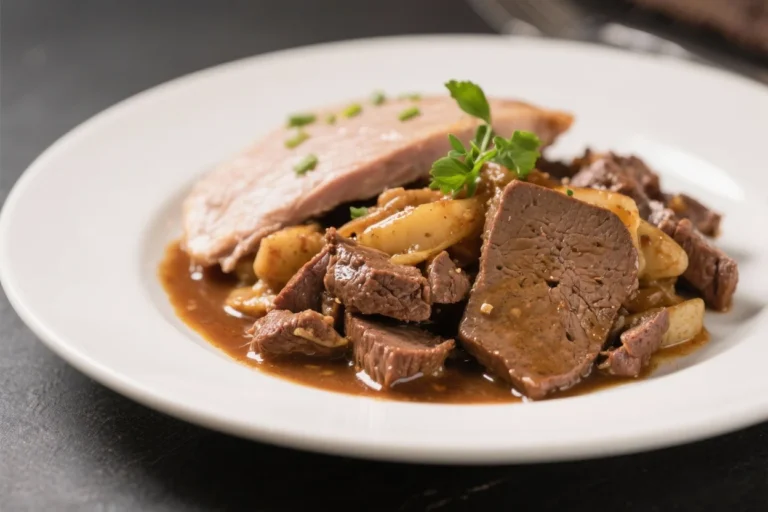
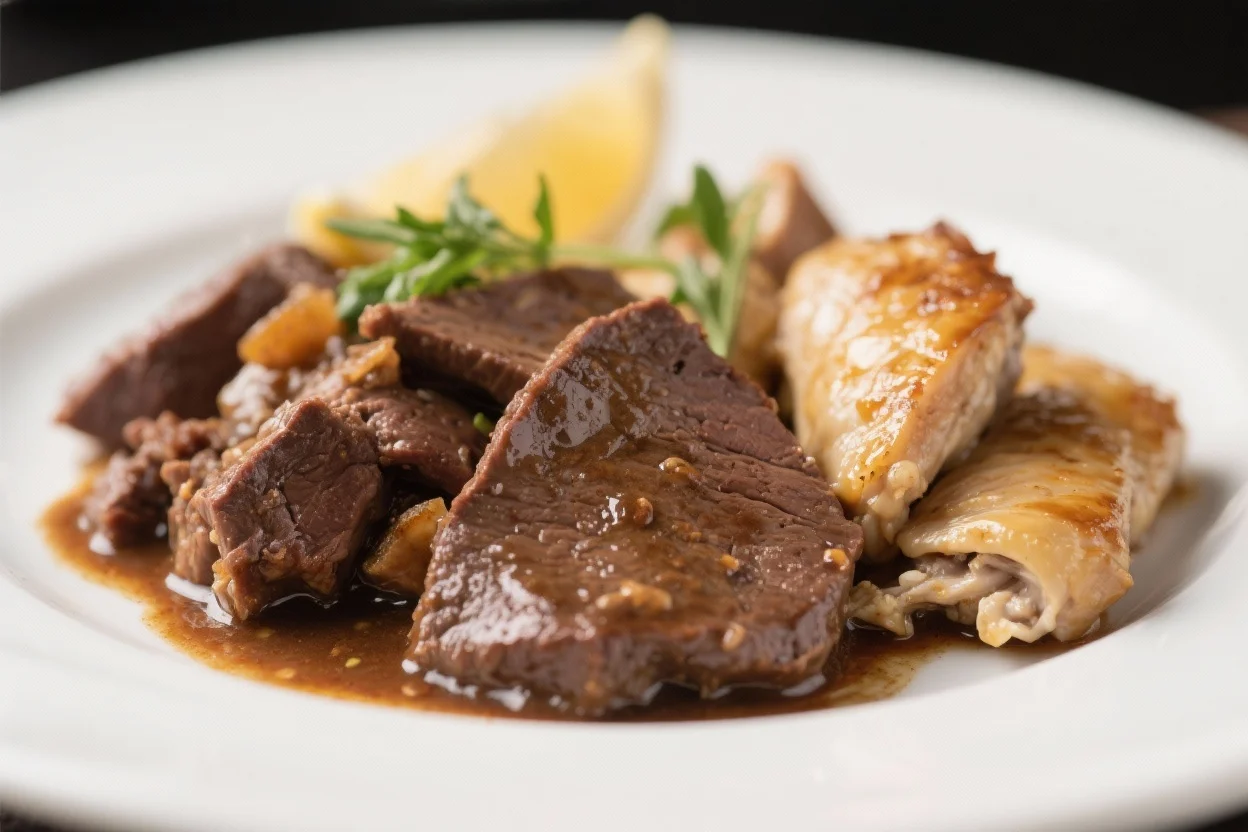
Beef Liver and Chicken for Cats – A Simple, Nutritious Homemade Meal
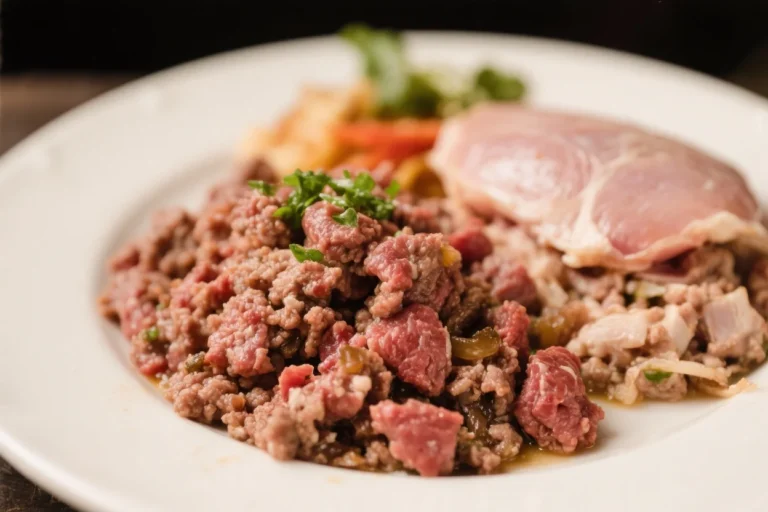
After spending over 10 years caring for cats, from feeding and grooming to monitoring health and behavior, I’ve learned that cats are most enthusiastic about meals that are fresh, meaty, and packed with flavor. This Beef Liver and Chicken recipe is one of my go-to meals when I want to offer my cats a nutritious, protein-rich meal they actually enjoy. It’s gently cooked, easy to portion, and made with ingredients I trust. Whether I’m supplementing their usual diet or preparing a homemade treat, this recipe consistently wins them over.
As always, I recommend checking with your veterinarian before making any dietary changes, especially if your cat has health conditions.
Key Takeaways
- High-quality protein: Chicken provides lean protein, while beef liver delivers essential vitamins and minerals.
- Taurine and calcium support: Essential for heart, eye, and bone health, particularly when using boneless meat.
- Gentle cooking preserves nutrients: Light cooking keeps the liver tender and nutrient-rich.
- Simple, clean ingredients: No fillers, seasoning, or additives that could harm cats.
- Easy portioning: Ideal for batch cooking and freezing for convenience.
- Hydration-friendly: Moist texture supports urinary health and encourages eating in picky cats.
What Makes This Recipe So Good
I’ve tried countless homemade meals over the years, and this combination of chicken and liver is a clear favorite. Here’s why:
- High-quality protein: Chicken delivers lean, digestible protein that fuels muscles and energy.
- Rich in essential vitamins: Liver provides natural vitamin A, B vitamins, iron, and copper in small, safe amounts.
- Cat-approved flavor: Most cats love the savory aroma and soft texture of lightly cooked meats.
- Simple ingredients: I can see exactly what’s in it—no mystery additives or fillers.
- Easy to batch-cook: I can prep once, portion, and freeze for the week, saving time while keeping meals fresh.
What You’ll Need
- Boneless, skinless chicken thigh: 1 lb (thighs are juicier and more flavorful than breast)
- Beef liver: 3–4 oz (10–20% of total meat weight; do not exceed this)
- Water or low-sodium chicken broth: ½–¾ cup (onion-, garlic-, and spice-free)
- Egg yolk (optional): 1, lightly whisked for extra fat and choline
- Fish oil or salmon oil (optional): ½ teaspoon for omega-3s
- Taurine supplement: 250–500 mg per pound of meat (or as per label)
- Calcium source: Finely ground eggshell powder or pet-safe calcium supplement (½ tsp eggshell per pound of meat or follow label)
- Small pinch of iodized salt (optional): For iodine if not using a complete supplement
- Kitchen tools: Cutting board, knife, skillet or saucepan, spatula, food thermometer, and storage containers
Instructions
Trim and prep the meats
Cut chicken into small, bite-sized pieces. Rinse liver briefly, pat dry, and slice thinly. Keeping portions small helps them cook evenly and quickly.
Lightly cook the chicken
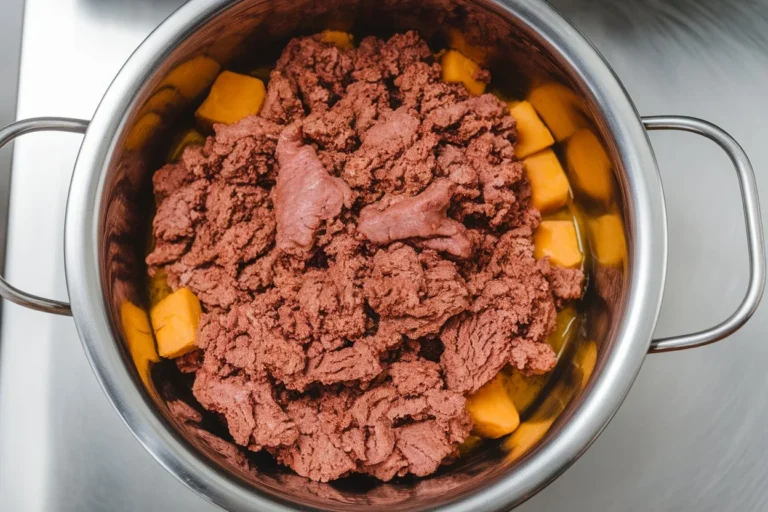
Add chicken to a skillet with a splash of water or broth over medium heat. Stir until the chicken turns opaque and reaches 165°F. Avoid browning or crisping—it’s better for nutrient retention and soft texture.
Add the liver
Reduce heat to low and add liver. Cook for 1–2 minutes, stirring gently. Overcooking can make liver tough and reduce its nutrient content.
Add the liquids
Pour in the remaining water or broth to create a soft, moist mix with natural gravy.
Cool slightly
Remove from heat and let everything cool until just warm. This helps preserve nutrient quality when adding supplements.
Stir in supplements
Mix in taurine, calcium, egg yolk, and fish oil. Make sure each portion is balanced. If using a complete commercial supplement, follow its directions instead.
Portion for easy feeding
Divide into daily servings based on your cat’s weight. Most adult cats eat 2–4% of body weight per day, split into meals. Adjust according to age, activity, and body condition.
Serve fresh
Offer a small serving to ensure your cat enjoys the taste and texture. Store the rest properly in the fridge or freezer.
Keeping It Fresh
- Refrigerate: Up to 48–72 hours in airtight containers.
- Freeze: Up to 2–3 months; label with date.
- Thaw safely: Thaw in fridge overnight, not on the counter.
- Serve promptly: Discard leftovers left out for more than 30–45 minutes.
Health Benefits
- Complete amino acids: Chicken provides protein that supports muscle maintenance and energy.
- Micronutrient boost from liver: Liver delivers vitamin A, B12, folate, iron, and copper—supporting vision, red blood cells, and metabolism.
- Healthy fats: Egg yolk and salmon oil supply choline and omega-3s, supporting skin, coat, joints, and brain health.
- Taurine support: Essential for heart and eye health since cats cannot synthesize enough on their own.
- Moisture-rich: Gentle broth keeps meals juicy, supporting urinary health.
Common Mistakes to Avoid
- Too much liver: Keep to 10–20% of total meat to avoid vitamin A toxicity.
- Skipping calcium: Meat alone is low in calcium; always include a pet-safe source.
- Using seasoned broth: Avoid onions, garlic, or high sodium. Stick to plain water or pet-safe broth.
- Overcooking: High heat reduces nutrient content and toughens meat.
- No supplement plan: Homemade diets require taurine and calcium at minimum.
- Rapid changes: Transition gradually over 5–7 days to prevent digestive upset.
Variations You Can Try
- Turkey and liver: Swap chicken for turkey thigh for similar nutrition and a new flavor.
- Rabbit or duck mix: Perfect for sensitive cats; keep liver proportions within limits.
- Pumpkin puree: ½–1 teaspoon for fiber if recommended by your vet.
- Bone broth cubes: Freeze unsalted, pet-safe broth for extra moisture.
- Texture tweaks: Pulse cooked mixture in a food processor for cats that prefer pâté-style meals.
FAQ
Can I serve this raw?
Raw feeding carries higher bacterial risk. Light cooking keeps nutrients high while lowering risk. Consult your vet before trying raw.
How much should I feed my cat?
Feed 2–4% of body weight per day, divided into meals. A 10 lb cat usually eats 4–6 oz daily. Adjust with vet guidance.
Is beef liver safe for cats?
Yes, in moderation. Keep liver at 10–20% of the meat portion. Too much can cause vitamin A toxicity.
Do I really need taurine and calcium?
Absolutely. Taurine supports heart and eye health, while calcium balances phosphorus. Long-term deficiency can harm bones and kidneys.
Can I use chicken breast instead of thigh?
You can, but thighs offer more fat and flavor. If using breast, add a small amount of healthy fat like salmon oil.
What if my cat won’t eat it?
Warm slightly or adjust texture. Transition gradually over 5–7 days by mixing with current food.
Is store-bought complete food still necessary?
If not using precise homemade supplements, mix with a commercial diet for safety. For a fully homemade plan, consult a vet or veterinary nutritionist.
In Conclusion
Beef Liver and Chicken for Cats is a simple, nutritious, and cat-approved meal. By keeping liver portions moderate, adding taurine and calcium, and cooking gently, I can provide a safe, balanced, and convenient homemade meal. With careful preparation and gradual transitions, your cat enjoys a flavorful, moisture-rich meal, and you gain peace of mind knowing exactly what’s in the bowl.