10 Biggest Mistakes Guinea Pig Owners Make (And How to Avoid Them!)
Bringing a guinea pig into your life feels exciting, heart-warming, and honestly a little magical. These tiny animals are full of personality, emotion, and social energy. They recognize voices, respond to routines, and form real bonds with the people who care for them. But the truth is, guinea pigs are not simple starter pets. They depend entirely on you for their physical health, emotional safety, and daily comfort. When something goes wrong in their care, they can’t tell you with words. They show it through behavior, appetite, and body language.
Many problems guinea pig owners face don’t come from neglect but from misinformation. Things that seem harmless or “normal” can quietly affect a guinea pig’s health over time. Understanding these mistakes early can completely change the quality of life your guinea pig experiences and the relationship you build together.
Below are the most common mistakes guinea pig owners make, explained in depth so you can avoid them and confidently give your guinea pig the life they deserve.
1. Thinking a Tiny Cage Is “Good Enough”
One of the biggest misunderstandings about guinea pigs is space. Pet store cages often look convenient, but most of them are far too small for a guinea pig to live comfortably. Guinea pigs are active animals. They need space to walk, stretch, run, and perform their natural behaviors like “popcorning,” those joyful little jumps they do when they feel happy and safe.
When space is limited, guinea pigs become frustrated, inactive, and stressed. Over time, this can lead to obesity, joint problems, and even aggression. Living in a cramped area also makes it harder to keep their environment clean, which increases the risk of illness.
A proper enclosure gives them room to move freely, create separate areas for sleeping, eating, and playing, and feel secure in their own territory. When guinea pigs have enough space, their personalities come alive. They explore more, interact more, and show clear signs of contentment.
2. Keeping Only One Guinea Pig
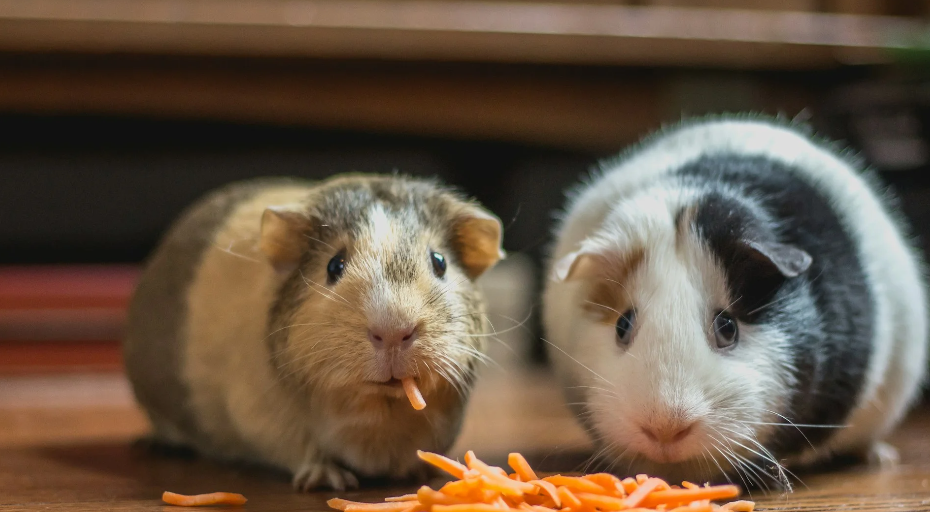
Guinea pigs are deeply social animals. In the wild and in safe environments, they live in groups. Being alone goes against their natural instincts. A single guinea pig may eat and sleep normally but still feel isolated and anxious without a companion.
When guinea pigs live with another guinea pig, you’ll notice behaviors that simply don’t appear when they’re alone. They communicate with soft sounds, groom each other, rest side by side, and feel safer together. Companionship reduces stress and provides constant emotional enrichment.
Introducing guinea pigs properly takes patience, but the result is worth it. A bonded pair supports each other emotionally in a way humans cannot fully replace, no matter how loving or attentive you are.
3. Feeding the Wrong Diet
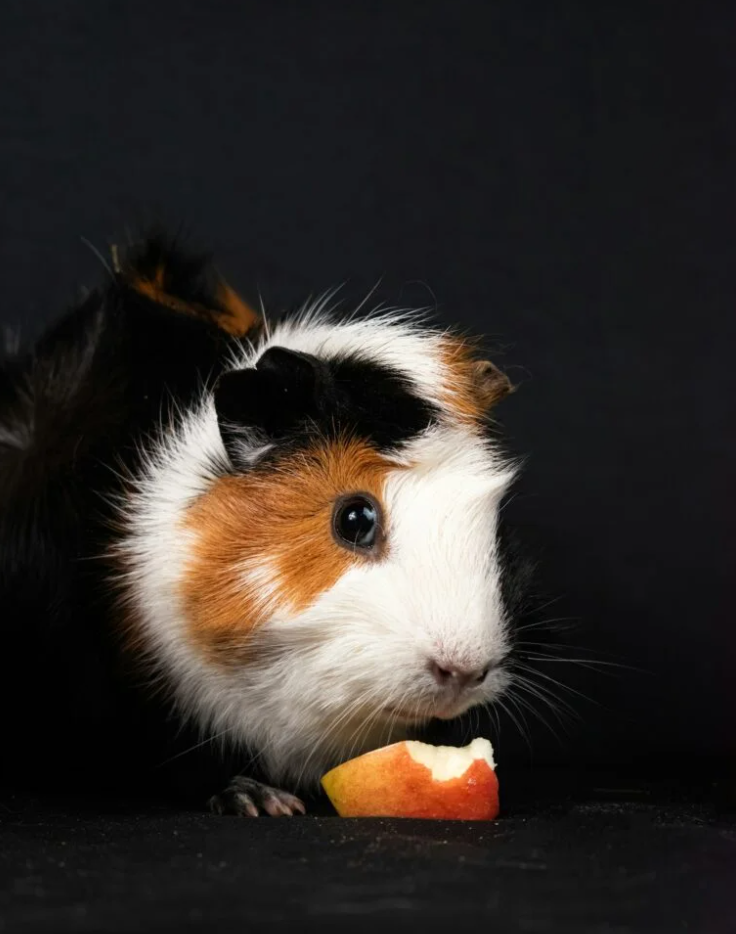
Diet plays a massive role in a guinea pig’s health, energy level, digestion, and lifespan. Many owners assume packaged food alone is enough, but guinea pigs have very specific nutritional needs that must be met daily.
Hay is the foundation of their diet. It supports digestion, keeps teeth worn down naturally, and provides essential fiber. Without enough hay, guinea pigs are at serious risk of dental disease and digestive issues.
Fresh vegetables are equally important. They provide hydration, nutrients, and enrichment. However, not all vegetables are safe, and variety matters. Pellets should be plain, consistent, and free from unnecessary additives that offer no health benefit.
When diet is poorly balanced, guinea pigs often suffer quietly. Weight loss, digestive discomfort, tooth overgrowth, and low energy are all signs that nutrition needs attention.
4. Overlooking the Need for Vitamin C
Guinea pigs cannot produce their own vitamin C. This makes them completely dependent on their diet to meet this requirement. Without enough vitamin C, they can develop serious health issues that affect joints, appetite, and immune function.
Daily access to vitamin C-rich vegetables is essential. Consistency matters just as much as quantity. Relying on occasional sources or unstable supplements can lead to deficiencies over time.
When vitamin C intake is stable and sufficient, guinea pigs move more comfortably, heal faster, and maintain stronger overall health. This single nutrient has an enormous impact on their quality of life.
5. Not Cleaning the Cage Often Enough
Guinea pigs produce a surprising amount of waste for such small animals. If their living space isn’t cleaned regularly, ammonia from urine builds up, bacteria multiply, and odors linger. This environment can quickly lead to respiratory problems, skin irritation, and infections.
Daily spot cleaning keeps the space manageable and comfortable, while deeper weekly cleaning prevents long-term health risks. Clean bedding, fresh surfaces, and good airflow all contribute to a healthier guinea pig.
A clean environment also affects behavior. Guinea pigs in fresh spaces are more active, relaxed, and willing to interact. Cleanliness isn’t just about hygiene, it’s about mental well-being too.
6. Handling Them Too Soon or Incorrectly
Guinea pigs are prey animals. Their instincts tell them to be cautious, especially in new environments. Picking them up too quickly or holding them without proper support can cause fear and stress, even if your intentions are loving.
Building trust takes time. Allowing your guinea pig to settle, observe you, and approach at their own pace creates a stronger bond. When handling does begin, proper support makes them feel secure and prevents injury.
Gentle, patient handling teaches your guinea pig that you are safe. Over time, this trust transforms into calm, confident interactions.
7. Not Providing Enough Mental Stimulation
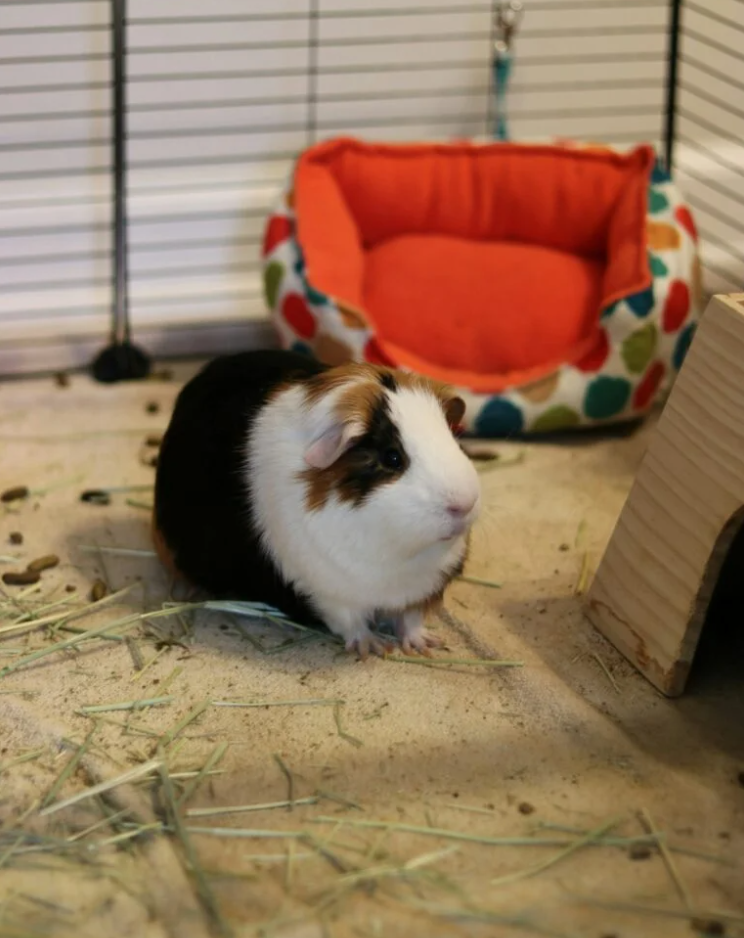
Guinea pigs may be small, but their minds are active. A dull environment leads to boredom, and boredom often shows up as inactivity, overeating, or withdrawn behavior.
Enrichment doesn’t need to be complicated. Tunnels, hideouts, chewable items, and supervised exploration time all stimulate natural instincts. These activities encourage movement, curiosity, and confidence.
When guinea pigs are mentally engaged, they display brighter personalities and stronger emotional health. Stimulation is just as important as food and shelter.
8. Missing Early Signs of Illness
Guinea pigs are experts at hiding discomfort. This instinct protects them in the wild, but it means owners must pay close attention. Small changes in behavior often signal larger issues developing beneath the surface.
Shifts in appetite, posture, movement, or sound should never be ignored. Acting early can prevent minor problems from becoming serious emergencies.
Knowing your guinea pig’s normal habits makes it easier to notice when something isn’t right. Awareness is one of the most powerful tools you have as an owner.
9. Neglecting Grooming Needs
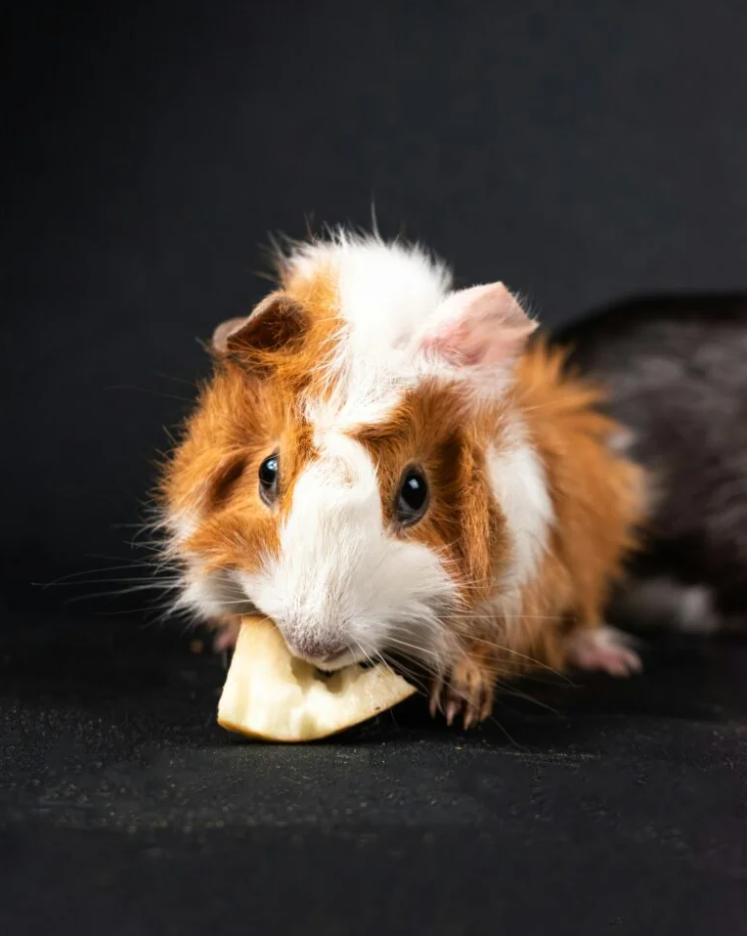
While guinea pigs groom themselves, they still rely on you for maintenance. Nails grow continuously and must be trimmed regularly to prevent pain and infection. Long-haired guinea pigs require frequent brushing to stay comfortable and clean.
Bathing should be minimal and purposeful. Overbathing strips natural oils and can irritate sensitive skin. Grooming, when done calmly and correctly, also strengthens trust between you and your guinea pig.
Proper grooming keeps them comfortable, mobile, and healthy throughout their life.
10. Assuming Guinea Pigs Are Low-Maintenance Pets
Guinea pigs don’t need walks, but they do need daily care. Feeding, cleaning, monitoring health, and social interaction all require consistency. They thrive on routine and attention.
When expectations don’t match reality, care can slip unintentionally. Guinea pigs flourish when owners understand the commitment and embrace it fully.
Those who invest the time are rewarded with affection, communication, and a deep connection that grows stronger every day.
Final Thoughts of 10 Biggest Mistakes Guinea Pig Owners Make
Caring for a guinea pig means more than meeting basic needs. It means understanding their instincts, respecting their emotions, and responding to their signals with patience and care. When you avoid these common mistakes, you don’t just prevent problems, you create a life filled with comfort, safety, and joy for your guinea pig.
When their environment is right and their needs are met, guinea pigs show just how loving, expressive, and rewarding they can be.