
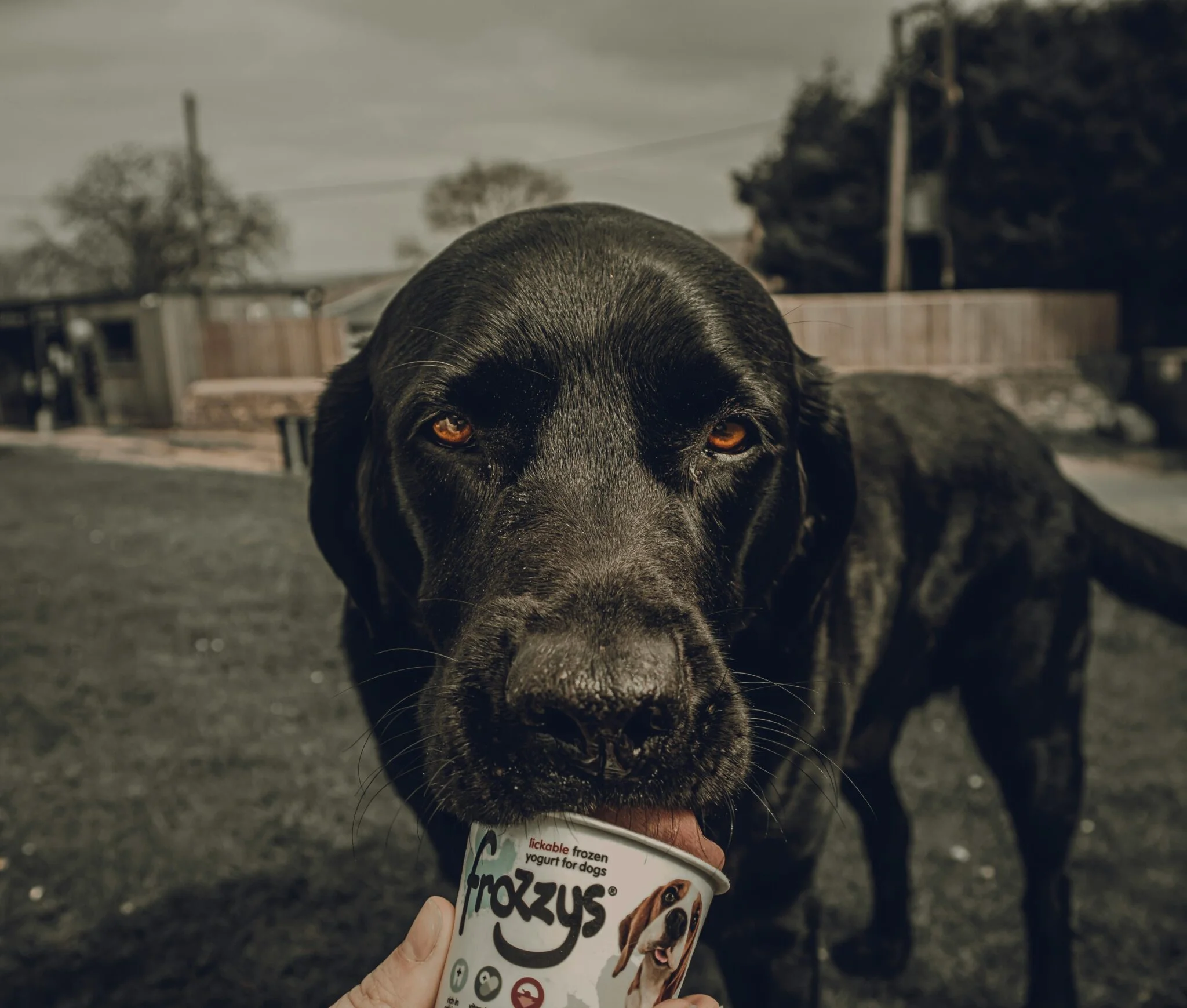
Can Dogs Eat Yogurt? All You Need To Know
Let’s talk about yogurt. It’s creamy, tangy, and one of those foods people reach for when they want something that feels healthy but still comforting. After more than 20 years of working hands-on with dogs—feeding them, grooming them, and helping owners navigate sensitive stomachs—I get asked about yogurt constantly.
So here’s the honest answer: yes, dogs can eat yogurt, but only under the right conditions. Some dogs benefit from it, while others absolutely should not have it.
Key Takeaways
- Plain, unsweetened yogurt is the only safe option for dogs
- Yogurt can support digestion due to probiotics
- Many dogs are lactose intolerant and may react poorly
- Portion control is critical to avoid stomach upset
- Yogurt should be a treat, not a daily staple
Let’s dive in and separate real facts from internet fluff.
Why Yogurt? The Good, the Bad, and the Gassy

Yogurt contains calcium, protein, and live probiotics that can support gut health. In dogs, probiotics may help balance intestinal bacteria, especially after digestive upset or antibiotic use. In my experience, yogurt has helped dogs with mild diarrhea stabilize faster when used correctly.
However, yogurt isn’t automatically “healthy” for every dog.
Many commercial yogurts contain added sugars, artificial flavors, or sweeteners that dogs should never consume. On top of that, studies estimate that over 60% of adult dogs show some level of lactose intolerance, which explains the gas, bloating, and loose stools many owners notice after dairy.
That’s why yogurt can be helpful—or a total disaster—depending on how it’s used.
The Golden Rule: Plain, Unsweetened, and Full-Fat
If you give your dog yogurt, it must be plain, unsweetened, and full-fat. Anything else increases risk.
Sugar
Dogs don’t need sugar. Excess sugar contributes to weight gain, insulin spikes, and dental issues. Over the years, I’ve seen dogs gain noticeable weight simply from “healthy” sweetened treats.
Artificial Sweeteners
Some yogurts contain xylitol, which is toxic to dogs. Even small amounts can cause hypoglycemia, seizures, liver failure, or death. Always read the ingredient label.
Dairy Sensitivity
Dogs lack sufficient lactase enzymes to digest lactose. If yogurt causes gas, itching, diarrhea, or restlessness, it’s a clear sign to stop.

How Much Yogurt Can Your Dog Eat?
Yogurt should always be treated like a bonus—not a meal.
Small Dogs
1–2 teaspoons
Medium Dogs
1 tablespoon
Large Dogs
Up to 2 tablespoons
I’ve learned the hard way that “a little extra” often turns into loose stools by the next morning. Moderation matters. Too much yogurt can overwhelm the gut and cause bloating or diarrhea.
When Yogurt Can Be a Hero

Used strategically, yogurt can be genuinely helpful.
Digestive Upset
A small serving of plain yogurt may help rebalance gut bacteria after mild diarrhea or stress-related stomach issues.
Medication Delivery
I’ve personally used yogurt to help stubborn dogs take pills—it works surprisingly well.
Skin and Coat Support
Gut health and skin health are closely linked. In some dogs, probiotics contribute to reduced itching and a healthier coat over time.
When to Skip the Yogurt
Yogurt isn’t right for every dog.
Lactose Intolerance
If symptoms appear after dairy, yogurt should be avoided entirely.
Food Allergies
Some dogs react to milk proteins even in fermented products.
Puppies
Puppy digestive systems are still developing. I always recommend waiting unless advised by a vet.
Medical Conditions
Dogs with pancreatitis, obesity, or chronic gastrointestinal disease should only consume yogurt with veterinary approval.
FAQs About Dogs and Yogurt
- Can dogs eat Greek yogurt?
Yes, if it’s plain and unsweetened. Greek yogurt is lower in lactose and higher in protein, which can make it easier to tolerate in small amounts. - Can yogurt help with doggy breath?
Not directly. While gut health matters, dental hygiene is the real solution. Regular brushing is far more effective. - What about frozen yogurt?
Only plain yogurt frozen at home. Store-bought frozen yogurt often contains sugar and additives. - Can I give my dog yogurt every day?
Some dogs tolerate small daily amounts, but I recommend rotating treats. Variety reduces sensitivity buildup.

The Bottom Line
So, can dogs eat yogurt? Yes—when it’s plain, unsweetened, full-fat, and served in moderation. Yogurt isn’t a miracle food, but for the right dog, it can be a useful, enjoyable treat.
After decades of caring for dogs, my rule is simple: watch the dog, not the trend. If yogurt agrees with them, great. If not, there are plenty of other healthy options.
And one last thing—don’t let your dog lick the container. That’s just gross.