Can Dogs Eat Human Food? Yes—But Here’s What You Need to Know
When I first started asking myself can dogs eat human food, it usually happened when my dog sat next to me, staring at my plate. It’s hard to ignore those eyes, and I’ll admit, I’ve given in more than once without really knowing if it was safe.
After years of caring for dogs, I realized that not all human food is equal for them. Some foods worked fine, while others caused stomach issues. That’s when I understood how important it is to know what’s safe before sharing anything from your plate.
Save For later
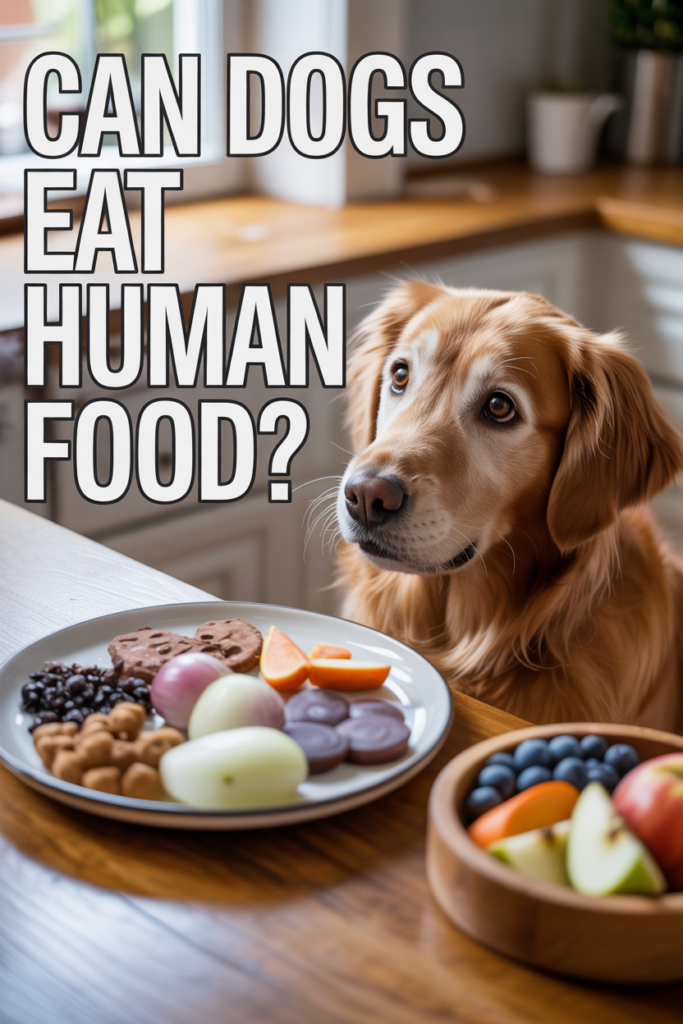
Why Can Dogs Eat Human Food Actually Matters
From my experience, giving dogs the right kind of human food can actually add variety and nutrition to their diet. But the wrong choices can lead to serious problems, even if they seem harmless at first.
I’ve learned to pay attention not just to the food itself, but also how it’s prepared and served. Simple, plain foods in small amounts tend to work best. It’s not about replacing dog food, but about adding safe options carefully.
Key Takeaways
- Some human foods are safe for dogs in small amounts
- Certain foods can be harmful or toxic
- Preparation and portion size make a big difference
- Human food should not replace a balanced dog diet
- Introduce new foods slowly to avoid stomach issues
- Always observe your dog’s reaction to new foods
Pro Tip
What helped me most was creating a small list of safe foods I could rely on instead of guessing each time. I always introduce new food in tiny amounts and wait to see how my dog reacts before giving more. I also avoid seasoning completely, since many spices and additives aren’t safe for dogs. Keeping portions small prevents overfeeding and keeps treats from affecting regular meals. I never mix too many new foods at once, which helps identify any issues quickly. Over time, this approach made feeding safer and much less stressful.
Related Posts
- Can Dogs Eat Strawberries Safely and in What Amounts
- Can Dogs Eat Cheese Without Health Risks
- Can Dogs Eat Pineapple and Is It Good for Them
Let’s look into this delicious topic and see what’s truly on the menu for your canine buddy—without risking an emergency vet visit.
What Human Foods Are Safe for Dogs?
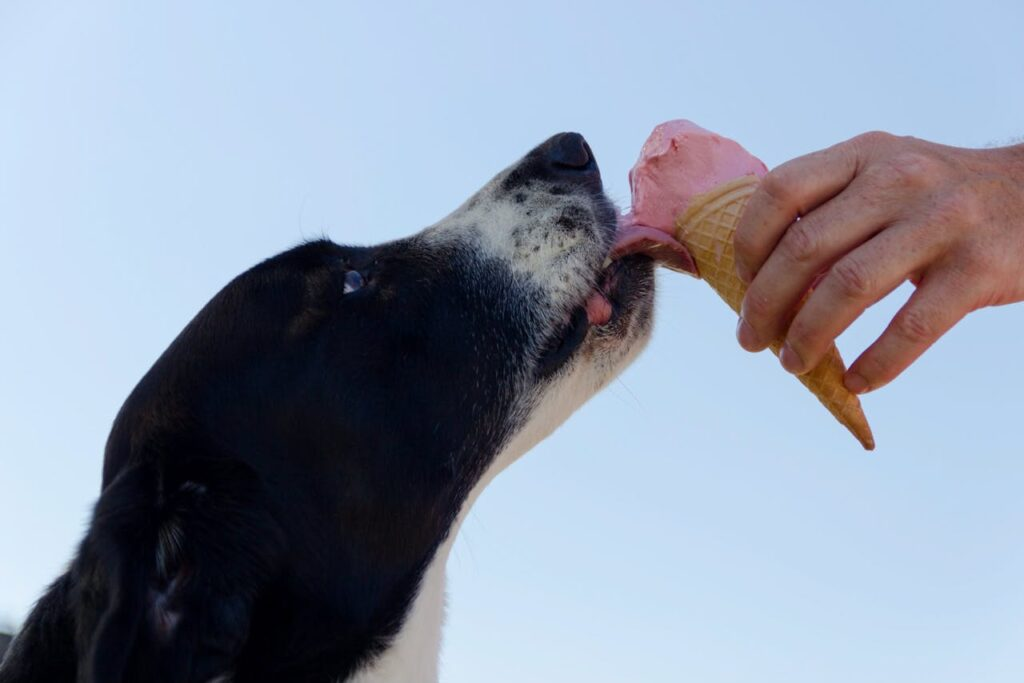
FYI, not all human food is created equal. Over the years, I’ve seen dogs thrive with small additions of fresh, whole foods—and I’ve also seen dogs end up sick from “just one bite” of the wrong thing.
Here are some popular human foods that are generally safe when prepared properly and served in moderation:
Peanut Butter
A classic favorite. Dogs love it, and it provides healthy fats and protein. Always ensure it is xylitol-free, as xylitol is extremely toxic to dogs. I personally use peanut butter sparingly, often as a training reward or to hide medication.
Carrots
Crunchy, low-calorie, and rich in beta-carotene. Carrots support eye health and dental hygiene. According to veterinary nutrition data, carrots are over 85% water, making them great for hydration too.
Chicken
Plain, cooked chicken is an excellent lean protein source. No seasoning, no skin, no bones. I’ve used boiled chicken for decades to help dogs recover from upset stomachs.
Rice and Pasta
Cooked, plain white rice or pasta can help soothe digestive issues. Many vets recommend rice as part of a bland diet because it’s easy to digest and gentle on the gut.
Watermelon
Hydrating and refreshing, especially in hot weather. Remove seeds and rind to avoid choking or digestive blockage. Watermelon is about 92% water, which makes it a great summer treat.
You might be wondering if your dog can join the family barbecue. While that sounds fun, moderation is key. Even safe foods can cause weight gain or stomach upset if overdone.
Foods You Should Never Share

Some foods are not just unhealthy—they’re dangerous. I’ve personally witnessed emergency situations caused by well-meaning owners sharing the wrong foods.
Chocolate
Contains theobromine, which dogs cannot metabolize effectively. Even small amounts can cause vomiting, tremors, seizures, or worse.
Grapes & Raisins
These can cause sudden kidney failure in dogs. What makes them especially dangerous is that even tiny amounts can be toxic, and sensitivity varies by dog.
Onions & Garlic
These damage red blood cells and can lead to anemia. Cooked or raw—both are unsafe.
Xylitol
Found in sugar-free gum, candy, and baked goods. Xylitol can cause a rapid insulin release, leading to hypoglycemia, seizures, or liver failure.
Keeping these foods completely out of reach is one of the simplest ways to protect your dog’s health.
How to Introduce Human Food to Your Dog
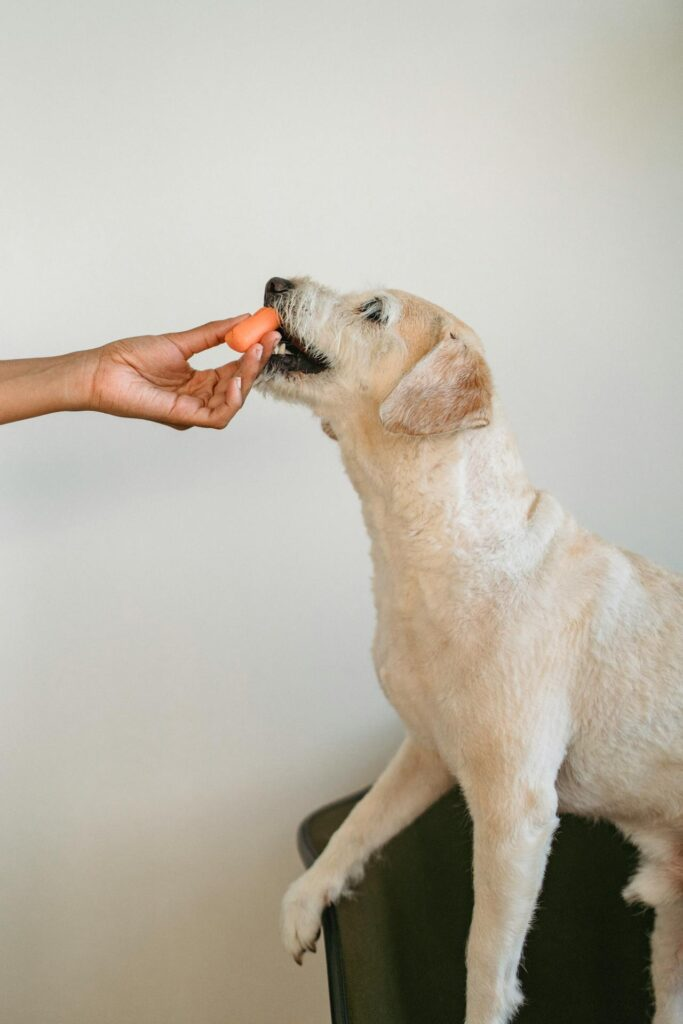
If you decide to share human food, do it intentionally—not impulsively.
Start Small
A small bite is enough to test tolerance. Dogs’ digestive systems are sensitive to sudden changes.
Watch for Reactions
Monitor for vomiting, diarrhea, itching, or lethargy over the next 24 hours. I always tell owners: your dog’s body will tell you quickly if something doesn’t agree.
Keep It Balanced
Human food should be a supplement, not a replacement. Dogs require specific nutrient ratios that table food alone cannot provide.
Introducing foods slowly has helped countless dogs avoid digestive upset in my experience.
The Benefits of Sharing Appropriately
When done correctly, sharing safe human food can actually be beneficial.
Strengthens Your Bond
Sharing food builds trust and connection. Dogs associate food with care, safety, and affection—it’s deeply instinctual.
Improves Their Diet
Fresh foods can add nutrients, fiber, and variety when used properly. Variety also helps prevent picky eating behaviors.
Makes Life Exciting
Mental enrichment matters. New textures and flavors stimulate your dog’s senses and make mealtime more engaging.
A little thoughtfulness goes a long way in supporting a happy, healthy dog.
Final Thoughts
So, can dogs eat human food? Yes—but with responsibility and knowledge. After decades of living with dogs, I’ve learned that informed choices matter more than good intentions.
Sharing a carrot or a bit of plain chicken is fine. Sharing chocolate or seasoned leftovers is not. When in doubt, stick to simple, whole foods and always prioritize your dog’s long-term health over those hopeful puppy eyes.
It’s a win-win: you enjoy your meal, and your dog stays healthy, safe, and happy. 🐾
All content on this site is written and reviewed by our experienced team to ensure it is accurate, reliable, and helpful for our readers. Our Our Process page explains how we carefully research and create high-quality content, while our Team page introduces the professionals behind our work. We also provide clear guidelines for content or image concerns on our Image Removal page, so you can trust that we prioritize transparency, quality, and reader safety.