

Cocker Spaniel Dog Breed: Temperament, Care, and Training
The Cocker Spaniel is one of the world’s best-loved breeds, and one look tells you why. Those big, dark eyes, that sweet expression, and those long, lush ears that practically demand to be touched. The merry and frolicsome Cocker Spaniel is a happy, gentle dog that was developed as a hunting dog but gained its wide popularity as an all-around companion. If you want a small sporting dog with a big heart, the Cocker Spaniel dog breed is a joy to live with.
Inspired by the American Kennel Club.
About the Cocker Spaniel
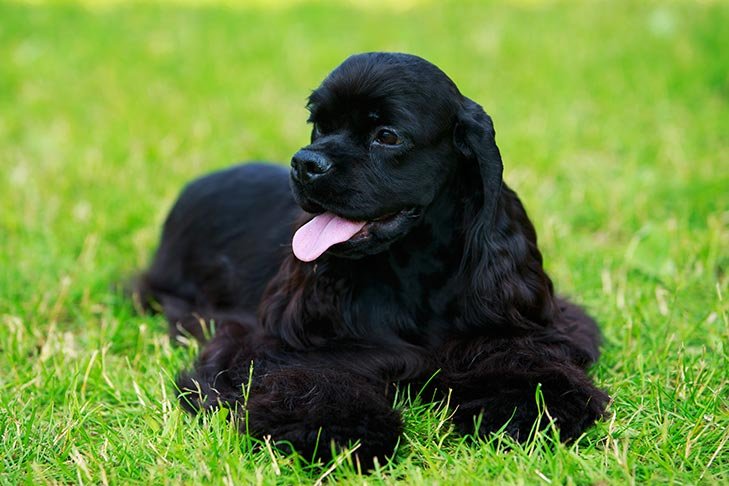
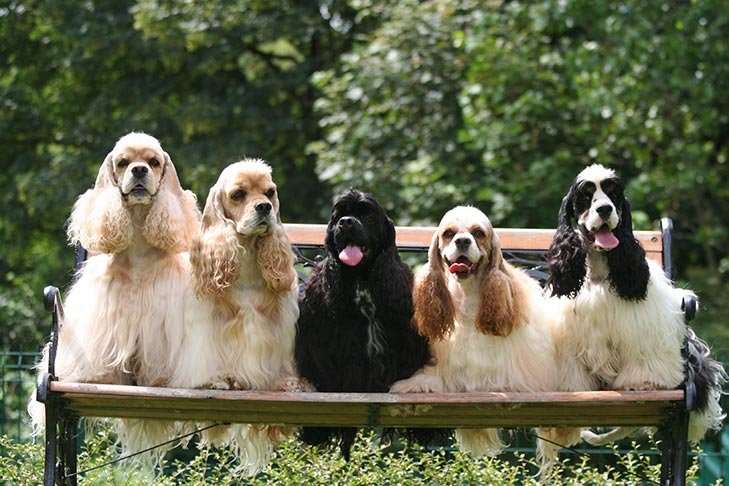
The Cocker is the AKC’s smallest sporting spaniel, standing about 14 to 15 inches. The coat comes in enough colors and patterns to please any taste, including black, black with tan points, parti-color, and ASCOB (any solid color other than black). The well-balanced body is sturdy and solid, and these quick, durable gundogs move with a smooth, easy gait.
Want a Better-Trained, Happier Dog?
Get practical guidance for obedience, behavior, and everyday dog training with a collection of helpful training guides designed for dog owners.
This post may contain affiliate links. If you purchase through our link, we may earn a commission at no additional cost to you.
Cockers are eager playmates for kids and are easily trained as companions and athletes. They are big enough to be sporty, but compact enough to be portable. A Cocker in full coat rewards extra grooming time by being the prettiest dog on the block. These energetic sporting dogs love playtime and brisk walks. Their temperament is smart, happy, and gentle.
| Quick Facts | Details |
|---|---|
| Group | Sporting Group |
| Origin | England |
| Height | About 14 to 15 inches |
| Life expectancy | 10 to 14 years |
| Coat | Medium-length silky coat in many colors and patterns |
| Temperament | Smart, happy, gentle |
| Nicknames | Cocker |

History of the Cocker Spaniel
The spaniel is a breed type of great antiquity, believed to have originated in Spain, and the words “Spain” and “spaniel” are closely related. Spaniels have been bird hunters’ helpers since before the development of the rifle, when hunting dogs were used in tandem with nets. By the 19th century, when written breed standards, dog shows, and field trials began to gain traction in England, the various spaniels were classified as specific breeds.
Among them was the Cocker, so called because these dogs specialized in hunting woodcock. These dogs, smaller than English Springer Spaniels but larger than English Toy Spaniels, were the ancestors of the modern Cocker Spaniel. In America the Cocker diverged into two varieties, American and English. The English and Canadian kennel clubs registered the varieties as separate breeds beginning in 1940, and the AKC followed suit in 1946.
Health
The Cocker Spaniel has good longevity. The breed’s national parent club, the American Spaniel Club, has a health committee that looks at breed health issues and makes recommendations for required health testing. A conscientious breeder can furnish records of the sire’s and dam’s health testing, for example for hips, patellas, and eyes.
Learn from the veterinarian proper procedures to clean the Cocker’s ear canals on a regular basis, especially following a bath, in order to avoid infections. Thorough grooming of the Cocker coat will aid in preventing mats, which can lead to skin problems underneath. Brushing your dog’s teeth regularly is also part of good Cocker care.
Nutrition
Selecting the best diet can be a matter of trial for the individual dog. The key is to pay attention to food labels for quality ingredients, and the owner can seek advice from their dog’s veterinarian regarding any particular sensitivities or needs the Cocker has. Choose a high-quality food and give it a fair tryout. A chicken and rice based food has long been a good starting point for Cocker food trials, but consider individual sensitivities, likes, and needs.
Maintain proper weight, but be careful not to overfeed. Groomers and veterinarians often see overweight Cockers, so measure meals and keep treats modest.
Grooming
Cocker Spaniels require regular, thorough grooming. Sessions missed are not easily made up and may result in tangles or mats in the coat. A metal, professional-quality dog comb with fine and medium spacing for the teeth is a necessity. You can follow combing with a gentle slicker brush, but the comb is key. Loose hair should be carefully removed with the comb, making sure you can see through to the skin everywhere.
If you encounter snarls, do not pull through; rather, pick snarls apart, starting at the tips of the coat and then comb through. Be cautious when combing ears, as the skin at the edges is thin. The Cocker requires thorough bathing with quality dog shampoo, and thorough rinsing and re-rinsing are crucial, since soap residue can cause skin irritation. Dry carefully with a blow-dryer on a not-too-hot setting.

Exercise
The Cocker Spaniel is a sporting breed and should maintain good muscle tone, although the breed is not one that needs a lot of exercise for the purpose of discharging an abundance of energy. Cockers often enjoy getting their exercise by retrieving a ball or other toy, or accompanying their people on a walk. They very much enjoy spending time with their people, so walking is a good exercise option.
If the Cocker has a canine companion, they can play to exercise each other. The Cocker Spaniel wants to please people and enjoys play, so these are tools you can use to encourage exercise.
Training
The good news about training the Cocker Spaniel is that in general this is a people-pleasing breed. They want to be “good” in order to please their people, and they are generally sensitive and responsive to correction and a disapproving tone in their owner’s voice. Harsh means of correction are not usually warranted, nor are they productive in the Cocker.
The breed enjoys the challenge of performance activities, and it is a good idea to try out the available activities and events to see what interests your individual Cocker. Early socialization and puppy training classes are recommended. Cockers are rather easily motivated with food rewards and with play and praise.
Did You Know?
- The Cocker Spaniel is known as the “smallest member of the sporting-dog family.”
- The name “cocker” comes from the breed’s special proficiency in hunting woodcock.
- The Cocker Spaniel has been exhibited in the United States since the early 1880s.
- CH. Pett’s Southwest Breeze (Ruby) was the first Cocker Spaniel in history to be awarded the AKC’s Master Hunter title.
Frequently Asked Questions
Are Cocker Spaniels good family dogs?
Yes. Cockers are gentle, happy, and eager playmates for kids, and they are easily trained as companions.
How much grooming does a Cocker Spaniel need?
A lot. The coat needs regular, thorough combing to prevent mats, plus bathing and drying. Missed sessions are hard to make up.
Do Cocker Spaniels shed much?
Moderately. Regular combing removes loose hair and keeps the coat healthy.
Are Cockers easy to train?
Yes. They are people-pleasers, sensitive to their owner’s voice, and easily motivated with food rewards, play, and praise.