20 Cozy Dog Bedroom Ideas That Your Pup Will Love
I’ve explored 20 practical dog bedroom setups and what actually works in real homes. I focus on comfort, space use, and materials that support a dog’s sleep and behavior.
Studies show dogs sleep 12–14 hours daily, so the right setup matters. I break down ideas from compact corners to luxury built-ins, with clear takeaways you can apply regardless of budget or space.
Key Takeaways
- I prioritize orthopedic support for joint health, especially for medium to large breeds
- I use natural light and quiet zones to reduce stress and improve sleep quality
- I choose durable, washable materials to maintain hygiene
- I design spaces that match my home while keeping the dog’s comfort first
- I optimize small areas like corners or under-stairs for functional dog zones
20 Cozy Dog Bedroom Ideas
#1. Brady & Benson’s Mini Bedroom
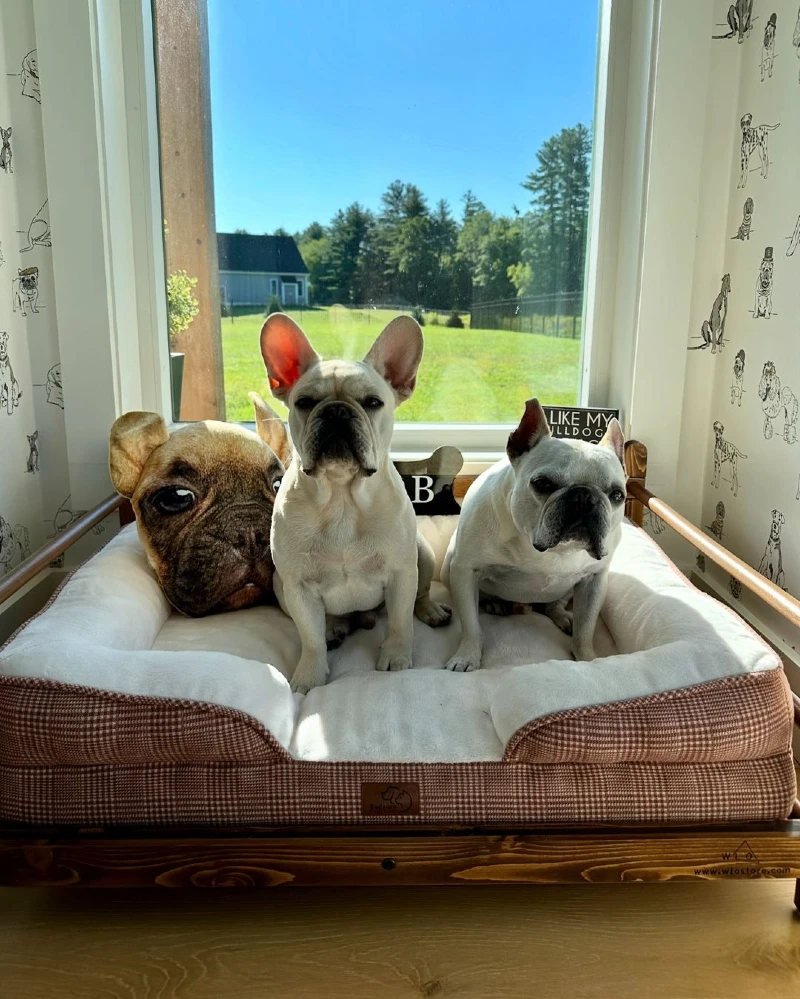
I like raised beds because they improve airflow and keep dogs off cold floors. The plaid cushion adds comfort, while neutral tones make it easy to blend into any room. Personal items like themed pillows help create a familiar, safe space for the dog.
#2. The Big Barker Dog Bed
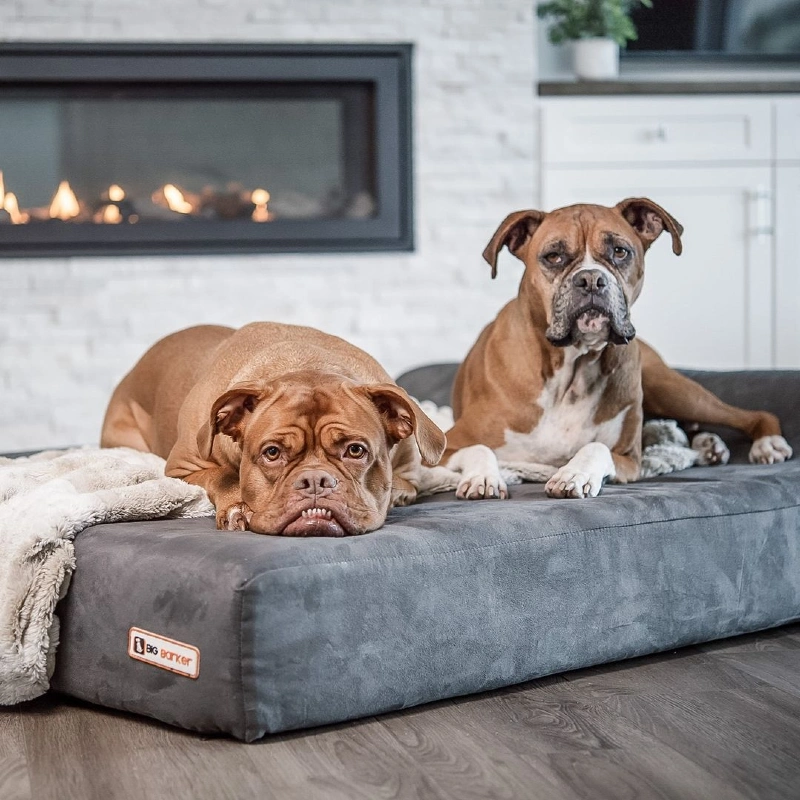
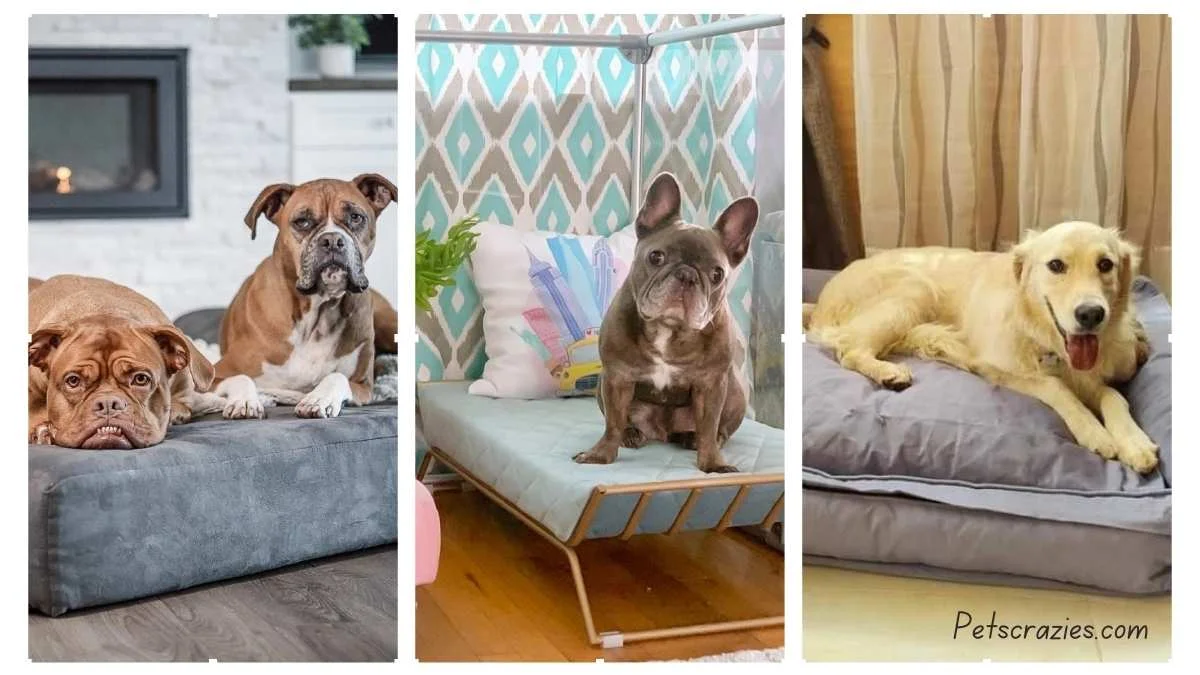
I always recommend orthopedic beds for large dogs since they reduce joint pressure. A high-quality foam bed can improve sleep posture and reduce stiffness. Pairing it with a warm blanket makes the space more inviting without overcomplicating the design.
#3. Dog Boutique Chic Lounge
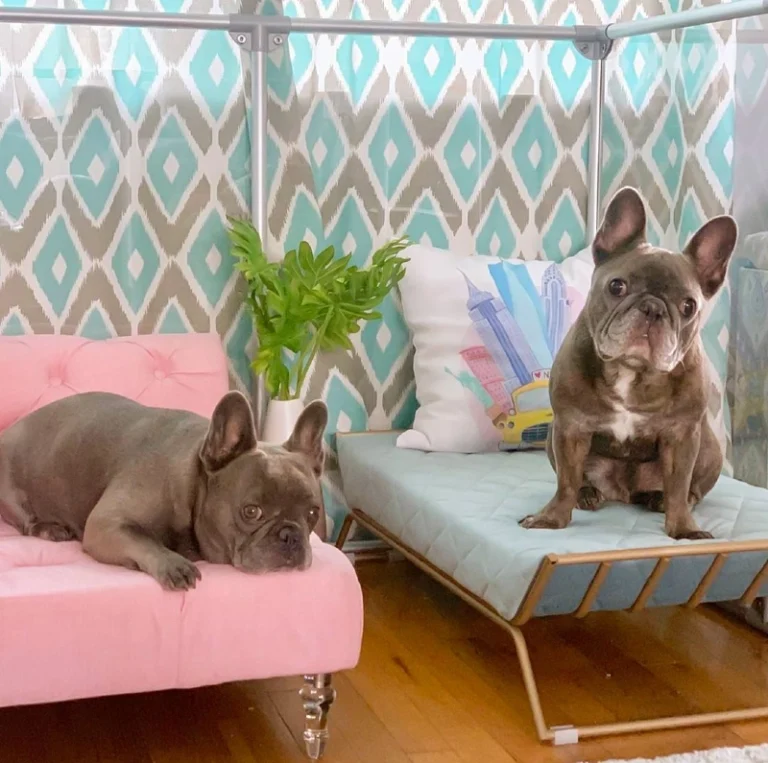
I’ve seen small dogs prefer elevated lounging spots like mini sofas. This setup works well because it combines comfort with a defined personal space. Stylish furniture can still be functional if the cushioning supports the dog properly.
#4. A Dog Lying On A Bed
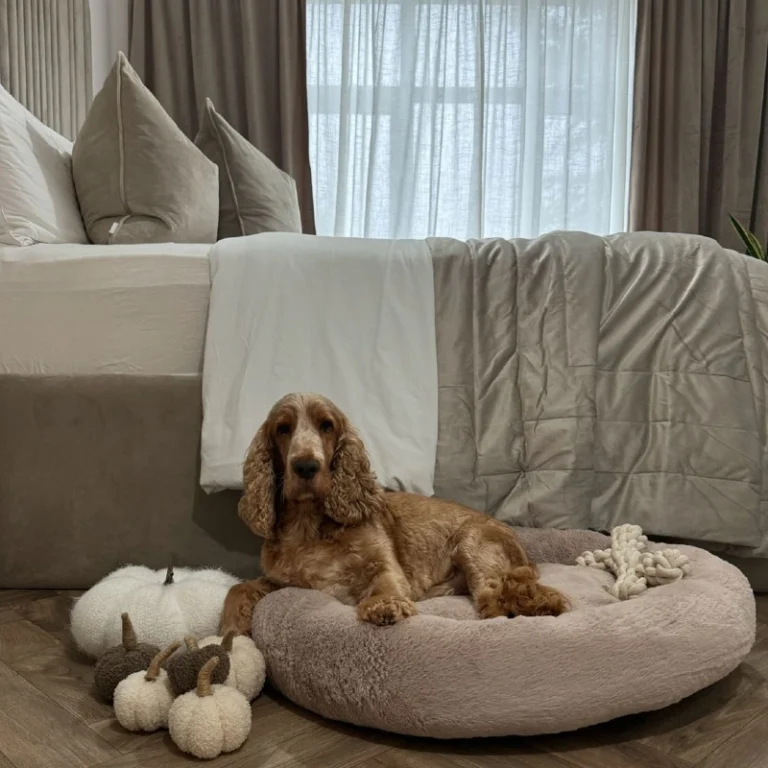
I prefer neutral setups when I want a calm environment. Soft textures and minimal clutter help dogs relax faster. Adding a toy nearby keeps the space functional without disturbing the aesthetic.
#5. Cozy Garden View Lounge
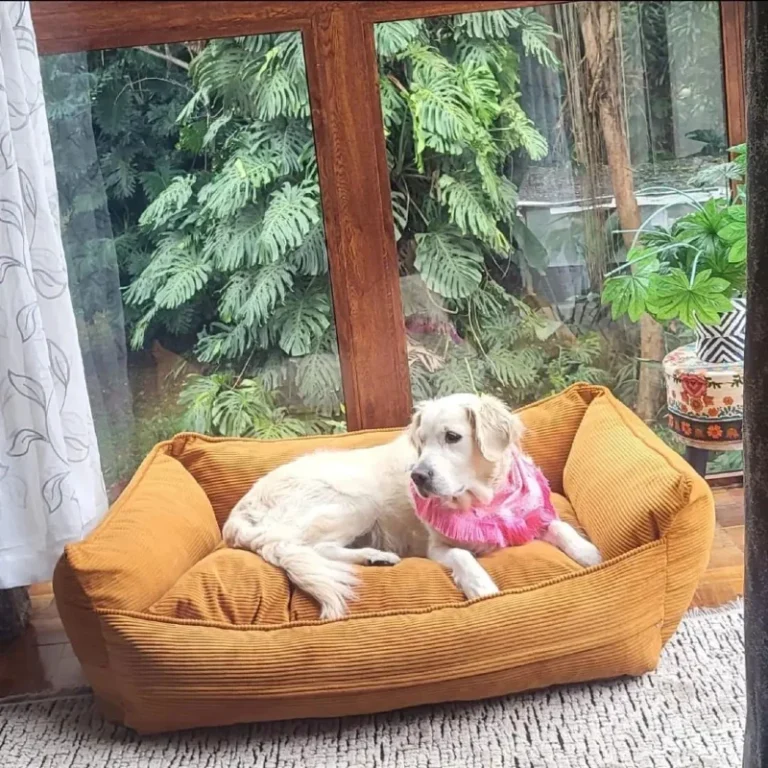
I’ve noticed dogs enjoy spots near windows because they stay mentally engaged. Natural light also helps regulate sleep cycles. A soft bed with earthy tones creates a relaxing and grounded environment.
#6. Geometric Comfort Nook
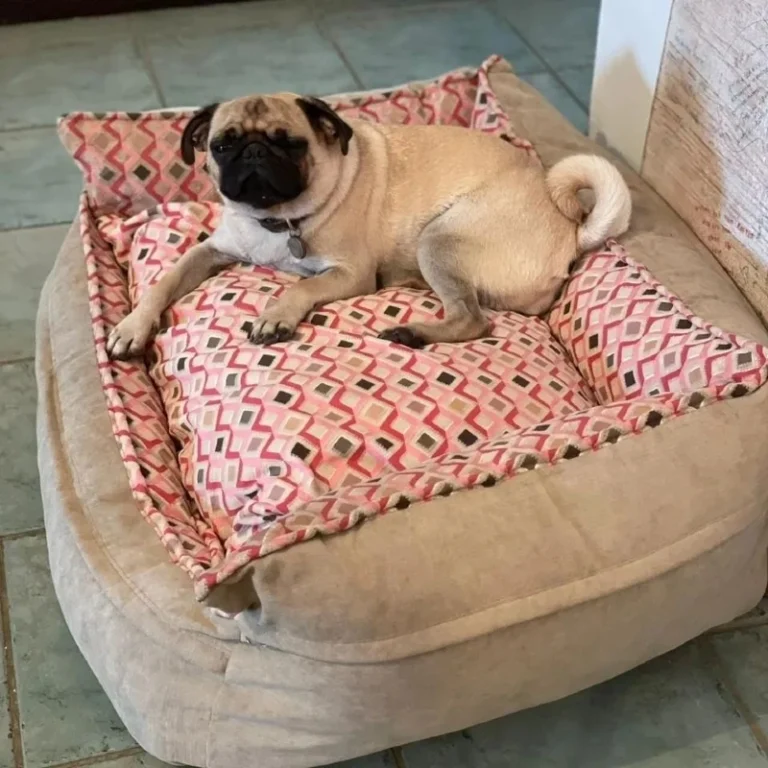
I use patterned cushions to add visual interest without sacrificing comfort. Thick padding is key here, especially for smaller breeds. Bright colors can also stimulate a dog’s mood in a positive way.
#7. Tranquil Blue Haven
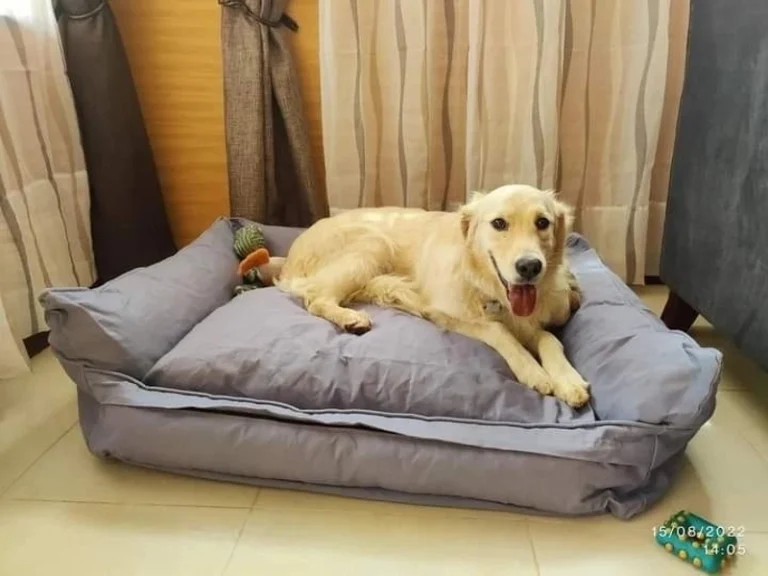
I prefer large cushioned beds for bigger dogs to avoid pressure points. A simple setup with fewer distractions helps anxious dogs settle faster. Keeping a toy nearby adds function without clutter.
#8. The Penthouse Playpen
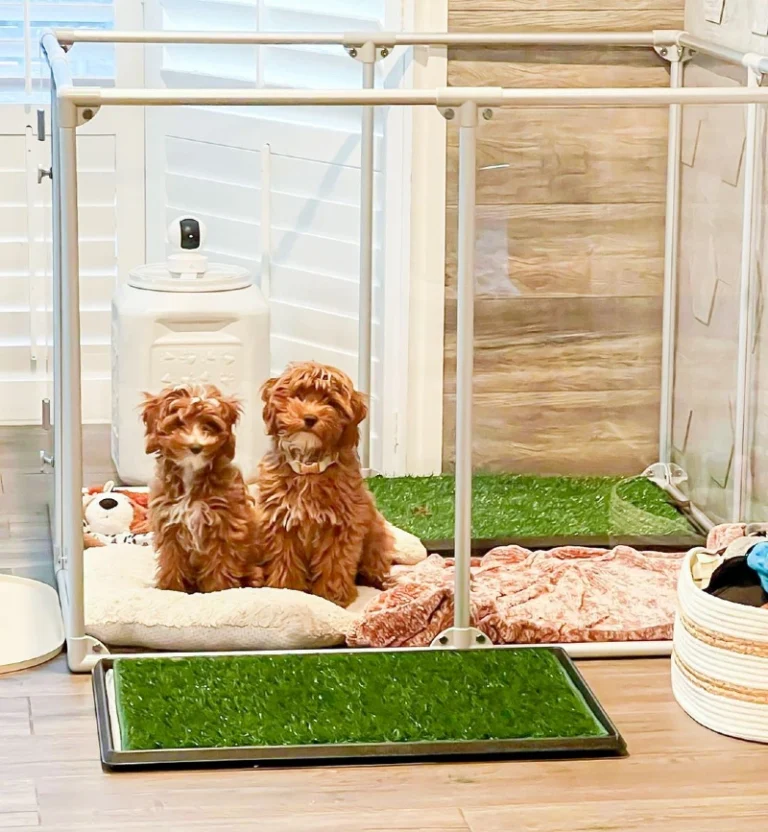
I recommend playpens for puppies or small breeds because they combine rest and training. Indoor grass pads are useful for early potty training. This setup also keeps the area easy to clean and organized.
#9. Navy Corduroy Comfort

I like corduroy beds because they are durable and soft at the same time. Raised edges give dogs a sense of security, which is important for better sleep. This type of bed fits well in small corners.
#10. Corduroy Corner Retreat
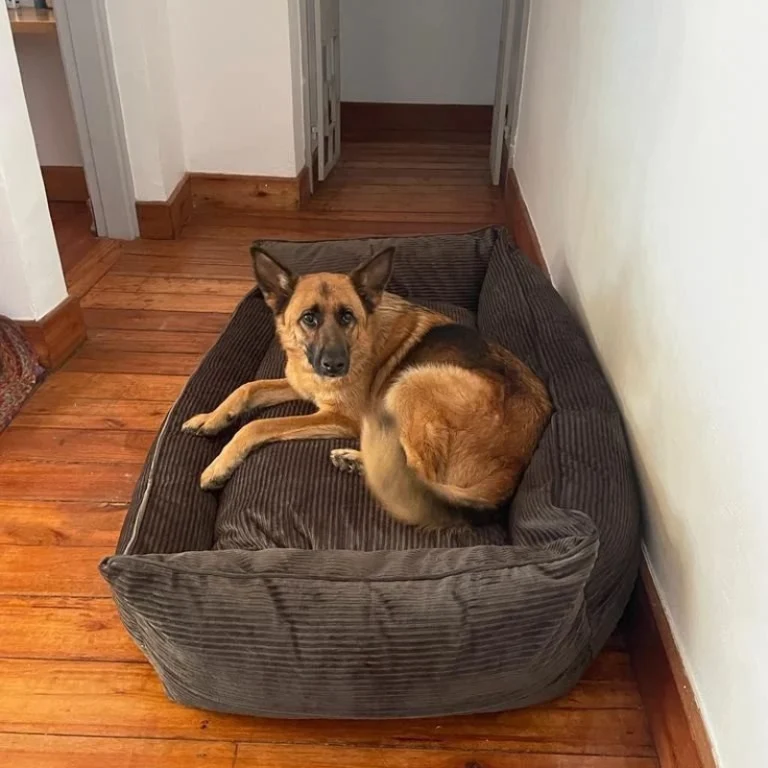
I’ve found that dogs prefer quiet corners for rest. Thick-sided beds support the body and create a safe boundary. This setup works well for large breeds that need both space and support.
#11. Forest Plush Haven
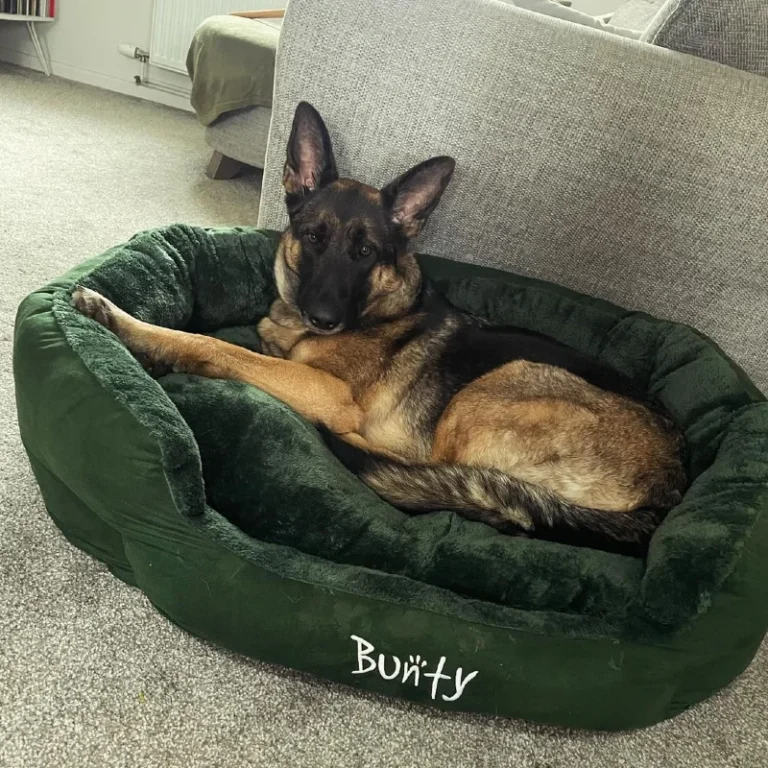
I recommend plush beds with higher sides for dogs that like to curl up. Personalization adds a sense of ownership for the pet. Positioning the bed near furniture helps the dog feel included but still relaxed.
#12. Emerald Dream Retreat
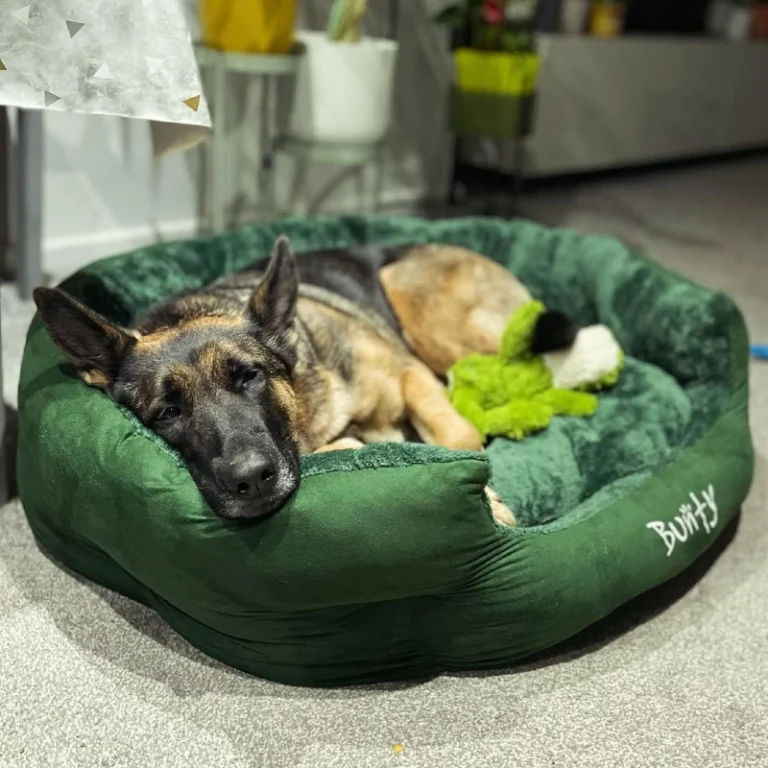
I focus on comfort first, and deep padded beds deliver that well. Soft fabrics reduce pressure and improve sleep quality. Adding a small toy keeps the space engaging without distraction.
#13. Rustic Shared Bedroom Retreat
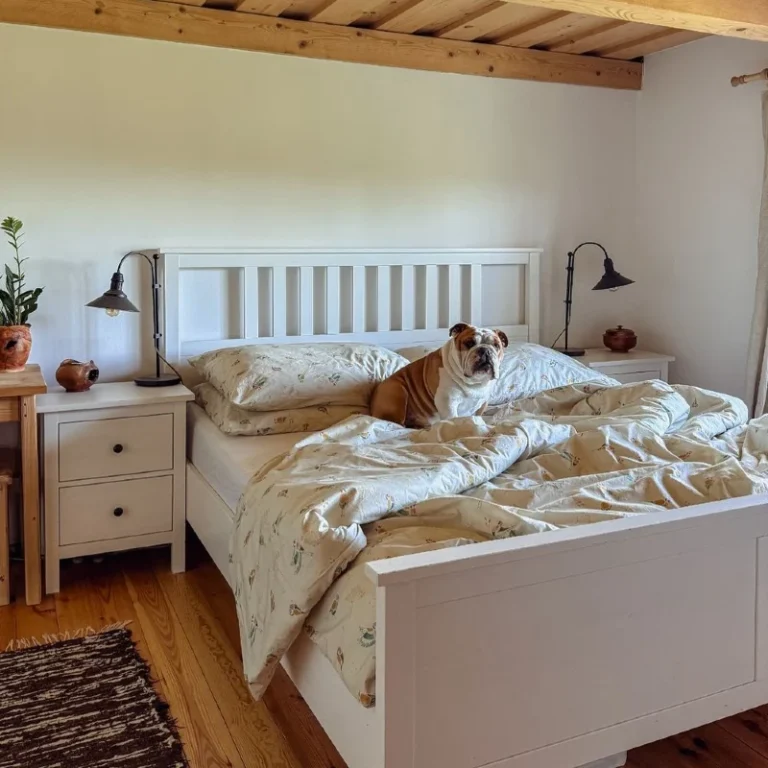
I’ve seen many dogs sleep better when they share space with their owners. Familiar scents reduce anxiety and improve rest. A shared setup works best when the bedding is durable and easy to clean.
#14. Loft Bedroom Comfort for Pets and Owners
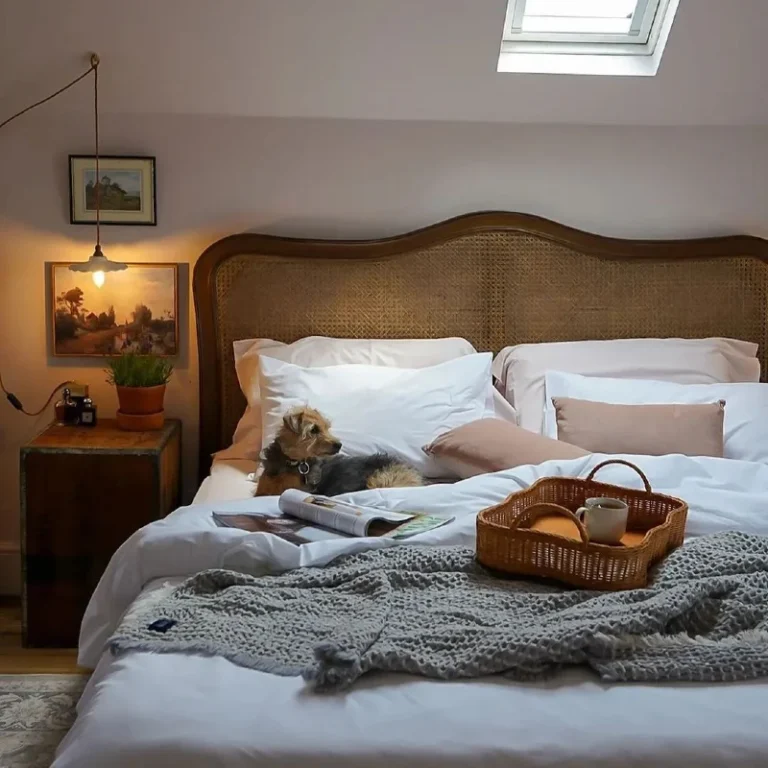
I like loft setups because they maximize limited space. Natural light improves mood for both pets and owners. Keeping the area simple ensures it stays functional and comfortable.
#15. Rustic Chic Dog-Friendly Bedroom
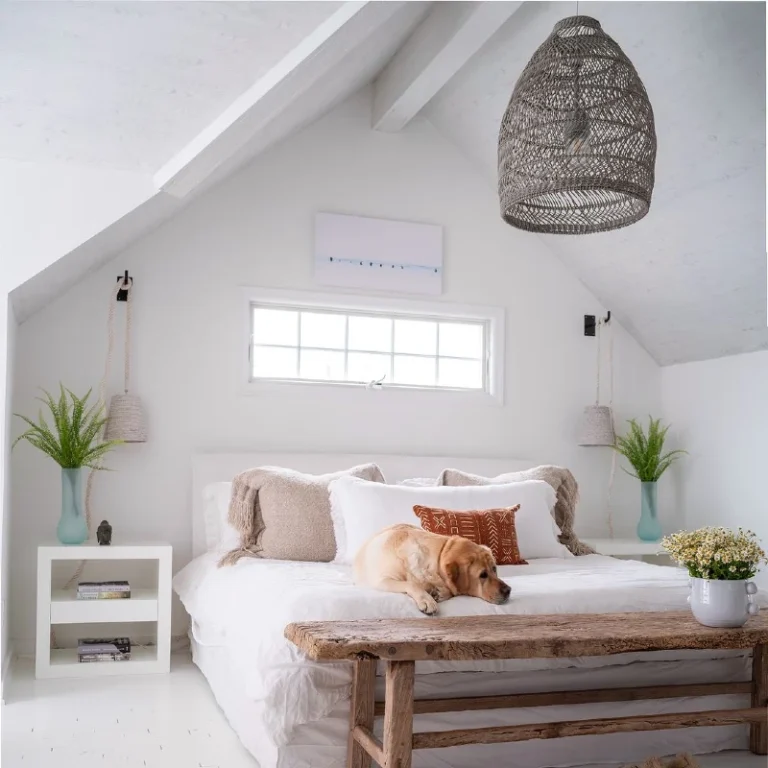
I prefer natural textures like wood and cotton because they create a calm setting. Dogs respond well to stable and predictable environments. This type of setup balances style and comfort effectively.
#16. The Under-Stair Illuminated Nook
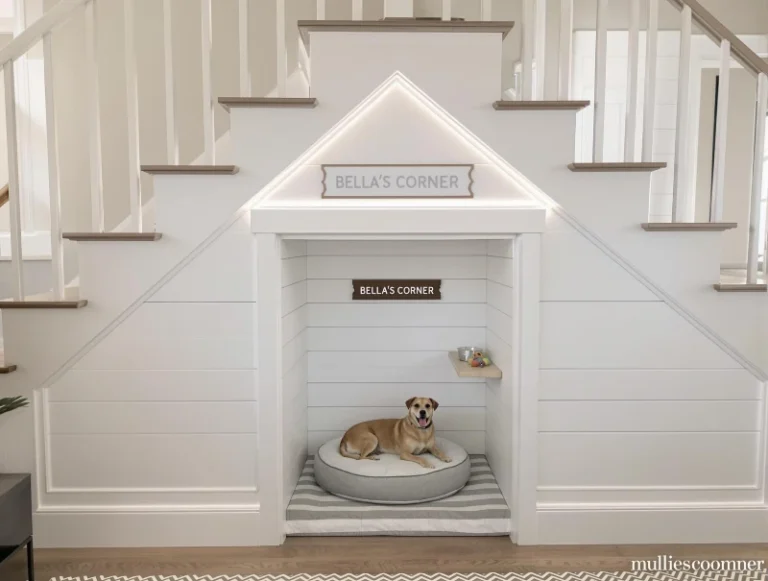
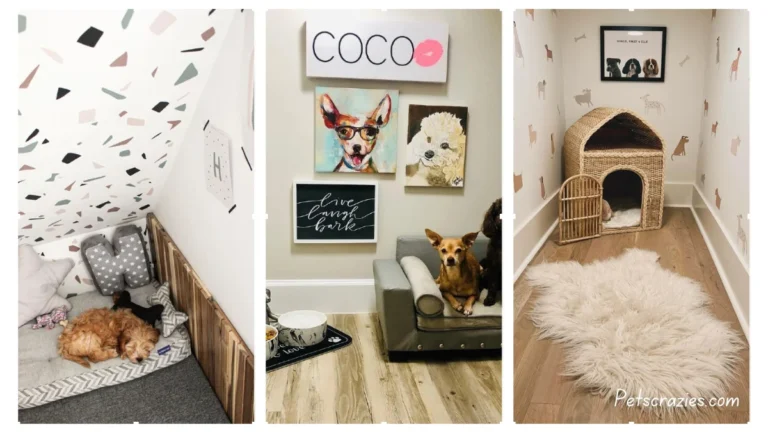
I use under-stair spaces as smart solutions for small homes. Built-in designs save space while giving dogs a defined area. Soft lighting can make the space feel safe without being too bright.
#17. The Built-in Farmhouse Nook
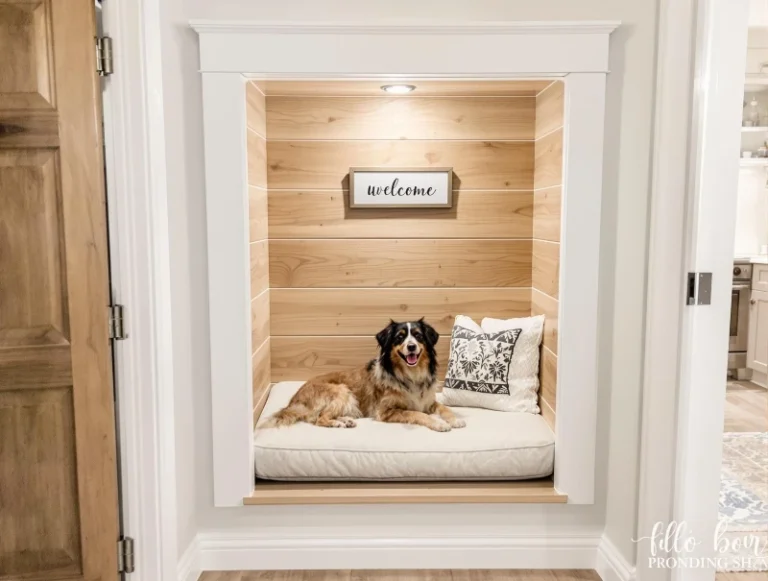
I like built-in alcoves because they keep the dog’s area organized. Warm tones and soft bedding make the space inviting. This setup works well in transitional areas like hallways.
#18. The Luxury Built-in Suite with Storage
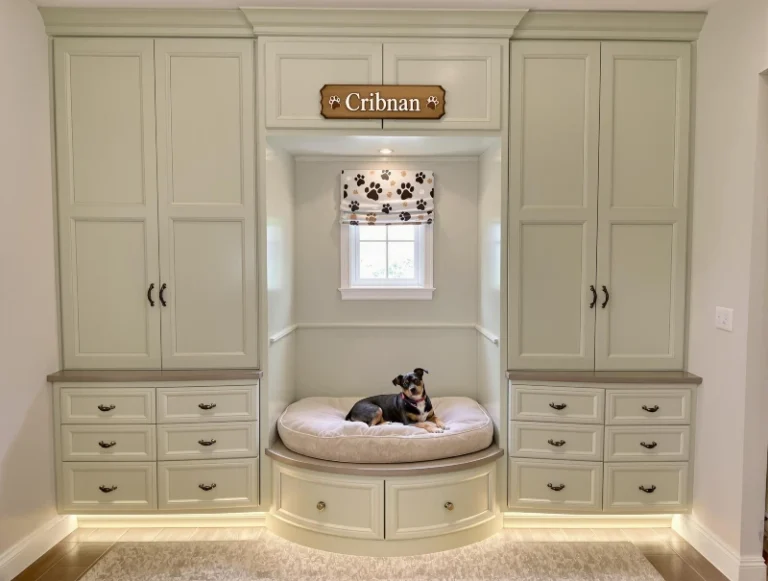
I’ve seen that combining storage with a dog bed improves efficiency. It keeps toys and essentials in one place. Elevated beds also help maintain cleanliness and airflow.
#19. The Minimalist Moon Portal
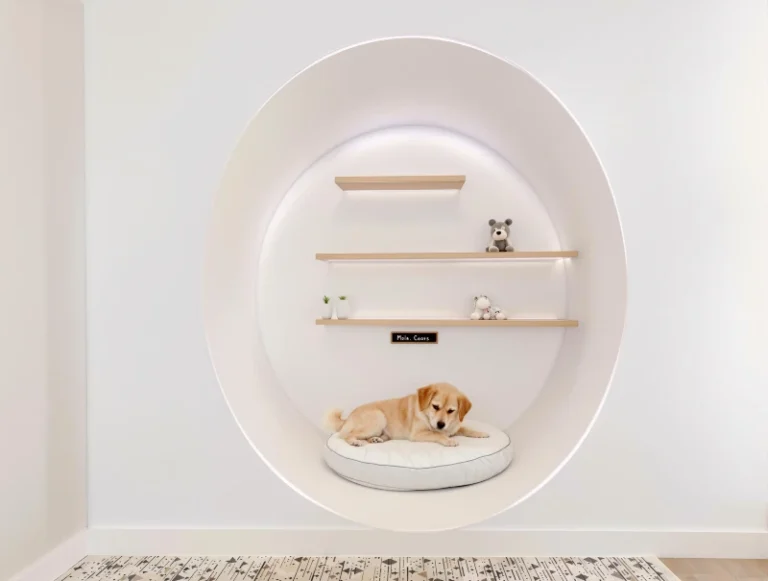
I prefer minimalist designs for easy maintenance. Clean shapes and fewer elements reduce clutter. This type of space works well for dogs that don’t need too many distractions.
#20. The Cozy Fairylight Canopy
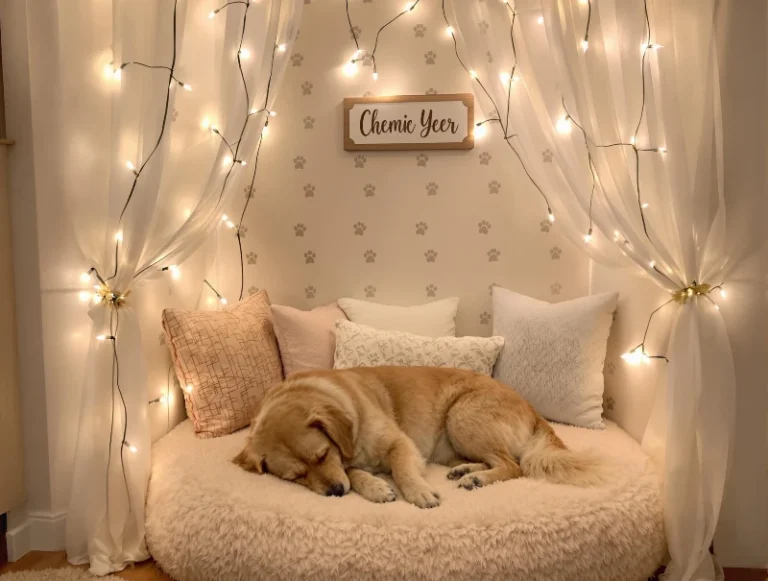
I’ve noticed some dogs respond well to enclosed, soft spaces. A canopy setup creates a den-like feeling, which can reduce anxiety. Soft lighting and layered bedding improve overall comfort.
All content on this site is written and reviewed by our experienced team to ensure it is accurate, reliable, and helpful for our readers. Our Our Process page explains how we carefully research and create high-quality content, while our Team page introduces the professionals behind our work. We also provide clear guidelines for content or image concerns on our Image Removal page, so you can trust that we prioritize transparency, quality, and reader safety.