5 Easy-to-Digest Puppy Treats
If your puppy has ever dealt with gas, loose stools, vomiting, or tummy discomfort after snack time, you already know how important gentle treats can be.
I learned this the hard way after trying several commercial puppy snacks that looked healthy on the label but upset my puppy’s stomach within hours. Since then, I’ve focused on homemade puppy treats made with simple, digestible ingredients that support healthy digestion while still tasting amazing.
Key Takeaways
- Easy-to-digest puppy treats should use simple ingredients with minimal fillers
- Salmon, chicken, banana, pumpkin, oatmeal, and sweet potato are gentle on most puppies’ stomachs
- Homemade puppy treats help you control sodium, preservatives, and allergens
- Soft treats work best for puppies under 6 months because their teeth and digestive systems are still developing
- Veterinarians often recommend treats make up no more than 10% of a puppy’s daily calories
- Fiber-rich ingredients like pumpkin and oats may help regulate digestion and improve stool quality
- Proper storage is essential since homemade treats contain no artificial preservatives
- Small bite-sized treats are better for puppy training and portion control
According to veterinary nutrition research, puppies have more sensitive digestive systems than adult dogs because their gut microbiome is still developing during the first year of life. That’s one reason I always recommend starting with soft, simple treats before introducing richer snacks or heavily processed commercial products.
These recipes are designed to be gentle, nutritious, and practical for real-life puppy parents who want healthy homemade options without complicated ingredients.
#1. The Ultimate Easy-to-Digest Puppy Treat Recipe

There’s something incredibly rewarding about making treats at home and knowing exactly what your puppy is eating. When my puppy started having stomach issues from certain packaged snacks, I began experimenting with limited-ingredient recipes that were soft, protein-rich, and easy to digest.
This recipe quickly became one of my favorites because it uses only three main ingredients and works beautifully for puppies with sensitive stomachs.
The salmon provides highly digestible protein and omega-3 fatty acids that support brain development and skin health, while white rice offers a bland carbohydrate source commonly recommended by veterinarians for digestive upset.
What Makes These Treats Special?
These treats are intentionally simple. Puppies often react poorly to artificial preservatives, excessive sodium, heavy spices, or filler ingredients found in low-quality treats.
Using salmon, rice, and egg creates a balanced snack that supports digestion while remaining flavorful enough for training rewards.
I also love how soft these treats stay after baking, making them suitable for:
- Young puppies
- Senior dogs
- Dogs recovering from digestive upset
- Small breeds with sensitive teeth
Why You’ll Love This Recipe
- Budget-friendly homemade option
- High-quality protein from salmon
- Soft texture ideal for puppies
- No artificial preservatives or fillers
- Great for training sessions
- Easy freezer storage
- Gentle on sensitive stomachs
- Rich in omega-3 fatty acids
Essential Recipe Information
Prep Time: 15 minutes
Cook Time: 30 minutes
Total Time: 45 minutes
Yield: About 18 treats
Size Per Treat: Tablespoon-sized portions
Shelf Life: 3 days room temperature, 1 week refrigerated, 3 months frozen
Storage Requirements: Airtight container
Equipment Needed
- Mixing bowl
- Spoon or spatula
- Baking sheet
- Parchment paper
- Measuring cups
Ingredients

- 1 can (13 oz or 370 g) salmon packed in water
- 1 cup (150 g) cooked white rice
- 1 large egg
Optional additions:
- 1 teaspoon parsley
- 1 teaspoon ground flaxseed
Expert Tips (Before You Start)
I always rinse canned salmon thoroughly to reduce sodium levels because puppies are more sensitive to excess salt than adult dogs.
Another important tip is making sure your rice has fully cooled before mixing. Warm rice creates excess moisture and can make the dough too sticky.
If your puppy has food sensitivities:
- Replace salmon with boiled chicken or turkey
- Use mashed sweet potato instead of rice
- Substitute egg with plain Greek yogurt
Instructions

- Preheat oven to 350°F (176°C).
- Drain and rinse salmon thoroughly.
- Combine salmon, rice, and egg in a bowl.
- Mix until evenly combined.
- Scoop tablespoon-sized portions and shape into balls.
- Place on parchment-lined baking sheet.
- Bake for 30 minutes until firm.
- Cool completely before serving.
Variations and Substitutions
For grain-free treats:
- Replace rice with mashed sweet potato
- Use cooked quinoa
For added digestive support:
- Add plain pumpkin puree
- Mix in probiotic powder approved by your veterinarian
Storage & Freshness Tips
Store refrigerated treats in an airtight glass container for best freshness. I personally freeze half the batch immediately because homemade puppy treats spoil faster without preservatives.
Serving Guidelines
- Small breeds: Half a treat
- Medium breeds: One treat
- Large breeds: One to two treats
Treats should never exceed 10% of daily caloric intake.
Common Questions
Q: Can I use fresh salmon instead of canned?
Yes, but remove all bones completely and cook thoroughly.
Q: Are these suitable for puppies under 12 weeks?
Yes, but serve tiny portions only.
Q: Why did my treats crumble?
The mixture likely needed more moisture. Add a spoonful of egg or water.
#2. Homemade Salmon and Rice Puppy Treats

When my puppy experienced recurring digestive issues, I started searching for ingredients veterinarians frequently recommend for bland diets. Salmon and rice repeatedly appeared because they’re easy on digestion while still providing balanced nutrition.
These treats became part of my regular puppy-training routine because they’re soft, nutrient-rich, and highly motivating.
Recipe Overview
Salmon provides:
- Omega-3 fatty acids
- Protein for growth
- Skin and coat support
- Brain development nutrients
Rice offers:
- Easily digestible carbohydrates
- Gentle stomach support
- Quick energy for active puppies
These treats are especially useful during:
- Potty training
- Crate training
- Basic obedience sessions
- Recovery from mild stomach upset
Why You’ll Love This Recipe
- Easy to digest
- Soft texture for puppies
- Rich in healthy fats
- Budget-friendly batch recipe
- Great freezer option
- Excellent training reward
- Minimal ingredients
Essential Information
Prep Time: 15 minutes
Cook Time: 30 minutes
Total Time: 45 minutes
Yield: 18 treats
Shelf Life: 1 week refrigerated
Freezer Life: 3 months
Equipment Needed
- Mixing bowl
- Spoon
- Measuring cups
- Baking sheet
- Parchment paper
Ingredients Section

- 1 can salmon packed in water
- 1 cup cooked white rice
- 1 large egg
Optional:
- 1 tablespoon parsley
- 1 teaspoon flaxseed
Expert Tips
I’ve noticed that overmixing can make these treats dense. Stir only until combined.
Another helpful trick is shaping smaller treats for puppies under 4 months. Smaller portions reduce digestive strain and work better for training repetition.
Instructions

- Preheat oven to 350°F.
- Drain and rinse salmon.
- Combine all ingredients.
- Shape into small balls.
- Bake 30 minutes.
- Cool fully before storing.
Variations and Substitutions
- Chicken instead of salmon
- Sweet potato instead of rice
- Oat flour for thicker texture
- Pumpkin puree for digestive support
Serving Guidelines
- Toy breeds: Half treat
- Small breeds: One treat
- Large breeds: Two treats max
Common Questions
Q: Can these be frozen?
Yes, they freeze beautifully for up to 3 months.
Q: Are salmon treats good for itchy skin?
Omega-3 fatty acids may help support healthier skin and coat function.
Q: Can senior dogs eat these?
Absolutely. Their soft texture works very well for older dogs.
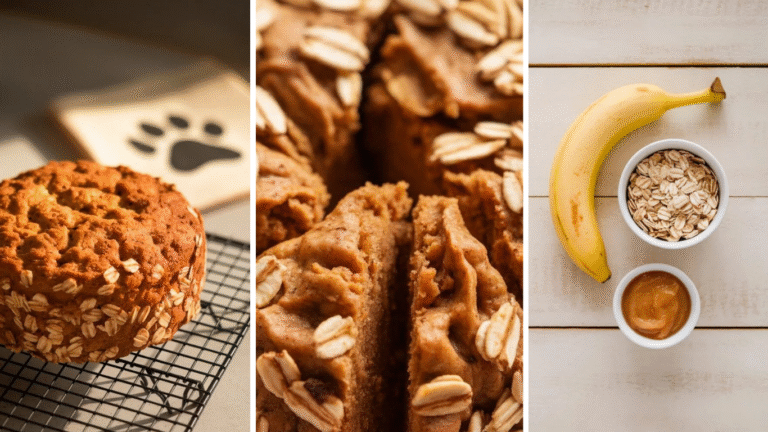
#3. Banana and Oatmeal Puppy Treats

When I wanted a softer no-bake option for sensitive puppies, banana and oatmeal turned out to be one of the best combinations I tested.
Bananas are naturally soothing for many dogs and provide potassium and fiber, while oats support healthy digestion and gut function.
These treats are ideal when you need something quick, soft, and gentle.
Recipe Overview
One reason I love this recipe is the simplicity. There’s no baking involved, which means fewer steps and less cleanup.
These treats work wonderfully for:
- Training rewards
- Teething puppies
- Senior dogs
- Puppies recovering from digestive upset
Why You’ll Love This Recipe
- No-bake recipe
- Budget-friendly ingredients
- Gentle on digestion
- Naturally sweet flavor
- Soft chew texture
- Quick preparation
- Easy freezer storage
Essential Information
Prep Time: 10 minutes
Cook Time: None
Total Time: 10 minutes plus chilling
Yield: 15–18 treats
Shelf Life: 1 week refrigerated
Equipment Needed
- Mixing bowl
- Spoon
- Measuring cups
- Parchment paper
Ingredients Section

- 1 ripe banana
- 1 cup rolled oats
- 1 tablespoon natural peanut butter
- 1/4 cup water or low-sodium broth
Optional:
- Chia seeds
- Cinnamon
Expert Tips
Use ripe bananas with brown spots because they mash easier and provide more natural sweetness.
Always double-check peanut butter labels to ensure they do NOT contain xylitol, which is toxic to dogs.
Instructions

- Mash banana thoroughly.
- Add oats and peanut butter.
- Stir in water gradually.
- Roll into small balls.
- Chill 30 minutes before serving.
Variations and Substitutions
- Almond butter instead of peanut butter
- Pumpkin puree for extra fiber
- Coconut flour for grain-free diets
Pro Tips and Success Secrets
I like freezing small portions in silicone molds because they make excellent summer puppy snacks.
Serving Guidelines
- Small dogs: 1 small bite
- Medium dogs: 1 treat
- Large dogs: 2 treats
Common Questions
Q: Can puppies eat oats daily?
In moderation, oats are generally safe and digestible for most dogs.
Q: Are bananas good for upset stomachs?
Bananas may help support digestion because they contain soluble fiber and potassium.
#4. Sweet Potato and Chicken Puppy Treats

Sweet potatoes became a staple ingredient in my puppy recipes after my veterinarian recommended them for digestive support. Combined with lean chicken, they create a balanced treat packed with fiber and protein.
These treats are especially useful for active puppies because they provide slow-burning carbohydrates and satisfying protein.
Recipe Overview
Sweet potatoes are naturally rich in:
- Vitamin A
- Fiber
- Antioxidants
- Potassium
Chicken offers:
- Lean protein
- Essential amino acids
- Easy digestibility
Together, they create a puppy-friendly treat that’s filling without being heavy on the stomach.
Why You’ll Love This Recipe
- Great for sensitive digestion
- Soft chew texture
- Protein-rich
- Naturally gluten-free
- Easy training treat
- Batch-friendly recipe
Essential Information
Prep Time: 15 minutes
Cook Time: 30 minutes
Total Time: 45 minutes
Yield: 20–25 treats
Shelf Life: 1 week refrigerated
Equipment Needed
- Baking sheet
- Mixing bowl
- Blender or food processor
- Knife
- Parchment paper
Ingredients Section

- 1 large sweet potato
- 1/2 cup cooked chicken breast
- 1/2 cup oat flour
Optional:
- Turmeric
- Parsley
Expert Tips
I’ve found steaming sweet potatoes produces a softer texture than baking, which works better for younger puppies.
Avoid heavily seasoning chicken because garlic and onion are toxic to dogs.
Instructions

- Cook sweet potato until soft.
- Mash thoroughly.
- Cook and shred chicken.
- Combine ingredients into dough.
- Shape treats.
- Bake at 350°F for 25–30 minutes.
- Cool before serving.
Variations and Substitutions
- Turkey instead of chicken
- Coconut flour for grain-free diets
- Pumpkin for additional fiber
Pro Tips and Success Secrets
If you want softer training treats:
- Bake for 20 minutes only
- Refrigerate immediately after cooling
Serving Guidelines
- Small dogs: 1 treat
- Medium dogs: 1–2 treats
- Large dogs: 2–3 treats
Common Questions
Q: Can these treats help puppies with loose stool?
Sweet potato fiber may help support stool consistency.
Q: Can I freeze them?
Yes, up to 3 months.
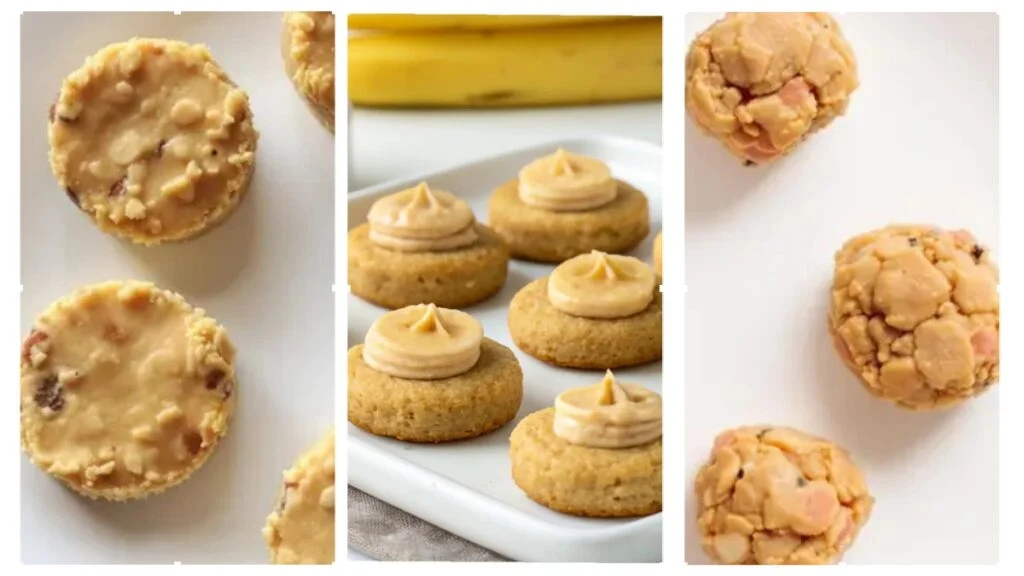
#5. Banana and Peanut Butter Puppy Treats

Banana and peanut butter is one of the easiest homemade combinations I recommend to new puppy owners because it requires very little prep and most dogs absolutely love the flavor.
I personally use these during short training sessions because they’re soft, easy to break apart, and highly motivating.
Recipe Overview
These treats combine:
- Potassium from bananas
- Healthy fats from peanut butter
- Fiber from oat flour
Because they’re soft and no-bake, they’re ideal for:
- Teething puppies
- Senior dogs
- Sensitive stomachs
- Quick rewards during training
Why You’ll Love This Recipe
- No baking needed
- Beginner-friendly recipe
- Soft chew consistency
- Digestive-friendly ingredients
- Quick prep time
- Easy freezer storage
Essential Information
Prep Time: 10 minutes
Cook Time: None
Total Time: 10 minutes plus chilling
Yield: 12–15 treats
Shelf Life: 1 week refrigerated
Equipment Needed
- Mixing bowl
- Spoon
- Parchment paper
Ingredients Section

- 1 ripe banana
- 1/2 cup unsweetened peanut butter
- 1/2 cup oat flour
- 1 tablespoon water if needed
Expert Tips
Always use:
- Unsweetened peanut butter
- Xylitol-free peanut butter
- Ripe bananas
I also recommend making mini-sized treats for puppies under 5 months because smaller portions reduce digestive stress during training.
Instructions

- Mash banana until smooth.
- Mix in peanut butter.
- Add oat flour gradually.
- Add water if dough is dry.
- Shape into balls.
- Chill 1 hour before serving.
Variations and Substitutions
- Almond butter
- Coconut flour
- Pumpkin puree
- Sunflower seed butter
Pro Tips and Success Secrets
I often freeze these in tiny silicone molds because frozen treats can soothe teething puppies during warm weather.
Serving Guidelines
- Small dogs: 1 small treat
- Medium dogs: 1–2 treats
- Large dogs: 2–3 treats
Common Questions
Q: Can puppies eat peanut butter safely?
Yes, if it’s xylitol-free and served in moderation.
Q: Are no-bake treats safe?
Yes, when refrigerated properly and made with dog-safe ingredients.
Final Thoughts
Homemade puppy treats completely changed the way I approached my puppy’s digestive health. Once I switched to simple recipes with limited ingredients, I noticed fewer stomach issues, more consistent energy, and much better training focus.
The biggest advantage of homemade treats is control. You know exactly what your puppy is eating, and you can adjust ingredients based on allergies, sensitivities, or texture preferences.
Whether your puppy prefers salmon, chicken, banana, pumpkin, or sweet potato, these recipes provide gentle options that support healthy digestion while still delivering flavor your dog will genuinely enjoy.
All content on this site is written and reviewed by our experienced team to ensure it is accurate, reliable, and helpful for our readers. Our Our Process page explains how we carefully research and create high-quality content, while our Team page introduces the professionals behind our work. We also provide clear guidelines for content or image concerns on our Image Removal page, so you can trust that we prioritize transparency, quality, and reader safety.