21 Facts About Corgis That Prove They’re the Royals of the Dog World
Corgis have a way of stealing attention wherever they go. The moment you see those short legs, fluffy body, upright ears, and that famous wiggly walk, it’s hard not to smile. Many people first fall in love with Corgis because of their appearance, but once you spend time around them, you quickly realize there’s much more going on than just cute looks.
They are intelligent, energetic, loyal, and full of personality. Even though they are small, they carry the attitude and confidence of a much larger dog. If you’ve ever met one, you probably noticed how quickly they try to become the center of the room. They enjoy being involved in everything you do, from relaxing on the couch to following you around the house.
Over time, people who live with Corgis begin to notice something special about them. They’re not just pets. They behave like tiny supervisors of the household. They watch everything, react to everything, and often seem convinced that the whole home runs under their leadership.
Understanding their background, instincts, personality, and care needs helps you truly appreciate why this breed has become so loved around the world.
The Two Types of Corgis
When people say “Corgi,” they usually imagine one specific dog, but there are actually two different breeds within the Corgi family.
Pembroke Welsh Corgi
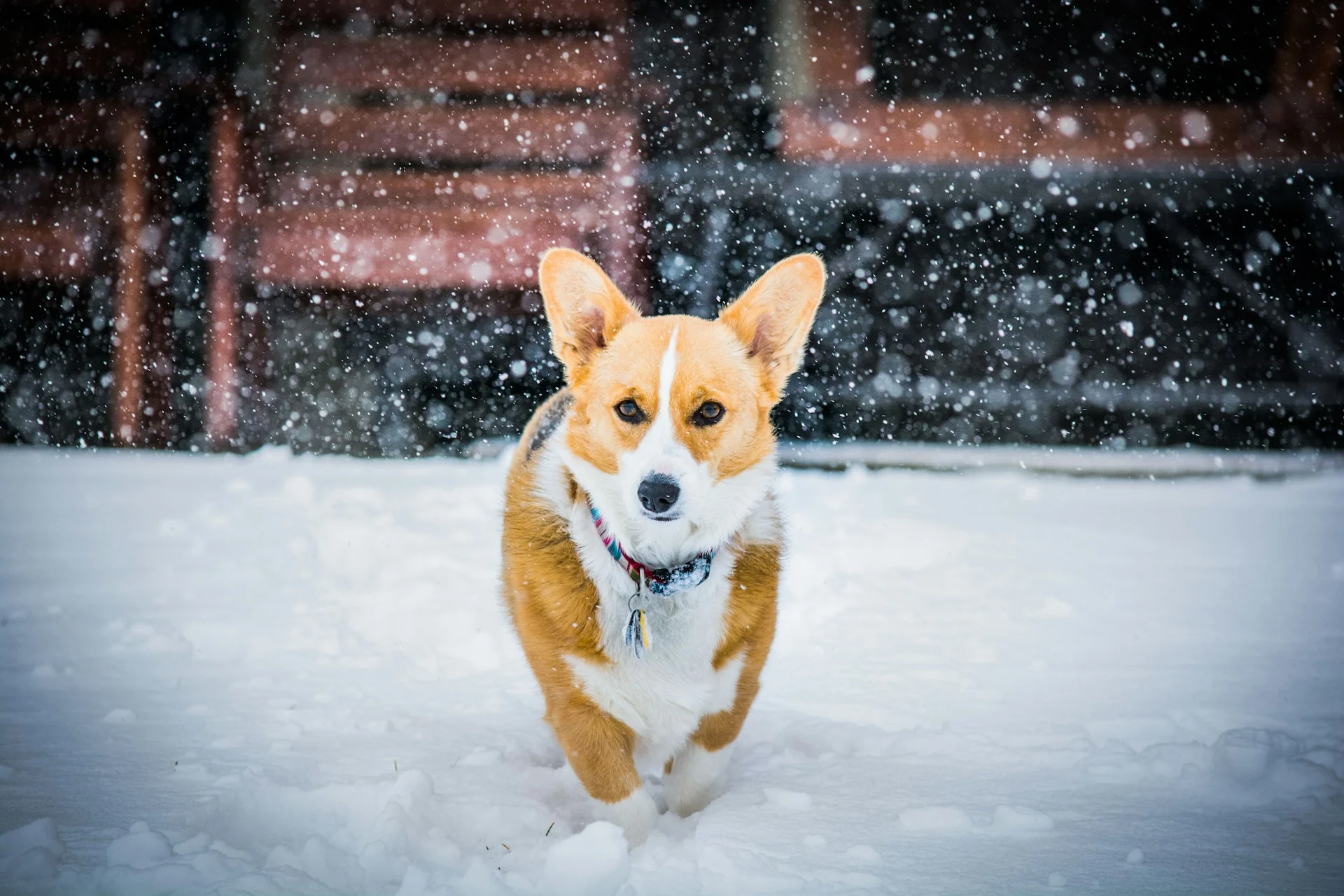
The Pembroke Welsh Corgi is the type most people recognize. These dogs are slightly smaller and often appear to have very short tails or no tail at all. Their ears are large and pointed, and their expressions are bright and alert. Many people associate this breed with British royalty because of their strong connection with Queen Elizabeth II.
Pembrokes tend to have a slightly more outgoing and energetic personality. They are extremely people-oriented and enjoy staying close to their owners.
Cardigan Welsh Corgi
The Cardigan Welsh Corgi is a bit larger and more solidly built. One of the easiest ways to recognize them is their long, fluffy tail. Their ears are also large but slightly more rounded at the tips, and their faces sometimes look a bit more fox-like.
Cardigans are known for being calm, thoughtful, and steady. While they are still playful and energetic, they sometimes appear slightly more reserved compared to Pembrokes.
Many people are surprised to learn that these two breeds were once considered the same. It wasn’t until the early 1930s that kennel clubs officially recognized them as separate breeds.
The Long and Fascinating History of Corgis
Corgis are not a modern invention. Their history goes back more than a thousand years, and their roots trace directly to Wales.
Farmers needed dogs that could manage livestock efficiently without being large enough to intimidate the animals. Corgis turned out to be perfect for this job. Their small size allowed them to move quickly around cattle, sheep, and other farm animals without getting in the way.
Over generations, these dogs became trusted helpers on farms. They helped control herds, move animals between fields, and keep livestock organized during daily farm work.
There is also an old Welsh legend connected to Corgis that people still enjoy sharing. According to folklore, fairies once used Corgis to pull tiny carriages or even ride them like horses. Some people say that the markings on certain Corgis resemble tiny saddles, which helped inspire this magical story.
While it’s only a legend, it adds another layer of charm to an already fascinating breed.
Natural Herding Instincts

One of the most important things to understand about Corgis is that they were bred as working herding dogs. Even if your Corgi lives comfortably inside your home today, those instincts are still very much alive.
When managing cattle, Corgis used a clever technique. Instead of pushing animals with their body, they would nip gently at the heels of the livestock. Once the animal reacted, the Corgi would quickly move out of the way.
Their short height actually made this strategy safer. Because they stayed so low to the ground, it was much harder for cattle to kick them.
You might notice traces of this behavior in everyday life. Some Corgis try to gently guide family members around the house. Others may attempt to herd children during playtime or even follow other pets closely as if they are managing a tiny herd.
While this behavior can be amusing, early training helps make sure it stays gentle and controlled.
Their Unique Body Structure
A Corgi’s body shape is one of its most recognizable features. Their long torso and short legs give them a distinctive appearance that stands out immediately.
This body structure wasn’t created for appearance alone. It serves a real working purpose.
Their low center of gravity allows them to stay stable while moving quickly around livestock. The short legs help them remain close to the ground, which reduces the risk of being kicked by larger animals. Their strong shoulders and muscular body also give them the power needed for quick movement and sudden turns.
Their ears are another important feature. Large upright ears allow them to hear distant sounds and stay alert to their surroundings.
When you combine all these features together, you get a dog that is perfectly designed for speed, agility, and awareness.
Royal Fame and Global Popularity
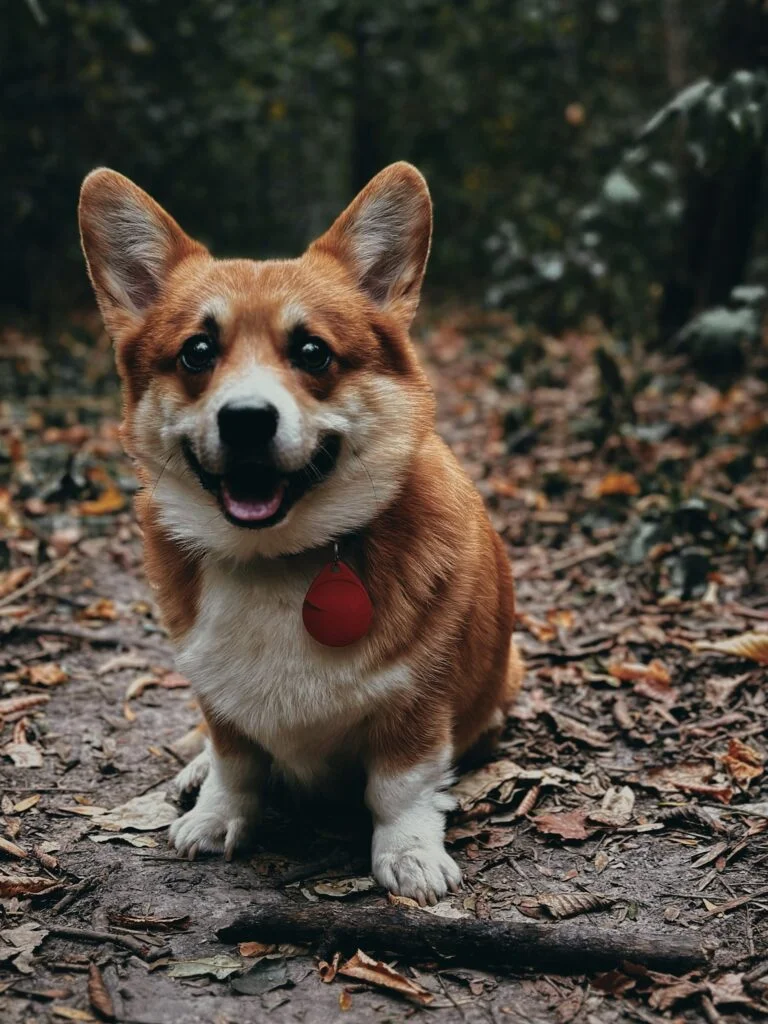
Corgis became internationally famous largely because of Queen Elizabeth II. Her love for the breed played a huge role in making Corgis recognizable around the world.
She received her first Corgi, named Dookie, in 1933. From that moment on, Corgis became a constant presence in her life. Over the decades, she owned more than thirty of them.
Because of this royal connection, Pembroke Welsh Corgis gained enormous popularity. People everywhere began associating the breed with loyalty, elegance, and charm.
Even today, the image of a cheerful Corgi often brings to mind that famous royal companionship.
Athletic Ability That Surprises Many People
At first glance, Corgis may not look like athletes. Their short legs often make people underestimate their physical abilities.
However, once you watch them move, you quickly realize how capable they really are.
Corgis are fast, agile, and energetic. They enjoy activities that challenge both their bodies and their minds. Many of them perform extremely well in dog sports such as agility competitions, obedience trials, and flyball.
Because they were bred to work all day on farms, they naturally have strong stamina. They enjoy running, playing, exploring, and solving problems.
Regular exercise is important for keeping them physically healthy and mentally satisfied.
That Famous Corgi Wiggle
If you’ve ever watched a Corgi walk away from you, you probably noticed their signature wiggle. Their fluffy backside moves side to side in a way that many people find irresistible.
This unique walk, combined with their rounded rump, has made them internet celebrities. Entire social media accounts are dedicated to Corgi photos and videos.
People often share clips of their playful behavior, zoomies around the house, and funny reactions to everyday events.
Their personality shines just as brightly as their appearance.
Shedding and Grooming
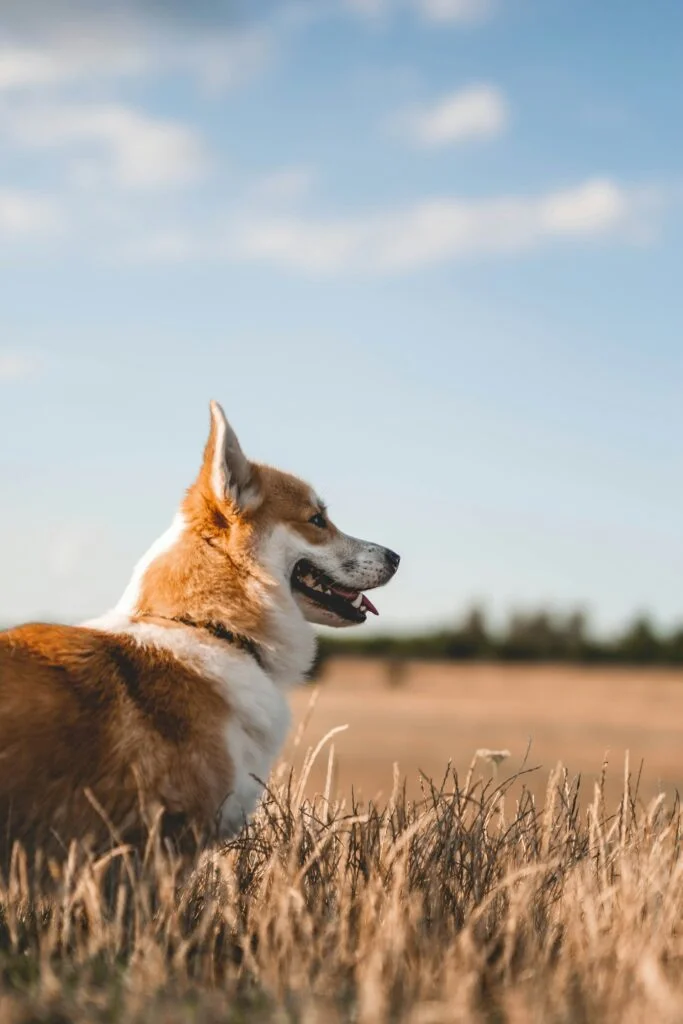
Living with a Corgi means getting used to fur. They have a thick double coat that protects them from different weather conditions.
Because of this coat type, they shed consistently throughout the year and even more heavily during seasonal coat changes.
Brushing several times a week helps remove loose hair and keeps their coat healthy. During heavy shedding seasons, daily brushing may be necessary.
While the shedding can seem like a lot at first, many owners quickly adjust. With regular grooming and vacuuming, it becomes a manageable part of life with a Corgi.
Big Personality in a Small Dog
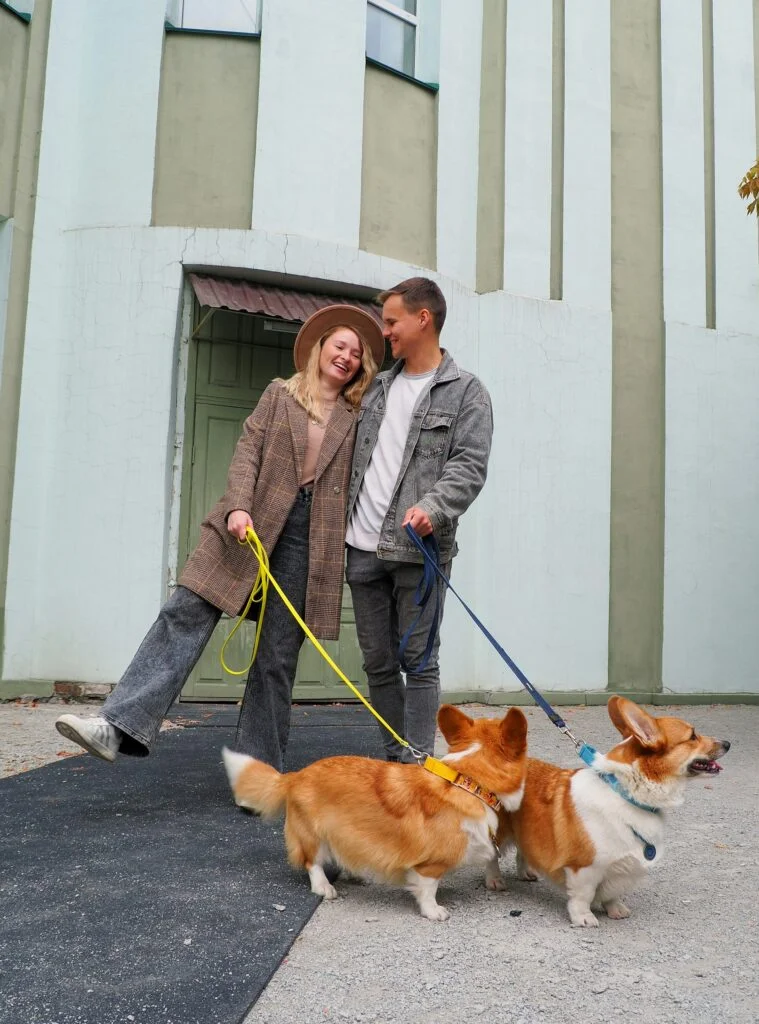
One of the most memorable things about Corgis is their personality. Despite their small size, they often act like confident leaders.
They are curious, expressive, and sometimes a little dramatic. Many owners notice that their Corgi constantly observes everything happening around them.
They like being involved in household activities and often follow their owners from room to room. It’s common for them to supervise cooking in the kitchen, relax nearby while you work, or patiently wait for attention.
Their loyalty and attachment to their people make them wonderful companions.
Living With Children and Families
Corgis are generally excellent family dogs. Their playful nature allows them to connect easily with children, and they often enjoy games and interactive activities.
However, their herding instinct may appear during playtime. Some Corgis try to guide running children by moving around them or gently nudging them.
This behavior usually comes from instinct rather than aggression. With early training and positive experiences, they learn how to interact safely with kids.
Their protective and alert nature also makes them attentive companions for the household.
Intelligence and Trainability
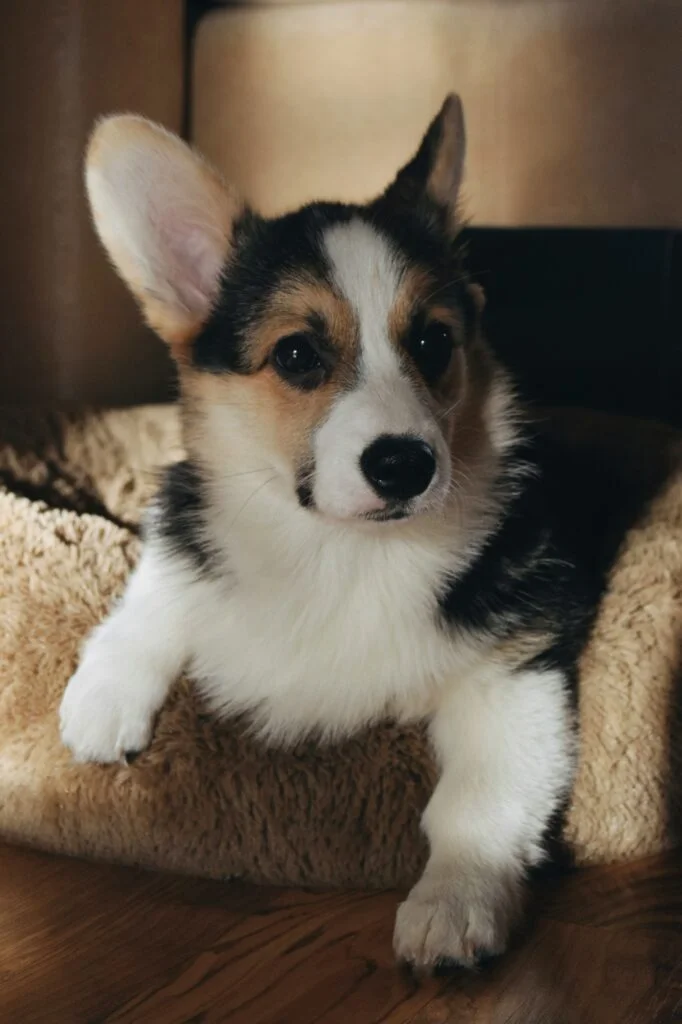
Corgis are highly intelligent dogs. They learn quickly and enjoy tasks that challenge their thinking.
Training sessions often become fun experiences because they respond well to positive reinforcement. They enjoy praise, treats, and interactive learning.
Providing mental stimulation keeps them engaged and prevents boredom. Puzzle toys, new tricks, and training exercises are excellent ways to keep their minds active.
Their intelligence also means they sometimes try to think independently. When training stays consistent and engaging, they usually respond very well.
Barking and Alert Behavior
Corgis are naturally vocal dogs. They tend to bark when they notice unfamiliar sounds, strangers approaching the house, or unusual movement outside.
This alertness makes them surprisingly effective watchdogs. Even though they are small, they take their role of protecting the home seriously.
Proper training helps ensure that barking remains controlled rather than excessive.

Coat Colors and Appearance
Corgis come in several beautiful coat colors, each giving them a slightly different look.
Common coat colors include:
• Red and white
• Sable
• Fawn
• Black and tan
• Blue merle (most commonly seen in Cardigan Corgis)
Their thick coat, bright eyes, and expressive ears combine to create a look that is both charming and distinctive.
Physical Strength and Durability
Despite their small size, Corgis are strong and sturdy dogs. Their muscular build allows them to enjoy outdoor adventures like walks, hikes, and active play.
However, their long spine means owners should be careful about activities that put too much strain on their back.
Jumping from high furniture or repeatedly climbing steep stairs can increase the risk of back injuries. Keeping them at a healthy weight also helps protect their spine and joints.

Grooming and Basic Care
Taking care of a Corgi’s coat is fairly straightforward with a consistent routine.
Basic grooming usually includes:
• Regular brushing to remove loose fur
• Occasional baths when needed
• Nail trimming to keep their paws comfortable
• Ear checks to ensure cleanliness
With proper care, their coat remains soft, healthy, and well-maintained.
The Importance of Routine
Corgis thrive in environments where daily life follows a predictable schedule.
They enjoy knowing when meals, walks, and playtime happen. This sense of routine helps them feel secure and balanced.
Consistent schedules also support training and help prevent stress-related behaviors.
Lifespan and Long-Term Companionship
Corgis typically live between 12 and 15 years. With proper care, regular veterinary visits, and a healthy lifestyle, many enjoy long and happy lives.
During those years, they become deeply connected to their families. Their loyalty, energy, and playful nature make them unforgettable companions.
Living with a Corgi means sharing daily life with a dog that is curious, affectionate, and always ready to bring a little extra excitement into the home.
For many owners, once they experience life with a Corgi, it’s difficult to imagine living without one. These little dogs truly leave a lasting impression on everyone they meet. 🐾