German Shepherds and Dangerous Foods: 8 You Must Avoid
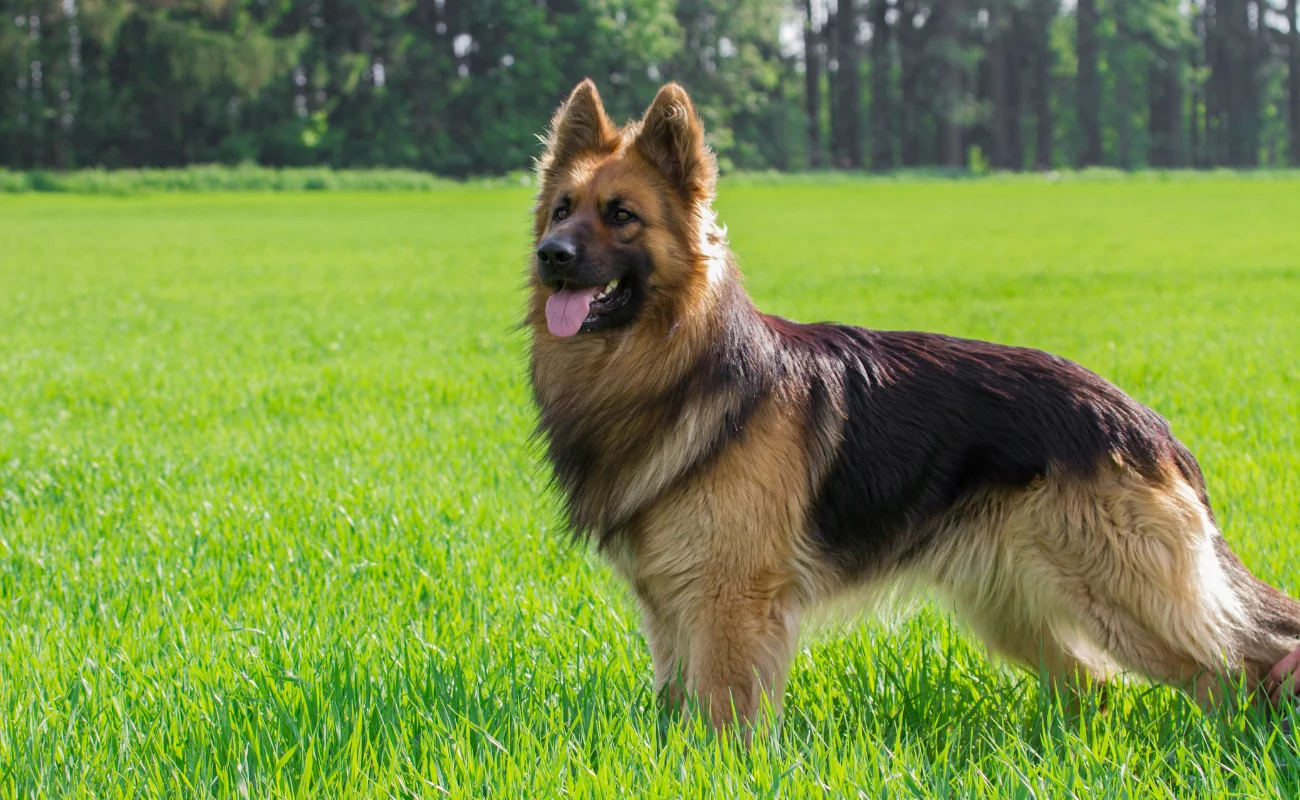
German Shepherds are smart, loyal, and energetic dogs, but even the strongest dogs are vulnerable to certain foods. After many years of living, training, and caring for German Shepherds, I’ve witnessed how simple dietary mistakes can lead to serious health issues, including poisoning, digestive upset, or long-term organ damage.
Save For Later
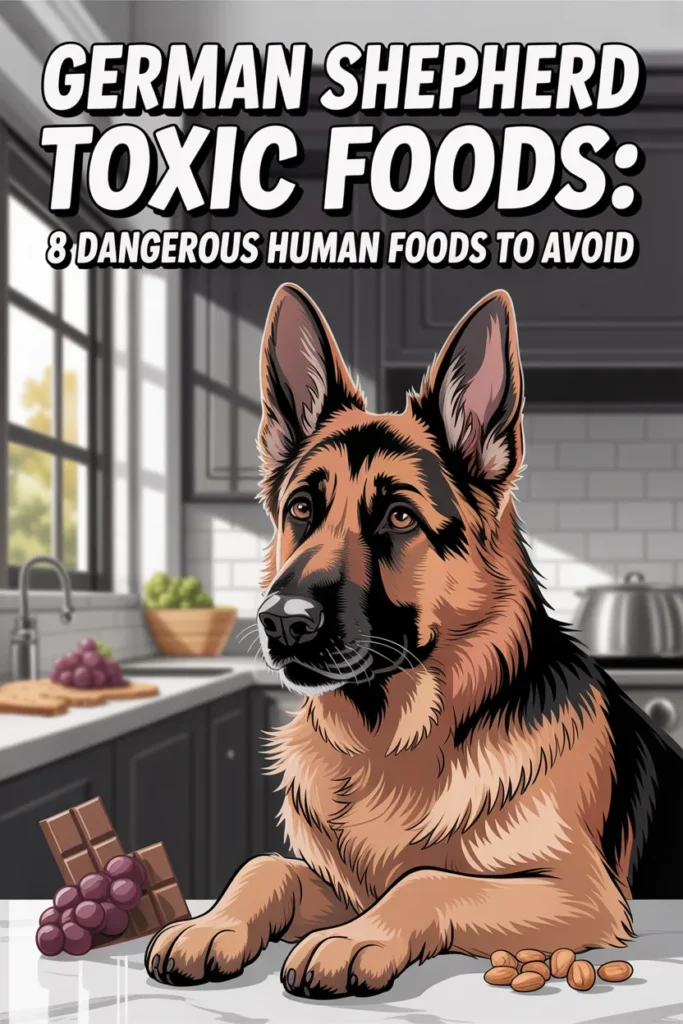
In this guide, I’ll share the most common foods that are dangerous, explain why they’re harmful, and give practical tips for keeping your dog safe and healthy.
Key Takeaways
- I’ve handled food-related emergencies in German Shepherds firsthand.
- Small amounts of certain human foods can trigger kidney failure, anemia, or seizures.
- Ingredient awareness and prevention are crucial to dog health.
- Always consult a veterinarian when unsure about a food.
Keep Your German Shepherd Away From These 8 Foods
1. Grapes and Raisins

Even a few grapes or raisins can cause sudden kidney failure in German Shepherds. I’ve seen dogs vomit, become lethargic, and lose appetite within hours after eating them. Research shows there’s no safe dose, and the toxic compound is still unknown. Immediate veterinary attention is vital if ingestion occurs.
2. Chocolate

Chocolate contains theobromine, which dogs can’t process efficiently. German Shepherds who eat chocolate may vomit, have diarrhea, tremors, a rapid heartbeat, or seizures. Dark and baking chocolates are especially dangerous. Toxicology data indicates as little as 20 mg of theobromine per kilogram of body weight can trigger symptoms.
3. Onions and Garlic
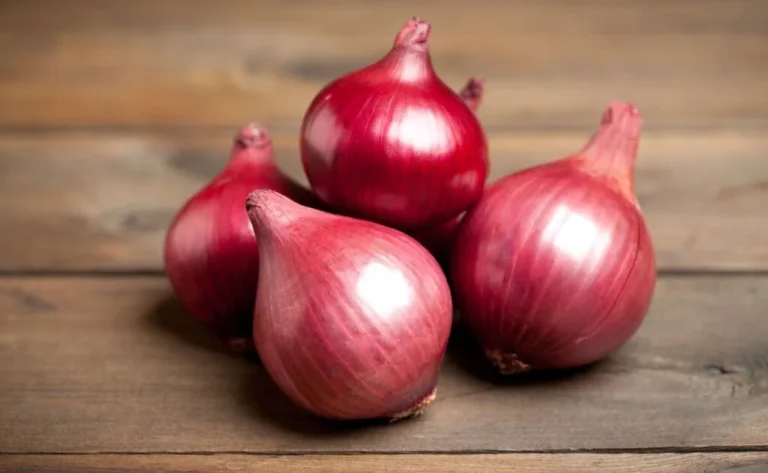
These contain thiosulfates that harm red blood cells, leading to anemia. I’ve treated dogs who became weak and breathless after eating small amounts of onion or garlic in table scraps. All forms—raw, cooked, powdered, or dehydrated—can accumulate toxicity over time, so avoidance is best.
4. Macadamia Nuts
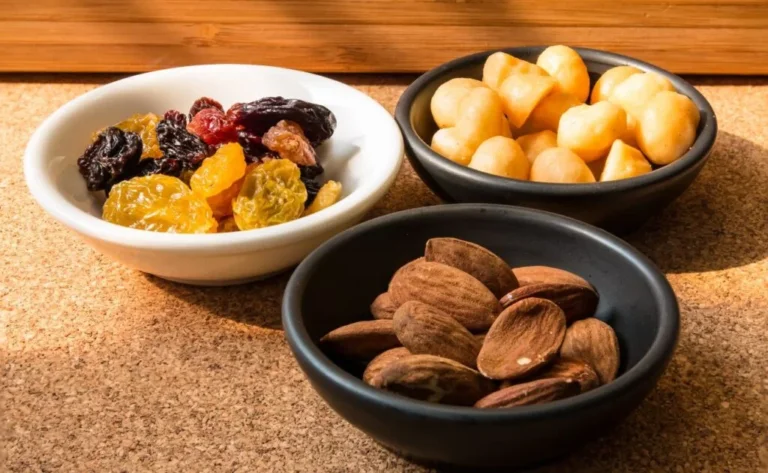
Macadamia nuts are extremely toxic for dogs. Ingesting even a few can cause tremors, vomiting, weakness, fever, and depression within 12 hours. While the specific toxin is unknown, I always advise German Shepherd owners to treat these nuts as completely off-limits.
5. Avocado
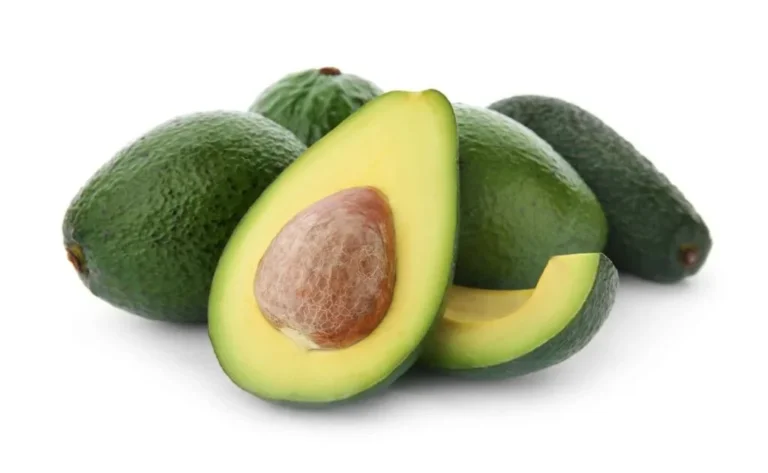
Avocado contains persin, which can trigger vomiting, diarrhea, and heart issues in sensitive dogs. German Shepherds often have delicate digestion, so I avoid it entirely. The pit is also a choking and intestinal blockage hazard, which may require surgery.
6. Alcohol

Alcohol causes ethanol poisoning. Even tiny amounts can result in vomiting, loss of coordination, slowed breathing, coma, or death. Size doesn’t protect large dogs like German Shepherds, so fermented foods, drinks, and desserts must always be out of reach.
Related Posts:
- 9 Foods That Poodles Should Avoid
- 10 Foods That Siberian Huskies Should Avoid
- 7 Foods That French Bulldogs Should Avoid
Pro Tip: Always keep alcohol and fermented foods completely out of reach—German Shepherds can get poisoned even from tiny amounts.
7. Xylitol
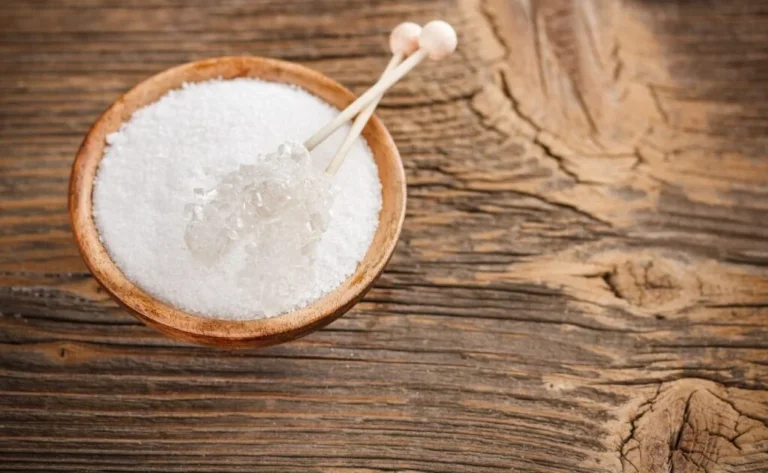
Xylitol is one of the most dangerous substances I’ve seen in dog care. It can cause rapid insulin spikes, leading to hypoglycemia, seizures, liver failure, and sometimes death within 30 minutes. It’s commonly found in sugar-free gum, candy, peanut butter, toothpaste, and baked goods. Always read labels carefully.
8. Raw Fish
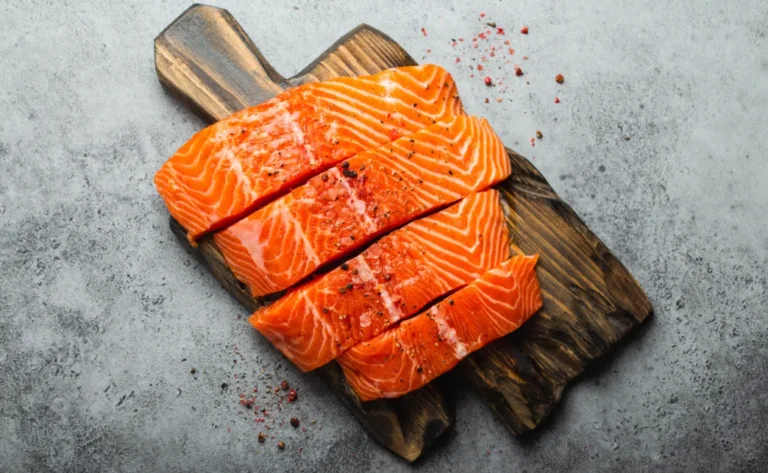
Raw fish can carry parasites and harmful bacteria like salmonella and listeria. I’ve treated dogs who developed severe gastrointestinal infections after eating raw fish scraps. Cooked fish is safer, offering high-quality protein and omega-3s to support joints, muscles, and coat health.
Recommended Foods for German Shepherds
A balanced diet rich in animal protein, healthy fats, and essential vitamins is crucial. Adult German Shepherds do well on diets with 22–26% protein, while active or working dogs may require more. Foods I’ve found particularly beneficial include:
- Carrots, apples (without seeds), and spinach
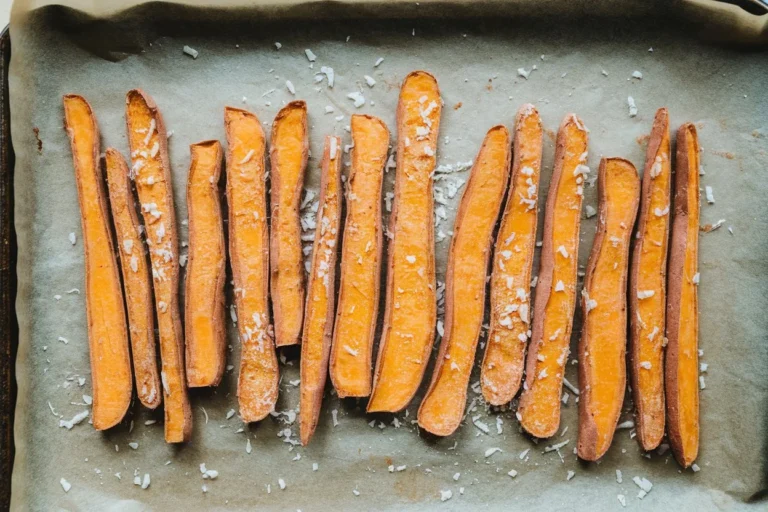
- Blueberries and sweet potatoes
- Lean meats and eggs
These support digestion, coat quality, muscle maintenance, and overall health.
FAQ
Q: Can German Shepherds eat dairy products?
A: Many are lactose intolerant. Offer sparingly and watch for digestive upset.
Q: Are bones safe?
A: Raw bones can help dental health. Cooked bones should be avoided due to splintering.
Q: Is peanut butter safe?
A: Plain peanut butter without xylitol is fine in moderation.
Q: Can they eat grains?
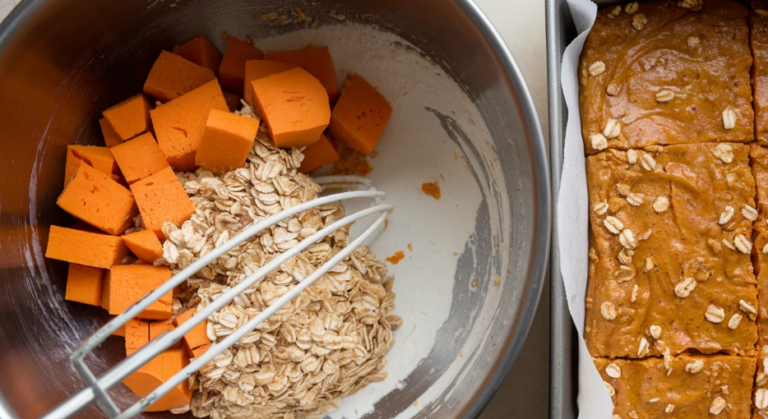
A: Many tolerate rice, oats, and similar grains, though some may have sensitivities.
Q: Are carrots and eggs good?
A: Carrots support dental health, eggs provide excellent protein when cooked.
Final Thoughts
After decades of experience with German Shepherds, I can confidently say that avoiding these toxic foods prevents emergencies and keeps dogs energetic and healthy. Diet directly impacts longevity, behavior, and quality of life. When in doubt, always consult a veterinarian before introducing new foods. With careful choices, you can ensure your German Shepherd lives a long, safe, and happy life.
All content on this site is written and reviewed by our experienced team to ensure it is accurate, reliable, and helpful for our readers. Our Our Process page explains how we carefully research and create high-quality content, while our Team page introduces the professionals behind our work. We also provide clear guidelines for content or image concerns on our Image Removal page, so you can trust that we prioritize transparency, quality, and reader safety.