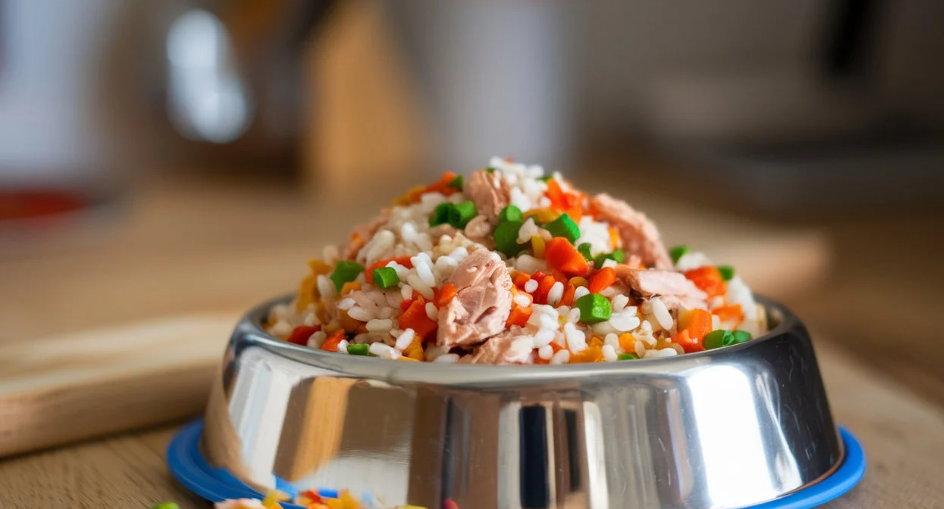
Easy Freezable Chicken & Veggie Dog Food Recipe
Life doesn’t always slow down, but that shouldn’t mean your dog ends up eating poorly or relying on overly processed food. I’ve been there—busy days, packed schedules, and still wanting to do right by my dog. That’s exactly why freezable homemade dog food has become such a game changer. It lets you prepare nourishing meals ahead of time, store them safely, and serve them whenever life gets hectic without compromising your dog’s health.
Homemade dog food isn’t about being fancy or complicated. It’s about control—knowing exactly what goes into your dog’s bowl and making sure every bite supports their energy, digestion, and overall wellbeing.
Why Freezable Dog Food Makes So Much Sense
Freezing homemade dog food isn’t just convenient—it’s practical. When you cook in batches, you save time, reduce daily stress, and avoid last-minute feeding decisions that often lead to poor food choices. I’ve found that having ready-to-serve portions in the freezer gives real peace of mind, especially on days when cooking simply isn’t an option.
Freezing also preserves freshness and nutrients far better than leaving cooked food in the fridge for several days. Properly stored meals stay safe, flavorful, and nutritious for weeks, making this approach ideal for busy dog parents.
Simple, Dog-Safe Ingredients That Work Together
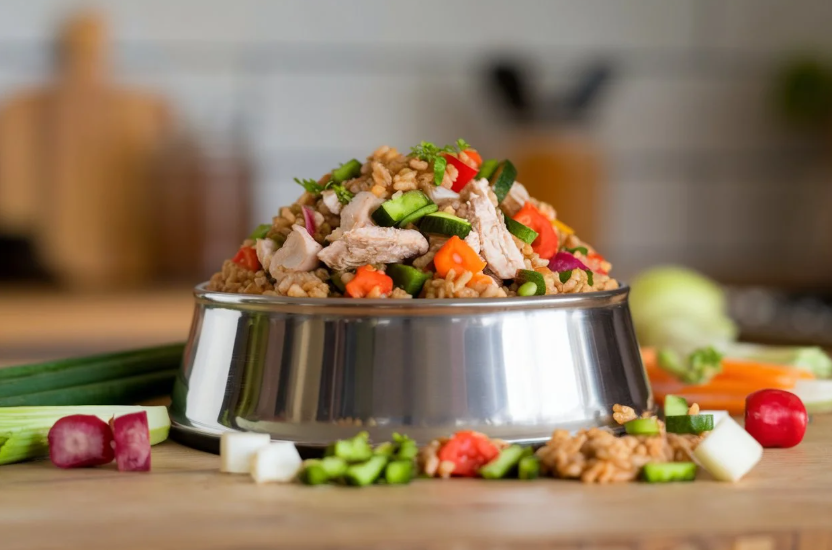
Lean Chicken as a Protein Base
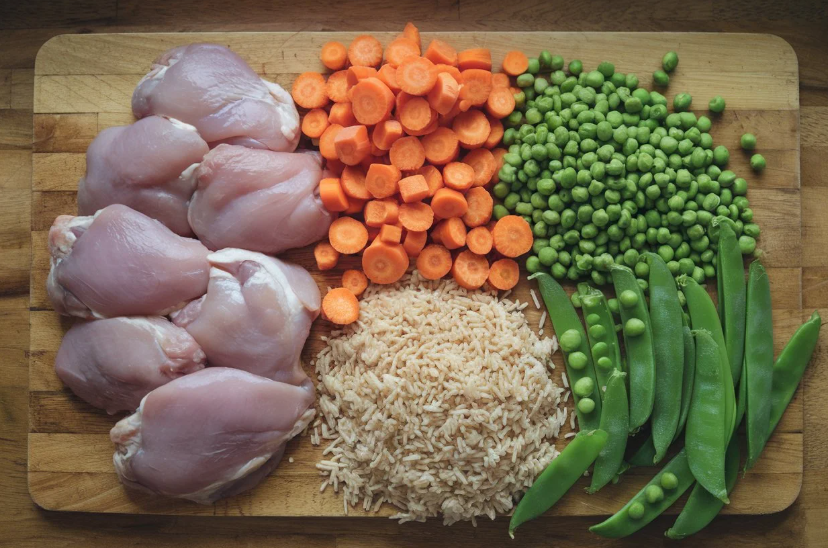
Chicken is one of the easiest proteins for dogs to digest. It’s gentle on the stomach, packed with essential amino acids, and widely tolerated—even by dogs with sensitive digestion. Using boneless, skinless cuts keeps the meal clean and avoids unnecessary fats or hazards.
Brown Rice for Sustained Energy
Brown rice adds fiber and slow-release carbohydrates, helping dogs stay full and energized without sudden blood sugar spikes. I’ve noticed it works especially well for active dogs and those that need steady fuel throughout the day.
Vegetables That Support Overall Health
Carrots and peas bring natural vitamins, minerals, and antioxidants into the bowl. They support immune health, digestion, and even vision, while adding texture and color dogs often enjoy. Using frozen vegetables makes preparation quicker without sacrificing nutritional value.
Healthy Fats for Skin and Coat
A small amount of olive oil can make a noticeable difference. It helps keep food moist after freezing and supports skin health, coat shine, and nutrient absorption. You don’t need much—just enough to balance the meal.
How to Prepare the Food Safely and Effectively
Cooking the Chicken Thoroughly
Start by gently cooking the chicken until it’s fully done and tender. Whether you prefer stovetop cooking or a pressure cooker, the goal is simple: fully cooked meat that shreds easily. Keeping the cooking liquid is important—it becomes a natural broth that adds flavor and moisture later.
Preparing the Rice and Vegetables
Cook the brown rice until soft but not mushy. Steam fresh vegetables lightly or rely on frozen ones, which soften naturally when mixed into warm ingredients. Everything should be easy for your dog to chew and digest.
Shredding and Mixing
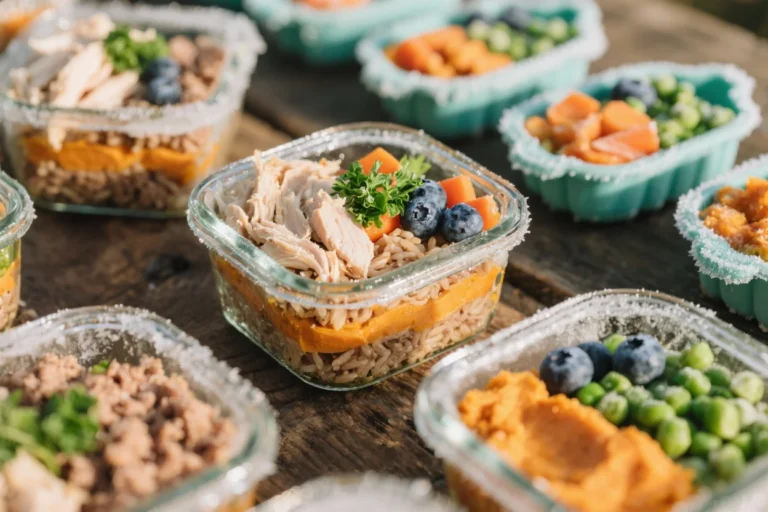
Once cooked, shred the chicken into bite-sized pieces. Combine it with the rice and vegetables, then add a small amount of olive oil. If the mixture feels dry, stir in some reserved broth until it reaches a moist, spoonable consistency.
Freezing and Storing for Long-Term Use
Before freezing, let the food cool completely. This prevents condensation and freezer burn. Portion the food into containers or silicone molds based on your dog’s meal size. Labeling containers with dates helps you stay organized and ensures you always serve fresh food.
When stored properly in airtight containers, these meals hold up beautifully in the freezer and maintain both texture and flavor.
Serving the Food the Right Way
When it’s time to serve, thaw the food slowly in the refrigerator or gently warm it if needed. Always check the temperature before serving—dogs should never eat hot food. I like to stir it well after thawing to distribute moisture evenly.
How Much to Feed Your Dog
Portion size depends on your dog’s size, age, activity level, and overall health. A common starting point is about half to one cup per ten pounds of body weight per day, split into two meals. Every dog is different, so observing energy levels, weight, and digestion helps fine-tune portions over time.
Customizing the Recipe for Your Dog
One of the best things about this approach is flexibility. You can swap vegetables, adjust protein amounts, or modify textures depending on your dog’s needs. Some dogs prefer more meat, others do better with extra fiber. Paying attention to how your dog responds helps you create meals that truly work for them.
Conclusion of Freezable Chicken & Veggie Dog Food Recipe
What makes this method sustainable isn’t just nutrition—it’s simplicity. You’re not cooking every day, you’re not guessing what’s in your dog’s food, and you’re not relying on fillers or preservatives. Over time, many owners notice better digestion, healthier coats, and more consistent energy levels.
Once you get into the rhythm of batch cooking and freezing, feeding your dog well becomes effortless—even on your busiest days.