5 Genius Dog Training Hacks Every Pet Owner Needs to Know
5 Genius Dog Training Hacks Every Pet Owner Should Know
Training your dog doesn’t have to feel like pulling teeth. With the right techniques, a little patience, and some clever strategies, you can turn your dog into a well-behaved companion—without losing your sanity.
Here are five essential dog training hacks that will make your sessions smoother, more enjoyable, and highly effective.
1. Use High-Value Treats
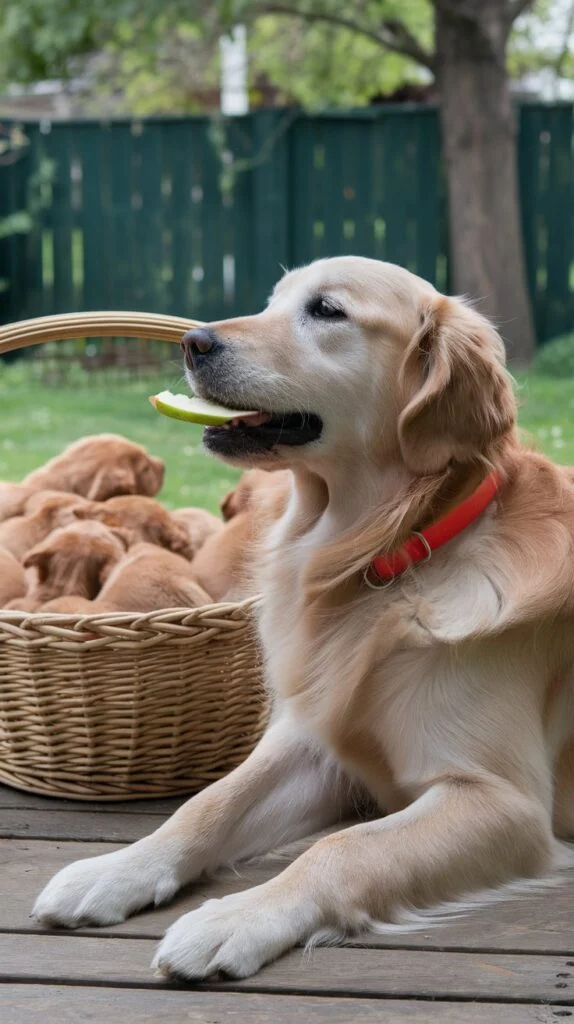
Not all treats are created equal. High-value treats are those that your dog absolutely cannot resist.
Think small pieces of chicken, cheese, or special dog training treats—things they don’t get every day. These rewards make a huge difference in keeping your dog focused during training.
Why it works: Dogs are naturally motivated by rewards they find irresistible. High-value treats grab their attention and reinforce good behavior faster than ordinary kibble.
How to do it: Keep a stash of these treats in a pocket or treat pouch. Use them exclusively for training so they maintain their “special” status. Reward your dog immediately after they perform the desired behavior to strengthen the connection between action and reward.
2. Clicker Training
Clicker training is a precise way to communicate with your dog using a small device that makes a clicking sound.
The click marks the exact moment your dog performs the correct behavior, followed by a treat. This clear signal helps your dog understand exactly what is being rewarded.
Why it works: The click is distinct and consistent, so your dog quickly learns to associate it with a positive reward. This makes training faster and more efficient.
How to do it: Start by “charging” the clicker—click and immediately treat several times until your dog associates the click with a reward. Then, use the clicker to mark the exact moment your dog performs the desired behavior, and follow up instantly with a treat.
3. Short, Frequent Training Sessions
Long training sessions can be overwhelming for both you and your dog. Short, frequent sessions are far more effective.
Why it works: Dogs, especially puppies, have short attention spans. Brief sessions keep them engaged without causing boredom or frustration, making learning more effective.
How to do it: Aim for 5-10 minute sessions several times a day. Focus on one command per session, allowing your dog to master skills in small, manageable chunks. Repetition and consistency reinforce behaviors over time.
4. Use Positive Reinforcement
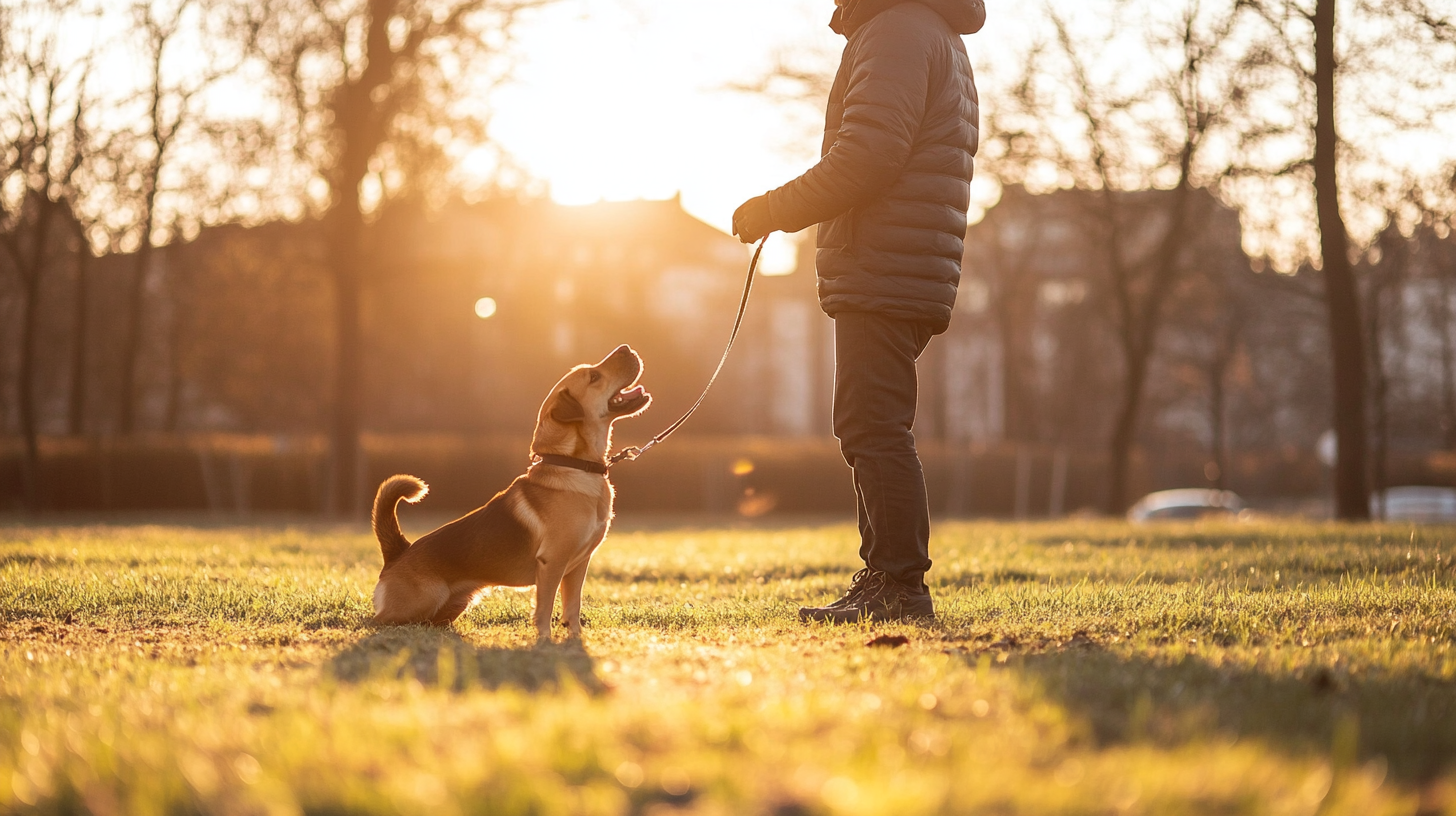
Positive reinforcement means rewarding your dog for doing the right thing rather than punishing mistakes. Rewards can include treats, toys, playtime, or enthusiastic praise.
Why it works: Dogs respond better to encouragement than to fear. Positive reinforcement strengthens your bond and motivates your dog to repeat desirable behaviors.
How to do it: Reward your dog immediately after performing the correct action. Be enthusiastic with your praise, offer a treat or toy, and avoid scolding or punishment. Positive energy and consistency make training enjoyable and effective.
5. Create a Distraction-Free Environment
Dogs can be easily distracted by noises, sights, and smells. A quiet training space helps them focus and learn faster.
Why it works: Minimizing distractions allows your dog to concentrate on the training task. Once they reliably perform a behavior in a calm environment, you can gradually introduce distractions to proof their training.
How to do it: Begin in a quiet room with minimal activity. As your dog masters commands, slowly increase distractions—move to the backyard, then to a park—while ensuring they remain focused and responsive.
Bonus Tips for Successful Training
Consistency Is Key
Make sure everyone in the household uses the same commands and rewards. Mixed signals confuse dogs and slow learning.
How to do it: Agree on a set of commands and use them consistently. Reward the desired behaviors uniformly, and redirect or ignore unwanted behaviors in the same way every time.
Patience and Positivity
Training takes time, and progress may be gradual. Celebrate small wins and maintain a positive attitude, even when your dog struggles with a command.
How to do it: Break complex behaviors into smaller steps, reward incremental progress, and stay calm. A relaxed and upbeat trainer encourages a confident, willing learner.
Know Your Dog’s Limits
Every dog learns at a different pace. Pay attention to your dog’s signals and adjust training accordingly. Pushing too hard can cause frustration or setbacks.
How to do it: Observe your dog’s behavior and body language. If they appear stressed, take a break and try again later. Modify tasks based on your dog’s progress and comfort level.
FAQs About Dog Training
Q: How often should I train my dog?
A: Short, frequent sessions of 5-10 minutes several times a day work best.
Q: What treats are ideal for training?
A: High-value treats like small pieces of chicken, cheese, or special dog training treats. Keep them small to avoid overfeeding.
Q: Can older dogs learn these techniques?
A: Absolutely! Patience, consistency, and positive reinforcement work for dogs of all ages.
Q: How do I handle distractions during training?
A: Start in a quiet environment, and gradually add distractions as your dog masters commands.
Q: What if my dog isn’t responding?
A: Simplify the task, reduce distractions, or use higher-value treats. Sometimes minor adjustments make a big difference.
Final Thoughts
Dog training doesn’t have to be stressful. By using high-value treats, clicker training, short sessions, positive reinforcement, and distraction-free environments, you can train your dog effectively while strengthening your bond.
With patience, consistency, and a positive attitude, you’ll see remarkable improvements in your dog’s behavior. Training is a journey, and every small victory is worth celebrating. Happy training!