Grain Free Chicken Dog Food Recipe Your Pup Will Beg For (And You’ll Feel Like a Kitchen Legend)
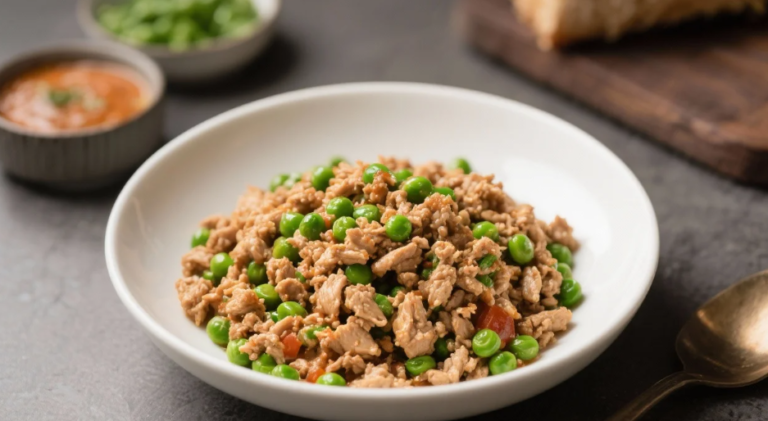
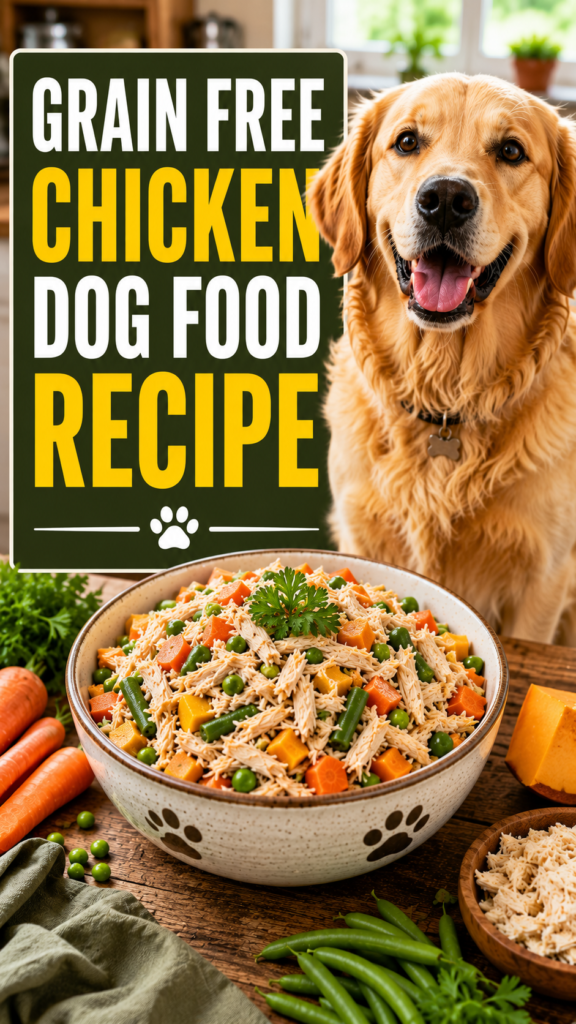
If you’re searching for a Grain Free Chicken Dog Food Recipe, you’ve come to the right place. After preparing homemade meals for my own dogs for many years, I’ve seen how fresh ingredients can make a noticeable difference. Their coats looked healthier, they stayed active throughout the day, and mealtime quickly became their favorite part of the routine.
I like making this recipe because it uses simple, wholesome ingredients without adding grains or unnecessary fillers. It’s easy to prepare, budget-friendly, and flexible enough to fit different dogs’ needs. Every time I set the bowl down, my dogs finish every bite, which tells me this recipe is one they truly enjoy.
Save For later
Key Takeaways
- Grain-free recipes may be a good option for dogs with certain food sensitivities.
- Chicken is an excellent lean protein that helps support healthy muscles.
- Homemade meals should include a proper calcium source and balanced nutrients.
- Feeding the right amount based on your dog’s ideal weight helps maintain good health.
- Preparing meals in batches saves time and makes daily feeding much easier.
Pro Tip
One habit that has worked well for me is weighing each meal before freezing it into individual portions. It keeps feeding consistent and prevents accidental overfeeding. I also rotate vegetables every few batches so my dogs enjoy a wider variety of nutrients. Whenever I introduce a new ingredient, I mix it in gradually over several days to avoid upsetting their stomachs. Always let the food cool completely before storing it, and label each container with the preparation date. Small preparation steps like these have made homemade feeding much easier and more reliable for me.
Other Posts
- Homemade Dog Food with Grain Recipes
- Chicken and Rice Muffins for Dogs
- Chicken Rice Dog Food Recipe
What Makes This Special
This recipe is built from real food I’ve handled, cooked, and fed to dogs for years—not mystery powders or cheap fillers. When dogs struggle with itching, loose stools, or dull coats, grains and overprocessed ingredients are often part of the problem.
By skipping grains, we reduce common irritants while still providing steady energy through fibrous vegetables. The protein supports lean muscle mass, the fats support brain and skin health, and the vegetables feed the gut.
What really sets this recipe apart is flexibility. I can adjust fat for weight management, calories for working dogs, and fiber for digestive support—all while knowing exactly what’s in the bowl. In my experience, dogs eating balanced homemade food often show improved coat shine and stool quality within 4–6 weeks.
Shopping List – Ingredients
2 lbs boneless, skinless chicken thighs
1 lb chicken breast
1 cup chopped carrots
1 cup chopped green beans
1 cup diced zucchini
1 cup plain pumpkin puree
2 cups cauliflower rice
2 tbsp olive oil or salmon oil
1/2 tsp turmeric (optional)
1/4 tsp ground ginger (optional)
3 cups low-sodium chicken broth (onion-free)
Calcium source: 1 tsp finely ground eggshell powder per pound of food or a vet-approved calcium supplement
Canine multivitamin/mineral supplement (vet-formulated, grain-free)
From a nutritional standpoint, chicken supplies all essential amino acids, while pumpkin and cauliflower contribute soluble fiber that supports gut motility. Omega fats are critical for skin barrier function—something I pay close attention to after years of grooming dogs with dry, flaky coats.
Step-by-Step Instructions
Prep the protein
Trim excess fat and cut chicken into ½-inch pieces. Smaller pieces cook evenly and are easier for dogs to chew.
Start the sauté
Heat 1 tbsp oil in a large pot over medium heat. Add chicken and cook until lightly opaque on the outside, about 5–7 minutes.
Add veggies
Stir in carrots, green beans, and zucchini. Cook for 2–3 minutes.
Hydrate and simmer
Pour in chicken broth. Add cauliflower rice and pumpkin puree. Reduce heat, cover, and simmer 12–15 minutes until chicken is fully cooked and vegetables are tender.
Season (dog-style)
Add turmeric and ginger if using. These may help support inflammation and digestion, but always keep quantities conservative.
Cool and fortify
Remove from heat and allow to cool until just warm. Stir in remaining oil, calcium source, and multivitamin. Heat degrades nutrients—this step matters.
Portion like a pro
Divide into containers based on your dog’s size and needs. Label with the date.
Feeding note
A common guideline is 2–3% of a dog’s ideal body weight per day. A 30 lb dog typically eats 9–14 oz daily, split into two meals. I always adjust based on activity level, age, and body condition.
Preservation Guide
Fridge
Store in airtight containers for up to 4 days.
Freezer
Freeze portions for 2–3 months. Flatten bags for quicker thawing.
Thawing
Thaw overnight in the fridge or under cool running water.
Reheating
Warm gently on the stove with water or broth. Add supplements after reheating.
Serve slightly warm, never hot.
Nutritional Perks
High-quality protein
Supports lean muscle and tissue repair. Active dogs often maintain better body composition on protein-forward diets.
Grain-free carbs
Pumpkin and cauliflower provide fiber without triggering grain sensitivities.
Healthy fats
Omega-3 and omega-9 fats support coat shine, joints, and cognitive health.
Micronutrients
Carrots and zucchini provide antioxidants and vitamins A and C. Turmeric and ginger may support inflammation and digestion.
Balanced minerals
Calcium is essential when feeding boneless meat. Chronic calcium deficiency can impact bone density and nerve signaling.
Homemade diets must be balanced over time. Without added calcium and micronutrients, deficiencies can develop—even if the food looks healthy.
Don’t Make These Errors
Skipping calcium
This is the most common homemade-diet mistake I see.
Using toxic ingredients
No onions, garlic, chives, grapes, raisins, chocolate, xylitol, or high-sodium broths.
Overcooking to mush
Texture affects digestion and palatability.
Never adjusting portions
Monitor weight, stool quality, coat condition, and energy every 1–2 weeks.
Forgetting hydration
Fresh water should always be available.
Adding supplements too early
Heat destroys vitamins. Always add them last.
Recipe Variations
Low-fat version
Use all chicken breast and reduce oil to 1 tbsp.
Joint support
Add vet-approved glucosamine/chondroitin after cooling.
Sensitive tummy
Swap zucchini for peeled sweet potato and skip spices.
Allergy pivot
Use turkey or lean pork if chicken is not tolerated.
Extra fiber
Add 1 tbsp ground flaxseed per 2 cups of food after cooling.
Bone-in option (advanced)
Pressure cook chicken with bones until soft and blend thoroughly. Only for experienced cooks.
FAQ
How much should I feed my dog daily?
Start at 2–3% of ideal body weight per day. Adjust based on activity and body condition.
Is grain-free always better?
Not always. It helps many dogs with sensitivities, but ingredient quality matters more than grain-free labels.
Do I need to add supplements?
Yes. Boneless homemade diets require calcium and a canine multivitamin for long-term balance.
Can I use a slow cooker?
Yes. Cook on low 4–5 hours. Add supplements after cooling.
What if my dog is picky?
Warm slightly, add salmon oil, or mix in plain kefir or goat’s milk.
How do I transition from kibble?
Gradually over 7–10 days. Sudden switches cause digestive upset.
Can I batch cook for a month?
Yes. Freeze portions and rotate oldest first.
Is this safe for puppies?
This recipe can work with vet-guided adjustments to calcium, phosphorus, and calories. Always confirm with your vet for growth-stage dogs.
Wrapping Up
This Grain Free Chicken Dog Food Recipe is simple, clean, and performance-driven. After decades of feeding dogs at every life stage, I trust meals like this because I can control the inputs and see the outputs—energy, healthy digestion, strong coats, and genuine enthusiasm at the bowl.
Batch it, freeze it, and adapt it to your dog’s lifestyle. When done correctly and properly supplemented, this approach outperforms most store-bought options without the ingredient guesswork.
And yes—your dog will lick the bowl. Probably twice.
All content on this site is written and reviewed by our experienced team to ensure it is accurate, reliable, and helpful for our readers. Our Our Process page explains how we carefully research and create high-quality content, while our Team page introduces the professionals behind our work. We also provide clear guidelines for content or image concerns on our Image Removal page, so you can trust that we prioritize transparency, quality, and reader safety.