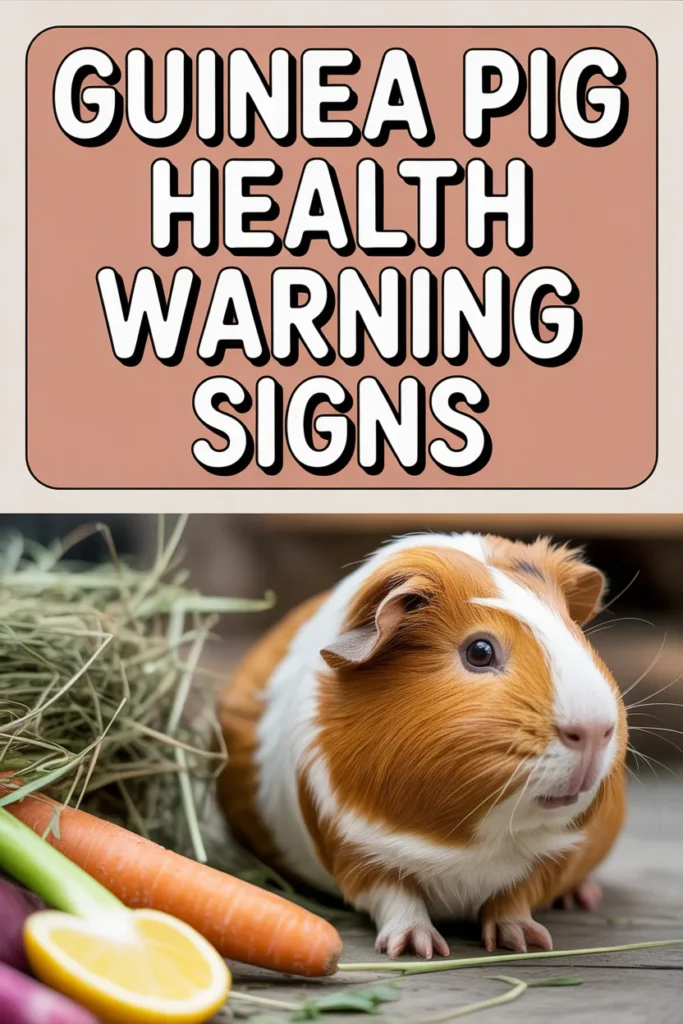
Guinea Pig Health Warning: 8 Symptoms You Should Never Ignore
So, you love your guinea pig. That’s probably the reason you’re here. Anyone who shares their home with these little fluff balls knows how quickly they become part of the family. But there’s one thing many new guinea pig owners don’t realize right away — guinea pigs are incredibly good at hiding illness.
Save For Later
In the wild, showing weakness makes small animals easy targets for predators. Because of that natural instinct, guinea pigs often act normal even when something is wrong. They might still nibble on hay, sit quietly, or behave like everything is fine while their health is actually declining.
That’s why paying attention to small changes in behavior is so important. If you notice unusual signs early, you can take action before a minor issue turns into a serious health problem.
Why Do We Call It the “Universe”? And More Word Origins
Disclosure: This simply means the website may earn a small commission from certain purchases, but it does not affect the price you pay.
1. Loss of Appetite – When Your Piggy Says “No Thanks” to Food
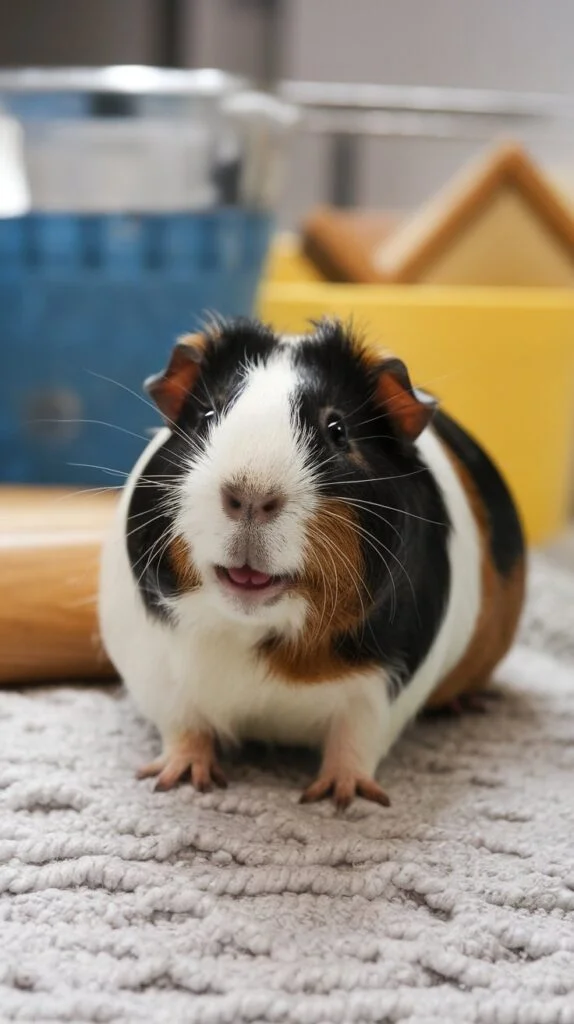
Guinea pigs are natural grazers. A healthy guinea pig will spend a large portion of the day eating hay, vegetables, and pellets. When that routine suddenly changes, it’s often one of the first signs that something is wrong.
If your guinea pig stops eating or only picks at food, it should never be ignored.
Common reasons a guinea pig may stop eating include
• Dental problems such as overgrown teeth
• Digestive issues like gut stasis
• Pain or infection
• Stress or illness
Because guinea pigs rely on constant digestion, going too long without food can quickly become dangerous.
What you should do
• Check if your guinea pig is chewing normally
• Make sure fresh hay and water are available
• Observe whether they try to eat but struggle
• Contact a vet if they refuse food for around 12 hours
A guinea pig that stops eating needs attention quickly.
2. Weird Poop – Because Yes, You Should Be Checking That
It might sound unpleasant, but guinea pig droppings tell you a lot about their health. Healthy droppings are firm, oval shaped, and fairly consistent.
If the droppings suddenly change in appearance, it often signals a problem.
Signs to watch for
• Very small and dry droppings
• Soft or mushy poop
• Diarrhea or watery stool
• A sudden decrease in droppings
• No droppings at all
Possible causes include
• Dehydration
• Too many sugary vegetables or treats
• Stress or environmental change
• Parasites or digestive problems
Checking droppings daily is one of the easiest ways to monitor your guinea pig’s health.
3. Labored Breathing – Sniffly Pigs Are Not Cute, They’re Sick
Guinea pigs normally breathe quietly. You shouldn’t hear clicking, wheezing, or heavy breathing sounds.
When breathing becomes noisy or difficult, it may indicate a respiratory problem, which is very common in guinea pigs.
Symptoms to watch for
• Wheezing or clicking sounds
• Sneezing frequently
• Nasal discharge
• Breathing through the mouth
• Reduced activity along with breathing changes
Possible causes include
• Respiratory infections
• Dusty bedding
• Poor cage ventilation
• Strong scents or cleaning chemicals
Respiratory issues can worsen quickly, so early veterinary care is very important.
4. Weight Loss – When Your Piggy Starts Looking Too Thin
Weight changes are one of the most reliable indicators of guinea pig health. Many experienced owners weigh their guinea pigs weekly because weight loss often appears before other symptoms.
A noticeable drop in weight usually means something is wrong.
Possible causes include
• Dental problems preventing proper chewing
• Parasites affecting nutrient absorption
• Chronic illness
• Reduced food intake
Helpful tip for owners
Using a simple kitchen scale once a week can help track your guinea pig’s weight. If your guinea pig loses more than about 10% of their body weight, it should be taken seriously.
5. Lethargy – When Your Piggy Stops Being Active
Guinea pigs are not extremely energetic animals, but they should still be curious and alert. Most guinea pigs enjoy exploring their cage, interacting with their owners, and reacting to food time.
When a guinea pig becomes unusually inactive, it can signal discomfort or illness.
Signs of lethargy include
• Sitting in one spot for long periods
• Lack of interest in food
• Not reacting to sounds or movement
• Sleeping more than usual
Possible reasons
• Pain or injury
• Low blood sugar
• Infection or illness
• Stress or environmental problems
If your normally active guinea pig suddenly becomes very quiet and inactive, it’s best to investigate the cause.
6. Odd Noises – Understanding Guinea Pig Sounds
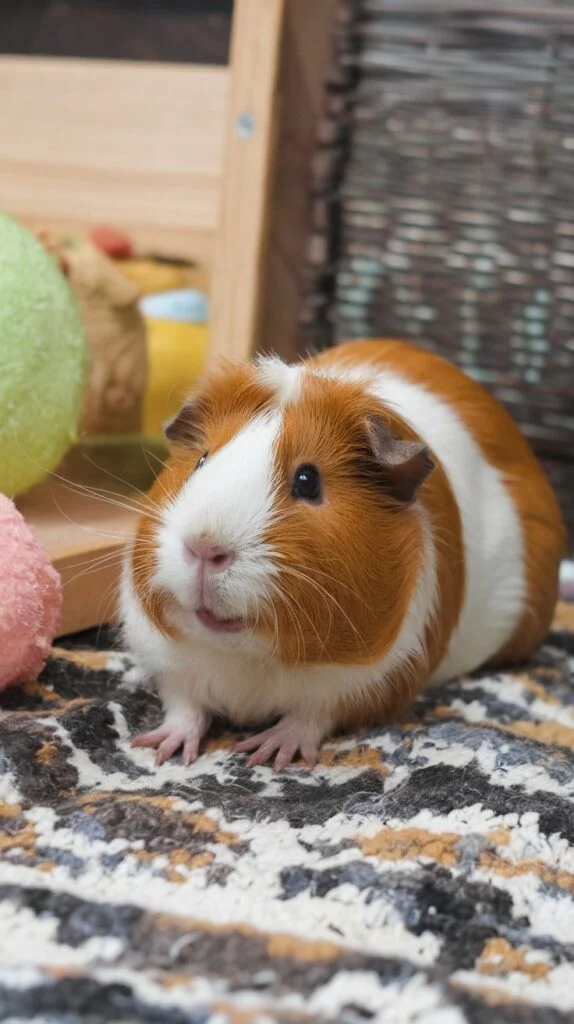
Guinea pigs are very vocal animals. Many owners become familiar with their different sounds, from happy wheeks at feeding time to gentle purring when they feel relaxed.
However, certain sounds may indicate discomfort.
Sounds that may signal a problem
• Loud, sharp squeals that suggest pain
• Wheezing or clicking noises when breathing
• Constant teeth chattering
• Unusual sounds paired with inactivity
When a guinea pig begins making sounds that are very different from their usual communication, it may be their way of signaling that something feels wrong.
7. Bald Spots or Itchy Skin – Skin Problems in Guinea Pigs
Healthy guinea pigs typically have thick, smooth fur and calm skin. When hair loss or intense scratching appears, it may indicate a skin condition.
Common symptoms include
• Bald patches
• Red or irritated skin
• Frequent scratching
• Scabs or flaky skin
Possible causes
• Skin mites
• Fungal infections such as ringworm
• Allergic reactions to bedding
• Sensitivity to certain foods
Skin conditions can worsen if untreated, so getting a proper diagnosis is important.
8. Drooling – When Saliva Becomes a Warning Sign
Drooling is not a normal behavior in guinea pigs. When you notice wet fur around the mouth or chin, it usually points to dental issues.
Common causes include
• Overgrown or misaligned teeth
• Mouth infections
• Pain while chewing food
Because guinea pig teeth grow continuously, dental problems can develop if their teeth do not wear down properly through chewing hay and fibrous foods.
A drooling guinea pig should have its teeth examined as soon as possible.
Final Thoughts of Guinea Pig Health Warning
Guinea pigs may be small, but their health needs careful attention. Because they instinctively hide illness, small changes in behavior can be very important warning signs.
Simple habits can help protect your guinea pig’s health
• Observe their eating habits daily
• Check droppings regularly
• Weigh them once a week
• Watch for changes in activity or breathing
• Seek veterinary advice when something seems unusual