
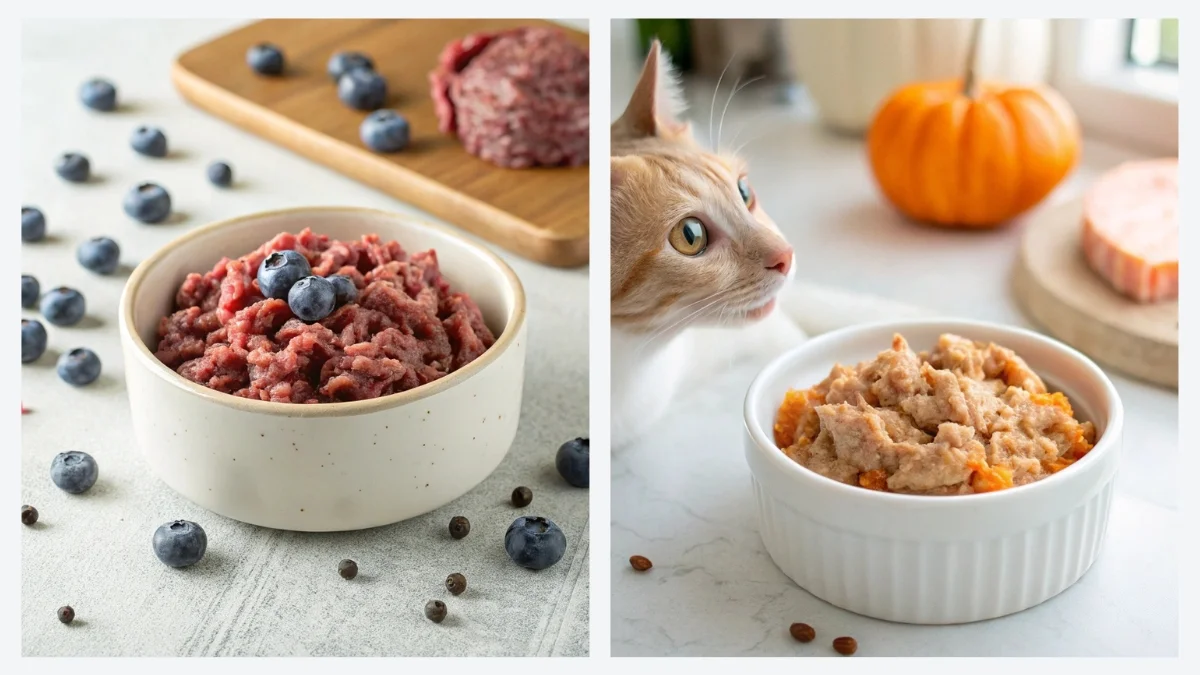
5 Yummy High-Protein Cat Food Recipes for Active Cats
I created this guide to help cat owners like me feed highly active cats with better nutrition than standard kibble. In my experience, energetic cats need more protein, taurine, and healthy fats to maintain stamina, muscle strength, and coat health.
Here I share 5 homemade high-protein cat food recipes based on real ingredients like chicken, turkey, beef, salmon, sardines, spinach, pumpkin, and blueberries. Each recipe is structured for batch cooking, freezing, and easy daily feeding.
I also include portion control, storage safety, and vet-aligned feeding guidance so you can safely switch from store food to homemade meals without confusion.
Key Takeaways
- I use real animal protein + organ meat for complete nutrition
- Each recipe supports energy, digestion, immunity, and coat health
- I rely on batch prep + freezing for 1–2 months convenience
- Safe handling and portion control (50–65g) is essential
- Recipes are flexible for kittens, adults, and multi-cat homes
#1. High-Protein Raw Cat Food Recipe for Active Cats: A Pet Parent’s Journey
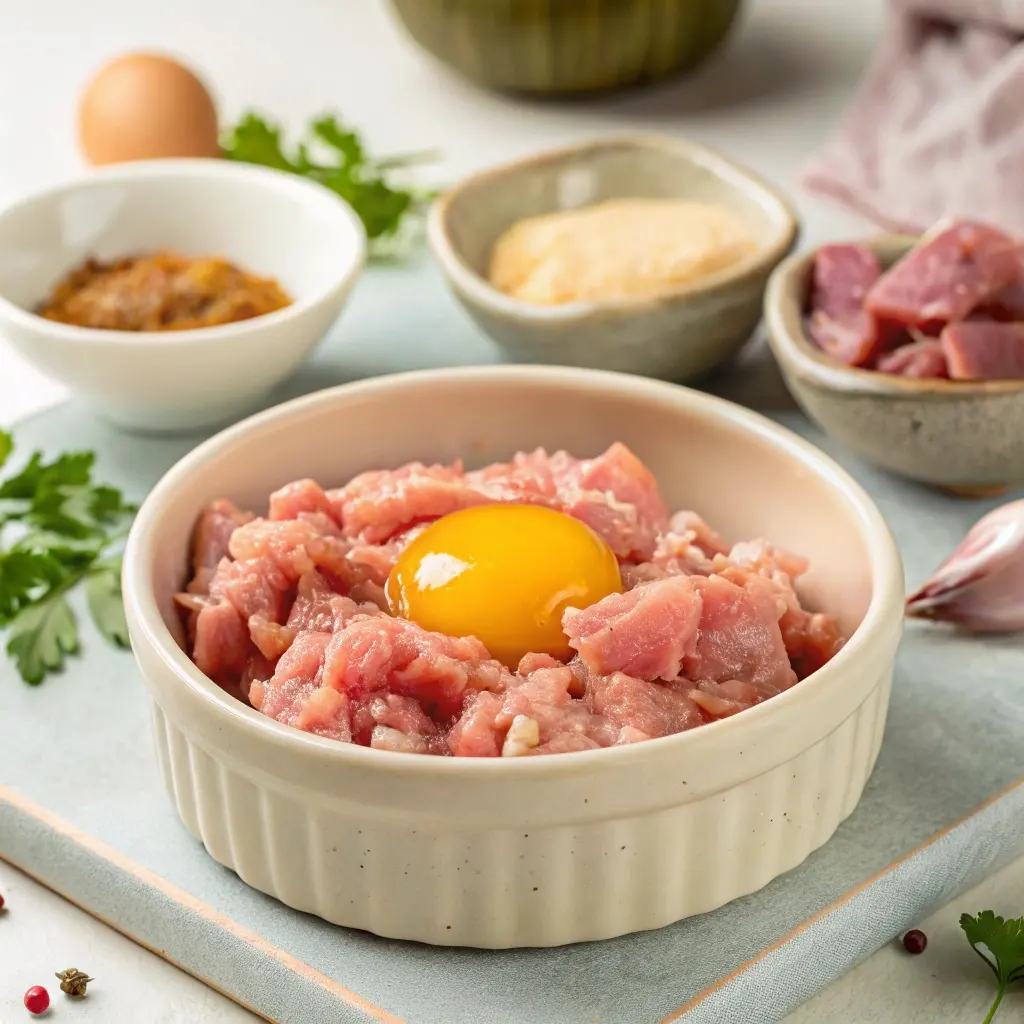
Recipe Overview
I developed this raw recipe for cats that burn energy quickly throughout the day. My focus was to create a complete meal that mimics a natural feline diet using raw meat, organs, and essential fats. This recipe is especially useful for active adult cats that need consistent fuel for muscle activity and recovery.
What makes this recipe stand out is its simplicity. It does not require cooking, only proper chopping, mixing, and portioning. I usually prepare a large batch once a week and store it in the freezer so feeding becomes effortless during busy days.
Why You’ll Love This Recipe (Pet Parent Perspective)
From my experience, the biggest benefit of this recipe is cost control. Buying meat in bulk and preparing it at home is often more affordable than premium raw cat food brands. It also gives complete control over ingredients, which means no fillers, no preservatives, and no hidden additives.
Another advantage is storage convenience. Once portioned and frozen, it stays usable for weeks. I also found it useful for training since small pieces can be used as high-value rewards. In multi-cat households, scaling the recipe is simple and efficient.
Essential Information Block
This recipe takes around 15 to 30 minutes to prepare. Since it is a raw recipe, there is no cooking time involved. I typically get about 18 meals from one batch, with each portion weighing around 55 grams.
Once frozen, it lasts for several months. After thawing, it should be consumed within one to two days. I always store it in airtight freezer-safe containers or bags to maintain freshness and safety.
Ingredients Section: Main Components
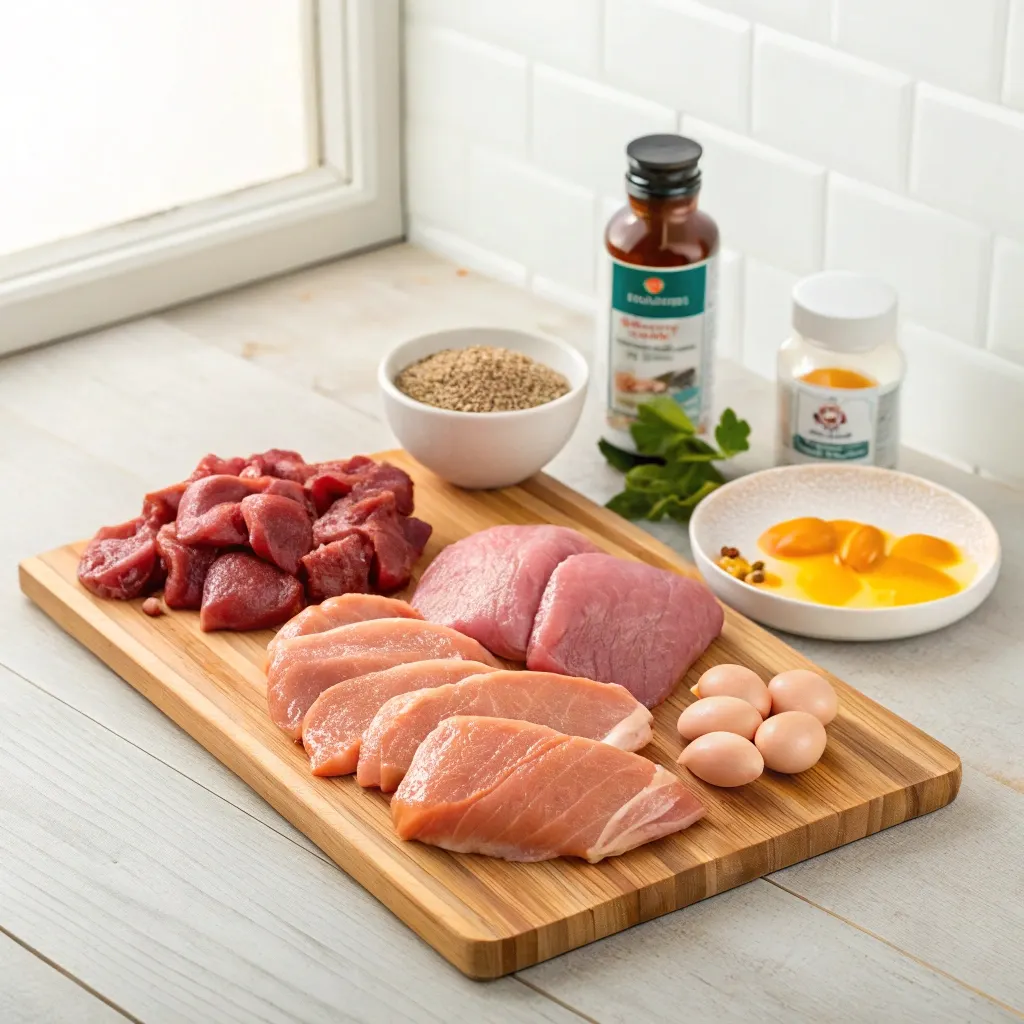
I use a combination of boneless chicken or turkey as the primary protein source. To this, I add heart, liver, and kidney because they provide essential nutrients like taurine, iron, and vitamin A that support heart and eye health in cats.
For fat balance and coat health, I include salmon oil capsules. I also add finely ground eggshell powder for calcium support, along with a vet-approved vitamin mix to ensure nutritional completeness. Finally, I include an egg yolk to improve texture and nutrient density.
Each ingredient plays a specific role in keeping active cats strong, energetic, and healthy.
Expert Tips (Before Instructions)
Over time, I’ve learned that preparation quality directly affects acceptance. I always chop meat into small, even pieces to avoid choking risks and improve texture consistency. I also make sure all supplements are measured carefully because imbalance can affect long-term health.
Freezing immediately after preparation is another critical step I never skip. It helps preserve freshness and reduces bacterial risks. I also recommend observing your cat’s reaction during the first few servings to adjust texture or portion size if needed.
Instructions
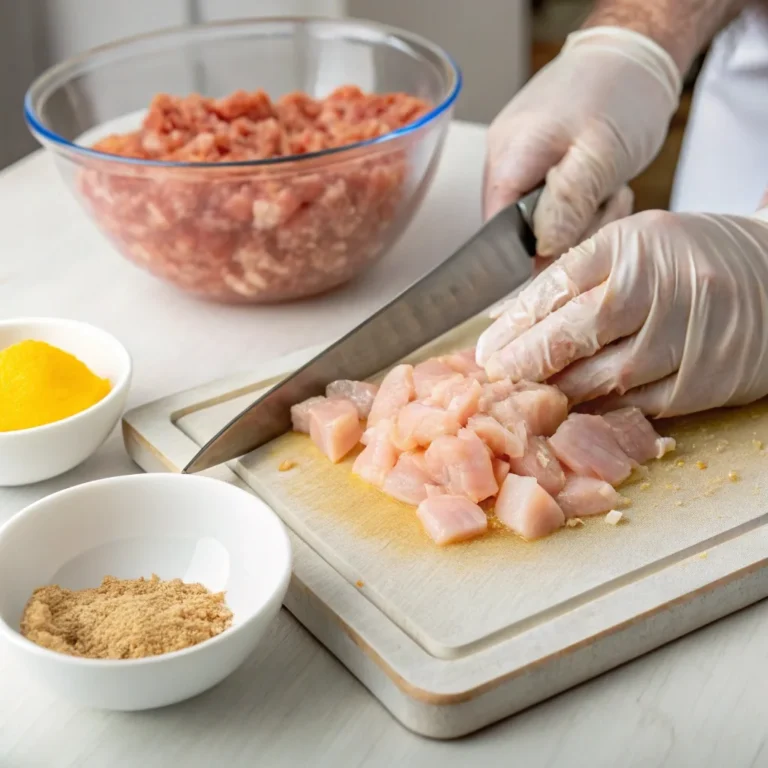
To prepare this recipe, I start by cutting all meat and organ components into small, bite-sized pieces. Then I mix in salmon oil and egg yolk until evenly distributed.
Next, I add calcium powder and vitamin supplements and mix thoroughly to ensure balance in every portion. After that, I divide the mixture into equal 55-gram servings and place them into freezer-safe containers.
Finally, I freeze them immediately. When feeding, I thaw portions in the refrigerator for about 12 hours or use warm water for quicker defrosting.
Variations and Substitutions
I often adjust this recipe based on availability or dietary needs. Chicken can be replaced with turkey, lamb, or rabbit. For cats that prefer smoother textures, blending the mixture works well.
I also adjust portion sizes depending on the cat’s weight and activity level. For kittens or smaller breeds, I reduce serving size, while larger active cats may need slightly more.
Pro Tips and Success Secrets
From my routine, batch preparation is the biggest time saver. I usually prepare multiple days’ worth of meals at once. I also label every frozen pack with dates to track freshness easily.
Using a kitchen scale improves accuracy and ensures consistent nutrition. I also recommend consulting a vet before making major dietary changes, especially when switching protein sources.
Serving Guidelines
For most adult cats, I feed around 55 grams twice daily. Highly active cats may require slightly higher portions, while smaller cats need less.
I sometimes use small frozen cubes of this recipe as training rewards. It helps reinforce behavior while maintaining nutrition balance.
Safety Considerations
Safety is something I take very seriously when handling raw food. I always maintain strict hygiene, clean all tools immediately after use, and store raw meat properly.
I avoid all toxic ingredients such as onion, garlic, and seasoning. I also introduce this diet gradually over several days to avoid digestive upset. Cats with health conditions should only transition under veterinary guidance.
#2. High-Protein Chicken & Sardine Cat Feast: A Pet Parent’s Adventure
Recipe Overview
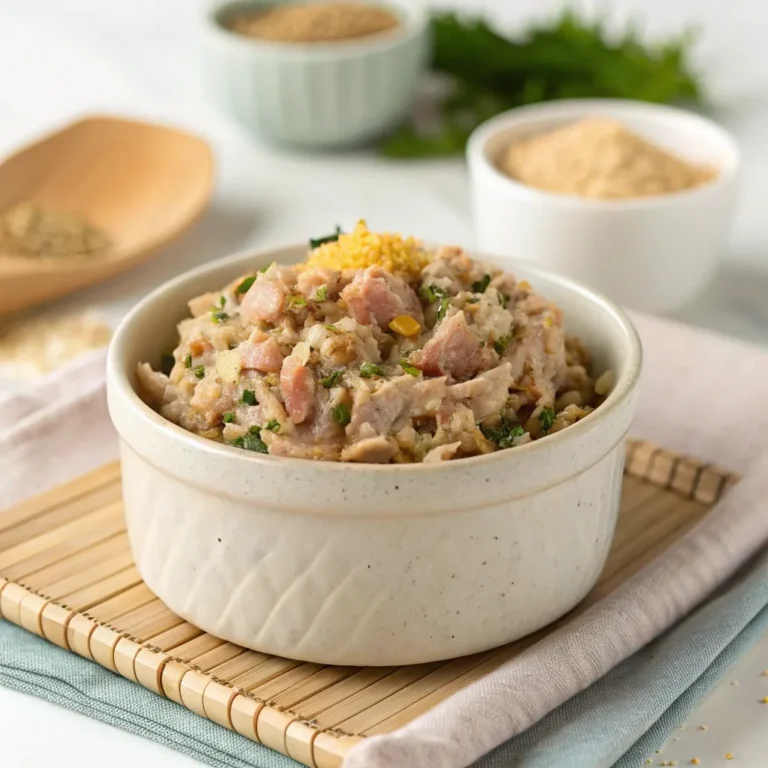
This recipe came from a real problem I faced—my cat refusing plain chicken meals. When I added sardines, everything changed. The strong aroma and added omega-3 content significantly improved appetite and energy levels.
I combine chicken, sardines, and organ meat to create a nutrient-dense meal that supports both muscle health and coat condition. I prepare it in batches and freeze it for convenience.
Why You’ll Love This Recipe
This recipe is cost-effective compared to commercial raw diets and highly effective for picky eaters. Sardines naturally increase palatability, which helps cats eat more consistently.
It also supports brain function, skin health, and energy metabolism due to high omega-3 content. Storage is simple, and preparation is beginner-friendly.
Essential Information Block
Preparation takes about 20 to 35 minutes, with no cooking required. A single batch yields approximately 16 meals of 60 grams each. It can be frozen for several months.
Ingredients Section
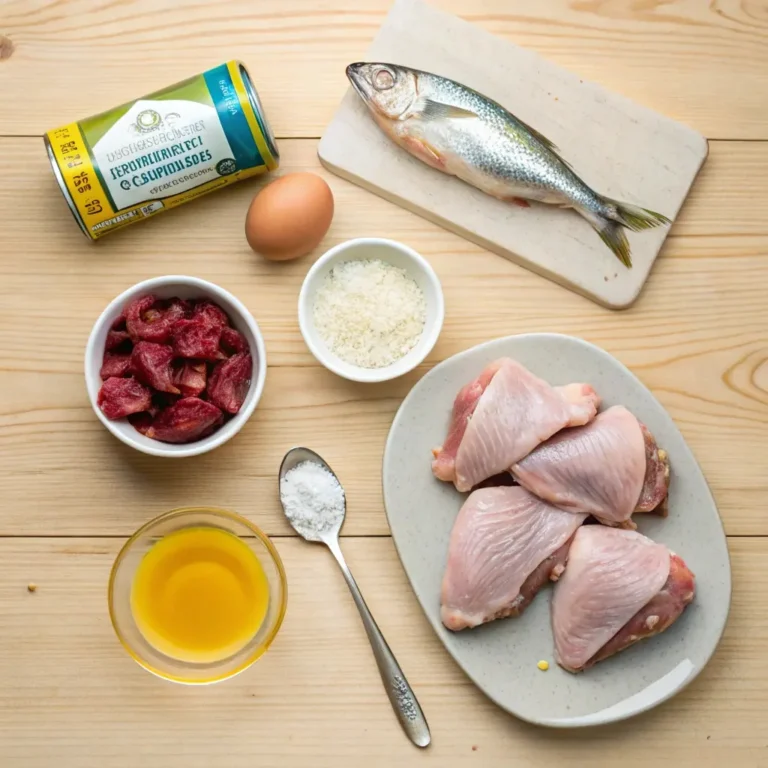
I use chicken as the base protein, combined with sardines packed in water. I also include chicken heart for taurine support, salmon oil for fats, egg yolk for texture, and calcium plus vitamin supplements for balance.
Expert Tips
I always ensure sardines are unsalted and fully drained. I also avoid overusing fish in weekly rotation to prevent excessive fat intake. Even chopping improves digestion and acceptance.
Instructions
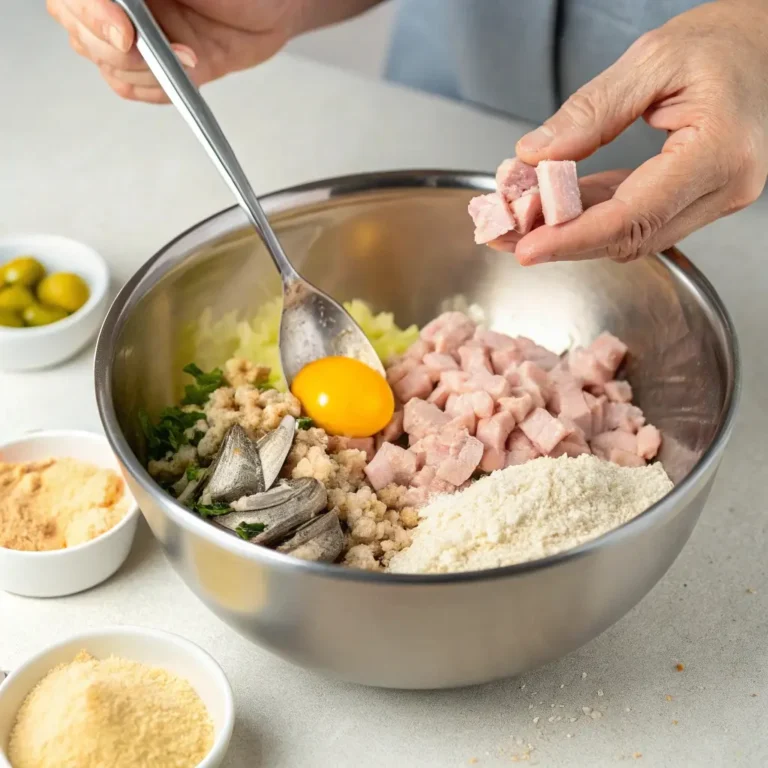
I chop chicken and organ meat, mix in sardines and egg yolk, add supplements, and portion into equal servings before freezing immediately.
Variations and Substitutions
Turkey can replace chicken if needed. The texture can be blended for older cats or picky eaters. Portion sizes can also be adjusted based on body size.
Pro Tips
I rotate fish-based meals only a few times per week. Fresh meat always produces better acceptance and digestion outcomes.
Serving Guidelines
Most cats do well with 60 grams twice daily, but I adjust based on activity level and body weight.
Safety Considerations
I avoid processed fish and ensure proper hygiene. I also monitor for fish allergies when introducing this recipe.
#3. High-Protein Turkey & Pumpkin Power Meal: A Pet Parent’s Triumph
Recipe Overview
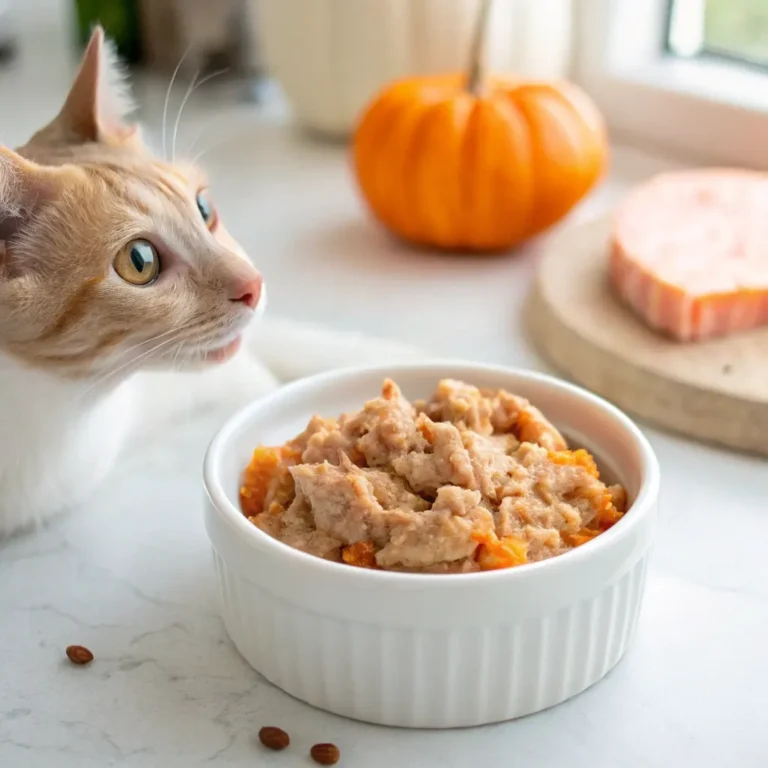
I created this recipe when I noticed that some cats, especially active ones, don’t just need protein—they also need digestive balance to fully utilize that protein. This is where turkey and pumpkin work very well together.
Turkey is a lean, highly digestible protein that supports muscle development without adding unnecessary fat. Pumpkin, on the other hand, helps regulate digestion and stool consistency. When I combined these two ingredients, I noticed a clear improvement in energy stability and gut health in cats that previously had irregular digestion.
This recipe is also very practical because it is easy to prepare in bulk and store without losing quality.
Why You’ll Love This Recipe (Pet Parent Perspective)
From my experience, this recipe is especially helpful for cats with sensitive stomachs or inconsistent digestion. It provides steady energy without heaviness, which is important for active cats that need sustained stamina throughout the day.
Another benefit I noticed is affordability. Turkey is often cheaper than beef or fish-based proteins, making this a budget-friendly option for long-term feeding.
It also reduces digestive stress, which means fewer litter box issues and better nutrient absorption overall.
Essential Information Block
I usually prepare this recipe in about 20 to 30 minutes without any cooking. One batch gives me around 15 meals, each portion weighing approximately 60 grams.
It freezes well for several months and remains fresh for up to two days after thawing if kept refrigerated. I always store it in sealed freezer-safe containers to preserve texture and prevent contamination.
Ingredients Section: Main Components
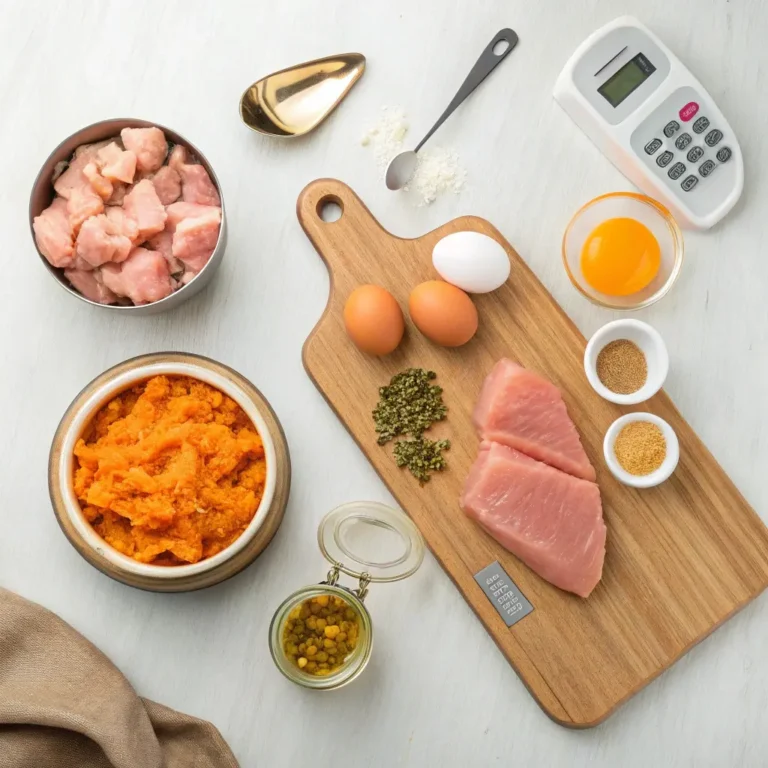
The base of this recipe is boneless turkey, which I use for its lean protein profile. I also add turkey heart to increase taurine levels, which are essential for heart health in cats.
Pumpkin puree is a key component because it supports digestion and helps regulate stool quality. I also include salmon oil for healthy fats, eggshell powder for calcium support, and a vitamin mix to ensure nutritional balance.
Finally, I add egg yolk to improve flavor and provide additional nutrients.
Each ingredient plays a role in creating a balanced meal that supports both energy and digestive health.
Expert Tips (Before Instructions)
From my experience, pumpkin should always be plain and unsweetened. Even small amounts of additives can upset a cat’s digestive system.
I also recommend introducing this recipe gradually, especially if your cat is used to dry food. Sudden changes can lead to temporary digestive imbalance.
Chopping turkey into small pieces ensures better texture and reduces choking risk, especially for smaller cats.
Instructions
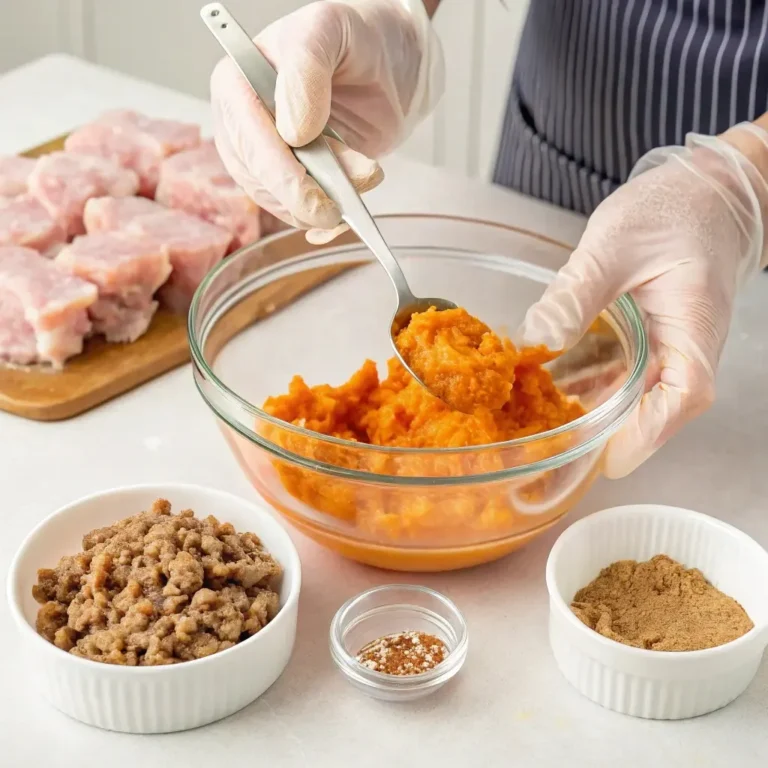
I start by cutting turkey and turkey heart into small, uniform pieces. Then I mix in pumpkin puree until it is evenly distributed throughout the meat.
Next, I add salmon oil, egg yolk, calcium powder, and vitamin supplements. I mix everything thoroughly so each portion contains balanced nutrition.
After mixing, I divide the food into 60-gram portions and place them into freezer-safe containers. I freeze them immediately to preserve freshness.
When feeding, I thaw portions in the refrigerator for 12 hours or use warm water for faster preparation.
Variations and Substitutions
I often replace turkey with chicken when needed. For cats with stronger digestive systems, I slightly reduce pumpkin content.
For kittens, I adjust calcium sources to a more suitable supplement like hydroxyapatite. Texture can also be blended for senior cats or those with dental issues.
Pro Tips and Success Secrets
I always recommend starting with small servings when introducing pumpkin-based meals. Over time, cats adjust well and digestion improves noticeably.
Batch preparation saves a lot of time during busy weeks. I usually prepare enough for 7 to 10 days in one session.
Serving Guidelines
For adult cats, I typically serve 60 grams twice daily. Smaller cats may need slightly less, around 50–55 grams.
This recipe is especially effective when used consistently rather than occasionally, as digestive benefits improve over time.
Safety Considerations
I avoid seasoning or processed ingredients completely. Pumpkin must always be plain and fresh. I also ensure raw meat is handled with strict hygiene practices.
Cats with chronic digestive issues should transition under veterinary guidance.
#4. High-Protein Beef & Blueberry Boost Bowl: A Pet Parent’s Passion Project
Recipe Overview
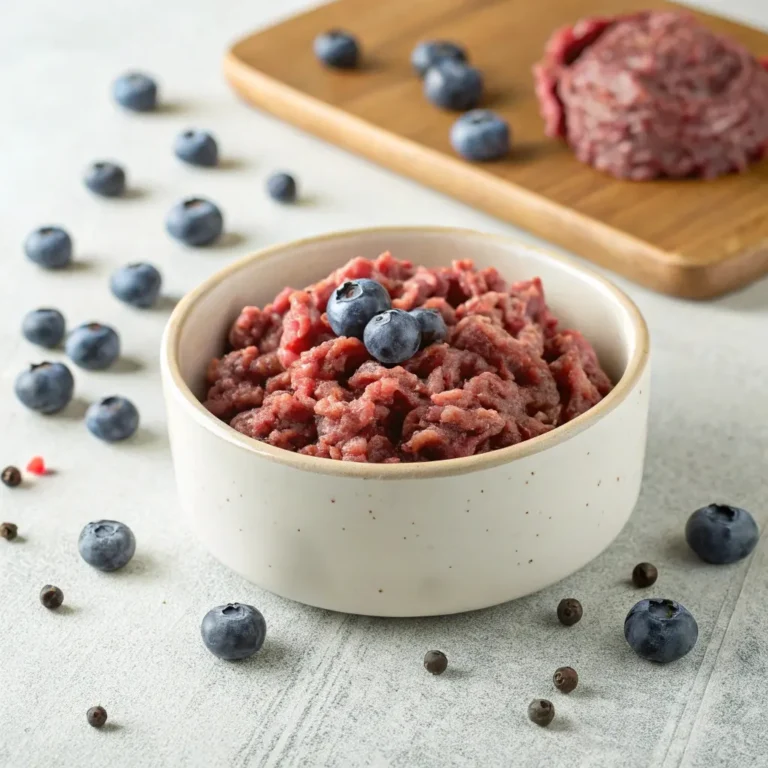
This recipe came from my goal of improving immunity and adding antioxidant support to my cat’s diet. Beef provides strong protein support, while blueberries introduce natural antioxidants that help fight oxidative stress.
I found this combination especially useful for active cats that need both strength and long-term cellular health support.
The texture is slightly juicy and rich, which most cats find very appealing.
Why You’ll Love This Recipe (Pet Parent Perspective)
From my experience, this recipe improves coat shine, energy levels, and overall vitality. It is also highly effective for maintaining lean muscle mass in active cats.
Another advantage is ingredient simplicity. Everything used is easy to find and affordable compared to specialty pet food.
It also supports immune function due to antioxidant content, which becomes more important as cats age.
Essential Information Block
Preparation takes about 20 to 30 minutes. One batch produces approximately 16 meals of 60 grams each.
It stores well in the freezer for months and remains fresh for up to two days after thawing.
Ingredients Section: Main Components
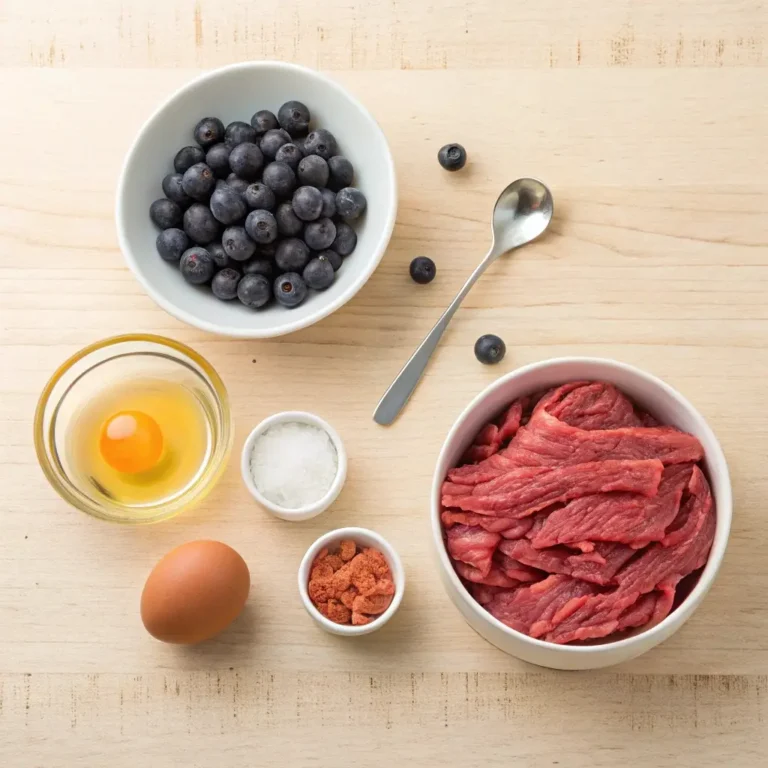
I use lean beef as the primary protein source along with beef heart for taurine support. Blueberries are added in small quantities for antioxidant benefits.
I also include salmon oil for healthy fats, eggshell powder for calcium, and a vitamin supplement mix. Egg yolk is added for texture and nutritional richness.
Expert Tips (Before Instructions)
I always mash blueberries before mixing so they integrate evenly into the meat. Whole berries can sometimes be rejected by picky cats.
I also avoid using too many fruits because cats do not process sugar the same way humans do.
Instructions
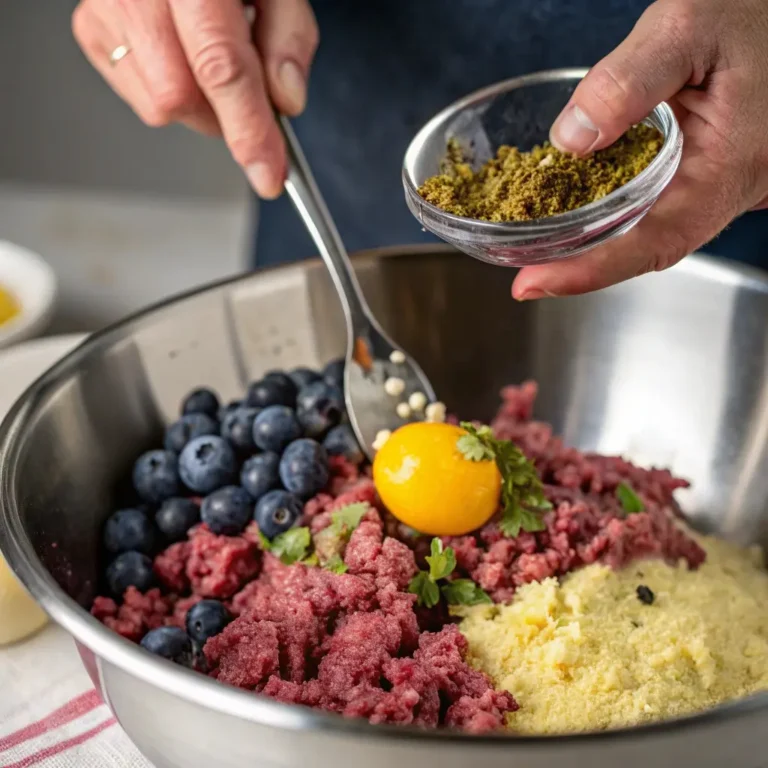
I chop beef and heart into small pieces, mash blueberries, and mix everything together with supplements.
Then I divide the mixture into equal portions and freeze immediately.
Before serving, I thaw it safely in the refrigerator or warm water.
Variations and Substitutions
Beef can be replaced with lamb or chicken depending on preference. Texture can be blended for senior cats.
Blueberries should always remain minimal to avoid digestive issues.
Pro Tips and Success Secrets
I always prioritize fresh meat because quality directly affects acceptance. I also recommend rotating proteins weekly to avoid dietary boredom.
Serving Guidelines
Most cats do well with 60 grams twice daily. Adjustments should be made based on activity level and body weight.
Safety Considerations
I avoid toxic fruits like grapes or raisins. Proper hygiene is essential when handling raw beef.
#5. High-Protein Salmon & Spinach Stamina Supper: A Pet Parent’s Pride
Recipe Overview
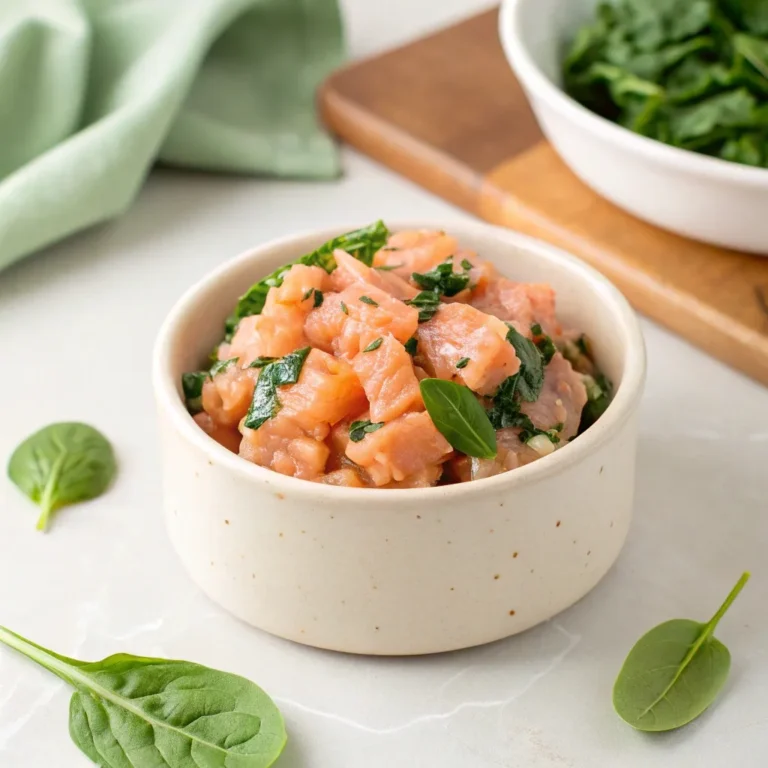
This recipe is designed for maximum stamina and endurance. I use salmon as the primary protein because it is rich in omega-3 fatty acids that support joint health and energy metabolism.
Spinach is added in small amounts to provide vitamins and minerals that support overall health and immune function.
This recipe is especially effective for highly active cats that are constantly moving and need sustained energy.
Why You’ll Love This Recipe (Pet Parent Perspective)
From my experience, this recipe improves endurance, coat shine, and joint flexibility. It is one of the best options for long-term energy support.
It also provides strong omega-3 benefits, which are essential for brain and heart health.
Despite being nutrient-dense, it is still simple to prepare and easy to store.
Essential Information Block
Preparation time is around 20 to 30 minutes. One batch produces about 16 meals of 60 grams each.
It freezes well and stays usable for several months.
Ingredients Section: Main Components
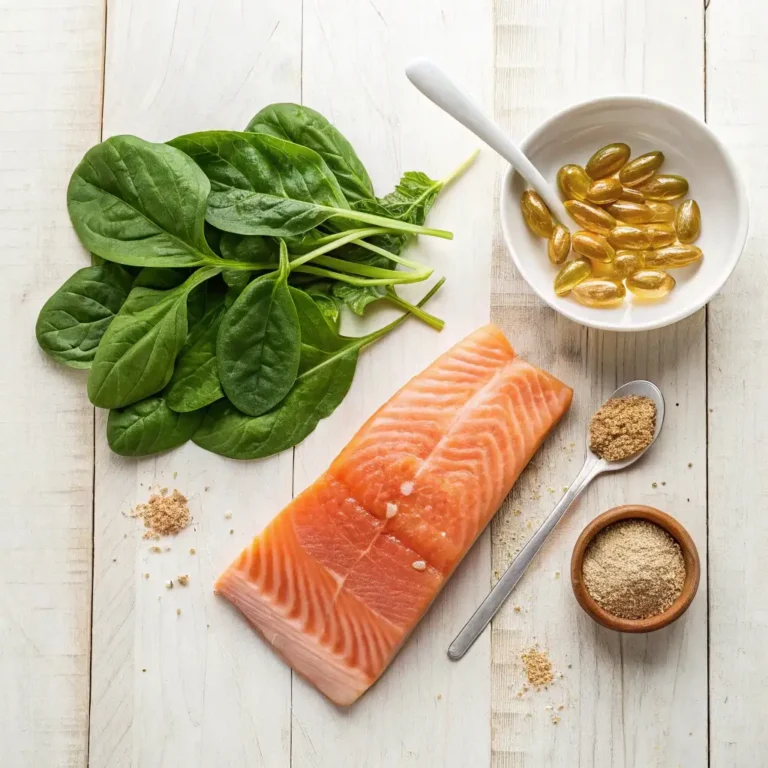
I use salmon as the main protein source, combined with heart meat for taurine support. Spinach is added in small amounts for vitamins.
Salmon oil, egg yolk, calcium powder, and vitamin supplements complete the nutritional profile.
Expert Tips (Before Instructions)
Spinach must always be finely chopped or blended to improve digestion. I also avoid overfeeding leafy greens since cats require primarily animal protein.
Salmon should be fresh or properly frozen before use.
Instructions
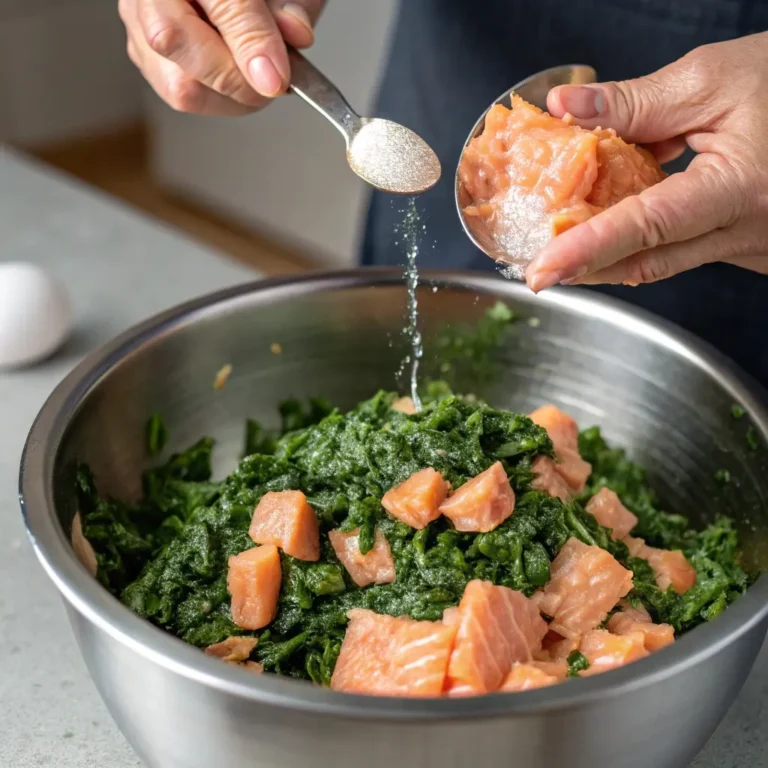
I chop salmon and heart meat into small pieces, mix in spinach and supplements, and combine everything thoroughly.
Then I portion it into equal servings and freeze immediately.
Before feeding, I thaw it safely in the refrigerator or warm water.
Variations and Substitutions
Salmon can be replaced with trout. Spinach should always be used in moderation.
Texture can be adjusted depending on age and chewing ability.
Pro Tips and Success Secrets
I rotate fish types occasionally to prevent overexposure. I also recommend preparing in small weekly batches for freshness.
Serving Guidelines
I feed around 60 grams twice daily for adult cats, adjusting based on activity level and size.
Safety Considerations
I avoid overfeeding spinach due to calcium absorption concerns. Proper hygiene and storage are essential when working with fish.