Homemade Chicken Broth Dog Biscuits (Crunchy Treats)
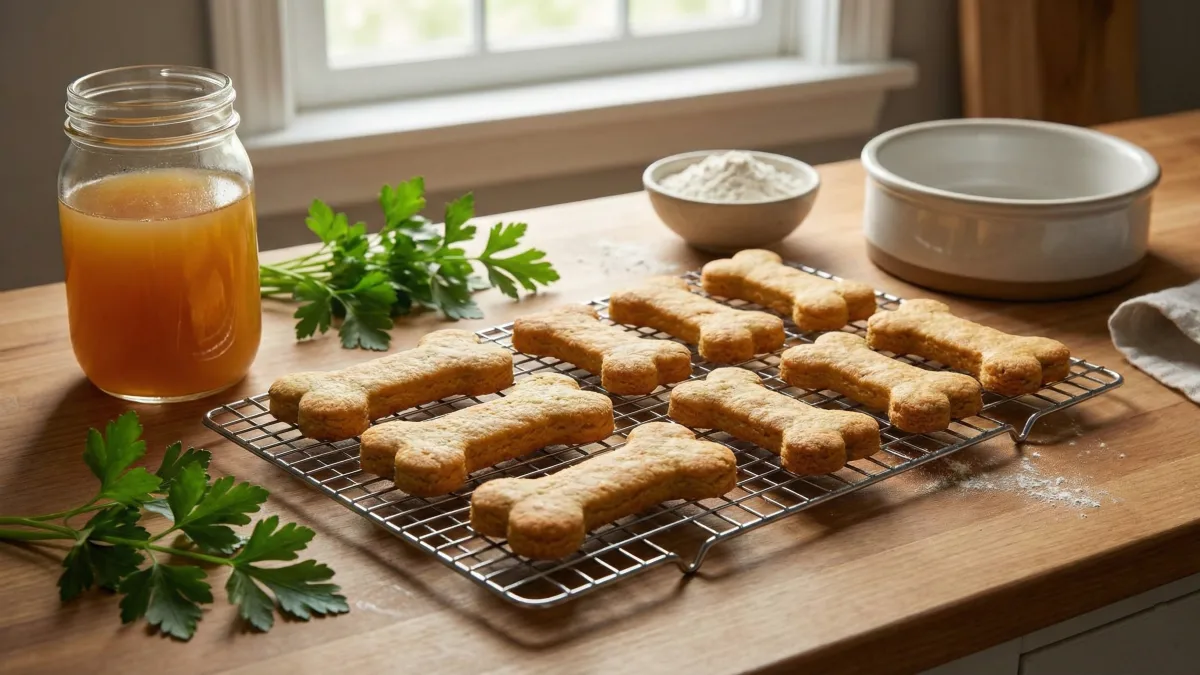
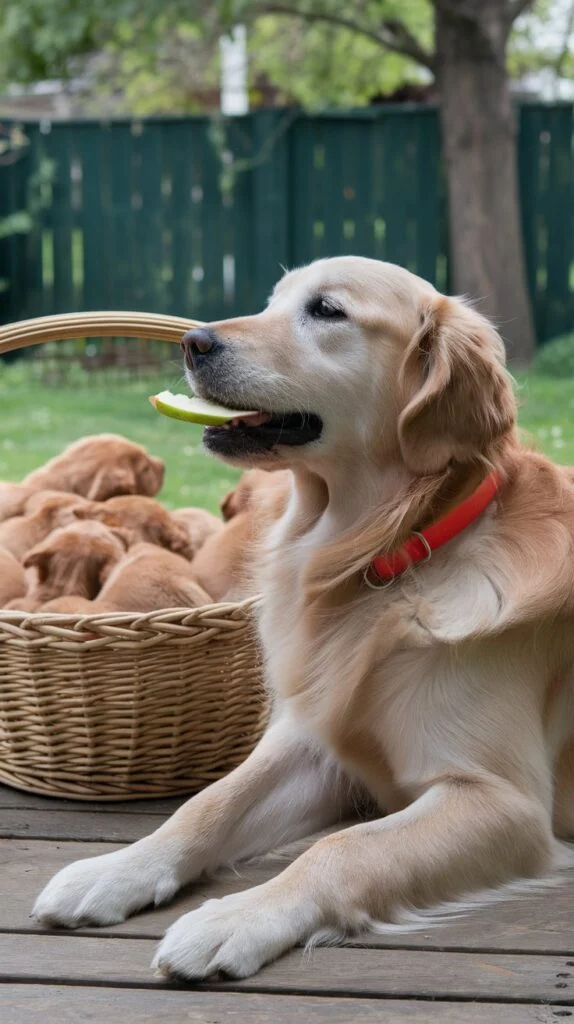
There is something special about baking homemade treats for a dog who waits patiently in the kitchen, tail wagging the second they smell chicken broth simmering on the stove. I started making these Homemade Chicken Broth Dog Biscuits after realizing how many commercial dog treats contain preservatives, excess sodium, artificial flavors, and hidden ingredients like onion powder. Once I learned that onions and garlic can be toxic to dogs, I decided to create a safer crunchy biscuit recipe at home using simple ingredients I could trust. These biscuits are crunchy, flavorful, budget-friendly, and packed with nutrients that support joint health, digestion, and dental hygiene.
Key Takeaways
- Homemade chicken broth dog biscuits are safer than many store-bought treats because you control every ingredient.
- Always use onion-free and garlic-free chicken broth with low sodium.
- Crunchy biscuits can help reduce plaque buildup and support better dental hygiene.
- Bone broth naturally contains collagen, gelatin, glucosamine, and amino acids that support joints and skin health.
- These treats are easy to customize with oat flour, pumpkin puree, parsley, or turmeric.
- Proper drying and storage are essential for keeping biscuits crunchy and mold-free.
- Homemade treats are often more affordable per batch than premium commercial dog biscuits.
- Treats should only make up about 10% of your dog’s daily calories according to veterinary nutrition guidelines.
Why Chicken Broth? (More Than Just Flavor)

Chicken broth is much more than flavored liquid. When made correctly, especially from simmered bones, it becomes a nutrient-rich addition to your dog’s diet. I noticed a big difference in my own dog’s excitement during training sessions when I switched from plain treats to broth-based biscuits. The aroma alone makes these irresistible for picky eaters.
Bone broth naturally contains collagen, which breaks down into gelatin during cooking. Gelatin supports joint cushioning and can help senior dogs maintain mobility. Many veterinarians also recommend collagen-rich foods for supporting skin elasticity and healthy coats.
Chicken broth also contains naturally occurring glucosamine and chondroitin, compounds commonly found in expensive joint supplements. These nutrients may help aging dogs experiencing stiffness or reduced activity levels.
Another major benefit is hydration support. Some dogs simply do not drink enough water during the day. Broth-based recipes can provide additional moisture and nutrients in a highly palatable form.
Benefits of chicken broth for dogs include:
- Supports healthy joints and cartilage
- Encourages picky eaters
- Adds flavor without artificial ingredients
- Provides amino acids like glycine and proline
- Helps maintain healthy skin and coat
- Makes crunchy treats more appealing naturally
According to canine nutrition studies, collagen and amino acids may help reduce inflammation while supporting tissue repair in active and aging dogs.
Ingredients Checklist & Safety Warning

Before making any homemade dog treat recipe, ingredient safety matters most. This is especially important with chicken broth because many commercial brands include dangerous additives for dogs.
WARNING: Avoid Onion and Garlic Completely
Onions, garlic, chives, and leeks belong to the allium family and are toxic to dogs. Even powdered versions hidden in “natural flavors” or “seasonings” can damage red blood cells and lead to hemolytic anemia.
I always read every label carefully before buying broth. If the ingredient list says:
- Onion powder
- Garlic powder
- Spices
- Natural flavors
I skip it entirely.
Sodium Matters Too
Many human broths contain 700–900mg sodium per serving, which is far too high for dogs. Look for unsalted or very low sodium broth with under 100mg sodium per serving whenever possible.
Best Flour Options
Different dogs tolerate different flours well.
Whole wheat flour:
- Affordable
- Creates sturdy crunchy biscuits
- Good for healthy adult dogs
Oat flour:
- Gentler on sensitive stomachs
- Naturally softer on digestion
- Great for dogs with mild wheat sensitivities
Chickpea flour:
- Grain-free alternative
- Higher protein content
- Dense texture
Helpful Add-Ins
I sometimes rotate these healthy additions for extra nutritional value:
Parsley:
- Helps freshen breath naturally
- Contains antioxidants
Turmeric:
- May support joint health
- Contains curcumin with anti-inflammatory properties
Pumpkin puree:
- Adds fiber
- Helps support digestion
Flaxseed:
- Rich in omega-3 fatty acids
- Supports skin and coat health
What to Buy:
- Unsalted chicken stock or homemade bone broth
- Whole wheat flour or oat flour
- Eggs or pumpkin puree
- Fresh parsley
- Turmeric (optional)
- Silicone baking mat or parchment paper
What to Avoid:
- Broth containing onion or garlic
- High sodium stock
- Artificial sweeteners like xylitol
- Added sugars
- Excess preservatives
- “Natural flavoring” blends without ingredient transparency
Step by Step Crunchy Biscuit Recipe
These crunchy dog biscuits are beginner-friendly and only require a few pantry staples.
Recipe Overview
Prep Time: 15 minutes
Cook Time: 25 minutes
Drying Time: 1 hour
Total Time: About 1 hour 40 minutes
Yield: Approximately 30 small biscuits
Shelf Life: 2 weeks room temperature, 3 weeks refrigerated, 6 months frozen
Ingredients
Main Components:
- 2 cups whole wheat flour or oat flour
- 1/2 cup low-sodium chicken broth
- 1 large egg
- 1 tablespoon chopped parsley (optional)
- 1 teaspoon turmeric (optional)
Optional Additions:
- 2 tablespoons pumpkin puree
- 1 tablespoon flaxseed meal
Equipment Needed
- Mixing bowl
- Measuring cups and spoons
- Rolling pin
- Cookie cutters or knife
- Baking sheet
- Parchment paper or silicone baking mat
- Cooling rack
Step 1: Preheat the Oven
Preheat your oven to 350°F (175°C). Line a baking tray with parchment paper to prevent sticking.
Step 2: Mix the Dough
In a large mixing bowl, combine the flour and egg. Slowly pour in the chicken broth while mixing.
If using parsley, turmeric, pumpkin puree, or flaxseed, add them now.
The dough should feel similar to playdough:
- Slightly firm
- Easy to shape
- Not sticky
Pro Tip
If the dough crumbles:
- Add 1 teaspoon water or broth at a time
If too sticky:
- Sprinkle in additional flour gradually
Step 3: Roll and Cut
Lightly flour your surface and roll the dough to about 1/4-inch thickness.
Use:
- Bone-shaped cookie cutters
- Small circles
- Squares
- Mini training treat shapes
Uniform sizing helps biscuits bake evenly.
Step 4: Bake
Arrange biscuits on the baking tray with slight spacing between them.
Bake for 20–25 minutes until:
- Golden brown
- Firm on the edges
- Slightly hard to the touch
At this stage, they will still contain internal moisture.
The Secret to Maximum Crunch
Crunchy treats are not just satisfying for dogs. They can also help mechanically reduce plaque buildup on teeth.
The key to long-lasting crunchy dog biscuits is moisture removal.
Method 1: Oven Cooling Technique
After baking:
- Turn the oven OFF
- Crack the oven door slightly open
- Leave biscuits inside as the oven cools completely
This slowly dries the treats without burning them.
I use this method often because it creates a satisfying crunch while preserving flavor.
Method 2: Double Bake Technique
If biscuits still feel soft:
- Lower oven temperature to 200°F
- Bake another 45–60 minutes
Test one biscuit after cooling:
- It should snap cleanly
- No softness in the center
This extra drying step dramatically improves shelf life too.
Why Crunchy Treats Help Dental Health
Veterinary dental organizations estimate that over 80% of dogs show signs of dental disease by age three. Crunchy treats cannot replace brushing, but they may help scrape away soft plaque buildup.
For even better dental support:
- Use smaller crunchy treats daily
- Pair with regular tooth brushing
- Schedule veterinary dental cleanings
Adding parsley may also help naturally freshen breath.
Variations and Substitutions
One reason I love this recipe is how flexible it is.
Grain-Free Version
Replace wheat flour with:
- Chickpea flour
- Coconut flour
- Almond flour
Keep in mind coconut flour absorbs more liquid, so you may need extra broth.
Protein Boost
Add:
- Finely shredded chicken
- Freeze-dried liver powder
- Collagen powder
Digestive Support Version
Mix in:
- Pumpkin puree
- Plain probiotic yogurt powder
- Ground flaxseed
Senior Dog Version
For older dogs:
- Roll dough thinner
- Bake slightly less
- Create smaller bite-sized biscuits
Serving Guidelines
Treats should stay balanced within your dog’s overall diet.
Recommended serving sizes:
Small Dogs:
- 1 small biscuit daily
Medium Dogs:
- 1–2 biscuits daily
Large Dogs:
- 2–3 biscuits daily
Very active dogs may tolerate slightly more, but moderation is still important.
Storage and Shelf Life
Moisture is the biggest enemy of homemade crunchy treats.
Room Temperature
- Store fully dried biscuits in an airtight container
- Lasts about 2 weeks
Refrigerator
- Good for around 3 weeks
- Helpful in humid climates
Freezer
- Freeze up to 6 months
- Thaw before serving
Storage Tip
I like using glass jars with silica moisture packets nearby (not inside treats) to help maintain crunch longer.
Cost Breakdown: Homemade vs. Store Bought
| Item | Homemade Batch | Premium Store Treats |
|---|---|---|
| Flour | $0.80 | Included |
| Egg | $0.40 | Included |
| Chicken Broth | $1.00 | Included |
| Total Quantity | ~30 Treats | ~20 Treats |
| Ingredient Transparency | Full Control | Limited |
| Preservatives | None | Often Present |
| Average Cost Per Treat | Very Low | Higher |
Making homemade dog treats in bulk can significantly reduce monthly spending, especially for multi-dog households.
Common Questions
1. Can I use homemade chicken broth?
Yes, and honestly, I prefer it. Homemade broth gives you complete control over sodium and ingredients. Just avoid onions, garlic, and heavy seasoning.
2. Why are my biscuits not crunchy?
Usually the treats still contain moisture. Use the cooling or double-bake method to dry them thoroughly.
3. Can puppies eat these treats?
Yes, but make smaller pieces for puppies and monitor chewing carefully.
4. Are crunchy treats safe for senior dogs?
They can be, but softer or thinner versions may work better for dogs with dental sensitivity.
5. Can I freeze the dough?
Absolutely. Wrap tightly and freeze for up to 2 months before baking.
Conclusion
Homemade Chicken Broth Dog Biscuits are one of the easiest ways to give your dog a healthier crunchy snack without questionable additives. I love knowing exactly what goes into every batch, especially when making treats for dogs with sensitive stomachs or dietary restrictions.
These biscuits are affordable, nutritious, and incredibly versatile. Whether you use them for training, rewards, or simply because your dog deserves something special, they deliver both flavor and nutritional benefits in every crunchy bite.
Once you hear that satisfying crunch and see your dog waiting beside the oven for another biscuit, you may never go back to store-bought treats again.
All content on this site is written and reviewed by our experienced team to ensure it is accurate, reliable, and helpful for our readers. Our Our Process page explains how we carefully research and create high-quality content, while our Team page introduces the professionals behind our work. We also provide clear guidelines for content or image concerns on our Image Removal page, so you can trust that we prioritize transparency, quality, and reader safety.