
Homemade Dog Food for Senior Dogs
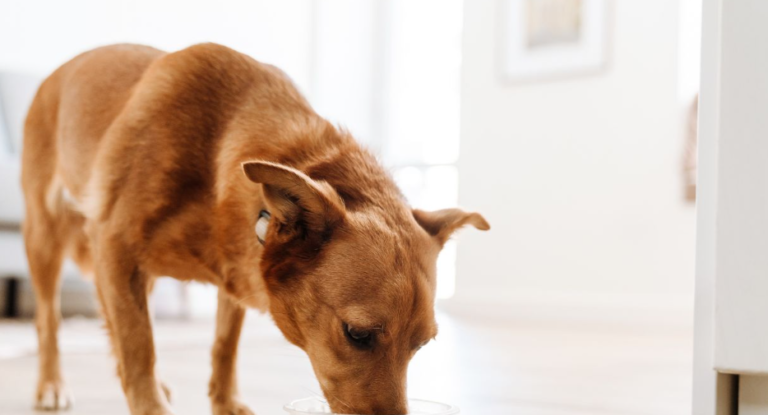
My old dog is slowing down. His muzzle has gone grey, he naps more than he used to, and he has started walking away from his bowl halfway through dinner. His teeth are not what they were, and hard kibble seems to take real effort for him now. That is when I started cooking for him, and the change in his appetite was almost instant. He finishes his bowl again, and he actually looks forward to mealtimes.
Before I changed anything, I checked with my vet. That is the first thing I would say to anyone with an older dog: check with your vet before changing an older dog’s diet. Older dogs can have kidney, liver, or dental problems that change what they should eat, and a quick chat with the vet can rule out anything that needs a different approach. Once I had the all-clear, I built a simple, soft recipe around foods my dog already liked.
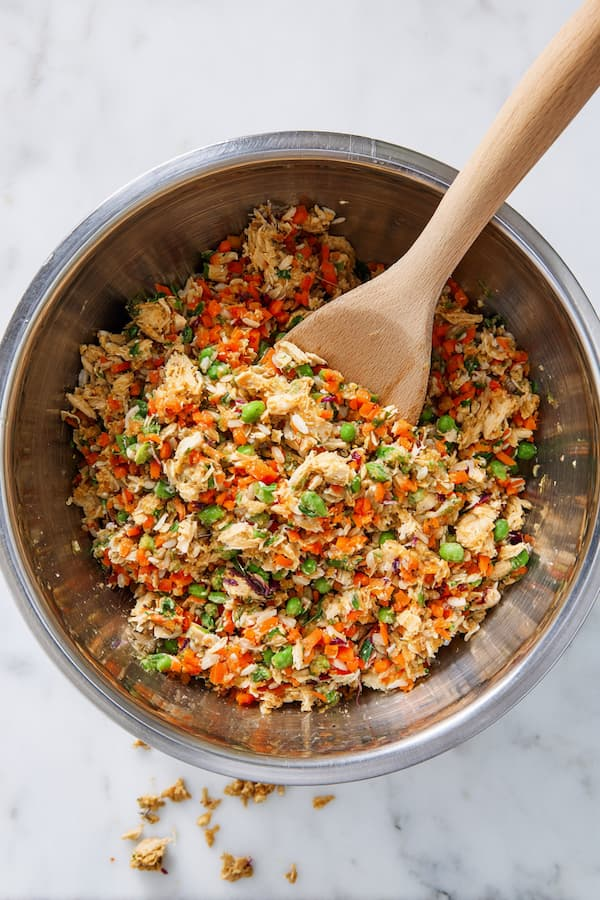
The recipe below is what I cook for my senior dog now. It is soft, easy to chew, easy on the stomach, and it uses plain ingredients I always have in the kitchen. I am not a vet or a canine nutritionist, so think of this as one home cook’s recipe rather than a prescription. If your dog has a health condition, your vet’s advice comes first.
Want a Better-Trained, Happier Dog?
Get practical guidance for obedience, behavior, and everyday dog training with a collection of helpful training guides designed for dog owners.
This post may contain affiliate links. If you purchase through our link, we may earn a commission at no additional cost to you.
What Changes for Senior Dogs
Older dogs are not just younger dogs with grey faces. Their teeth may be worn or sore, their digestion can be more sensitive, and many of them move less, so they need fewer calories than they did at three years old. At the same time, they still need good protein to keep their muscles strong. I keep all of that in mind when I cook for mine.
Texture matters more than anything in my house. My dog will happily eat food he can lick and swallow without much chewing, but he leaves hard, dry pieces in the bowl. So I cook everything soft, shred the meat small, and add a little warm water or plain broth to bring the bowl together. I also feed him two smaller meals a day instead of one big one, which seems easier on his stomach.
My Senior Dog Food Recipe
This makes enough for about four meals for a medium-sized dog. I cook a batch, let it cool, and keep it in the fridge.
Ingredients
- 500 g boneless, skinless chicken thighs or breast
- 1 cup of white rice
- 2 medium carrots, peeled and diced
- 1 cup of green beans, chopped
- 1/2 cup of plain pumpkin puree (not pumpkin pie filling)
- 4 cups of water, or plain low-salt chicken broth with no onion or garlic
- 1 tablespoon of plain yogurt, to serve (optional)
Steps
- Put the chicken and water in a large pot and bring it to a gentle simmer. Cook for about 20 minutes, until the chicken is cooked through.
- Lift the chicken out, set it aside to cool, and keep the cooking liquid in the pot.
- Add the rice, carrots, and green beans to the pot. Simmer for about 20 minutes, until the rice is soft and the vegetables are tender.
- While the rice cooks, shred the cooled chicken into small, soft pieces with two forks.
- Stir the shredded chicken and the pumpkin puree into the pot. Cook for another 5 minutes so everything comes together.
- Let the food cool completely, then mash it lightly with a fork if your dog prefers a softer texture.
- Serve a portion at room temperature, with a spoonful of plain yogurt on top if your dog likes it.
| Ingredient | Why I use it | Prep note |
|---|---|---|
| Chicken | Lean protein for muscle | Shred small, remove all bones |
| White rice | Gentle on the stomach | Cook until very soft |
| Carrots | Soft fibre and sweetness | Dice small, cook until tender |
| Green beans | Low-calorie bulk | Chop and cook until soft |
| Pumpkin puree | Helps firm, regular stools | Plain puree only, no pie filling |
| Plain yogurt | A tasty, soft topper | One spoonful, unsweetened |
Feeding Tips for Older Dogs
- Serve food at room temperature. Food straight from the fridge is less appealing, and very hot food can burn a sore mouth.
- Soften dry food with warm water or plain broth if you are mixing homemade food with kibble.
- Keep mealtimes calm and regular. My dog eats better when his bowl is in the same quiet spot every day.
- Watch his weight. I check that I can still feel his ribs under a thin layer of fat, and I cut portions back if he starts to look rounder.
- Keep fresh water nearby at all times, and offer it after meals.
- Introduce any new food slowly over a few days, mixing a little of the new food into the old food first.
- Never add onion, garlic, grapes, raisins, chocolate, macadamia nuts, or anything sweetened with xylitol. These are not safe for dogs.
How I Store It
I keep the cooked food in a sealed container in the fridge, where it stays good for about three days. For longer storage, I freeze it in single-meal portions and thaw one in the fridge overnight. I never reheat a portion more than once, and I always let it cool to room temperature before I put the bowl down.
Frequently Asked Questions
Can I feed this recipe to my senior dog every day?
I use it as my dog’s main meal, but I talked to my vet first about whether it covers everything an older dog needs. Some dogs need a supplement or a different balance, so please check with your vet before making it a permanent diet.
My senior dog barely eats. Will this help?
Soft, warm, smelly food helped my dog a lot, because it is easier to chew and more tempting than dry kibble. If your dog stops eating altogether or loses weight quickly, though, that is a vet visit, not a recipe problem.
Can I use a different protein instead of chicken?
Yes. I sometimes use lean ground turkey or white fish instead, cooked the same way and with all bones removed. I only change one thing at a time so I can see how my dog handles it.
How much should I feed my older dog?
It depends on your dog’s size, weight, and how active he still is. I started with the amount he used to eat, watched his weight and energy for two weeks, and adjusted from there. Your vet can give you a portion size for your own dog.