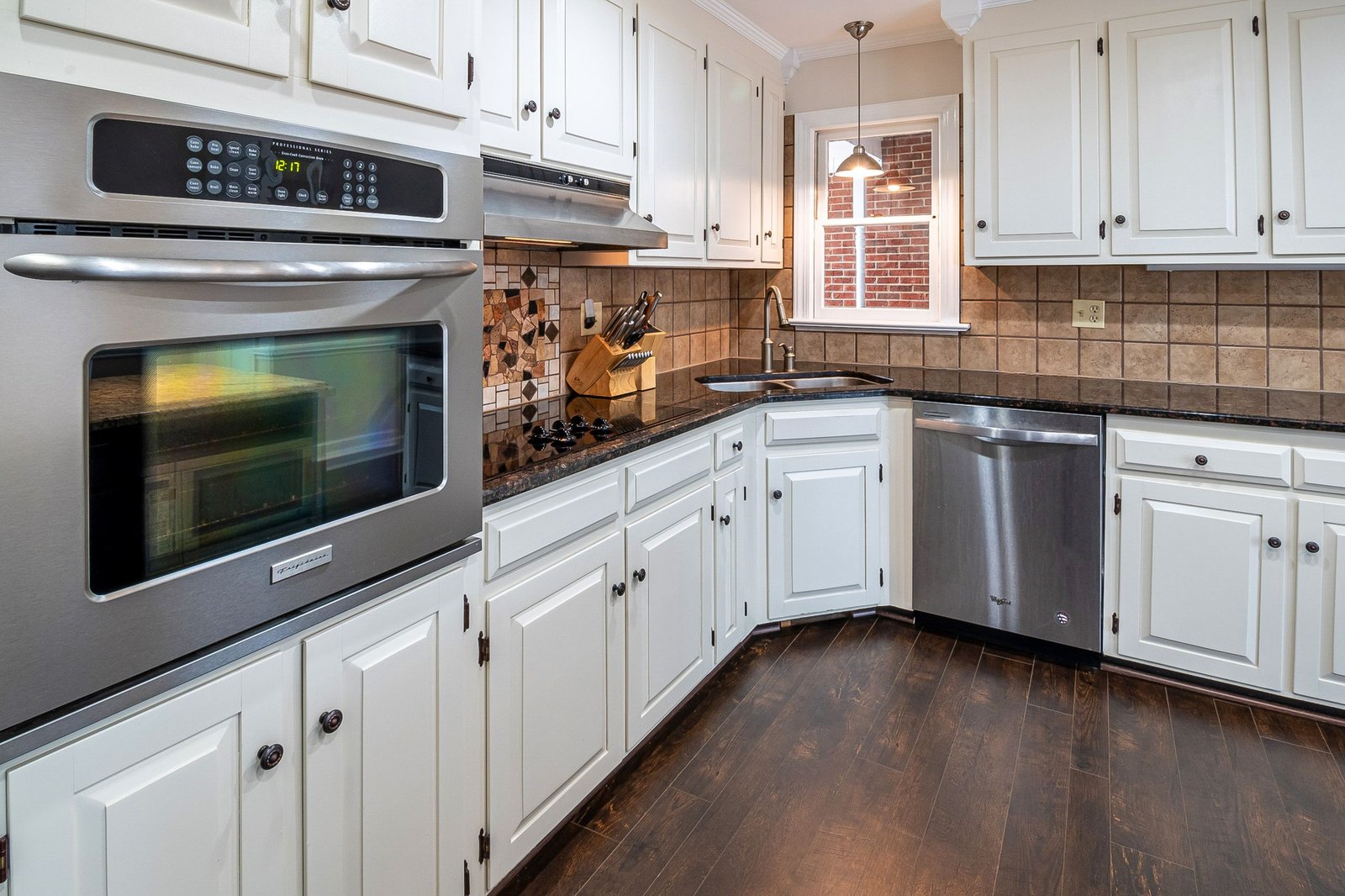
How to Clean Kitchen Cabinets
Grease-free doors, clean handles and fresh-smelling insides — without soaking, streaks or damage.
Quick facts
- Everyday wipe: 10-15 minutes
- Inside cabinets: every 3-6 months
- Under-sink check: monthly
- Cost: pantry basics
The Golden Rule: Never soak, always dry
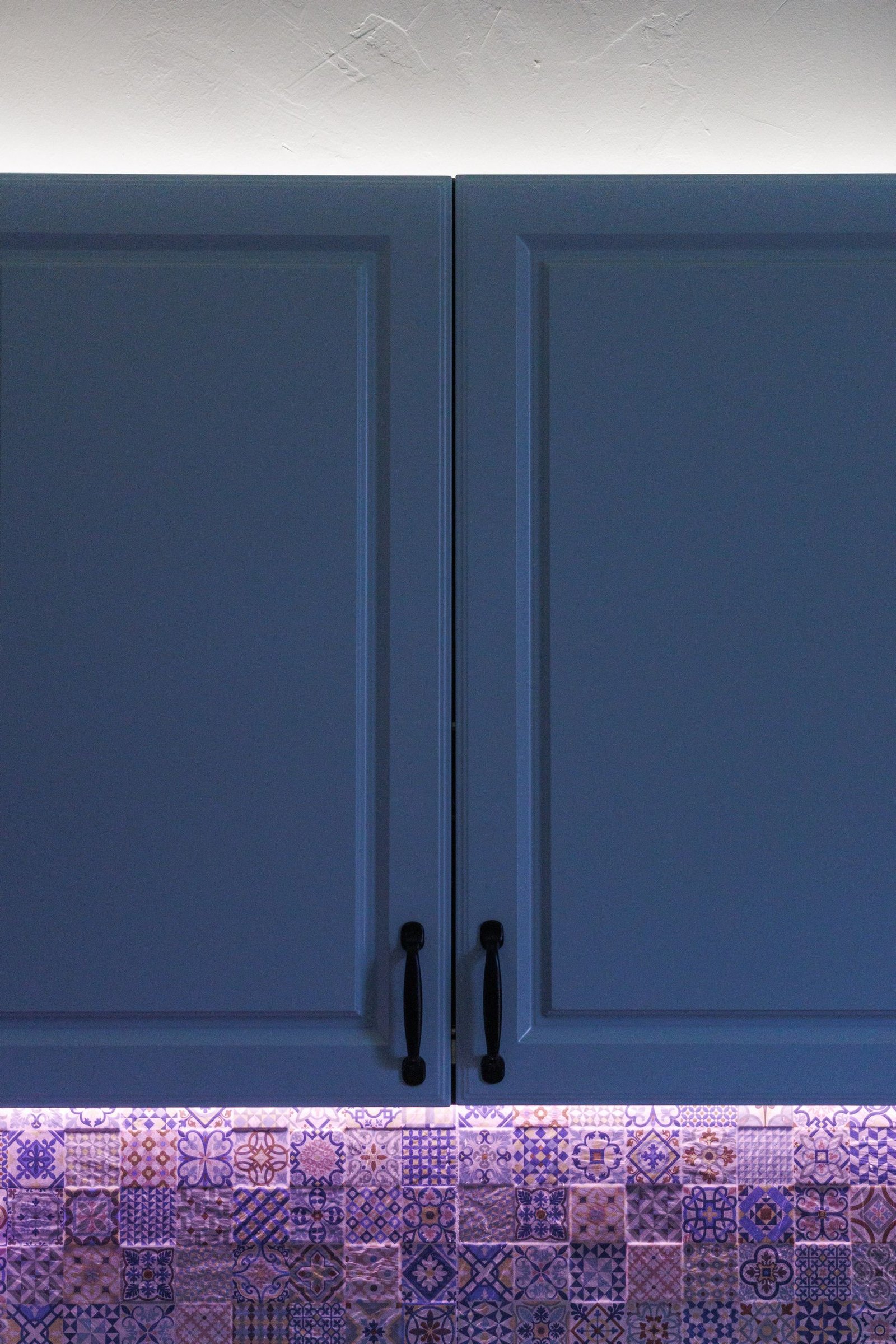
Cabinets — painted, wood or laminate — hate standing water. Water seeps into seams, hinges and edges, swells the board underneath, and lifts paint and veneer. Always wipe with a well-wrung, damp cloth, never a dripping one, and dry every surface straight away with a clean towel. Before you start, work out what your cabinets are made of, and test any new cleaner on a hidden spot first (inside a door, or behind a handle). If the finish dulls or colour comes off on the cloth, stop and use plain warm water only.
Want a Better-Trained, Happier Dog?
Get practical guidance for obedience, behavior, and everyday dog training with a collection of helpful training guides designed for dog owners.
This post may contain affiliate links. If you purchase through our link, we may earn a commission at no additional cost to you.
What You Will Need
- 2 soft microfibre cloths (one for washing, one for drying) and a soft sponge
- Bucket or bowl, spray bottle, and an old toothbrush for edges and corners
- Everyday solution: 4 cups warm water + 1 tsp dish soap
- Wood only: Murphy’s Oil Soap — 1/4 cup per gallon of warm water
- Laminate only: white vinegar and water, 50/50, in a spray bottle
- Baking soda for a gentle grease paste
- Rubber gloves (optional), a dry towel, and a step stool for top cabinets
Everyday Clean — All Cabinet Types
- Clear and dust first. Move items away from the doors you are cleaning. Wipe off loose dust and crumbs with a dry microfibre cloth, top to bottom, so you are not pushing grit around.
- Mix the everyday solution. Stir 1 tsp dish soap into 4 cups of warm water. Dip the cloth, then wring it out well — it should be damp, not dripping.
- Wipe one door at a time. Wipe the outside of the door, the frame and the edges. For wood, wipe in the direction of the grain. Rinse the cloth often in clean water and wring it out again.
- Rinse-wipe. Go over the same area with a cloth dampened in plain warm water, so no soap film is left behind.
- Dry immediately. Buff dry with the second, dry cloth. Never leave a cabinet door wet — this is the step that protects the finish.
- Finish the details. Wipe handles, knobs and the area around them, where greasy fingerprints collect. Use the old toothbrush, dampened in the same solution, for grooves, hinges and corners.
Grease Near the Stove
Cooking grease settles on the cabinets nearest the stove. Mix a paste of 3 tablespoons baking soda + 1 tablespoon water. Spread it on the greasy area, leave for 10-15 minutes, then wipe away with a damp cloth, rinse-wipe, and dry. Do not scrub hard — let the paste do the work. Repeat rather than scouring.
By Surface Type
Painted Cabinets
- Use the everyday solution only (4 cups warm water + 1 tsp dish soap)
- Wipe gently — paint chips and scratches easily if you scrub
- Never use vinegar-water, abrasive pads or scouring powders on painted cabinets — they dull and wear the paint
- For marks, use the baking soda paste above, left for 10-15 minutes, then wiped away gently
Wood Cabinets
- Use Murphy’s Oil Soap — 1/4 cup per gallon of warm water — for wood cabinets only, wipe with the grain using a well-wrung cloth
- Dry immediately — standing water is the fastest way to damage wood
- Never use vinegar-water on wood — vinegar strips the finish and dulls the surface over time
- Do not use furniture polish build-up products or silicone sprays on kitchen cabinets — they attract grease and dust

Laminate Cabinets
- For grease, spray 50/50 vinegar and water onto the cloth (not directly onto the cabinet), wipe, rinse-wipe with plain water, and dry
- Laminate handles moisture better than wood or paint, but still dry it straight away — water at the edges can lift the laminate
- Never use the vinegar-water mix on wood or painted cabinets — laminate only
- Avoid abrasive pads, which scratch laminate permanently
Handles and Knobs
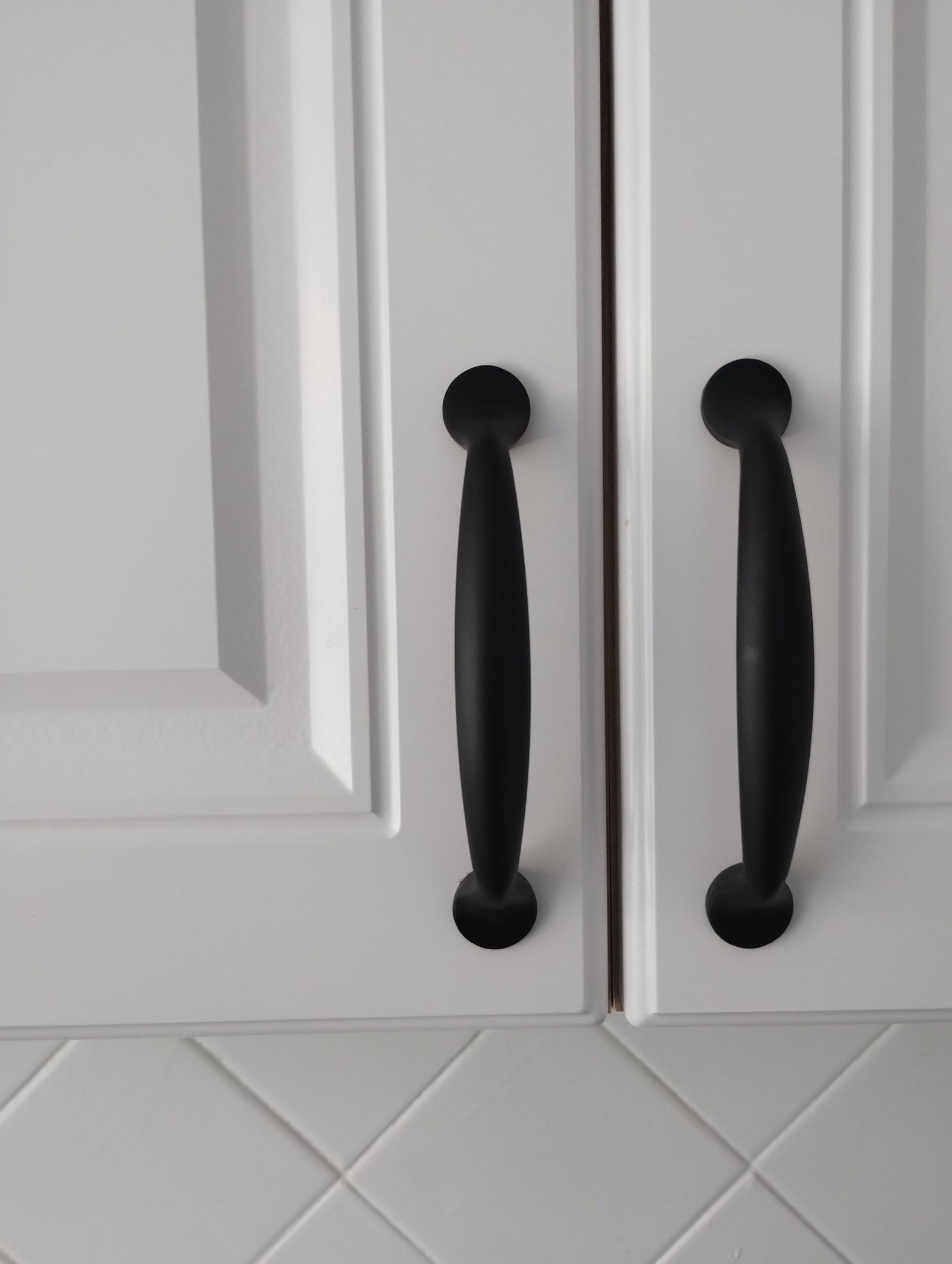
Handles collect more grease than the doors themselves. If a handle unscrews easily, remove it and soak it for 10-15 minutes in warm soapy water, scrub gently with the old toothbrush, rinse, dry fully, and refit. If it cannot be removed, scrub it in place with the toothbrush and dry it well. Always dry metal handles completely — damp handles leave water marks and can corrode.
Inside the Cabinets
Empty one cabinet at a time. Wipe the shelves and inside walls with the everyday solution, rinse-wipe, and dry before putting anything back. Do this every 3-6 months, or sooner for food and spice cabinets. Line shelves if you like, but check under the lining at each clean — crumbs and spills hide there. Under-sink check, monthly: look for drips, damp patches, a musty smell or swollen board under the sink. Catching a small leak early saves the whole cabinet.
Safety and Damage Warnings
- Never use a steam cleaner on cabinets — steam forces moisture into seams and joints and lifts finishes
- Never use oven cleaner on cabinets — it is far too harsh and will strip paint and finish
- Never soak a cabinet door, drawer front or shelf, and never spray cleaner directly onto a cabinet — spray the cloth instead
- Never use abrasive pads, steel wool or scouring powders — they scratch every finish
- Keep water away from hinges and drawer runners where you can, and dry them if they get wet
- Use a stable step stool for top cabinets — never stand on the counter or a chair
Tick-Off Checklist
- Dusted doors, frames and tops before wiping
- Everyday solution mixed: 4 cups warm water + 1 tsp dish soap
- Doors wiped with a well-wrung cloth, top to bottom
- Rinse-wiped with plain water — no soap film left
- Every door dried immediately with a dry cloth
- Grease near the stove treated with baking soda paste (3 tbsp + 1 tbsp water, 10-15 min)
- Wood cabinets cleaned with Murphy’s Oil Soap (1/4 cup per gallon) — wood only
- Laminate grease cleaned with 50/50 vinegar-water — laminate only
- Handles and knobs soaked 10-15 min (or scrubbed in place) and dried fully
- Inside cabinets wiped, dried and restocked (every 3-6 months)
- Under-sink area checked for leaks and damp (monthly)
- Hinges, grooves and corners brushed clean and dried
Download Your Free Printable Checklist
Get the full kitchen cabinet cleaning checklist as a print-friendly PDF to keep in your kitchen.
PDF • Print-friendly
Looking for more free printables? See all free printables on our Cleaning Resources page.