
How to Get Rid of Silverfish at Home
Silverfish have always caught me off guard—they dart around at night, glinting in the light, and can make any home feel unclean. While they don’t bite or spread disease, their presence signals an environment that meets their survival needs. Once I understood what silverfish need to thrive, I realized controlling them didn’t have to be stressful or expensive.
Save For Later
Where Silverfish Usually Hide
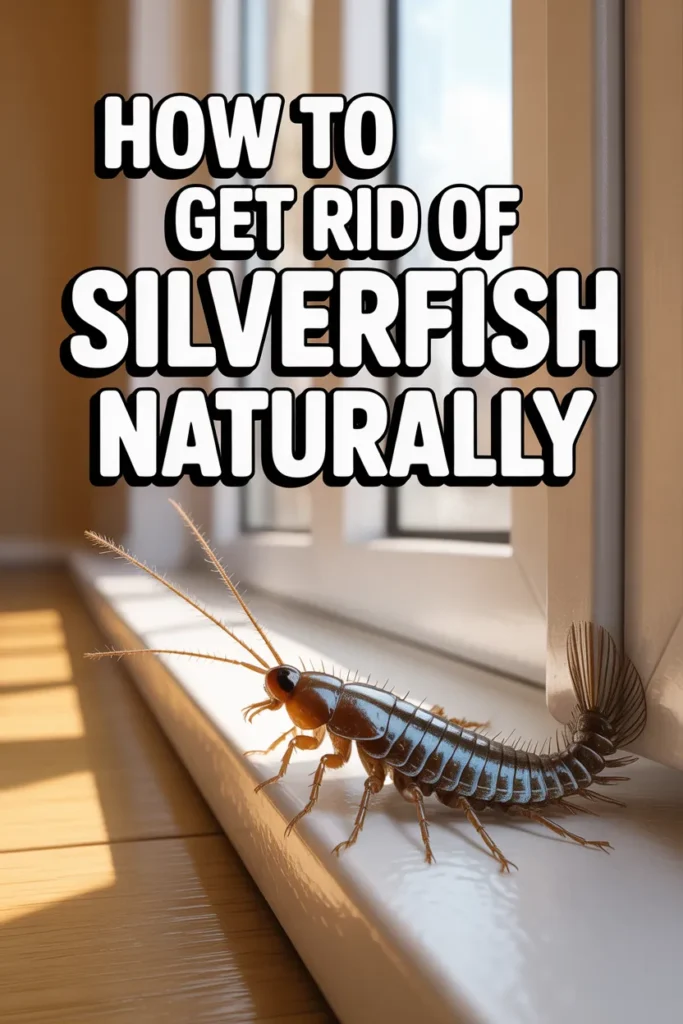
Silverfish avoid light and activity, so they’re rarely visible during the day. I noticed they tend to favor dark, damp areas with easy access to food. Knowing this helps me target the spots where prevention and control matter most.
Rooms That Commonly Attract Silverfish
The first thing I did was identify the areas in my home that were most appealing to silverfish:
- Without proper ventilation and not properly cleaned Bathroom
- Basements with high humidity
- Laundry rooms and utility spaces
- Attics and crawl spaces
These rooms often stay undisturbed, creating the perfect environment for silverfish to move around unseen.
Household Items They Feed On
Unlike ants or roaches, silverfish feed on materials we often forget about. In my home, these included:
- Books and important documents
- Cardboard boxes and storage containers
- Wallpaper glue and adhesives
- Long-stored clothing and fabric
Keeping these items in humid, dark spots can unintentionally provide a steady food source.
How Clutter Contributes to Infestations
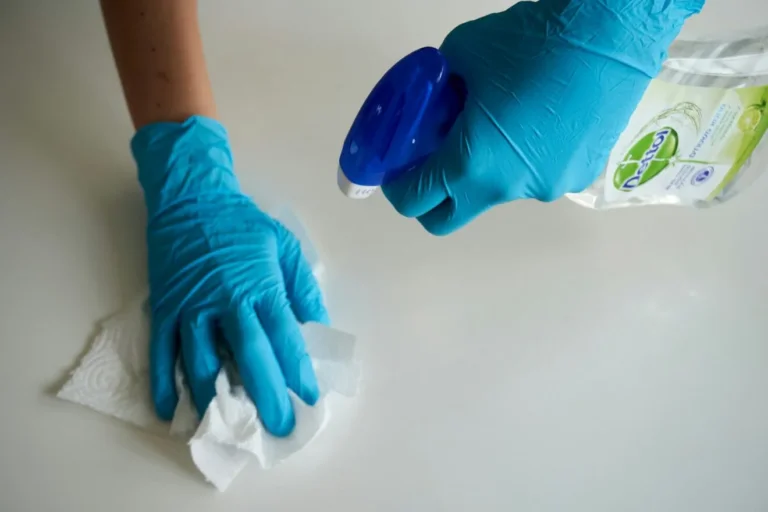
I learned that clutter isn’t just a hiding place—it’s a survival kit for silverfish. Stacks of paper, magazines, or cardboard offer both food and shelter. Regularly vacuuming, reorganizing, and removing unnecessary items made a noticeable difference in limiting their activity.
Related Posts:
- Get Rid Of Wet Dog Smell In Your Car
- How to Get Rid of Dog Hair
- How To Get Rid Of Dog Smell From Your House
Moisture Control Is Essential for Long-Term Results
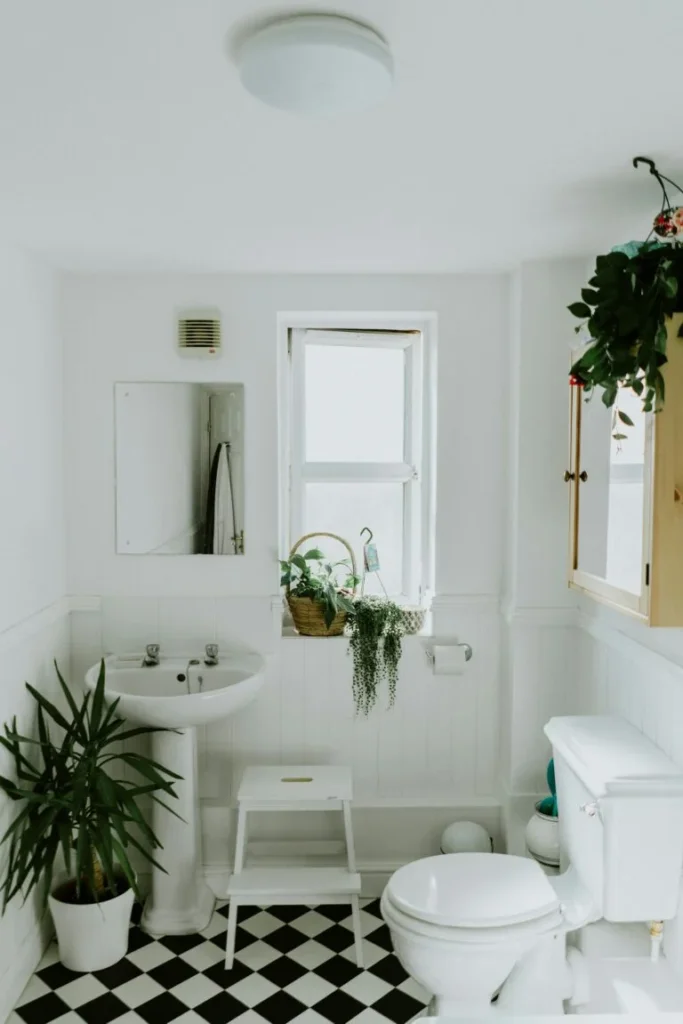
Moisture is silverfish’s lifeline. I realized that reducing humidity is the most effective long-term strategy. Using exhaust fans in bathrooms, running a dehumidifier in damp rooms, fixing leaks, and letting fresh air circulate drastically lowered silverfish sightings in my home.
Using Diatomaceous Earth for Silverfish Control
I found diatomaceous earth to be a safe, non-toxic option. The fine powder damages silverfish’s outer layer, making it hard for them to survive. I applied it lightly along baseboards, under sinks, and behind appliances. After a few days, vacuuming and reapplying kept the population under control.
When Boric Acid Is the Better Option
For persistent infestations, I turned to boric acid. It works because silverfish die after walking through or ingesting it. I applied it sparingly in narrow pathways and corners, ensuring it stayed out of reach of kids and pets. The result was a noticeable drop in activity within a week.
Simple Homemade Traps That Help Reduce Activity
I also used homemade traps to monitor and reduce numbers:
- Glass Jar Trap: Wrapped the outside for grip and added bait inside. Silverfish could climb in but not escape.
- Damp Paper Trap: Rolled a damp newspaper and left it overnight. In the morning, I discarded the paper with the trapped insects.
These traps helped me track progress and find hotspots.
Natural Repellents That Discourage Silverfish
Certain scents naturally deter silverfish. I placed cedar blocks, lavender oil, or citrus sprays in closets, drawers, and storage areas. Even dried bay leaves in cupboards helped keep them away from stored items without chemicals.
Sealing Entry Points to Prevent Return
I quickly realized that removing silverfish wasn’t enough—they could return if I didn’t seal gaps. I focused on:
- Cracks in walls and flooring
- Gaps around baseboards and pipes
- Damaged window screens and loose door sweeps
Fixing these areas significantly reduced new entries.
When Professional Treatment Makes Sense
Despite my efforts, some infestations needed professional help. Experts can locate hidden activity, use treatments unavailable to homeowners, and save time and frustration. In some cases, calling a professional is the fastest way to regain control.
Conclusion
Through my experience, I’ve learned silverfish thrive in moist, cluttered, and accessible areas. By reducing humidity, decluttering, sealing entry points, and using safe treatments like diatomaceous earth or boric acid, I managed to make my home unattractive to them. A quiet night with no sudden scuttling is the surest sign the problem is gone for good.
Key Takeaways
- Silverfish prefer dark, humid, and undisturbed areas.
- Moisture control is the most effective long-term prevention method.
- Clutter removal limits hiding spots and food sources.
- Safe treatments like diatomaceous earth and boric acid help control infestations.
- Sealing gaps and cracks prevents new silverfish from entering.
All content on this site is written and reviewed by our experienced team to ensure it is accurate, reliable, and helpful for our readers. Our Our Process page explains how we carefully research and create high-quality content, while our Team page introduces the professionals behind our work. We also provide clear guidelines for content or image concerns on our Image Removal page, so you can trust that we prioritize transparency, quality, and reader safety.