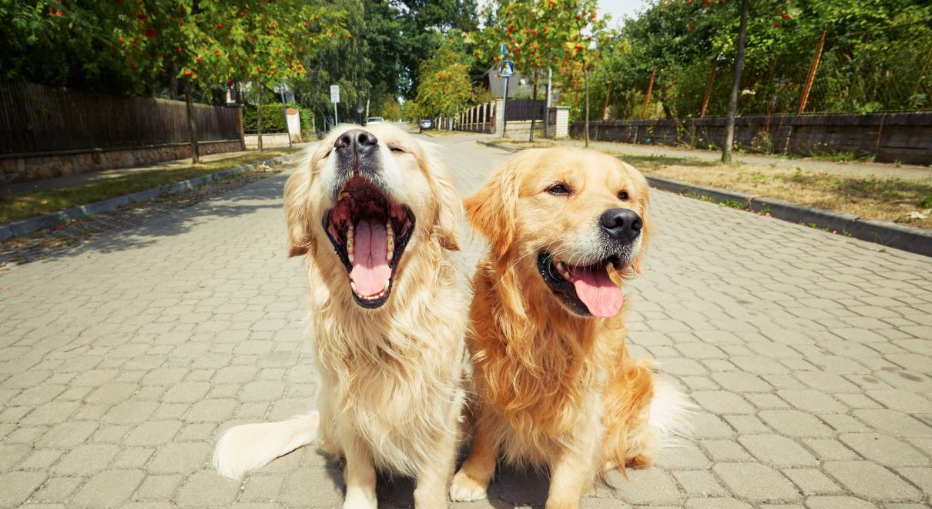
How To Introduce New Dog To Old Dog
Bringing a new dog into your home can be one of the most exciting experiences, but it also comes with challenges. Your resident dog has had the house to themselves, and now there’s a new personality entering the mix. You might be thrilled at the thought of adding a playful puppy or a calm adult dog, but the truth is, introductions can be tricky. It’s normal for your old dog to feel a little unsure or even protective at first, and that’s why careful planning is key. With the right approach, you can help both dogs feel safe, welcome, and gradually build a positive relationship.
Preparation: Because Chaos Needs a Plan
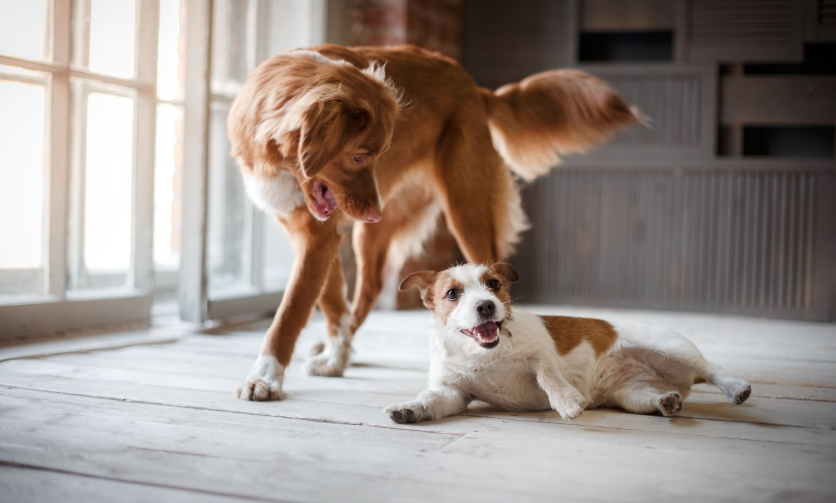
Before you let your new dog explore your home freely, it’s important to set things up properly. Preparation is about more than just opening the door; it’s about creating an environment where both dogs feel secure. Think about the home layout, sleeping areas, feeding spots, and even toys. Your current dog has established routines and favorite spots, so keeping some structure and order will prevent unnecessary stress. By planning ahead, you’re giving both dogs the best chance to start on a positive note.
Get Their Territories Straight
Dogs are naturally territorial creatures, so it’s essential to respect your resident dog’s space. Start by setting up separate areas for each dog, including beds, food and water bowls, and toys. This allows your old dog to feel secure without feeling like they’re losing what’s theirs. At the same time, your new dog can explore their own space and learn that they also have a safe place in your home. Giving each dog their own area reduces competition and helps prevent early conflicts over food or favorite toys.
Prepare for the Initial Meeting
The first meeting between your dogs should be handled thoughtfully. You don’t want to just let them loose and hope for the best, because sudden, unstructured introductions can lead to tension or even aggression. Take the time to plan a calm, controlled meeting that allows both dogs to observe and interact safely. Think of it as setting the stage for a successful friendship rather than risking a chaotic encounter.
The First Meeting: Let the Games Begin
The initial interaction is a crucial moment. How you handle this first meeting can set the tone for their future relationship. Structure, patience, and supervision are your best tools. Don’t expect instant friendship; instead, focus on creating a comfortable environment where both dogs can get used to each other without feeling threatened.
Neutral Ground: The Unbiased Arena
It’s best to introduce your dogs on neutral ground, such as a park, a quiet yard, or a friend’s property. Neutral territory ensures that neither dog feels their personal space is being invaded. If you introduce them at home right away, your old dog may perceive the new dog as an intruder, and this can spark defensive or territorial behavior. A neutral setting gives them a level playing field where curiosity and calmness are more likely to take the lead.
Leash and Control: The Power of Leashes
During the first meeting, both dogs should be on leashes. This gives you control while still allowing them to explore each other’s presence. Start by letting them sniff and observe each other from a safe distance, avoiding direct nose-to-nose contact immediately. This approach allows them to gauge one another’s temperament and gradually build comfort, reducing the chance of sudden confrontations.
Body Language: The Doggie Decoder
Understanding your dogs’ body language is essential during introductions. Dogs communicate mainly through posture, tails, and ears, so observing these signs helps you intervene if necessary.
Signs of Aggression
Growling, stiff posture, and bared teeth are clear signals that a dog is uncomfortable or feeling threatened. If you notice these, calmly separate the dogs and give them a break before trying again. Forcing interaction can worsen aggression and set back progress.
Signs of Curiosity
A relaxed tail, playful bows, and soft ears indicate interest and comfort. Short, positive interactions at this stage encourage a healthy and gradual bond. Rewarding calm behavior helps both dogs associate each other with good experiences.
Gradual Integration: No Rush, No Fuss
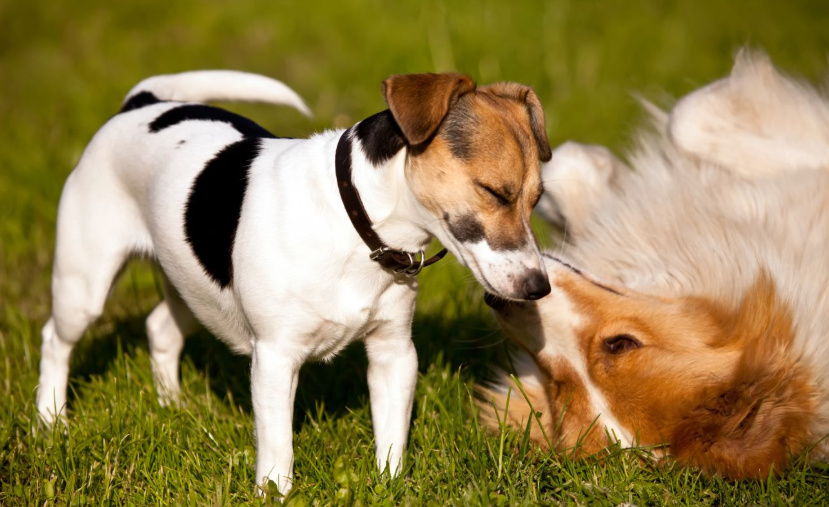
Patience is key. Rushing the process can overwhelm both dogs and lead to tension. Instead, allow them to spend increasing amounts of time together under supervision. Gradually extending interactions ensures that each dog adapts at their own pace, creating a stronger foundation for long-term harmony.
Supervised Visits: Keeping an Eye on Things
For the first few days, supervise every interaction. When you’re not around, keep them separated in different rooms. This gives them time to become familiar with each other’s scent and presence without risking a confrontation. Controlled exposure helps your dogs adjust safely and reduces the likelihood of unexpected conflicts.
Positive Reinforcement: The Treat Strategy
Reward calm and friendly behavior with treats and praise. Positive reinforcement teaches your dogs that good behavior brings rewards, helping them form positive associations with one another. Simple gestures like giving a treat after they sniff politely or play gently can work wonders in reinforcing peaceful coexistence.
Home Sweet Home: Settling In
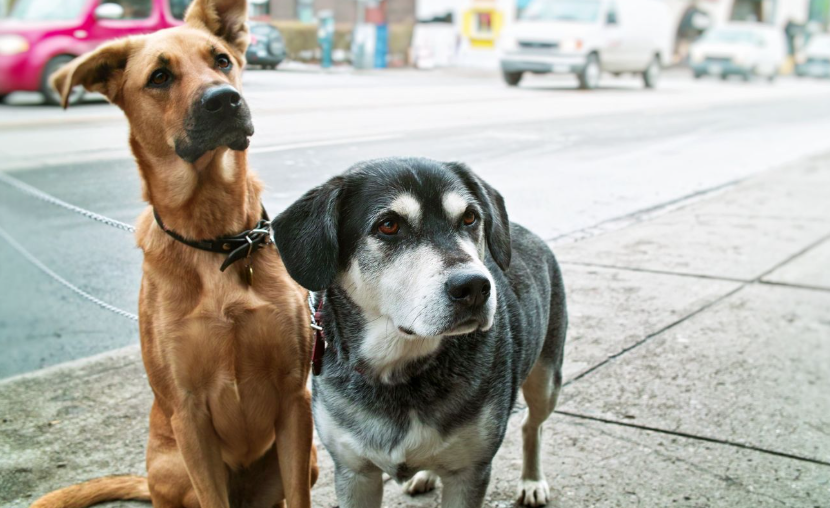
Once your dogs have had several successful meetings, they can start spending more time together freely. Continue to monitor their interactions for subtle signs of tension. Even after initial introductions go well, dogs are still learning each other’s boundaries, so keeping an eye on behavior is important.
Monitor Their Behavior
Watch for growling, stiff body language, or avoidance. Intervene calmly if needed, and always encourage positive interactions. Small adjustments early on can prevent conflicts from becoming habits.
Provide Plenty of Attention
Both dogs need affection and attention. Ensure your resident dog doesn’t feel neglected while your focus is on the new arrival. Extra care and love for your old dog helps them feel secure and reassured during this transition.
FAQ
How long will it take for my old dog to adjust to the new dog?
Adjustment varies. Some dogs welcome a new companion immediately, while others take weeks or even months to feel comfortable. Respect their pace and don’t force interactions.
What if my old dog keeps growling at the new dog?
Growling is a form of communication, not a sign of failure. Persistent growling may require the guidance of a professional dog trainer or behaviorist to help resolve tension safely.
Can I use treats to speed up the process?
Absolutely. Treats and praise can help create positive associations. Use them wisely to encourage calm and friendly behavior, not to bribe your dogs into liking each other instantly.
Final Thoughts of How To Introduce New Dog To Old Dog
Introducing a new dog to your household takes patience, planning, and observation. With time, both dogs can learn to coexist peacefully, share affection, and even form lasting bonds. Think of the process as teaching them a dance—they need to learn the steps, understand each other’s signals, and find a rhythm together. Mistakes and missteps are normal, but with consistent guidance, you can turn the introduction into a positive and rewarding experience for everyone in your family.