
How to Stop Your Puppy from Whining: All You Need To Know
Bringing a new puppy into your life is one of the most joyful and exciting experiences imaginable. There’s nothing quite like the feeling of seeing those little paws padding across your floor or hearing the tiny bark of curiosity. Yet, along with all the excitement, cuddles, and playful moments, puppies bring challenges too. One of the most common—and sometimes puzzling—behaviors you might encounter is whining.
Whining is a natural way for puppies to communicate. It’s how they tell us they need something, whether it’s attention, comfort, or reassurance. But when it happens constantly or for no obvious reason, it can quickly become frustrating. Understanding this behavior and knowing how to respond effectively is key to raising a happy, well-adjusted pup.
Understanding Why Puppies Whine
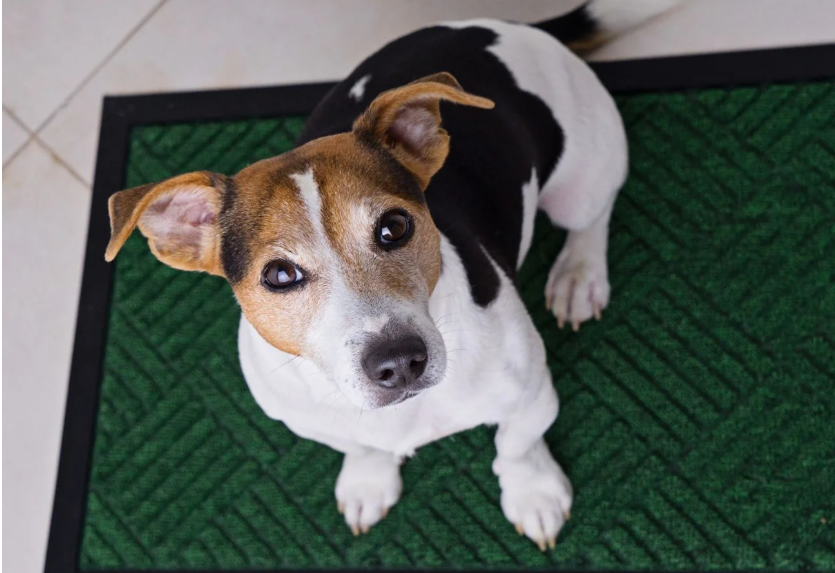
Puppies use whining as their voice. They don’t have words yet, so every squeak, whimper, or yelp is a form of communication. Sometimes it’s simple—they’re hungry, sleepy, or need to go outside. Other times, it’s deeper, signaling anxiety, boredom, or discomfort.
- Attention Seeking: Puppies quickly learn that whining often gets your focus. If they want to play, get picked up, or simply be near you, they will whine until they receive your attention.
- Boredom: When puppies don’t have enough to do, their energy turns into vocalization. A puppy left alone without stimulation will often whine simply to entertain themselves or express frustration.
- Anxiety or Fear: New surroundings, loud noises, or being away from their humans can trigger anxiety. Puppies may whine when they feel unsafe or unsure of their environment.
- Discomfort or Pain: Whining can indicate that something physically isn’t right. It could be hunger, thirst, or even pain from a minor injury or illness.
- Excitement: Puppies often vocalize when they are thrilled—whether it’s seeing you after a short absence or anticipating playtime.
By paying close attention to the context of the whining, you can better understand your puppy’s needs and respond appropriately.
Effective Techniques to Stop Your Puppy from Whining
Consistent Training
Training is the foundation for curbing whining. Puppies respond best when expectations are clear and consistent. Start by teaching simple commands like “quiet” or “enough.” When your puppy begins to whine, use the command in a firm yet calm tone. Reward them immediately when they stop, whether with a treat, gentle praise, or a brief play session. Over time, your puppy will associate being quiet with positive outcomes and begin to reduce unnecessary whining.
Patience is essential. Puppies are learning not just the words but the behavior behind them. They need time and repetition to understand that calm, quiet behavior brings rewards.
Provide Enough Exercise and Mental Stimulation
Puppies are bundles of energy, and excess energy often manifests as whining. Ensuring your puppy gets enough physical activity is crucial. Daily walks, outdoor playtime, and supervised adventures allow them to expend energy naturally.
Mental stimulation is just as important. Toys that challenge your puppy, such as puzzle feeders or treat-dispensing toys, keep their brains engaged and reduce boredom. Rotating toys regularly helps maintain interest and keeps your puppy’s mind active. A tired and mentally stimulated puppy is far less likely to whine unnecessarily.
Socialization

Exposure to different environments, people, and other animals builds confidence and reduces anxiety. Puppies who are used to a variety of sights, sounds, and experiences are less likely to whine out of fear or uncertainty.
Introducing your puppy gradually to new situations—like trips to a dog park, walks in busy areas, or meeting new family and friends—helps them learn that the world is safe and manageable. Over time, they develop resilience, making whining less frequent and more purposeful.
Create a Calm Environment
A peaceful environment can do wonders for reducing whining. Puppies are sensitive to noise and commotion. Keeping household noise at manageable levels, particularly during training or rest times, helps them feel secure.
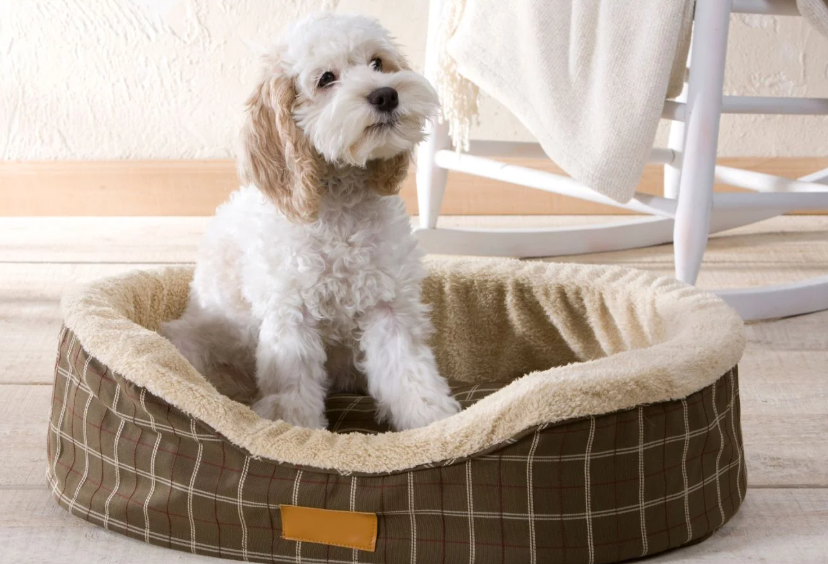
Providing a quiet and comfortable space for your puppy to retreat to is essential. A soft bed in a low-traffic area allows them to rest and decompress when the world feels overwhelming. Playing gentle music or using white noise can also mask sudden sounds that might trigger stress-induced whining.
Avoid Reinforcing Bad Behavior

It’s tempting to respond immediately when a puppy whines, especially if they tug at your heartstrings. But giving attention the moment they whine teaches them that vocalizing achieves their goal. Instead, wait until your puppy is calm and quiet before offering attention, treats, or play.
Consistency is key. If your puppy whines in their crate or when confined to a room, don’t release them or give in until they settle down. Over time, they learn that whining isn’t effective, while calm behavior earns rewards.
Use Distractions
Redirecting your puppy’s attention can be incredibly effective. When whining starts, offer a toy, initiate a game, or provide a small treat. Shifting their focus interrupts the whining and helps them engage in a more appropriate activity.
Desensitization

Gradual exposure to triggers that cause whining helps your puppy adjust without stress. For instance, if they whine when you leave the room, start by leaving for very short periods, then slowly extend the time. Reward them when they remain calm. This approach helps them associate previously stressful situations with positive experiences.
Seek Professional Help
If your puppy continues to whine despite your best efforts, working with a professional trainer or behaviorist can provide personalized guidance. They can assess your puppy’s behavior, identify triggers, and create a structured plan to address the whining effectively.
Consider Anti-Anxiety Products

In some cases, puppies benefit from calming tools such as collars, sprays, or supplements. These products can help during stressful events like thunderstorms or vet visits. Always consult a veterinarian before introducing anything new to ensure safety and suitability for your puppy.
Establish a Routine
Puppies thrive on predictability. A consistent schedule for feeding, playtime, exercise, and sleep reduces anxiety and makes them feel secure. Knowing what to expect at different times of the day helps prevent stress-related whining.
Address Underlying Health Issues
Sometimes, whining signals more than behavior—it may indicate a health problem. If your puppy is whining excessively or showing other signs of discomfort, a veterinary check-up is essential. Pain, digestive issues, or illness could be the underlying cause, and addressing it directly will improve their well-being.
Use Crate Training Wisely
Crate training can be highly effective when used correctly. The crate should be a safe, positive space filled with soft bedding, toys, and occasional treats. Never use the crate as punishment, and avoid leaving your puppy confined for long periods. When introduced properly, crates provide security and help manage behaviors like whining.
Positive Reinforcement
Rewarding good behavior consistently is one of the most effective ways to train a puppy. Treats, praise, and playtime immediately following calm behavior reinforce the lessons you want them to learn. Avoid physical punishment or yelling, as this can increase fear and anxiety, making the whining worse.
Patience and Persistence
Reducing whining takes time. Puppies are learning how to navigate a new world, and setbacks are normal. Remaining patient, calm, and consistent while reinforcing positive behaviors ensures long-term success. Your steady presence and guidance are crucial to their development.
Final Thoughts of How to Stop Your Puppy from Whining
Whining is a natural part of puppy life. It’s their way of expressing needs, emotions, and curiosity. However, excessive whining can become stressful for both you and your puppy if left unaddressed. By understanding their behavior, offering mental and physical stimulation, creating a calm environment, and using consistent training techniques, you can help your puppy learn to communicate in healthier ways.
With patience, persistence, and positive reinforcement, your puppy will gradually whine less, gain confidence, and enjoy a more peaceful, happy home life. Each step you take to guide them builds trust, strengthens your bond, and ensures a well-adjusted companion for years to come.