How to Train a Stubborn Dog: Pro Tips
How to Train a Stubborn Dog: Patience, Consistency, and Positive Reinforcement
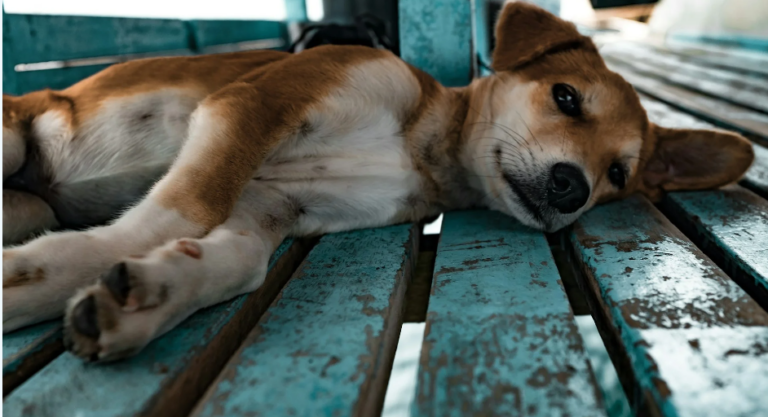
Training a stubborn dog can feel like a real test of patience. One moment, they’re adorable and attentive, and the next, they’re giving you the side-eye while completely ignoring your commands. If this sounds familiar, don’t worry—you’re not alone. Stubborn dogs aren’t impossible to train; they just need the right approach, consistency, and a bit of creativity to get results.
With the right mindset and techniques, you can turn that headstrong pup into a well-behaved companion, all while strengthening the bond between you.
Be Consistent—Seriously, Don’t Skip This
Consistency is the foundation of training, especially for dogs who have a stubborn streak. If today your dog is allowed on the couch but tomorrow you scold them, they’ll have no clue what’s expected. This confusion slows progress and can lead to frustration for both of you.
Always use the same commands. Stick with “sit,” “stay,” and “come,” and avoid switching up words or phrases. Dogs aren’t mind readers, and clear, predictable instructions help them learn faster. Timing is just as important—reward your dog immediately when they obey, so they connect the behavior with the positive outcome.
Consistency also applies to everyone in the household. If one person allows certain behaviors while another enforces rules, your dog will pick the path of least resistance. Structure and repetition are key, especially with a stubborn dog who might otherwise test boundaries.
Positive Reinforcement (AKA: Bribery Works)
Let’s face it: dogs respond to rewards. Your stubborn dog isn’t ignoring you out of malice—they simply need motivation. Positive reinforcement encourages them to repeat the behaviors you want, whether it’s sitting calmly, coming when called, or walking nicely on a leash.
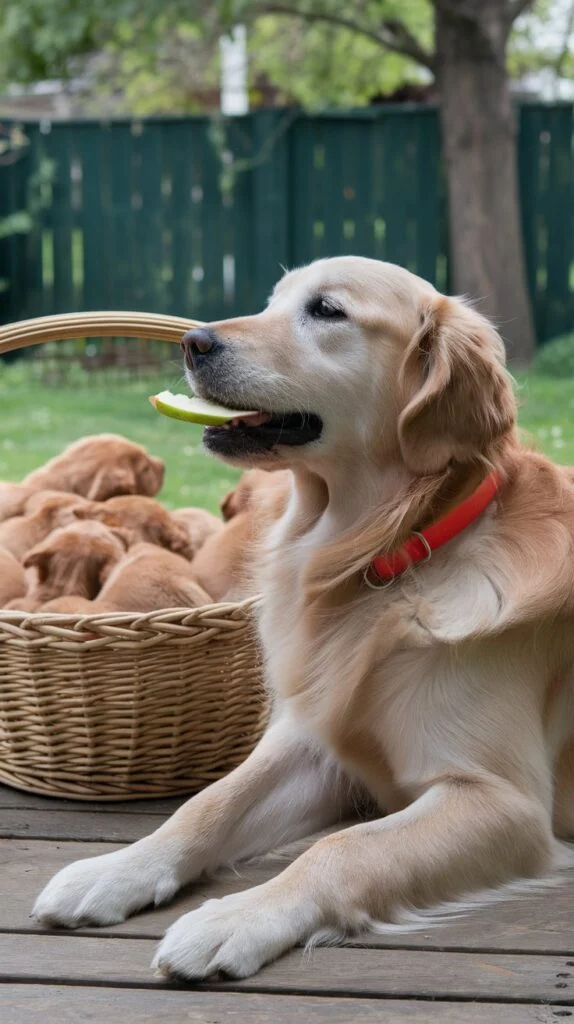
Reward your dog immediately with something they love, like a treat, a favorite toy, or a belly rub. High-value rewards are essential—small pieces of cheese, chicken, or a particularly smelly dog treat can make a world of difference. Don’t forget verbal praise and enthusiasm. Your tone and excitement help reinforce the connection between good behavior and positive outcomes.
The key is consistency in rewarding good behavior. Don’t give a treat for “sit” on Tuesday and ignore the same behavior on Wednesday. Keep reinforcing the behaviors you want until they become habits. Avoid punishment—it creates confusion and can make a stubborn dog even more resistant to learning.
Keep Training Sessions Short and Sweet
Stubborn dogs often have limited attention spans. Long, drawn-out training sessions can feel exhausting for both you and your dog. Keep sessions brief—around 5-10 minutes—and focus on quality over quantity.
Incorporate fun elements like toys, play, or a short game of chase to maintain energy and engagement. Breaking training into multiple short sessions throughout the day keeps your dog interested and makes learning feel like a game rather than a chore.
Stay Patient—Easier Said Than Done
Patience is critical when training a stubborn dog. Progress might feel slow, and some days you may feel like you’re going backward. Break tasks into smaller, manageable steps. If your dog struggles to hold a “stay” for 30 seconds, start with just five and gradually build up. Celebrate every small success—it motivates both you and your dog.
Training isn’t just about obedience; it’s also about building trust. Stubborn dogs can sense frustration, so maintaining calm and positive energy strengthens your relationship and makes learning more effective.
Avoid Punishment—It Doesn’t Work Anyway
Punishing a stubborn dog rarely produces the results you want. Instead, it can create fear, confusion, and resistance. Negative reinforcement often makes dogs more stubborn, not less.
Focus on rewarding the behaviors you want, and redirect unwanted behaviors calmly. Show your dog what to do instead of what not to do. Positive encouragement builds confidence, strengthens trust, and makes training a more enjoyable experience for both of you.
Use Their Energy to Your Advantage
Stubborn dogs often have high energy levels. Whether it’s natural excitement or pent-up frustration, you can channel this energy into training sessions. Incorporate movement and play into your lessons. Practice commands during fetch, short walks, or interactive games.
A well-exercised dog is more focused, responsive, and motivated to learn. Using their energy productively makes training feel less like a battle and more like an engaging activity.
Understand Your Dog’s Breed
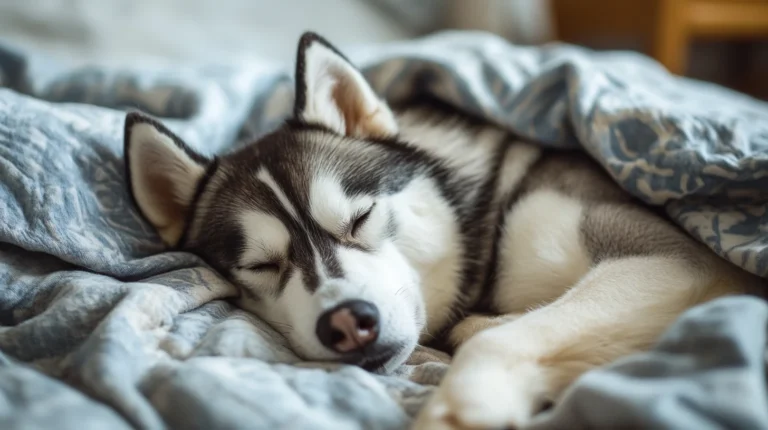
Some breeds are naturally more independent or stubborn. Huskies, Beagles, and Dachshunds, for example, often have a strong will and may need extra motivation or unique strategies to stay engaged. Understanding your dog’s breed traits helps you tailor your training approach.
Research breed-specific behaviors and challenges, and adjust expectations accordingly. For scent-driven dogs like Beagles, incorporating scent games can make training more stimulating. Recognizing these traits prevents frustration and improves your overall success.
FAQs About Training a Stubborn Dog
Why is my dog so stubborn during training?
Certain breeds are naturally independent, and individual dogs may be stubborn due to boredom, lack of motivation, or unclear expectations.
How do I stay patient with a stubborn dog?
Break tasks into small steps, celebrate every small success, and take breaks if either you or your dog gets frustrated. Positive reinforcement and calm energy are essential.
Should I use treats all the time?
Treats are great for motivation, especially at the beginning. Over time, you can replace them with praise or play so your dog doesn’t rely solely on food rewards.
Final Thoughts
Training a stubborn dog is challenging but completely doable. The secret is consistency, positive reinforcement, short and engaging sessions, and a lot of patience. Remember, it’s not just about teaching commands—it’s about building trust, confidence, and a strong bond with your dog.
With the right approach, even the most headstrong pup can learn to follow commands, behave calmly, and become a reliable companion. Stay patient, stay positive, and celebrate every little win—you’ll get there, one step at a time.