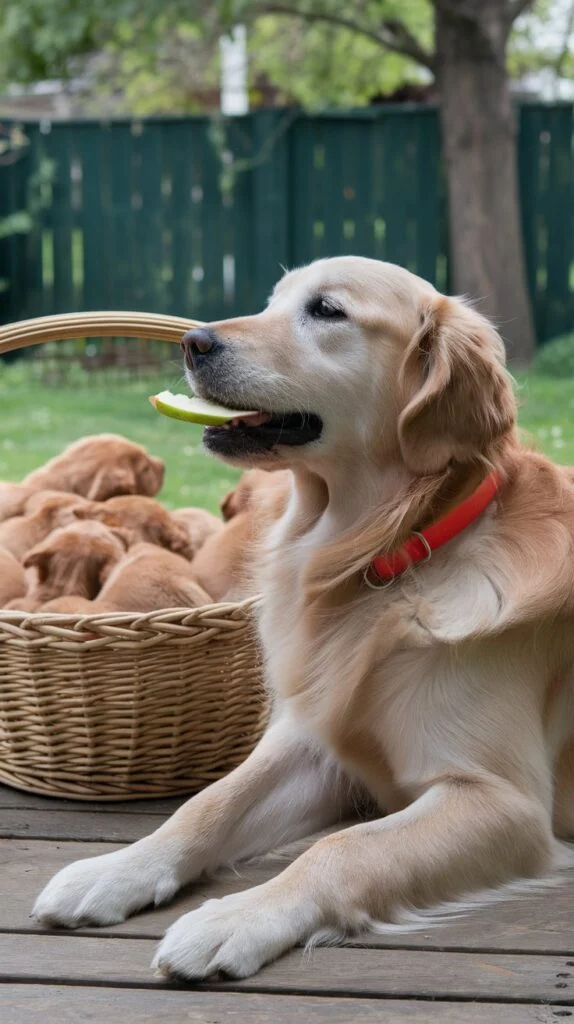
Can You Train Your Dog at Home? Yes—And Here’s How to Do It Right
I used to question if I could really train your dog at home without outside help. My dog had endless energy, ignored simple commands, and treated every object like a toy. It felt overwhelming, and I honestly thought I might not be capable of handling it on my own.
Over time, I figured out that home training wasn’t the problem—my approach was. Once I became consistent and paid attention to how my dog responded, things started improving. Small changes in routine made a big difference, and I realized progress doesn’t happen overnight, but it does happen.
Save For later

Why Training Your Dog at Home Actually Matters
I learned that dogs aren’t naturally wired to follow human rules. When mine acted out, it wasn’t intentional—it was confusion. Once I started guiding him clearly, his behavior began to make sense.
Training at home made daily life easier for both of us. Walks became manageable, guests didn’t feel stressful, and the house stayed more organized. The biggest change was communication. My dog started understanding what I wanted, and I became better at reading his behavior.
Key Takeaways
- You can train your dog at home with simple daily effort
- Familiar environments help dogs learn faster
- Consistency matters more than perfection
- Short training sessions work better than long ones
- Rewards encourage repeat good behavior
- Clear commands reduce confusion
Pro Tip
What worked best for me was turning everyday moments into training opportunities. I stopped setting aside “training time” and instead used real situations—like asking my dog to sit before meals or wait at the door. I kept my tone calm and consistent so he wouldn’t get mixed signals. I also made sure to reward immediately, even if the progress was small. When he didn’t respond, I avoided repeating commands and instead reset the situation. Over time, this built better habits because training became part of normal life instead of a separate task.
Related Posts
Simple Puppy Obedience Training Tips for Beginners
How to Train a 6 Month Old Dog Fast and Effectively
Step-by-Step Guide to Training a 6 Month Old Dog at Home
Step 1: Set Realistic Expectations From the Start
Training takes time. Dogs don’t learn everything in one afternoon, and progress rarely happens in a straight line. Some days will feel productive, and other days will feel like you’re starting from scratch. That’s normal.
Start with small, achievable goals. Focus on one basic command at a time, such as sit. Once your dog understands that, move on to stay, then come. Each success builds confidence for both of you. When expectations are realistic, frustration stays low and motivation stays high.
Step 2: Find What Truly Motivates Your Dog
Dogs don’t work for free. Praise alone usually isn’t enough, especially in the early stages of training. You need to find what your dog genuinely cares about.
For many dogs, food is the strongest motivator. Small, high-value treats grab attention and keep focus. Some dogs prefer toys, while others respond best to physical affection like belly rubs or excited praise. The key is observing what makes your dog light up and using that as reinforcement.
Keep training sessions short, usually between five and ten minutes. Ending on a positive note keeps your dog engaged and eager for the next session.
Step 3: Master Your Timing
Timing is one of the most important parts of training. When your dog does something right, reward them immediately—within a second or two. This helps them clearly connect the behavior with the reward.
If the reward comes too late, your dog may associate it with the wrong action. Clear timing creates clear communication, and clear communication speeds up learning. The faster your feedback, the easier it is for your dog to understand what you want.
Step 4: Stay Consistent, Even on Busy Days
Consistency is what turns training into a habit. Using different words for the same command or allowing behaviors sometimes but not others only confuses your dog.
Choose one command word and stick with it. Apply the same rules every day. If something isn’t allowed, it shouldn’t suddenly become okay because your dog looks cute or you’re tired. Dogs thrive on structure, and consistency gives them a sense of security.
When everyone in the household follows the same rules, training becomes much more effective.
Step 5: Make Training Enjoyable for Both of You
Dogs learn faster when training feels fun. Use an upbeat voice, celebrate small wins, and keep the mood light. If training feels stressful or boring, your dog will disengage quickly.
Think of training as quality time rather than a chore. Turning commands into games, adding movement, and showing excitement makes learning enjoyable. Positive energy encourages participation and builds enthusiasm over time.
When Home Training Isn’t Enough
While most dogs do well with home training, some situations require professional support. Severe aggression, intense fear, or anxiety-related behaviors may need expert guidance. Reaching out for help isn’t a failure—it’s a smart step when challenges go beyond basic obedience.
Professional trainers can provide structure, personalized strategies, and support that help you move forward faster and with more confidence.
Final Verdict: Can You Train Your Dog at Home?
Yes, you can. Training at home is not only possible, it’s often the best option for building real-life skills and a strong relationship with your dog. Success comes from showing up consistently, rewarding good behavior, staying patient, and keeping things positive.
There’s no shortcut or secret trick. It’s repetition, encouragement, and steady effort. When you commit to the process, your dog learns, grows, and becomes a better companion every day.
Even if progress feels slow, keep going. Your dog is learning more than you realize—and they’re counting on you to guide them. 🐾
All content on this site is written and reviewed by our experienced team to ensure it is accurate, reliable, and helpful for our readers. Our Our Process page explains how we carefully research and create high-quality content, while our Team page introduces the professionals behind our work. We also provide clear guidelines for content or image concerns on our Image Removal page, so you can trust that we prioritize transparency, quality, and reader safety.