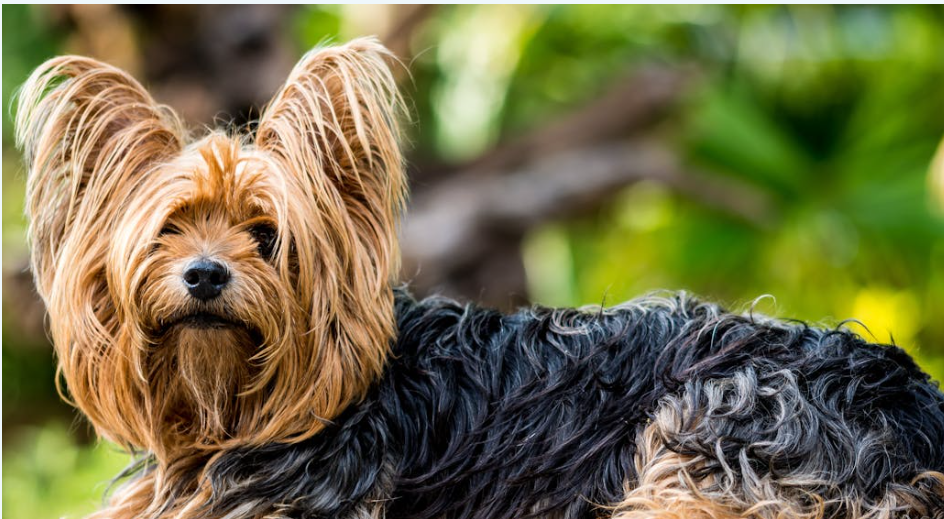
How To Train A Yorkshire Terrier
Yorkshire Terriers might be small, but they certainly know how to make their presence felt. With their tiny frames and confident personalities, they often seem to think they’re running the household. If you’re constantly negotiating with a little seven-pound ball of energy, it’s normal to feel challenged.
Training your Yorkie doesn’t have to feel like a battle. With patience, consistent routines, and understanding how they think, you can guide them into becoming a well-behaved companion rather than letting their sass rule your home.
Step 1: Start Early (Like, Yesterday)
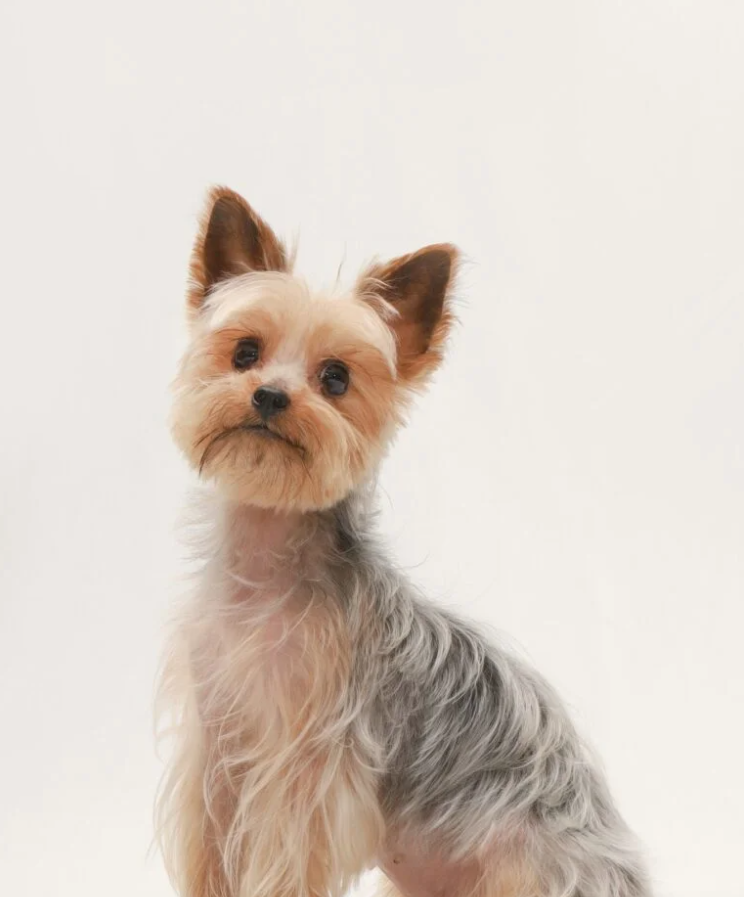
Starting training when your Yorkie is young is a huge advantage. Puppies are incredibly receptive—they absorb information quickly and naturally, like little sponges. Basic obedience, potty routines, and crate training should begin as soon as they arrive in your home.
If your Yorkie is older, don’t worry. Training is still possible, though it may require extra patience and some enticing rewards to keep them motivated. Consistency and repetition are key for all ages.
Step 2: Use Positive Reinforcement
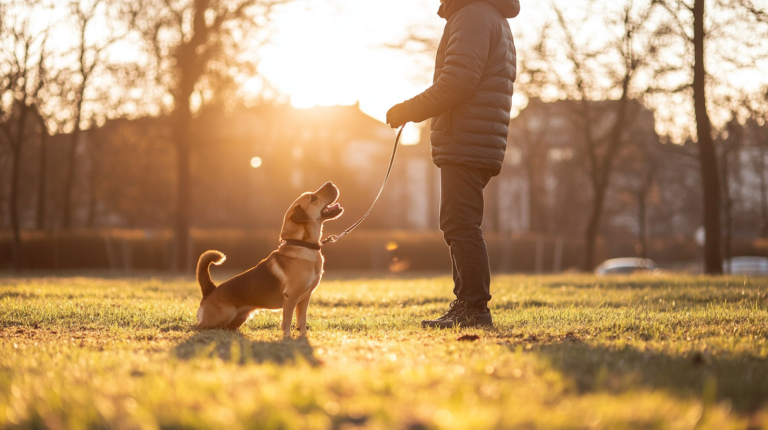
Yorkies are intelligent but can be a bit stubborn. Harsh punishments rarely work; they tend to ignore scolding or even become more resistant. Positive reinforcement, on the other hand, taps into their desire for attention, treats, and play.
Here’s how to make it effective:
- Treats: Use small, tasty rewards to mark good behavior.
- Praise: Verbal encouragement makes them feel recognized and appreciated.
- Toys: Some Yorkies respond better to toys than snacks—use what motivates your pup most.
Every success counts. Sitting, staying, coming when called, or using the bathroom outside—celebrate these moments generously. Small wins build lasting habits.
Step 3: Potty Training: The Struggle Is Real
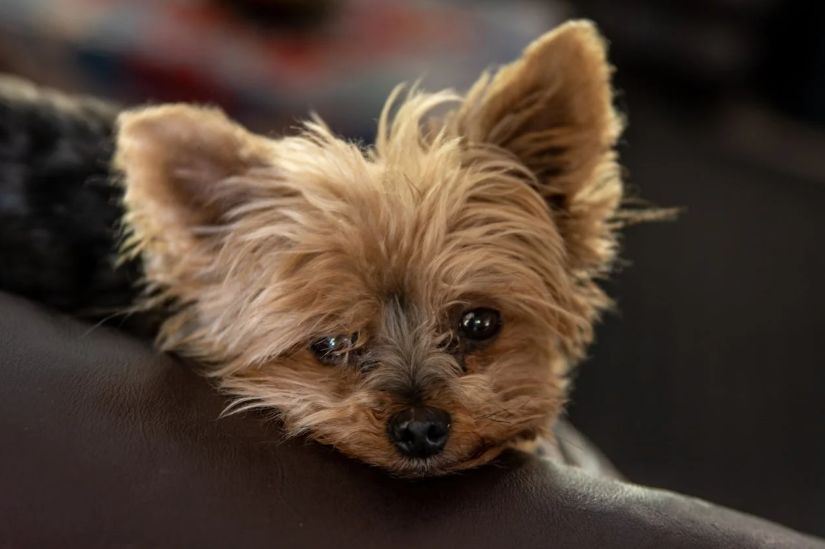
Potty training a Yorkie can be tricky. Their tiny bladders mean frequent bathroom breaks are necessary. Miss a window, and you’ll have an accident to clean up.
To help your Yorkie succeed:
- Set a consistent schedule: Take them out first thing in the morning, after meals, and before bed.
- Use a designated spot: Whether outside or on a pee pad, routine is crucial.
- Celebrate successes: Give lots of praise whenever they use the right spot.
Accidents are normal. Stay calm, clean it up, and continue the routine. Over time, they’ll learn the expected behavior.
Step 4: Nail the Basics First
Before diving into fancy tricks, make sure your Yorkie masters the essentials:
- Sit: Use a treat to guide them down and pair it with the command “sit.”
- Stay: Start with a few seconds, then gradually increase the duration, rewarding every improvement.
- Come: Call their name enthusiastically and reward them for responding. Avoid using this command for punishment—otherwise, they may ignore you.
Once these basics are solid, you can add fun commands like “paw” or “roll over.” Foundation first, flair later.
Step 5: Deal with the Barking (AKA the Yorkie Megaphone)
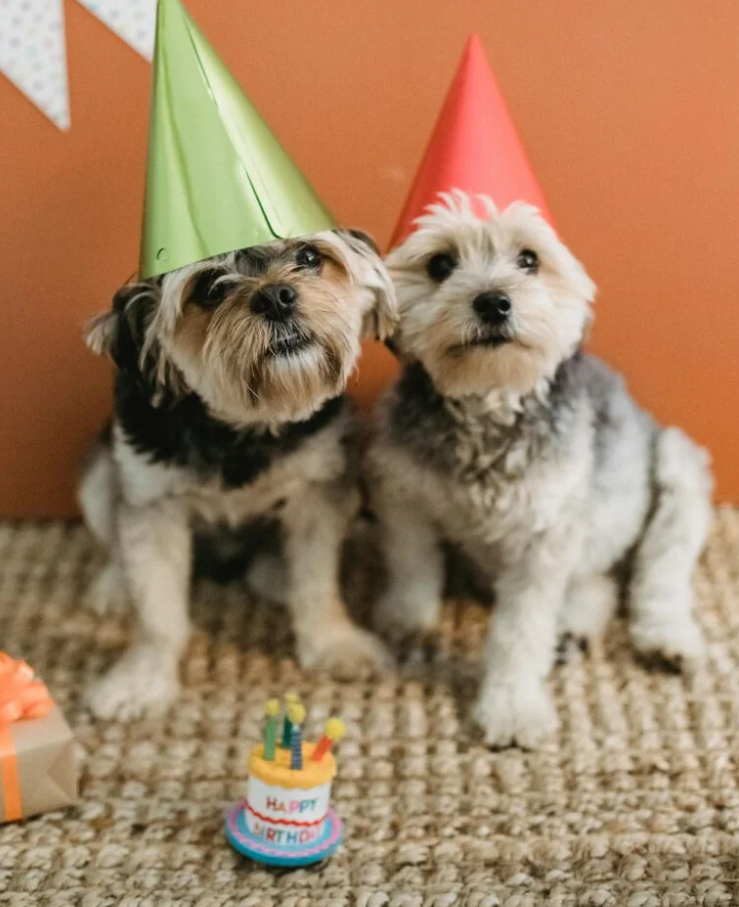
Yorkies may be small, but their bark is mighty. They bark at everything—leaves, visitors, or even just out of boredom. While it can be adorable initially, constant noise can quickly become overwhelming.
To manage barking:
- Ignore attention-seeking barks: Yelling can unintentionally reward them.
- Teach “quiet”: Reward them when they stop barking, reinforcing calm behavior.
- Redirect focus: Distract with a toy or command to shift attention away from triggers.
With time and consistency, you can reduce unnecessary barking without stressing your pup—or your ears.
Step 6: Socialize Like a Pro
Yorkies are fearless, which is charming—until they challenge dogs much larger than themselves. Early socialization is key to raising a confident, well-adjusted dog.
- Introduce them to other dogs: Controlled interactions during walks help build social skills.
- Expose them to people and environments: Gradually increasing exposure prevents fear and overreaction.
- Reward calm behavior: Stay relaxed and redirect attention during tense moments.
The goal is a bold but polite Yorkie who can navigate new situations without turning into a tiny dictator.
Step 7: Stay Consistent (Seriously, Don’t Slack)

Consistency is everything for Yorkies. They quickly learn patterns, but mixed messages create confusion.
- Stick to rules: If the couch is off-limits, enforce it every day.
- Use the same commands: Avoid switching phrases—“come here” should mean the same every time.
- Repetition is essential: They may act stubborn, but consistent practice ensures progress over time.
Structure gives them confidence and makes training more effective.
Step 8: Make It Fun (Because Why Not?)
Yorkies have short attention spans. Training sessions should be brief, engaging, and rewarding—five to ten minutes is ideal.
Mix different commands and activities to keep their interest. End sessions on a positive note so they associate learning with enjoyment. Fun experiences reinforce behavior far better than long, tedious drills.
Bonus Tip: Patience Is Key

Yorkies are small but determined. Training won’t happen overnight. Some days may feel like setbacks, others full of progress.
The important part is to stay patient, positive, and celebrate even tiny achievements. Eventually, you’ll see your Yorkie responding reliably, sitting calmly on command, and demonstrating the manners you’ve worked to teach.
Final Thoughts of How To Train A Yorkshire Terrier
Training a Yorkie is a journey filled with challenges, but also immense rewards. When your tiny companion finally listens, greets visitors calmly, or performs a trick perfectly, the satisfaction is unmatched.
With consistency, patience, and plenty of rewards, you’ll raise a confident, well-behaved Yorkie—and the effort is absolutely worth it.