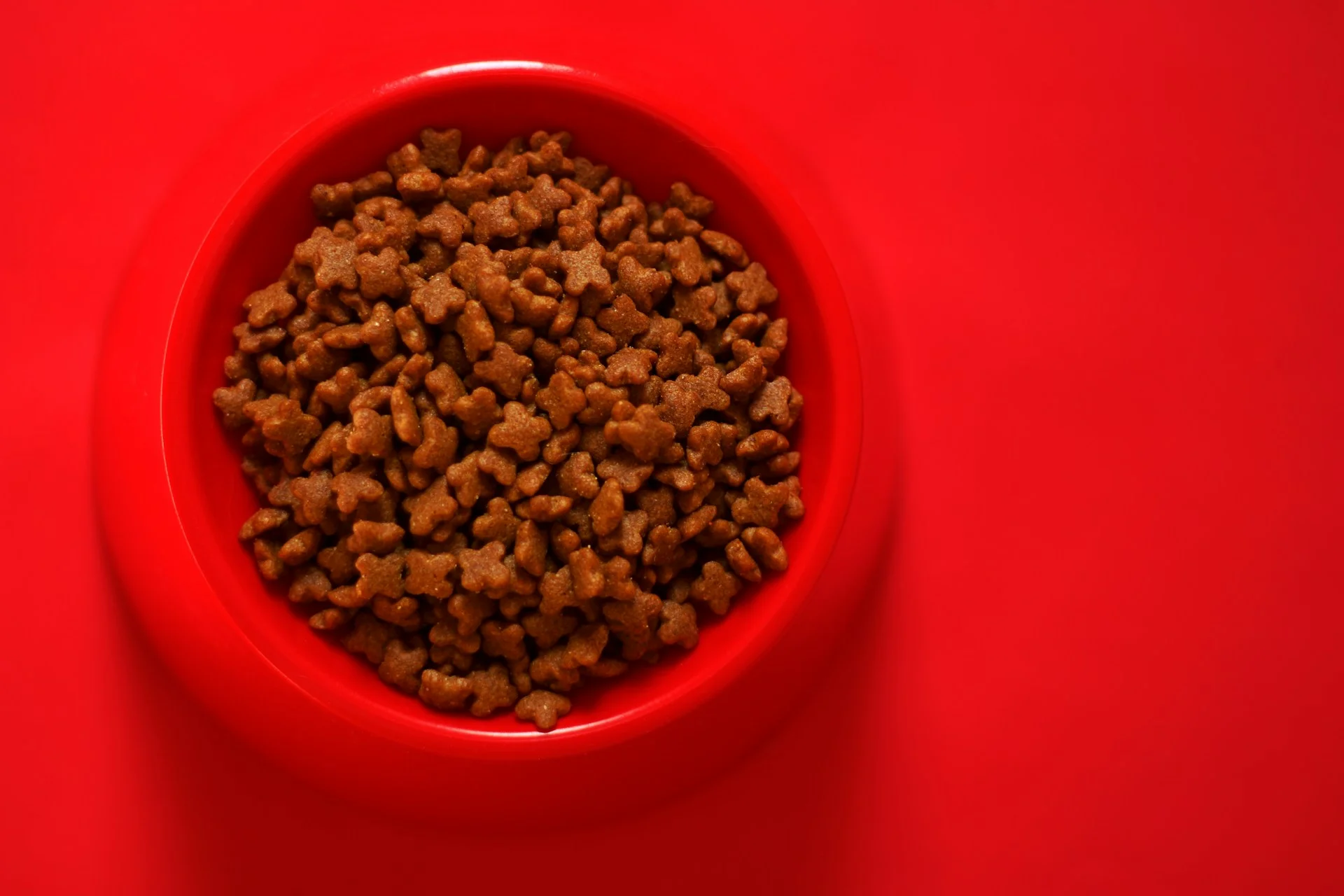
Is Royal Canin Dog Food Actually That Good?
Choosing dog food can feel like solving a puzzle. I’ve spent over 20 years living with, grooming, feeding, and experimenting with dogs of all breeds and ages. In that time, I’ve seen first-hand how picky some dogs can be, how digestive issues can arise with certain diets, and what makes a dog thrive. One brand that often comes up in conversations, vet recommendations, and online forums is Royal Canin. It’s everywhere, and yes, it isn’t cheap. But the big question remains: is it actually worth it for your dog?
Key Takeaways
- Royal Canin is a science-backed, vet-developed brand with breed and life-stage specific formulas
- Dogs often accept it readily, even picky eaters
- Ingredients are balanced but include by-products and grains, not “all-natural” meats
- Specialized veterinary diets can help with kidney issues, weight management, and food allergies
- The brand is pricey compared to homemade or alternative diets
- Always transition gradually and consult your vet for personalized advice
What Is Royal Canin, Anyway?
Royal Canin was founded in the 1960s by a veterinarian, which instantly made me pay attention. Its goal is science-based dog nutrition, with formulas tailored for breeds, sizes, life stages, and medical conditions. They have options for puppies, adults, seniors, small breeds, large breeds, and even dogs with kidney disease, skin sensitivities, or weight concerns.
From my experience, dogs often accept Royal Canin immediately—something I can’t say about every premium brand. This makes it a go-to for veterinarians and pet owners who need reliability.
What’s in It?
The ingredients list is a mix of nutritionally solid and some processed components. Here’s a breakdown from my years of reviewing dog diets:
- Common Ingredients: Chicken by-product meal, corn, wheat—these are staples. They’re not inherently harmful but may not satisfy owners seeking grain-free, meat-first options.
- Fortified Goodies: Vitamins, minerals, and omega fatty acids are included for balanced nutrition.
- No Flashy Trends: Unlike other brands that highlight “organic” or “raw-inspired,” Royal Canin sticks to scientific efficacy over marketing hype.
Statistically, studies suggest dogs on balanced diets with by-products and grains maintain healthy body weight and nutrient balance, so the food works as intended.
What Makes Royal Canin Different?

1. Tailored Nutrition
Royal Canin shines in breed-specific nutrition. For example, a Chihuahua and a Labrador have different jaw structures, metabolism, and nutritional needs. Royal Canin addresses these differences. They also provide size-specific formulas and veterinary diets for conditions like renal disease or weight management.
2. Science-Based Approach
This isn’t about buzzwords; it’s about research-backed nutrition. Their formulas are developed alongside vets and nutritionists, something I personally value after two decades of observing dietary effects on dogs.
3. Dogs Seem to Love It
Across multiple breeds and temperaments, dogs tend to eat Royal Canin without hesitation. In my experience, this is half the battle—a nutritious diet is useless if your dog refuses to eat it.
Why People Like It

- Options Galore: Life stage, breed, and condition-specific formulas make choices easier.
- Vet Recommended: Many veterinarians trust Royal Canin for clinical or specialized diets.
- Tasty to Dogs: Acceptance rates are high even in picky eaters.
- Specialized Diets Work: Medical formulas can address digestive, skin, and renal issues.
Why It Might Not Be for You
- Pricey: A 30 lb bag can cost over $100. Big dogs and prescription diets amplify the cost.
- Ingredient Concerns: By-products and grains may not appeal to whole-food-focused owners.
- Not Trendy: No raw-inspired, organic, or boutique options—straightforward, functional nutrition.
Is Royal Canin Right for Your Dog?
It depends on your priorities:
- Health Issues: Dogs with medical conditions benefit most from specialized formulas.
- Picky Eaters: Dogs who refuse other foods may readily accept Royal Canin.
- Ingredient-Conscious Owners: If whole, minimally processed foods are a priority, consider alternatives or homemade options.
Tips for Choosing Royal Canin Food
- Ask Your Vet: They can recommend formulas specific to your dog’s breed, age, and health.
- Check the Ingredients: Make sure you are comfortable with by-products and grains.
- Transition Slowly: Gradual introduction prevents stomach upset—typically over 7–10 days.
Final Thoughts
Is Royal Canin perfect? No. But it’s balanced, effective, and widely accepted by dogs, which makes it a solid choice for many owners. For dogs with specific health needs or those recommended by a vet, it’s often a reliable option. Ultimately, the best dog food is one that keeps your pup healthy, happy, and thriving. Whether that’s Royal Canin or another diet depends on your dog’s unique needs.