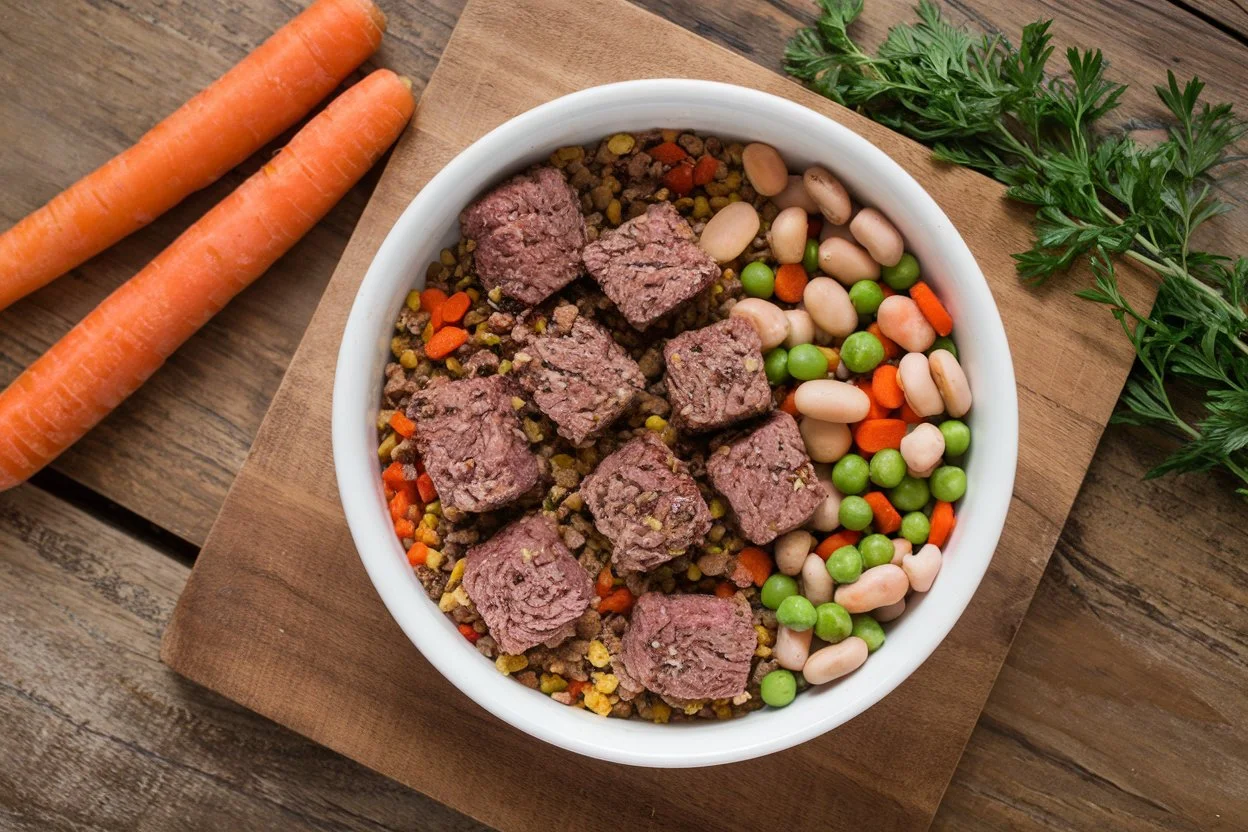
Simple Lamb & Vegetable Dog Food Recipe
Most commercial dog foods are convenient, but when you really stop and think about what’s inside those bags, you start questioning things. Many dog owners eventually realize that the same dry kibble every day doesn’t feel like the best option for their pets. Dogs eat it because it’s what they’re given, but that doesn’t necessarily mean it’s the most nutritious or enjoyable meal they could have.
When you begin paying attention to ingredient labels, you’ll often see fillers, artificial additives, and ingredients that are hard to recognize. After years of caring for dogs and experimenting with different feeding options, one thing becomes clear: dogs respond incredibly well to fresh food. They digest it better, they seem more excited at mealtime, and their overall health often improves.
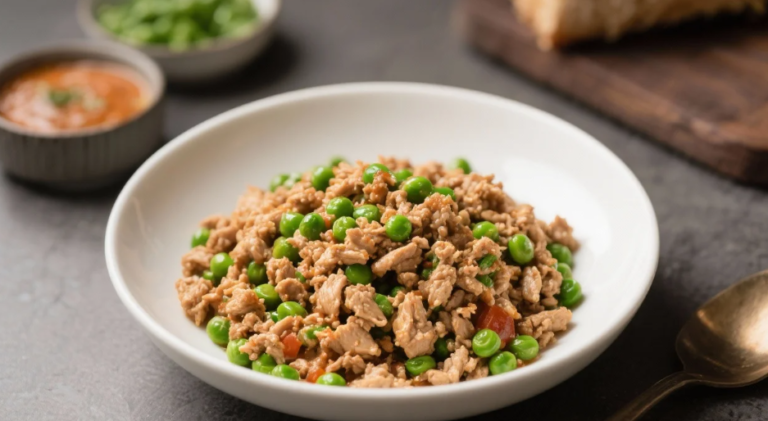
That’s where this simple lamb and vegetable dog food recipe comes in. It’s a straightforward homemade meal made with real ingredients that dogs love. It takes very little time to prepare, doesn’t require complicated cooking skills, and allows you to know exactly what your dog is eating.
Many dog owners who switch to homemade meals quickly notice the difference. Dogs often become more energetic, their coats look healthier, and mealtime becomes something they truly look forward to.
Why Homemade Lamb and Vegetable Dog Food Is a Great Choice
Feeding your dog fresh food isn’t about following a trend. It’s about giving them something that actually supports their health. Lamb is an excellent protein source for many dogs, especially those who may struggle with common proteins like chicken or beef.
Some dogs develop sensitivities over time, and lamb tends to be easier on their digestive systems. It’s rich in essential amino acids, iron, and healthy fats that support muscle development and energy.
Vegetables add another important layer of nutrition. Carrots, green beans, and peas contain vitamins, minerals, and fiber that support digestion and immune health. When you combine these ingredients with a small portion of grains like brown rice or quinoa, you create a balanced meal that provides protein, fiber, and slow-releasing carbohydrates.
Another reason many dog owners prefer homemade food is the control it gives them. You choose every ingredient. You avoid preservatives and unnecessary fillers. You can adjust the recipe based on your dog’s preferences, health conditions, or dietary needs.
Over time, preparing meals like this becomes second nature. Once you’ve made it a few times, the process is quick and easy, and you’ll likely find that your dog gets excited the moment they smell the food cooking.
Key Benefits of This Lamb and Vegetable Dog Food
Homemade dog food offers several benefits when prepared correctly.
Better digestion
Fresh ingredients are easier for many dogs to process compared to heavily processed kibble. Fewer artificial ingredients mean fewer chances of stomach upset.
Healthier skin and coat
Lamb contains healthy fats, and olive oil provides additional fatty acids that support shiny fur and healthy skin.
Improved energy levels
Dogs fueled by balanced whole foods often show more consistent energy throughout the day.
Full ingredient control
You know exactly what your dog is eating because you prepared it yourself.
Flexible recipe options
You can easily swap ingredients if your dog has allergies or dislikes certain foods.
Ingredients You’ll Need
The ingredients for this recipe are simple and widely available. Each one contributes something valuable to your dog’s nutrition.
Main ingredients
• 1 pound ground lamb or finely chopped lamb shoulder
• 1 cup diced carrots
• 1 cup chopped green beans
• ½ cup peas (optional)
• 1 tablespoon olive oil
• 1 cup cooked brown rice or quinoa
Carrots provide vitamin A and antioxidants that support vision and immune health. Green beans add fiber and important vitamins while remaining low in calories. Peas provide plant-based nutrients and additional protein, although some dogs may prefer the recipe without them.
Olive oil adds healthy fats that help maintain skin and coat health. Brown rice or quinoa offers slow-digesting carbohydrates that provide steady energy and support digestion.
If your dog is older or has dental issues, lightly steaming vegetables until they are soft can make them easier to chew and digest.
How to Make Lamb and Vegetable Dog Food
Preparing this meal is simple and usually takes about twenty minutes.
Step 1: Cook the Lamb
Start by placing the ground lamb in a large pan over medium heat. Break the meat apart while cooking so it browns evenly. Continue cooking until the lamb is fully done.
Lamb naturally contains fat, so once the meat finishes cooking, check the pan. If there is a large amount of grease, draining some of it helps keep the meal balanced. Some dogs benefit from extra calories, but for most dogs, removing excess fat is the better option.
Step 2: Prepare the Vegetables
While the lamb cooks, chop the carrots and green beans into small pieces. Smaller pieces make it easier for dogs to eat and digest.
Steam the vegetables until they become tender but still hold their shape. Overcooking vegetables can remove some nutrients and leave them too soft.
Step 3: Combine the Ingredients
In a large mixing bowl, combine the cooked lamb, steamed vegetables, peas if you’re using them, and cooked brown rice or quinoa.
Mix everything thoroughly so the ingredients are evenly distributed throughout the meal.
Step 4: Add Healthy Fats
Drizzle the olive oil over the mixture and stir again. This helps coat the ingredients and ensures your dog gets the healthy fats included in the recipe.
Step 5: Cool Before Serving
Allow the food to cool completely before feeding it to your dog. Freshly cooked food can be too hot and may cause burns.
Once cooled, it’s ready to serve.
Proper Storage for Homemade Dog Food
Homemade dog food should always be stored safely to maintain freshness and prevent spoilage.
Refrigerator storage
Place leftovers in an airtight container and store them in the refrigerator. The food typically stays fresh for up to three days.
Freezer storage
If you want to prepare larger batches, divide the food into individual portions and store them in freezer-safe bags or containers. Frozen portions can last several weeks.
When you’re ready to use a frozen portion, allow it to thaw overnight in the refrigerator before serving.
Common Mistakes to Avoid
When preparing homemade meals for dogs, a few simple mistakes can affect the quality of the food.
Overcooking vegetables
Vegetables should be soft but not mushy. Overcooking them can reduce nutrients and texture.
Too much fat
Lamb contains natural fat, so draining excess grease helps keep the meal balanced.
Feeding incorrect portions
Dogs should always receive portions that match their size, weight, and activity level.
Using harmful ingredients
Some foods that are safe for humans can be dangerous for dogs. Garlic, onions, excessive salt, and certain spices should never be added.
Ingredient Substitutions and Variations
Not every dog likes the same ingredients, and sometimes you may not have everything on hand. This recipe can easily be adjusted.
Protein substitutions
• Ground turkey
• Lean ground beef
• Ground chicken (if your dog tolerates it)
Vegetable substitutions
• Sweet potatoes
• Zucchini
• Pumpkin puree
If your dog follows a grain-free diet, you can skip the rice and replace it with pumpkin puree or extra vegetables for fiber.
The goal is always to keep the meal balanced while adjusting ingredients to suit your dog’s needs.
Feeding Guidelines
Portion sizes depend on your dog’s weight, age, and activity level. As a general guideline, many dogs do well with about ½ to 1 cup of food per 20 pounds of body weight per meal.
Highly active dogs may require slightly larger portions, while less active dogs may need smaller servings. Consulting your veterinarian can help determine the most appropriate portion size for your specific dog.
Frequently Asked Questions
Can raw lamb be used instead of cooked lamb?
Raw diets can work for some dogs, but they require careful planning and experience. If your dog is not already following a raw diet, cooking the lamb is the safest approach.
Can spices be added to improve flavor?
Dogs don’t need seasonings the way humans do. Many spices, including garlic and onion powder, can be toxic to dogs and should always be avoided.
Is this recipe nutritionally complete?
This meal works well as an occasional meal or rotation option. If you plan to feed homemade food regularly, speaking with a veterinarian about adding a dog-safe multivitamin or balancing nutrients is recommended.
How often can this recipe be served?
Many owners include meals like this several times a week while still using high-quality commercial dog food as part of their dog’s diet. Others rotate between different homemade recipes to provide variety.
Final Thoughts of Lamb & Vegetable Dog Food Recipe
Preparing homemade food for your dog is one of the simplest ways to improve their diet. With a handful of fresh ingredients and a short cooking time, you can create a meal that provides real nutrition without unnecessary additives.
Dogs thrive on balanced meals made from recognizable ingredients. When you prepare food like this, you’re not just filling their bowl—you’re giving them something that supports their health, energy, and overall wellbeing.
Once your dog gets used to the smell of fresh lamb and vegetables cooking in the kitchen, you may notice them waiting nearby long before the food is ready. Mealtime quickly becomes their favorite moment of the day, and you’ll know exactly why.