

6 Natural Antibiotics for Dogs: Because Sometimes Nature Knows Best
If you’ve ever shared your life with a dog, you already know how quickly worry can set in. One day your dog is running happily through the yard, and the next you’re staring at a red patch on their skin or a small cut on their paw, wondering if it’s something serious. Most of us have been there, sitting on the floor next to our dog, gently checking their skin and hoping we can help without immediately rushing to the clinic.
Natural antibiotics for dogs have become a common topic among pet parents for a reason. When used correctly, some natural remedies can support healing, protect against mild infections, and soothe irritated skin. They are not a replacement for veterinary care, but they can absolutely have a place in everyday dog care when problems are minor and closely monitored.
What matters most is knowing what actually works, how to use it safely, and when to stop and call the vet.
When Natural Antibiotics Make Sense (And When They Don’t)

Natural options are best suited for small issues like minor cuts, light skin irritation, early hot spots, or mild digestive imbalance. If your dog has a deep wound, fever, swelling that keeps getting worse, lethargy, loss of appetite, or pain that doesn’t improve, natural remedies are not enough. In those moments, professional treatment is not optional.
Think of natural antibiotics as support tools. They help the body do what it already knows how to do, but they are not emergency medicine.
Honey: A Gentle but Powerful Natural Protector
Why Honey Works for Dogs
Raw honey has been used for centuries because it naturally limits bacterial growth while supporting tissue repair. Certain types, especially darker raw honeys, create an environment where bacteria struggle to survive. When you’ve seen a small scrape or irritated spot on your dog, honey can act as a protective layer while healing begins underneath.
How to Use Honey Safely
For minor cuts or scrapes, clean the area gently with water first. After that, a very thin layer of raw, unpasteurized honey can be applied. It helps keep the area moist, blocks bacteria, and supports healing.
For mild throat irritation or occasional dry coughing, a very small amount given orally can soothe irritation. Dogs usually accept it easily, which makes things simpler for you.
Moderation matters. Honey is still sugar, and a little goes a long way.
Coconut Oil: Skin Support from the Inside and Out
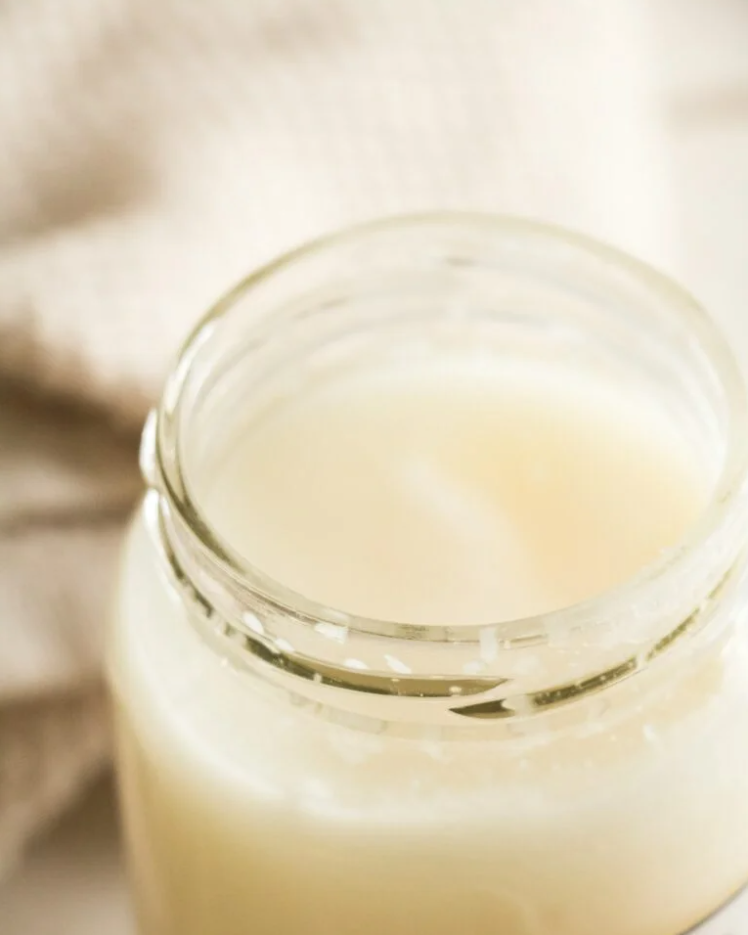
Why Coconut Oil Is So Popular
Coconut oil contains lauric acid, which has natural antibacterial and antifungal properties. Many dog owners first notice its benefits through healthier skin and a shinier coat, but its usefulness goes beyond appearance.
Topical and Internal Use
On the skin, coconut oil can be gently rubbed into hot spots, mild rashes, and dry patches. It helps calm irritation while forming a light barrier against bacteria.
Internally, a small amount mixed into food can support digestion and gut balance. It’s important to start with a tiny dose, especially if your dog isn’t used to it, and increase slowly if tolerated well.
Dogs often enjoy the taste, which makes it easier to use consistently.
Garlic: Effective but Requires Caution
Understanding the Controversy
Garlic is one of the most debated natural remedies for dogs. In large amounts, it can absolutely be harmful. That’s why caution is essential. In very small, controlled amounts, garlic has been used by some dog owners to support immune health and discourage parasites.
This is not a remedy to experiment with casually. Some dogs tolerate it better than others, and certain medical conditions or medications make garlic unsafe.
If Garlic Is Ever Considered
Only fresh garlic should ever be used. It should be finely chopped and allowed to sit briefly before use. Even then, the amount must remain extremely small. Dogs with sensitive stomachs, anemia, or ongoing medication should avoid garlic altogether.
When in doubt, garlic is the one remedy that should always be discussed with a vet first.
Apple Cider Vinegar: A Multi-Purpose Support Tool

Why ACV Is Useful
Apple cider vinegar has natural antimicrobial properties that make it useful for skin, ears, and digestion when diluted properly. It works best as a preventative or early-stage support rather than a treatment for advanced problems.
Safe Ways to Use It
For ears, a diluted mixture can help maintain a clean environment when used gently and only if the ear is not raw or painful.
For skin irritation, a diluted spray can reduce itching and discourage bacterial growth. Undiluted vinegar should never be applied directly to a dog’s skin.
For digestion, a very small amount added to water may help support gut balance for some dogs.
If there is an open wound, apple cider vinegar should be avoided completely.
Oregano Oil: Extremely Strong and Highly Effective

Why Strength Matters
Oregano oil contains compounds that actively fight bacteria and fungi, but its strength is exactly why it must be handled carefully. Used incorrectly, it can irritate skin or upset digestion.
Correct Usage
Oregano oil should always be diluted in a carrier oil before touching your dog’s skin. Just a drop or two is enough. It can be useful for mild skin infections when applied carefully and briefly.
Because of its potency, oregano oil is not meant for daily or long-term use.
Calendula: Ideal for Sensitive Skin

Why Calendula Is So Gentle
Calendula is often chosen for dogs who react easily to stronger remedies. It soothes inflammation, supports healing, and rarely causes irritation when used correctly.
Best Applications
Calendula ointments can be applied to small cuts or scrapes to support healing. A cooled calendula tea rinse can calm hot spots or irritated skin without causing discomfort.
This is one of the safest natural options for dogs with sensitive skin.
Important Rules Every Dog Owner Should Follow
Natural remedies work best when you stay observant. Watch how your dog responds, and stop immediately if irritation, vomiting, or unusual behavior appears.
Always test a small area first before applying anything widely. Dogs can have allergies just like people.
Quality matters. Choose clean, pure products without added chemicals or fragrances.
And most importantly, trust your instincts. If something feels off, it probably is.
Conclusion of Natural Antibiotics for Dogs
Natural antibiotics can be incredibly helpful when used with care, knowledge, and respect for your dog’s limits. They can support healing, reduce discomfort, and give you peace of mind when dealing with small issues at home.
They are not meant to replace veterinary care. They are meant to work alongside it.
Your dog depends on you to make thoughtful decisions. When you stay informed, cautious, and attentive, natural remedies can become a valuable part of keeping your dog healthy, comfortable, and happy.