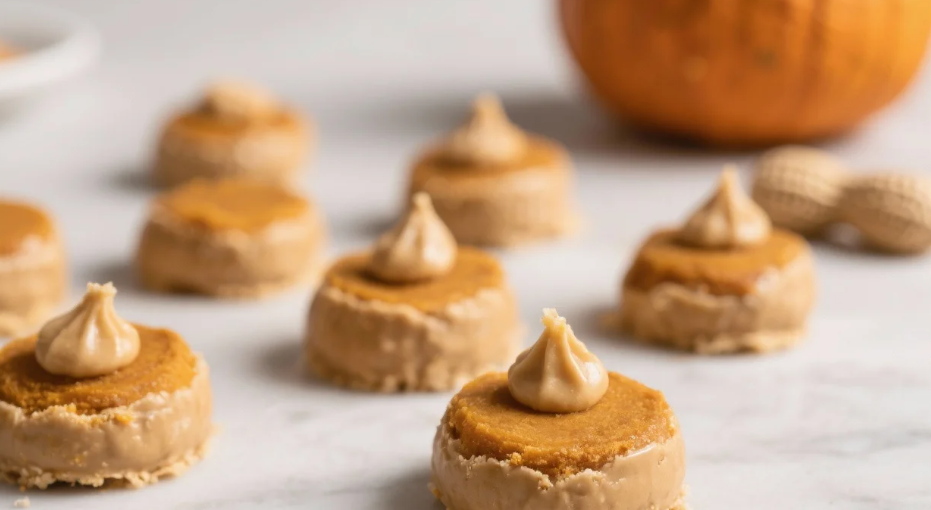
Peanut Butter & Pumpkin Rounds For Dogs
Homemade dog treats don’t need complicated steps or hard-to-find ingredients to be good. These peanut butter and pumpkin rounds are proof of that. They’re soft, flavorful, and made with ingredients most dog owners already trust. When you bake them at home, you know exactly what’s going into your dog’s body, and that peace of mind alone makes the effort worth it.
These treats work especially well for dogs who enjoy softer textures. Puppies, senior dogs, and even picky eaters usually respond well to them. The smell while they bake is another bonus—you’ll probably have a dog sitting by the oven long before they’re done.
Why Peanut Butter and Pumpkin Work So Well Together
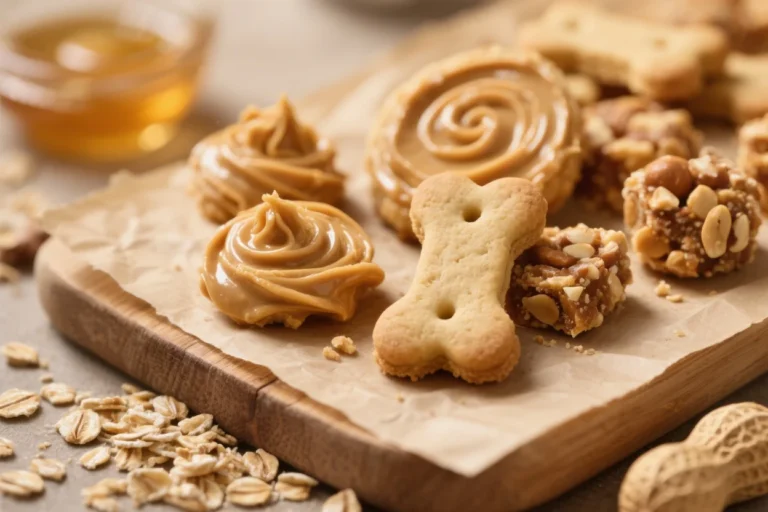
Peanut butter is one of those flavors dogs instantly recognize. It adds richness and keeps the treats satisfying without needing sugar or artificial flavoring. When you choose a simple, xylitol-free peanut butter, you’re giving your dog protein and healthy fats in a safe way.
Pumpkin balances that richness perfectly. It’s gentle, naturally fibrous, and widely known for supporting digestion. If your dog ever has mild tummy issues, pumpkin is often one of the first foods vets suggest. Together, these two ingredients create a treat that’s tasty but not heavy.
Ingredient Choices That Matter
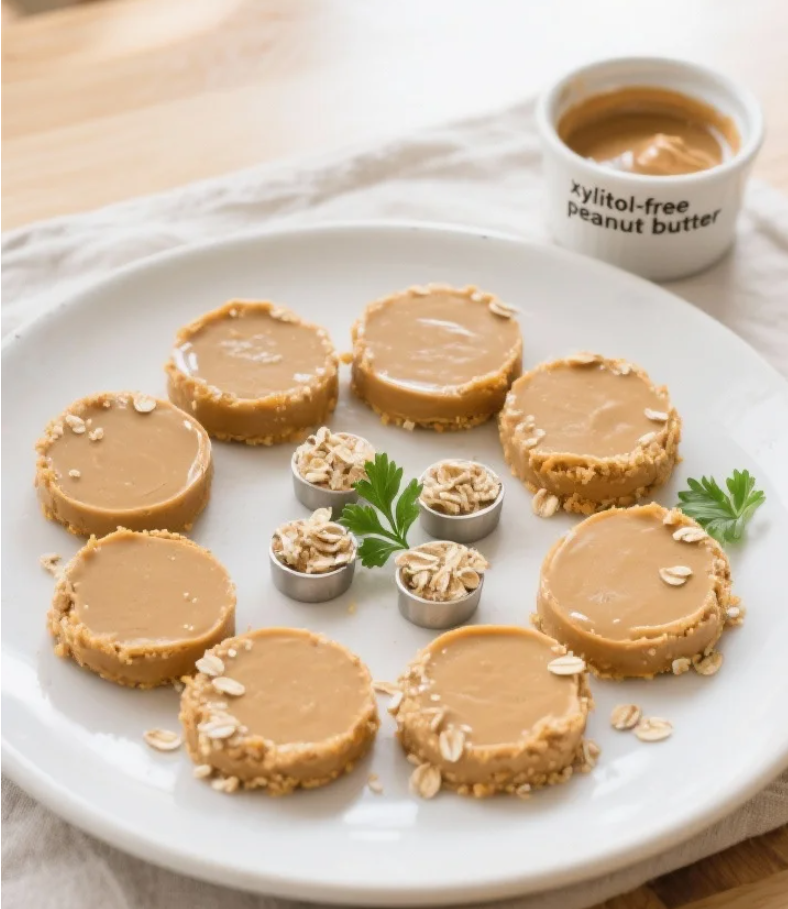
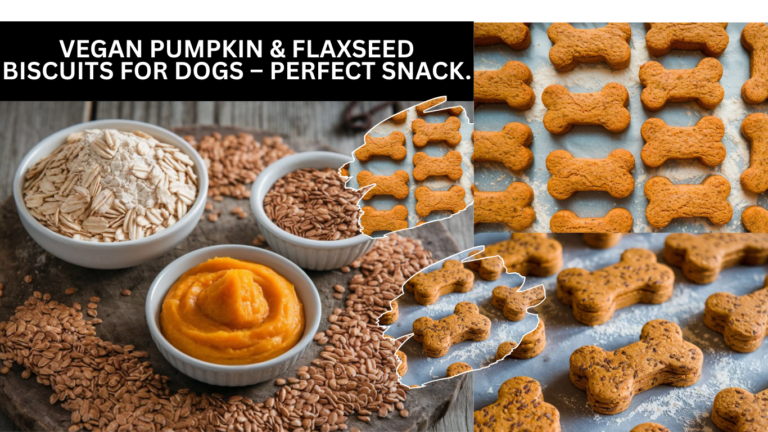
Every ingredient in this recipe serves a purpose. Oats replace refined flour, making the treats easier to digest while adding structure. Whole wheat flour or oat flour helps everything hold together without making the rounds dense or dry.
Optional ingredients like ground flaxseed add a nutritional boost, especially for coat health and digestion. Cinnamon, when used sparingly and with veterinary approval, adds aroma more than flavor, making the treats more appealing without overwhelming your dog’s senses.
Water is only used as needed. Dough consistency matters, and small adjustments make a big difference in the final texture.
Preparing the Dough the Right Way
The process is simple, but attention makes it better. Mixing the wet ingredients thoroughly ensures the peanut butter blends evenly instead of clumping. When the dry ingredients go in, the goal isn’t a stiff dough—it should feel soft, slightly sticky, and easy to shape.
If the dough sticks too much, adding flour gradually keeps you from drying it out. If it feels crumbly, a small splash of water brings it back together. This flexibility is what makes the recipe forgiving, even if it’s your first time baking for your dog.
Shaping and Baking for the Perfect Texture
Keeping the rounds uniform helps them bake evenly. Flattening them slightly ensures the centers cook through without hard edges. Spacing them out allows heat to circulate, preventing soggy bottoms.
Bake time is where you control the outcome. Shorter baking keeps them soft and tender, which works well for training or older dogs. A few extra minutes creates firmer treats that still stay gentle on teeth. Watching for dry tops and set edges is more reliable than the clock alone.
Cooling isn’t optional. Hot treats can burn sensitive mouths, and they continue to firm up as they cool. Giving them time improves both safety and texture.
Serving Size and Treat Balance
Treats should enhance your dog’s routine, not replace meals. Smaller dogs need fewer pieces, while larger dogs can handle more, but moderation always matters. Treats should stay within a small portion of daily calories to support long-term health.
Breaking the rounds into smaller pieces works well for training sessions, especially when rewards need to be frequent.
Storage and Freshness Tips
Freshness depends on how you store them. At room temperature, airtight containers keep them good for a few days. Refrigeration extends their life without affecting taste or texture. Freezing is ideal if you like baking in batches, and thawing a few at a time keeps things convenient.
A simple paper towel in the container helps manage moisture, especially in warmer climates.
Benefits Dogs Actually Experience
Pumpkin supports regular digestion, which many dogs benefit from daily. Oats and simple fats make the treats filling without being harsh. The ingredient list stays clean, recognizable, and easy to adjust if your dog has sensitivities.
You’re also in control of texture, size, and freshness—something store-bought treats rarely offer.
Common Mistakes That Can Ruin the Batch
Sweetened or flavored peanut butter is unsafe and should always be avoided. Pumpkin pie mix looks similar to plain pumpkin but contains sugar and spices dogs don’t need.
Overbaking is another common issue. Once the treats dry out completely, they lose their softness and appeal. Cooling too quickly or skipping portion control can also cause problems over time.
Simple Variations That Still Work
Flour swaps make the recipe flexible for dogs sensitive to wheat. Coconut flour works, but it absorbs more moisture, so adjustments are necessary. Banana can replace part of the pumpkin for a slightly sweeter profile.
Smaller rounds make excellent training treats, while thinner shapes baked longer work for dogs who enjoy a little crunch. If peanut butter isn’t suitable, sunflower seed butter is a safe alternative when checked carefully.
Herbs like parsley can be added in tiny amounts for freshness, but ingredients like garlic or onion should never be used.
Answers Dog Owners Often Need
Plain pumpkin should always replace pie filling. Peanut butter is generally safe when used responsibly, but dogs with specific health conditions should be cleared by a vet.
Egg-free versions work with simple substitutions, though texture may change slightly. Doneness is easy to judge by touch and appearance rather than strict timing.
Shelf life depends on storage, and checking for smell or mold is always important before serving.
Final Thoughts of Peanut Butter & Pumpkin Rounds For Dogs
Peanut butter and pumpkin rounds are one of those recipes that become a staple once you try them. They’re simple, dependable, and easy to adapt to your dog’s needs. Baking them doesn’t take much time, but it adds real value to your dog’s daily routine.
When you control the ingredients, texture, and portions, treats stop being an indulgence and become a thoughtful part of care. And if your dog starts waiting by the oven every time you bake, that’s just proof you did it right.