

Rabbits vs Dogs as Pets: Who Wins?
So you’re thinking about bringing a furry friend into your life, but you’re stuck choosing between a dog (the classic companion) and a rabbit (the surprisingly charming underdog of the pet world). After spending more than 20 years caring for, grooming, and living with dogs, I’ve had plenty of experience helping pet owners decide what animal fits their lifestyle best. And over the years, I’ve also met many rabbit owners who swear their bunnies are just as lovable.
Both animals are adorable. Both can form strong bonds with their owners. And yes, both can absolutely destroy your belongings if you don’t supervise them properly.
But dogs and rabbits are very different animals in terms of care, personality, and lifestyle needs. If you’re deciding which pet is right for you, understanding those differences is crucial.
Key Takeaways
- Dogs are typically more trainable and interactive, making them ideal for active owners.
- Rabbits are quiet, clean, and independent, but still require proper space and care.
- Dogs often cost $1,000–$2,500 per year, while rabbits average $600–$1,200 annually.
- Rabbits can be litter trained, similar to cats.
- Dogs require daily exercise, walks, and social interaction.
- Rabbits thrive in indoor environments with safe spaces to roam.
- Both animals can form deep emotional bonds with their owners when cared for properly.
Let’s compare them in a few key areas.
🛁 Grooming & Maintenance: Who’s the Cleaner Roommate?

🐶 Dogs: Smelly but lovable
Let’s be honest—dogs can get messy. In my two decades of grooming dogs, I’ve seen everything from mud baths to mysterious smells that owners swear “just happened overnight.”
Depending on the breed, dogs may need regular brushing, nail trimming, ear cleaning, and occasional professional grooming.
The good:
- Bath time can become part of a bonding routine
- Short-haired or low-shedding breeds reduce cleanup
- Many dogs enjoy brushing once they get used to it
The bad:
- The famous “wet dog smell” is real
- Some breeds drool heavily
- Grooming appointments can add up in cost
According to pet industry estimates, about 35–40% of dog owners use professional grooming services at least once per year, especially for long-coated breeds.
🐰 Rabbits: Surprisingly clean, but not low effort
Many people assume rabbits are extremely low-maintenance, but that’s not entirely true.
Rabbits are naturally clean animals and groom themselves frequently, similar to cats. However, their living space requires regular cleaning.
The good:
- Rabbits rarely need baths (and bathing is usually discouraged)
- Many rabbits learn to use litter boxes
- They produce very little body odor when properly cared for
The bad:
- Hay tends to scatter everywhere
- Their enclosures need frequent cleaning
- Rabbits produce a lot of small droppings daily
Winner: It’s honestly a tie. Both animals require regular cleaning and maintenance.

🧠 Intelligence & Trainability: Who’s the Smartest Cookie?
🐶 Dogs: Highly trainable companions
Dogs are widely considered one of the most trainable domestic animals. Over my years working with dogs, I’ve watched them learn everything from basic commands to surprisingly complex tricks.
The good:
- Dogs quickly learn commands like sit, stay, and come
- Many can learn house rules and routines
- Some breeds thrive in advanced training or agility activities
The bad:
- Puppies require consistent training early on
- Intelligent dogs can become destructive when bored
- Some breeds need more mental stimulation than others
Studies in canine cognition suggest dogs can learn over 100 words or commands, and highly trained dogs can learn even more.
🐰 Rabbits: Smarter than most people realize
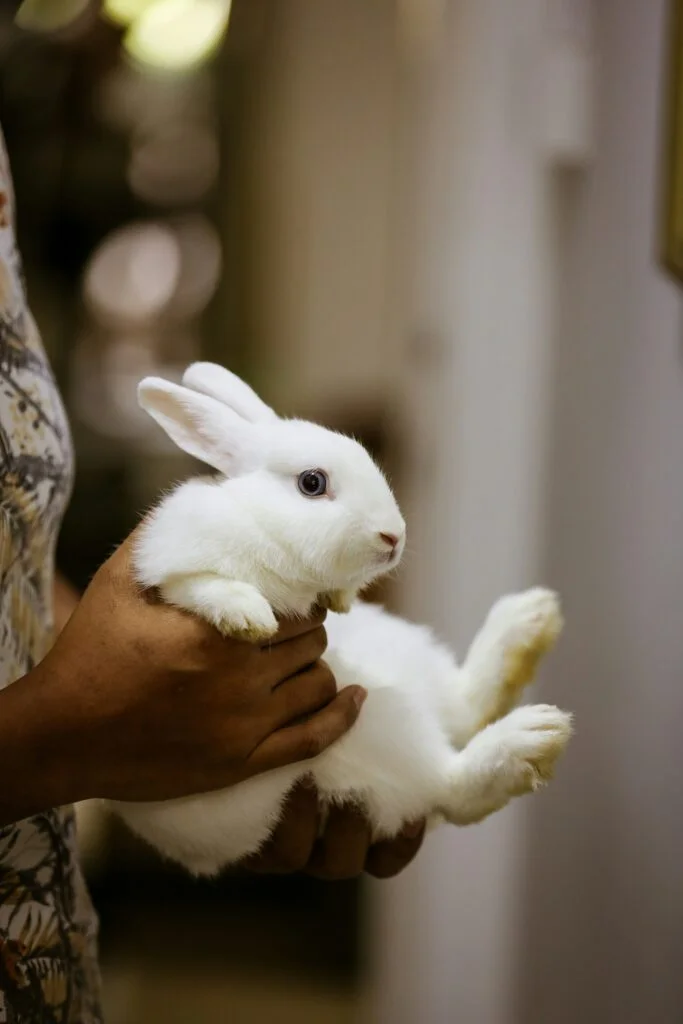
Rabbits often get underestimated when it comes to intelligence.
In reality, rabbits can learn routines, recognize their names, and even perform simple tricks with the right motivation.
The good:
- Rabbits can learn their name and respond to it
- Litter training is often quick and effective
- Some rabbits can learn tricks like spinning or jumping
The bad:
- Rabbits can be stubborn
- Training requires patience and treats
- They may ignore commands if they’re not interested
Winner: Dogs generally win when it comes to trainability, but rabbits are far more intelligent than many people expect.
🏡 Space & Lifestyle Needs: Who Takes Over Your Life?
🐶 Dogs: Your routine changes completely

When you adopt a dog, your daily schedule often changes.
Dogs need daily exercise, mental stimulation, and companionship. In my experience, many first-time owners underestimate just how much time dogs require.
The good:
- Daily walks improve both your dog’s health and your own
- Dogs love outdoor adventures
- They thrive on routine and structure
The bad:
- Early morning walks become part of life
- Travel plans may require pet sitters
- Some dogs struggle when left alone too long
Research shows dog owners often get up to 30 minutes more daily physical activity because of regular walks.
🐰 Rabbits: Quiet indoor companions
Rabbits don’t require outdoor walks or trips to the park, which makes them appealing for some households.
However, rabbits still need room to roam and explore safely.
The good:
- Quiet and generally calm pets
- Can stay alone longer than dogs
- Ideal for people who prefer a calmer environment
The bad:
- They should not stay in small cages all day
- Homes must be rabbit-proofed (especially cords)
- Rabbits chew furniture and baseboards if unsupervised
Winner: Rabbits for quieter lifestyles, dogs for active households.

💸 Cost: Who’s Gonna Bleed Your Bank Account?
🐶 Dogs: Often expensive
Owning a dog involves multiple expenses:
- Food
- Veterinary care
- Vaccinations
- Grooming
- Toys and supplies
The average annual cost of dog ownership is estimated at $1,000 to $2,500, depending on breed size and medical needs.
🐰 Rabbits: Lower, but not free
Rabbits are often cheaper initially, but their ongoing care still adds up.
Expenses typically include:
- Hay and fresh vegetables
- Bedding or litter
- Toys and enrichment
- Veterinary checkups
Average yearly costs usually fall between $600 and $1,200.
Winner: Rabbits generally cost less overall, but both pets require a financial commitment.
💕 Affection & Bonding: Who Loves You More?
🐶 Dogs: Loyal and expressive

Dogs are famous for their emotional connection with humans. In my experience working with them, dogs often form incredibly strong attachments to their owners.
They express affection through:
- Tail wagging
- Licking
- Following their owners around
- Seeking physical contact
Dogs are highly social animals and often crave constant interaction.
🐰 Rabbits: Gentle but independent
Rabbits also bond deeply with their owners, but their affection is often more subtle.
Signs of rabbit affection include:
- Nudging your hand
- Grooming your clothing
- Relaxing next to you
- Performing happy jumps called “binkies.”
Their love tends to be quieter but still meaningful.
Winner: It depends on what type of companionship you prefer.
🧠 Personality: The Unexpected Plot Twist
People often assume dogs have more personality than rabbits—but that’s not always true.
🐶 Dogs
Dogs vary widely depending on breed and temperament:
- Energetic
- Playful
- Loyal
- Protective
- Calm or goofy
🐰 Rabbits
Rabbits also show surprising personality traits:
- Some are bold and curious
- Some are shy and cautious
- Some follow their owners from room to room
- Others prefer quiet independence
Winner: Both animals can have big personalities.

🎯 Final Verdict: Which One’s Right for You?
Choosing between a rabbit and a dog isn’t about which one is better—it’s about which one fits your lifestyle.
Ask yourself a few simple questions.
Do you want a loyal companion that loves outdoor adventures, daily walks, and constant interaction?
A dog may be the perfect match.
Do you prefer a quieter pet that enjoys relaxing indoors and requires less daily activity?
A rabbit could be a great fit.
If you’re still unsure, fostering or adopting from a rescue organization can be a great way to see which pet fits your home best.
At the end of the day, both dogs and rabbits can become wonderful lifelong companions when given the care, patience, and love they deserve.