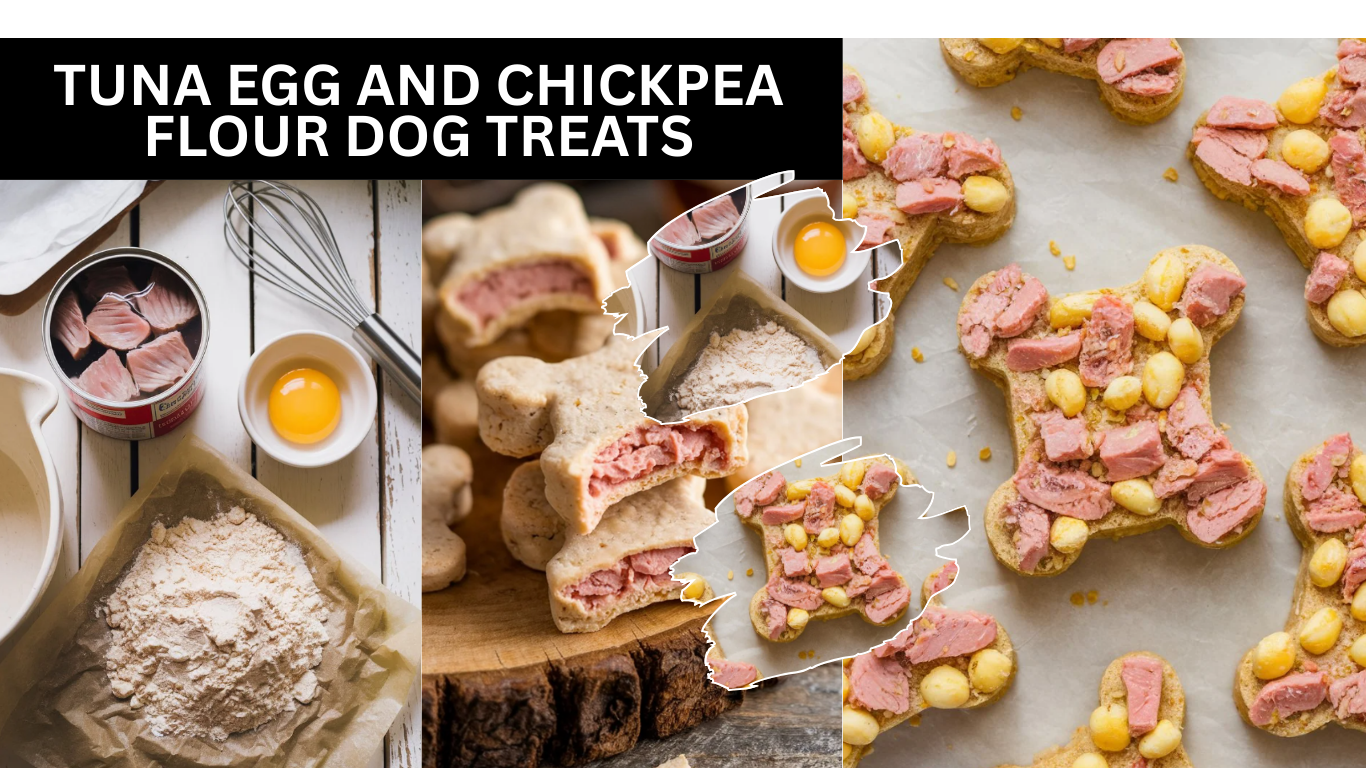
Homemade Tuna Egg and Chickpea Flour Dog Treats
Making homemade dog treats doesn’t have to feel like a full weekend project. Most of us just want something quick, wholesome, and safe—without pulling out a dozen specialty ingredients that will sit untouched in the pantry forever. That’s exactly where tuna, egg, and chickpea flour treats shine. They’re simple, practical, and surprisingly effective for dogs of all ages.
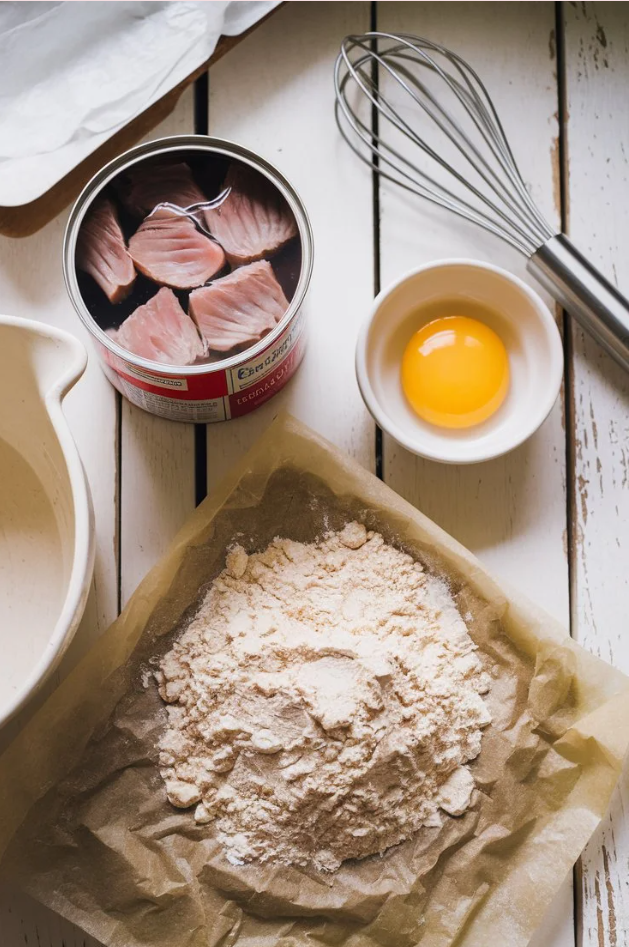
At first glance, tuna in dog treats might sound a little odd to us. To dogs, though, it’s an absolute win. That strong aroma we wrinkle our noses at is the same thing that makes tails wag instantly. Dogs are driven by scent, and tuna delivers that unmistakable fishy smell they find irresistible. Beyond that, it brings high-quality protein and omega-3 fatty acids, which support skin health, coat shine, and joint comfort. When you’ve seen a dog light up the second a can is opened, you understand why this ingredient works so well.
Eggs play a much bigger role here than people often realize. They’re not just another protein source—they’re what holds the entire recipe together. Without an egg, the dough falls apart and bakes unevenly. With it, everything binds smoothly, creating treats that hold their shape while staying soft in the center. Eggs also contribute essential vitamins and amino acids that support muscle maintenance and overall health. Most importantly, they’re accessible. Nearly everyone already has eggs in the fridge, which keeps this recipe realistic instead of complicated.
Chickpea flour ties everything together in a way traditional flours don’t always manage. It’s naturally gluten-free, making it a safer choice for dogs with sensitivities. It adds fiber, which helps digestion, and it absorbs moisture well, giving you control over the dough’s texture. If you’ve ever worked with it before, you know it creates a dense but tender structure—perfect for soft dog treats. Some people know it as gram flour or besan, but it’s the same ingredient doing the same job.
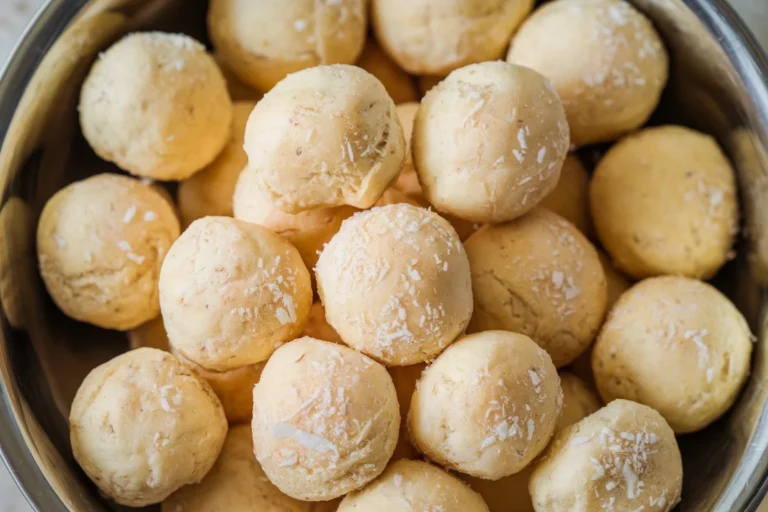
When these three ingredients come together, the result is a soft, chewy treat that doesn’t require aggressive chewing. That matters more than people think. Senior dogs, dogs with missing teeth, and dogs recovering from dental work often struggle with crunchy commercial treats. These stay gentle while still feeling satisfying to chew, which makes treat time enjoyable instead of frustrating.
Preparing Your Kitchen
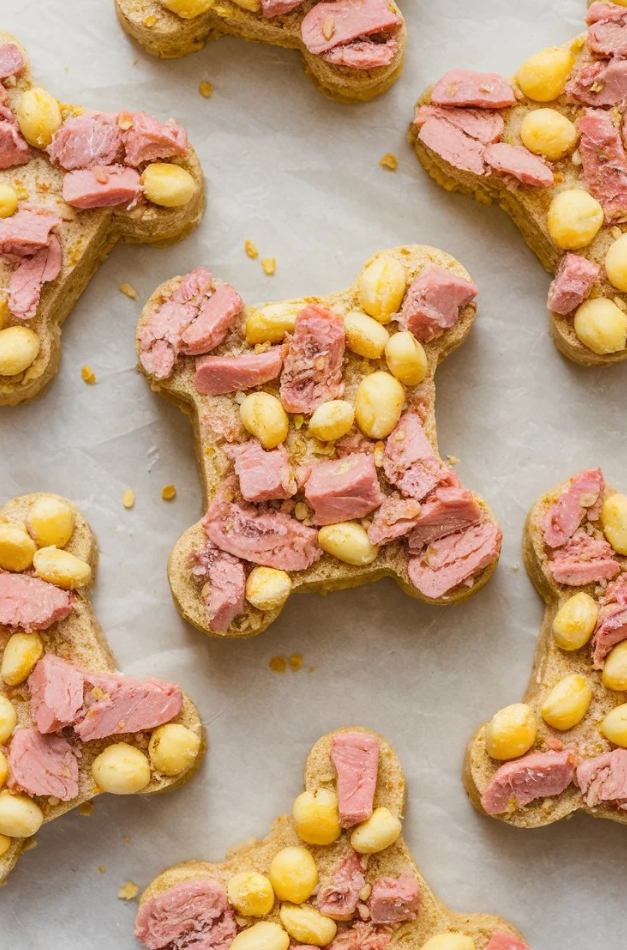
One of the best parts of this recipe is how little it demands from you. You’re not committing to hours in the kitchen or a long cleanup afterward. Preheating the oven to 350°F (180°C) is the first step, and lining a baking sheet with parchment paper saves you from scrubbing away lingering fish smells later. That small step alone makes the process feel manageable.
Mixing the Dough
Mixing the ingredients is straightforward and forgiving. The tuna gets mashed first, breaking it down into a workable base. Adding the egg changes the texture immediately, making everything smoother and easier to combine. Chickpea flour comes in gradually, allowing you to adjust as you go. If the dough feels too stiff, a splash of water fixes it. If it’s too loose, a little more flour balances it out. You don’t need perfect measurements here—just pay attention to how the dough feels in your hands.
Shaping the Treats
Shaping the treats is another place where you can relax. There’s no need for perfection. Spoonfuls dropped onto the baking sheet work just as well as carefully cut shapes. Dogs don’t judge presentation. They care about smell, taste, and texture, and this recipe delivers on all three.
Baking and Cooling
Baking doesn’t take long—usually between 10 and 15 minutes. The goal isn’t crunch; it’s firmness with a soft interior. Once baked, letting the treats cool completely is important. Hot treats can burn sensitive mouths, and cooling also helps them finish setting internally.
Storing the Treats
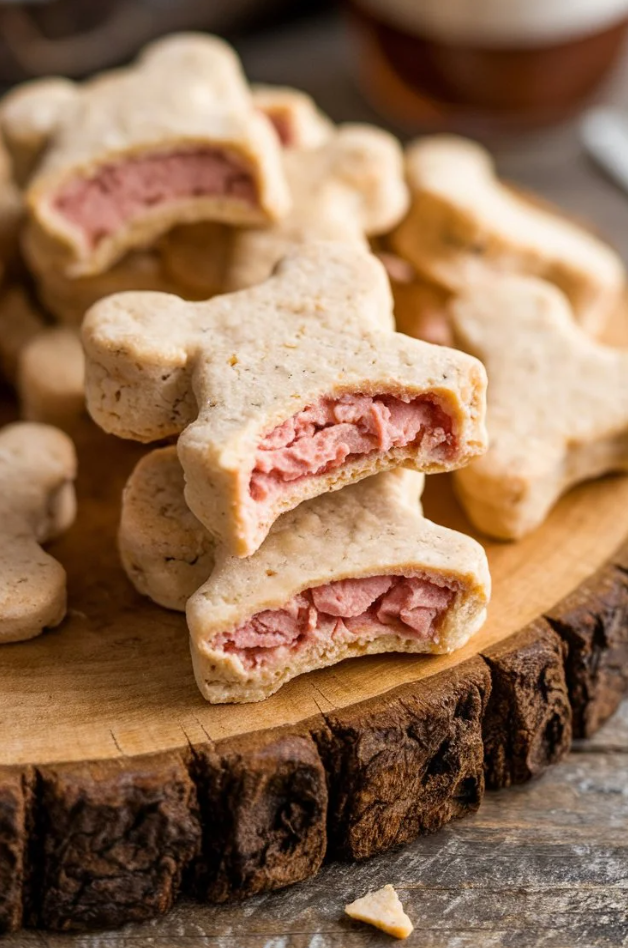
Storage is simple and practical. In the refrigerator, these treats stay fresh for several days, making them easy to grab during training sessions or as quick rewards. Freezing is an excellent option if you make a larger batch. Thawing a few at a time keeps everything fresh without waste.
Why These Treats Work So Well
What really sets these treats apart is how balanced they are. They don’t rely on fillers, artificial flavors, or preservatives. They’re high in protein, relatively low in unnecessary fats, and made from ingredients you recognize and trust. That matters when you’re trying to support your dog’s health instead of just filling their stomach.
Customization Options
There’s also flexibility built into the recipe. While the base works beautifully on its own, it can adapt to your dog’s needs. A small amount of pumpkin can add digestive support. A pinch of parsley can freshen breath. Turmeric can be included thoughtfully for dogs who benefit from anti-inflammatory support. None of these additions are required, but the option is there if you want it.
Why Homemade Treats Matter
Some people wonder why it’s worth making treats at all when store shelves are full of options. The difference comes down to control and confidence. When you make treats yourself, you know exactly what’s going into them. You’re not guessing about ingredient quality or processing methods. Over time, it’s also more economical, especially compared to premium dog treats that disappear far too quickly.
There’s something rewarding about handing your dog a treat you made yourself. You see the excitement, the trust, and the enjoyment, and it reinforces why simple, thoughtful choices matter.
Final Thoughts of Tuna Egg and Chickpea Flour Dog Treats
These tuna, egg, and chickpea flour treats aren’t flashy, but they’re reliable, nourishing, and genuinely loved by dogs. If you’re looking for a homemade dog treat recipe that’s realistic, effective, and easy to repeat, this one checks every box. It respects your time, supports your dog’s health, and proves that good nutrition doesn’t have to be complicated.