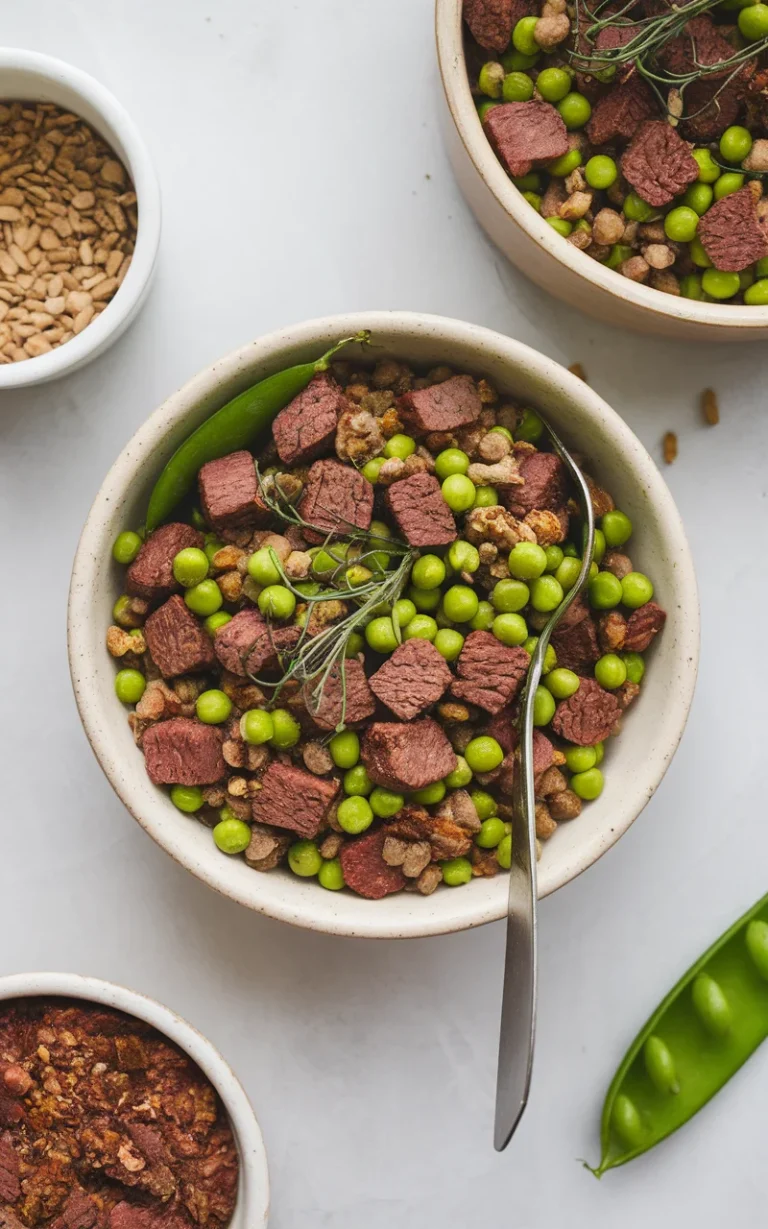
3-Ingredient Chicken & Pumpkin Cat Food (Easy, Healthy, Cat-Approved)
If your cat is anything like mine, they’ve absolutely mastered the judgmental stare every time I crack open a can of store-bought food. After more than 10 years of living with cats—feeding them daily, grooming them, monitoring litter box habits, and managing everything from hairballs to sensitive stomachs—I’ve learned that cats are incredibly honest critics. And honestly, I don’t blame them.
Many commercial cat foods rely heavily on fillers, preservatives, and ingredients that don’t align with how cats are biologically designed to eat. That’s why I started incorporating simple homemade options into my cats’ routine. One of the easiest and most reliable recipes I’ve used over the years is this 3-Ingredient Chicken & Pumpkin Cat Food.
It’s straightforward, gentle on digestion, and works beautifully as a supplemental meal or occasional replacement when I want to boost hydration and food quality without overcomplicating things.
Key Takeaways
- This is a simple 3-ingredient homemade cat food designed as a supplement or occasional meal
- Chicken provides high-quality animal protein essential for cats
- Pumpkin supports digestion and helps with hairballs, constipation, and diarrhea
- Added moisture supports hydration and urinary health
- Ideal for picky eaters and cats with sensitive stomachs when introduced gradually
Why This Recipe Is Awesome
Only 3 ingredients: After years of managing cat care alongside a busy schedule, I’ve learned that simple recipes are the ones you actually stick with. This one doesn’t require specialty powders or complicated prep.
Chicken = protein powerhouse: Cats are obligate carnivores, meaning animal protein isn’t optional—it’s a biological requirement. Chicken provides essential amino acids that support muscle maintenance, coat health, and energy. Studies show adult cats require diets with over 30% protein on a dry matter basis.
Pumpkin = digestive support: Pumpkin is one of my go-to ingredients when a cat is dealing with hairballs, mild constipation, or loose stools. Its soluble fiber helps regulate digestion gently, which I’ve seen work time and time again.
Cat-approved flavor: In my experience, chicken and pumpkin are a winning combo even for picky eaters.
This recipe isn’t meant to fully replace a balanced commercial diet. I use it as a healthy supplement or occasional meal to support digestion and hydration.
Ingredients You’ll Need
This recipe truly keeps things simple:
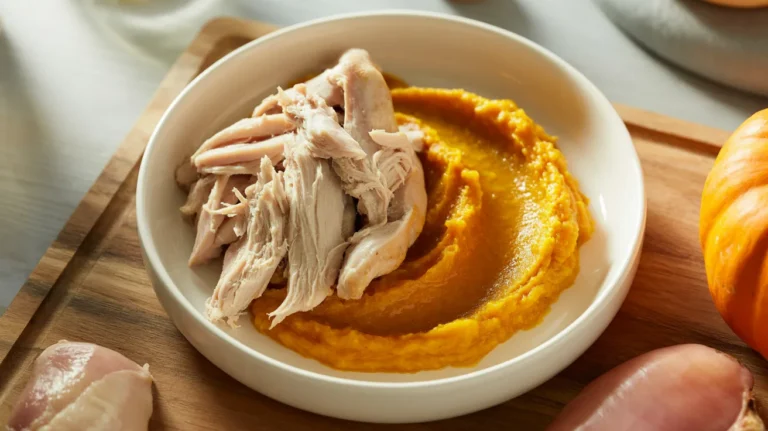
- 2 cups cooked chicken (boiled or baked, no seasoning, no skin, no bones)
- 1 cup pure pumpkin puree (100% pumpkin, no added sugar or spices)
- 1/4 cup chicken broth (unsalted and free from onion or garlic)
That’s it—three cat-safe ingredients I’ve used consistently with great results.
Step-by-Step Instructions
Step 1: Cook the Chicken
I use plain chicken breast or thigh meat.
Cook it by boiling or baking until fully done.
Do not add oil, butter, salt, or spices—cats don’t need any of that.
Once cooked, shred or finely chop into manageable pieces.
Step 2: Mix with Pumpkin
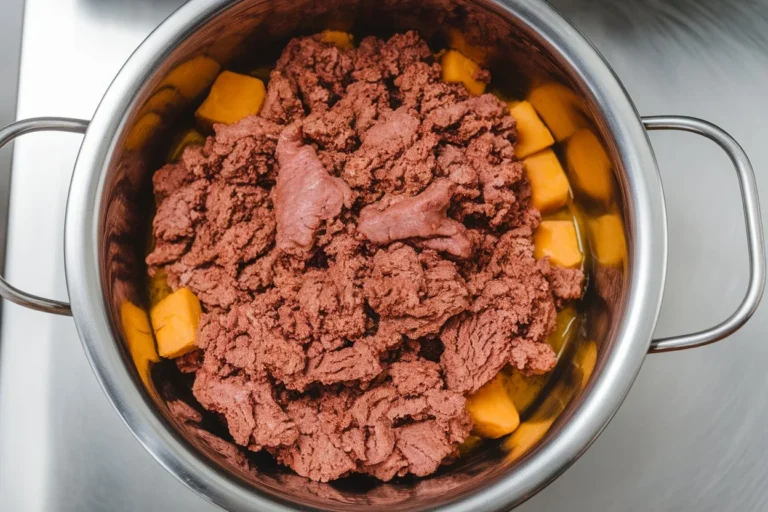
In a bowl, combine the cooked chicken with the pumpkin puree.
I use a fork or food processor depending on the texture my cats prefer—some like chunky, others prefer a smooth pâté.
Step 3: Add Broth for Texture
Slowly add the chicken broth until the mixture is moist but not soupy.
For senior cats or kittens, I usually go a bit smoother; adult cats often prefer more texture.
Step 4: Serve & Store
Serve a small portion at room temperature.
Store leftovers in an airtight container in the refrigerator for up to 3 days.
For longer storage, freeze in small portions and thaw in the fridge before serving.
Feeding Tips
Start slow. I always introduce new food gradually by mixing a spoonful into their regular meal.
Watch portions. This works best as a supplemental meal or occasional replacement.
Monitor reactions. Pumpkin is generally gentle, but every cat is different—adjust if needed.
Why These Ingredients Work
Chicken
Chicken is lean, digestible, and rich in essential amino acids. In my experience, it supports muscle tone, coat quality, and energy levels—especially noticeable in indoor cats.
Pumpkin
Pumpkin’s soluble fiber helps normalize digestion. I’ve used it successfully for both constipation and mild diarrhea, which aligns with veterinary guidance on fiber use in cats.
Chicken Broth
Cats naturally drink very little water. Adding moisture through food is one of the easiest ways I’ve found to support kidney and urinary health over the long term.
Variations to Try
If your cat enjoys this recipe, you can safely experiment with:
- Turkey instead of chicken
- Butternut squash puree in place of pumpkin
- A small spoon of plain, unsweetened yogurt for probiotic support
I always recommend checking with a veterinarian before making major dietary changes, especially for cats with medical conditions.
What to Avoid (Super Important)
Over the years, I’ve learned some ingredients are never worth the risk:
- Onions, garlic, or chives (toxic to cats)
- Salted or seasoned broths
- Sauces or spices
- Artificial sweeteners like xylitol
Cats don’t need flavor enhancements—simple and safe always wins.
Quick Recap
- Cook plain, unseasoned chicken
- Mix with pure pumpkin puree
- Add unsalted broth for moisture
- Store safely and introduce gradually
Final Thoughts
Homemade cat food doesn’t have to be complicated. This 3-ingredient chicken and pumpkin recipe has been one of my most reliable go-tos over the past decade of cat ownership. It supports digestion, boosts hydration, and gives me peace of mind knowing exactly what’s in the bowl.
While it shouldn’t replace a fully balanced diet, it’s an excellent supplemental option for cats who need a little extra digestive or hydration support. And when your cat finishes the bowl and gives you that slow blink of approval, you’ll know you did something right.