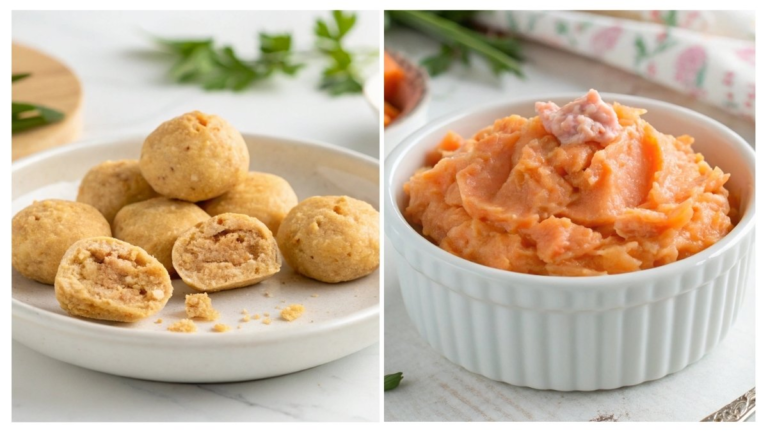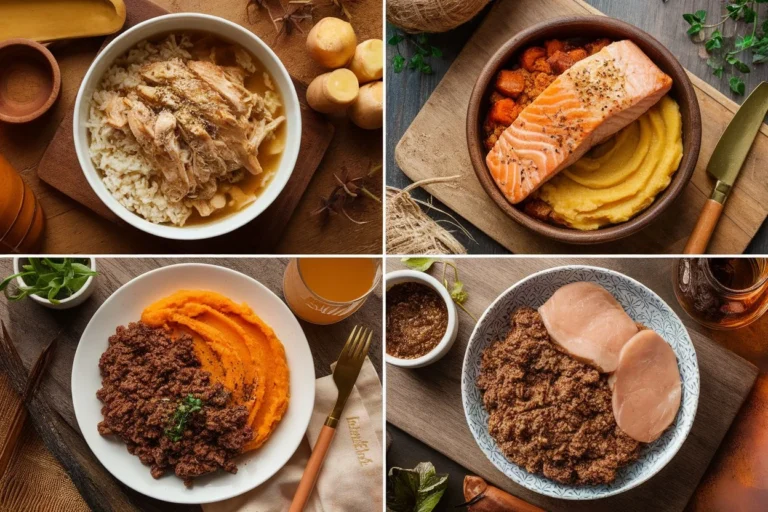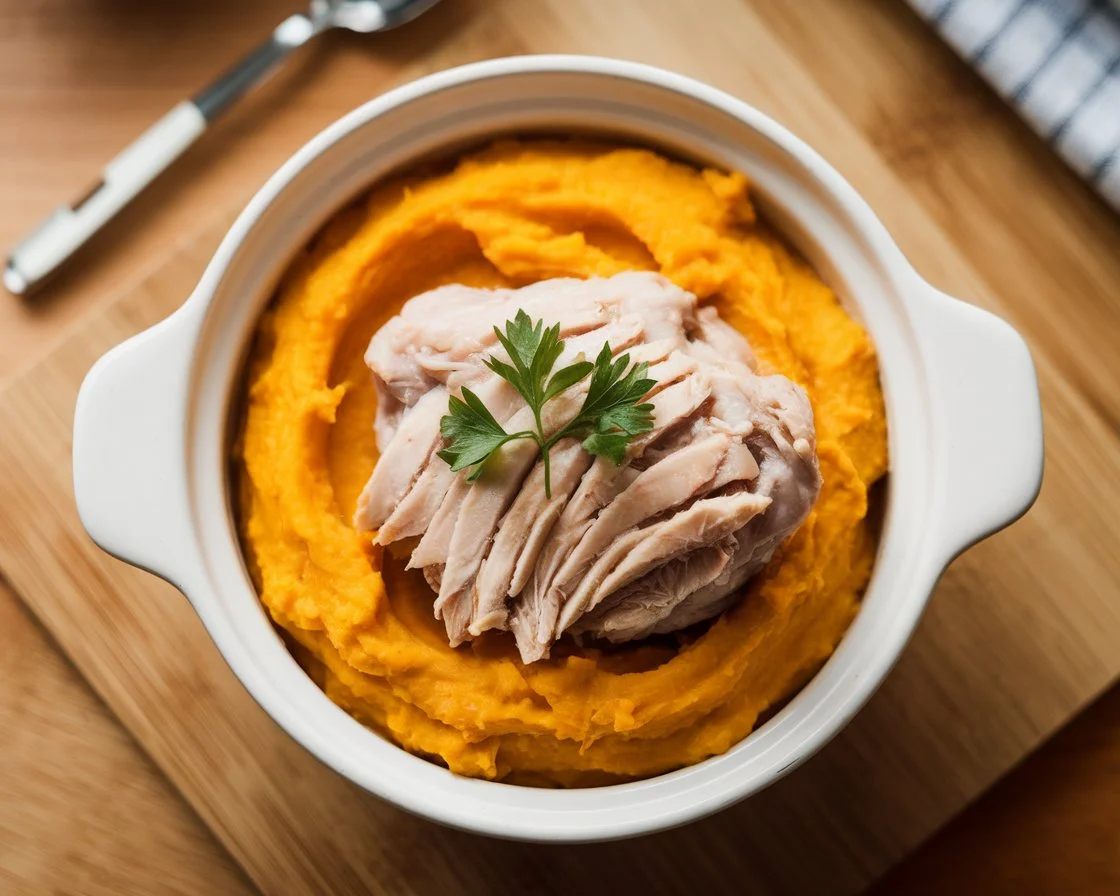
Shredded Chicken Thigh & Pumpkin Mash: A Simple, Nutritious Cat Meal
I started making Shredded Chicken Thigh & Pumpkin Mash when one of my cats began turning her nose up at commercial food. Finding something nutritious that she would actually eat felt like a challenge. After testing different ingredients, this simple combination quickly became one of the meals she looked forward to the most.
What I like about this recipe is that it uses wholesome ingredients without unnecessary fillers. The chicken provides animal-based protein cats naturally need, while pumpkin adds gentle digestive support. It’s easy to prepare, budget-friendly, and works well as part of a homemade meal rotation.
Save For Later
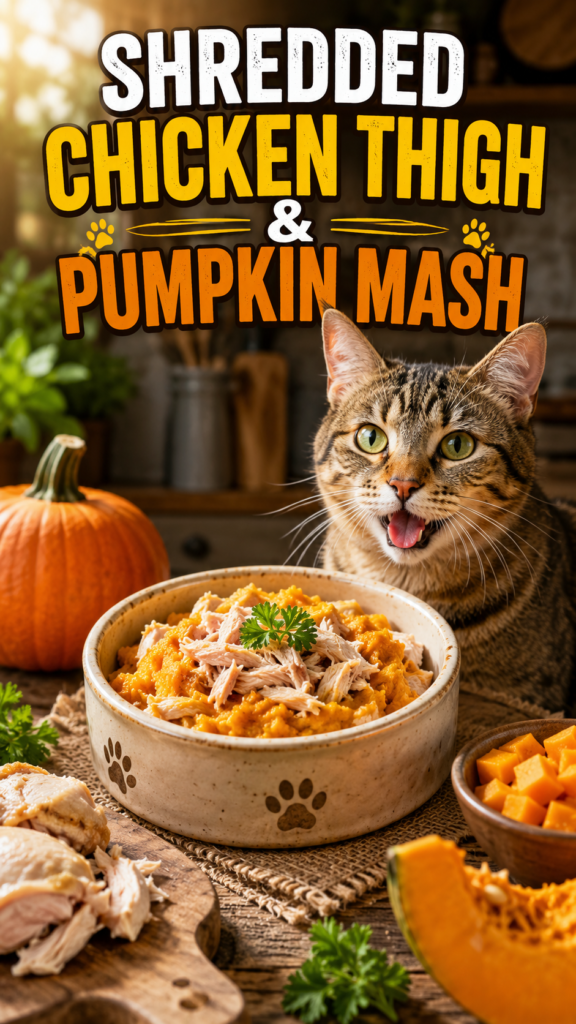
Key Takeaways
- Chicken thighs provide high-quality protein that helps maintain lean muscle.
- Natural fats in chicken thighs support healthy skin and a shiny coat.
- Pumpkin contains fiber that may help support normal digestion.
- Proper cooking and shredding make the meal easier for cats to eat.
- Always avoid seasonings, onions, garlic, and other unsafe ingredients.
- Homemade cat meals work best as occasional meals or supplemental feeding.
Pro Tip
One thing I’ve learned from making this recipe repeatedly is that texture matters just as much as flavor. I lightly mash the pumpkin until smooth and mix it thoroughly with finely shredded chicken so every bite contains both ingredients. If the mixture seems dry after cooling, I add a spoonful of warm cooking water from the chicken. Serving it slightly warm—not hot—usually increases interest, especially for picky cats. I also prepare small batches and freeze portions individually to maintain freshness. Thawing only what I need helps prevent waste and keeps the meal tasting better.
Other Posts
- Turkey Thigh & Green Bean Blend for Cats: Easy High-Protein Homemade Recipe
- Diced Chicken Thigh & Broccoli Bite for Cats and Dogs: Healthy Homemade Treat
- Shredded Chicken Thigh & Pumpkin Mash for Cats: Digestive-Friendly Homemade Meal
Why It’s Awesome
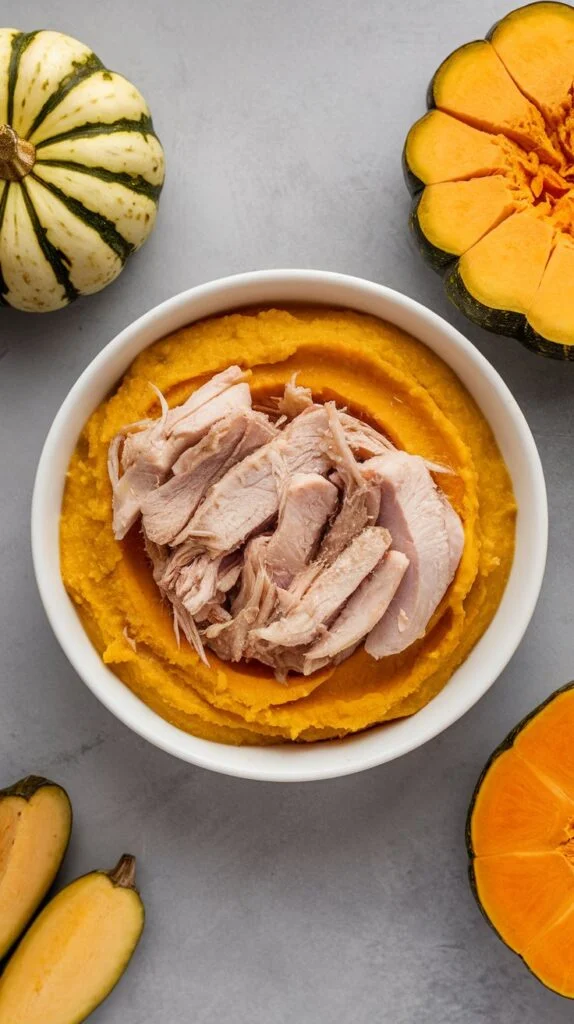
From my hands-on experience, this recipe hits all the marks. Chicken thighs are protein powerhouses and contain healthy fats that contribute to shiny fur and strong muscles—something every cat parent notices over time. Pumpkin is fantastic for digestive support and hairball prevention, and it’s gentle on sensitive tummies.
Best of all, it’s incredibly easy to prepare. I can make this meal in under 15 minutes, and my cats usually dive right in—no dramatic snubs like they give with some overpriced kibble. Over the years, I’ve found that simple, wholesome ingredients often outperform “gourmet” prepackaged meals in palatability.
Ingredients
- 1 medium chicken thigh (boneless, skin removed)
- 1/4 cup pumpkin puree (unsweetened)
- 1/4 cup water or low-sodium chicken broth
That’s it. Three ingredients, minimal prep, maximum cat satisfaction.
Step-by-Step Instructions
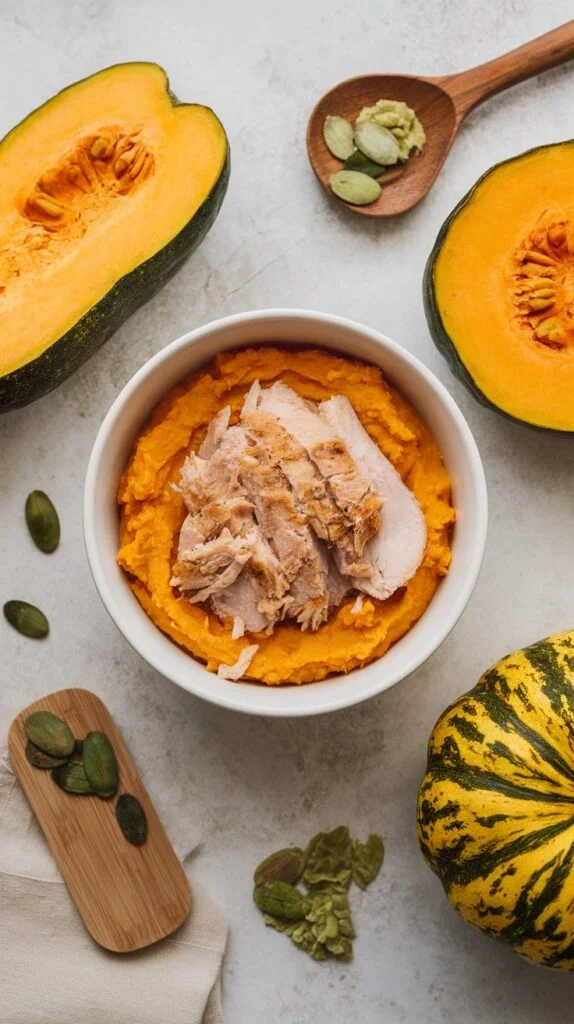
Cook the chicken thigh
I boil the chicken thigh in water for 10–12 minutes until fully cooked. It’s crucial to ensure there’s no pink inside—undercooked chicken can carry bacteria that could make your cat sick.
Shred the chicken
After cooling the chicken slightly, I shred it into tiny, bite-sized pieces that are easy for cats to eat. I aim for pieces small enough for even senior cats with dental sensitivity.
Prepare the pumpkin mash
In a small bowl, I mix the pumpkin puree with water or chicken broth until smooth. The consistency should be soft but not runny—perfect for mixing with the shredded chicken.
Combine like a pro
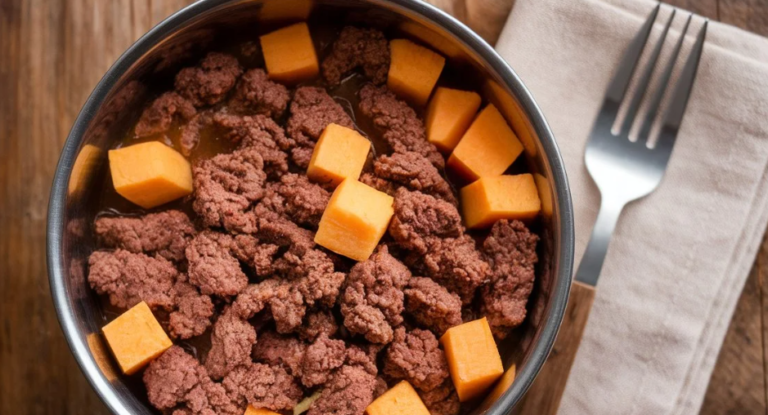
I fold the shredded chicken into the pumpkin mash until everything is evenly mixed. Cats appreciate a cohesive texture, and this ensures each bite has both protein and fiber.
Serve it up
I always let the mixture cool to room temperature before serving. Even the most patient cat will refuse hot food. In my experience, serving it properly shows respect for their culinary standards—and it pays off with enthusiastic eating.
Common Mistakes
Using pumpkin pie filling
Pie filling contains sugar and spices that are unsafe for cats. Always use plain, unsweetened pumpkin puree.
Leaving the skin on the chicken thigh
Chicken skin is too fatty for cats and can upset digestion. I remove it every time to keep the meal healthy.
Serving it too hot
Cats prefer food at room temperature. Too hot or too cold, and you risk a rejected meal.
Adding seasonings
No salt, pepper, or herbs. Cats are perfectly content with natural flavors, and some seasonings are toxic.
Storage Tips
Fridge: Keep leftovers in an airtight container for up to 3 days. Reheat gently if desired, then cool before serving.
Freezer: Portion meals into small containers or ice cube trays for up to a month. Thaw overnight in the fridge. I always label containers to avoid mixing it up with human food.
Alternatives
Protein swaps:
- Chicken drumsticks (bones and skin removed)
- Turkey thigh (similar protein content)
- Beef mince (if your cat prefers red meat)
Pumpkin alternatives:
- Butternut squash puree (slightly sweeter, fiber-rich)
- Sweet potato mash (great for digestion and fiber)
FAQ
Can I use raw chicken for this recipe?
No. Cooked chicken is safer and easier for cats to digest. Raw meat carries bacteria and can cause illness.
Is this a complete meal?
Not entirely. This is a great treat or supplemental dish. Pair it with high-quality cat food for balanced nutrition, including taurine and calcium.
How often can I feed this to my cat?
Once or twice a week is ideal. Too much homemade food without supplementation can create nutrient imbalances.
What if my cat doesn’t like pumpkin?
I recommend substituting with butternut squash or sweet potato. If your cat is still finicky, experiment with different chicken-to-mash ratios.
Final Thoughts
The Shredded Chicken Thigh & Pumpkin Mash has become a staple in my homemade cat food rotation. It’s quick, affordable, nutritious, and almost always irresistible to cats. After years of trial and error, I’ve found that cats respond best to meals that are simple, protein-rich, and served with care.
Give it a try—you may find your cat following you around like you’re their personal chef. From experience, that’s one of the sweetest rewards of homemade cat food.
All content on this site is written and reviewed by our experienced team to ensure it is accurate, reliable, and helpful for our readers. Our Our Process page explains how we carefully research and create high-quality content, while our Team page introduces the professionals behind our work. We also provide clear guidelines for content or image concerns on our Image Removal page, so you can trust that we prioritize transparency, quality, and reader safety.