Homemade Cat Meal With Beef: The Purrfect High-Protein Recipe Your Feline Will Actually Devour
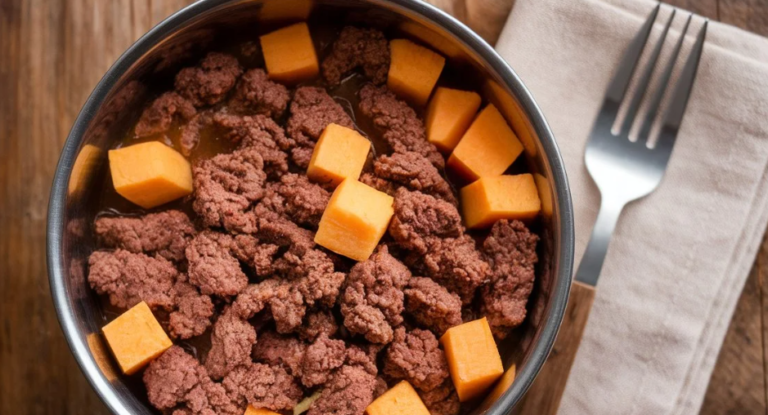
Making a Homemade Cat Meal With Beef has become part of my regular routine because I like knowing exactly what goes into my cats’ bowls. Over the years, I’ve cared for cats with different health needs, and I’ve found that fresh, meat-based meals often keep them more interested in eating while supporting better hydration.
One of my cats became less enthusiastic about commercial food, so I started preparing homemade recipes using quality beef and the right supplements. Since then, I’ve noticed cleaner bowls, better appetite, and a smoother transition during mealtime. While homemade food takes a little planning, the results have made the effort worthwhile for me.
Save For later
Key Takeaways
- Homemade beef cat food gives you complete control over ingredient quality.
- Beef provides high-quality animal protein to support strong muscles.
- Taurine and calcium are essential for a nutritionally balanced recipe.
- Moist homemade meals help promote healthy hydration and urinary function.
- Introduce new foods slowly to reduce digestive upset.
- Proper storage keeps homemade cat food fresh and safe to serve.
Pro Tip
I always prepare my homemade beef cat food in small weekly batches instead of making a month’s supply at once. Freshly frozen portions keep their texture much better after thawing. I label every container with the preparation date so I never lose track of freshness. Before serving, I stir the food well to evenly distribute supplements. I also avoid changing recipes too often because my cats adjust better when their meals stay consistent. Careful portioning has helped reduce waste and keeps feeding simple every day.
Other Posts
- Homemade Tuna Cat Food Recipes for Healthy Homemade Meals
- Easy Homemade Cat Food Recipes for Everyday Feeding
- Homemade Cat Food Recipes With Taurine for Complete Nutrition
What Makes This Recipe Awesome
High-protein and species-appropriate: Cats are obligate carnivores, meaning they rely entirely on animal protein to meet their nutritional needs. Beef provides essential amino acids that support muscle mass, heart function, and immune health. Veterinary nutrition research shows adult cats require diets with over 30% protein on a dry matter basis, significantly higher than dogs.
Gentle on digestion: From my experience, lightly cooked beef paired with minimal fiber works well for cats with sensitive stomachs. I’ve used this approach for cats prone to vomiting or loose stools, adjusting moisture and fat levels as needed.
Hydration-forward: Cats have a naturally low thirst drive. Studies show cats eating wet or moisture-rich diets consume nearly double the daily water intake compared to dry-fed cats, which is critical for urinary tract health.
Customizable: Over the years, I’ve adjusted this recipe’s texture, fat content, and supplements depending on age, activity level, and health conditions like constipation or weight gain.
Cleaner ingredient list: I know exactly what’s in the bowl—no artificial preservatives, no vague “meat meals,” and no unnecessary fillers.
What Goes Into This Recipe – Ingredients
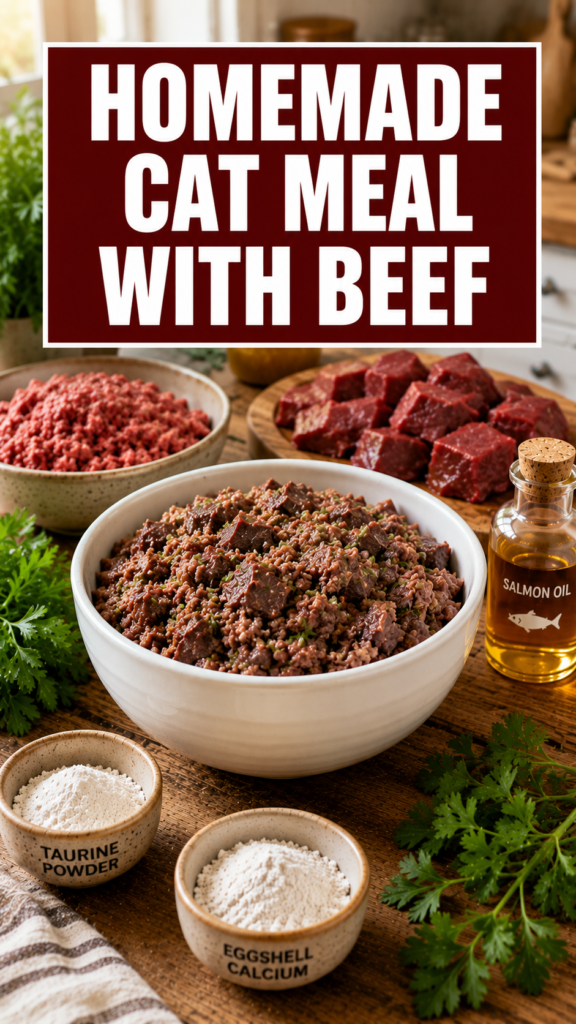
- 1 lb (450 g) ground beef, 90–93% lean
- 3 oz (85 g) beef liver, finely minced (no more than 10% of total meat)
- 1 large egg, lightly beaten (I often use just the yolk for extra calories)
- 1/2 cup (120 ml) low-sodium beef bone broth or water (no onion or garlic)
- 1 tsp fish oil or sardine oil for omega-3 fatty acids
- 1/4 tsp taurine powder (essential for heart and eye health)
- 1/8 tsp iodized salt for iodine (skip if included in a premix)
- 1/2 tsp calcium source such as eggshell powder or calcium carbonate
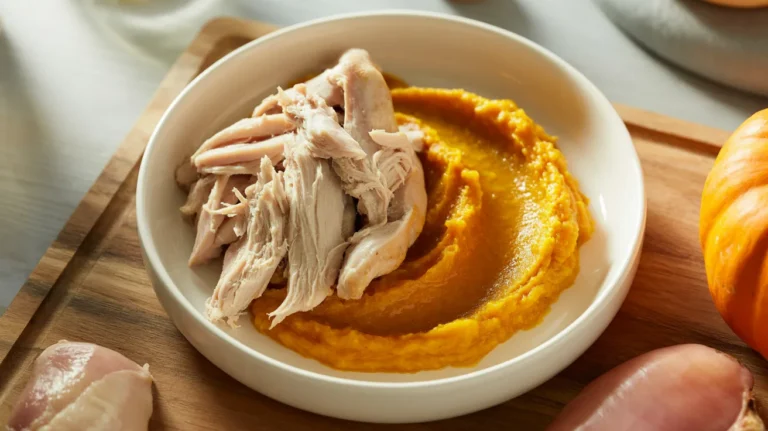
- 2 tbsp finely pureed pumpkin or cooked carrot (optional fiber)
- 1 tbsp finely chopped parsley (optional and minimal)
- Optional complete feline vitamin/mineral premix for homemade cat food
Important: Cats require precise nutritional balance. In my experience, if homemade food is fed regularly and not just as a topper, a complete feline supplement or guidance from a veterinary nutritionist is strongly recommended.
Instructions
Prep your space: I always wash my hands and clean surfaces before starting. Food safety matters just as much for cats as it does for people.
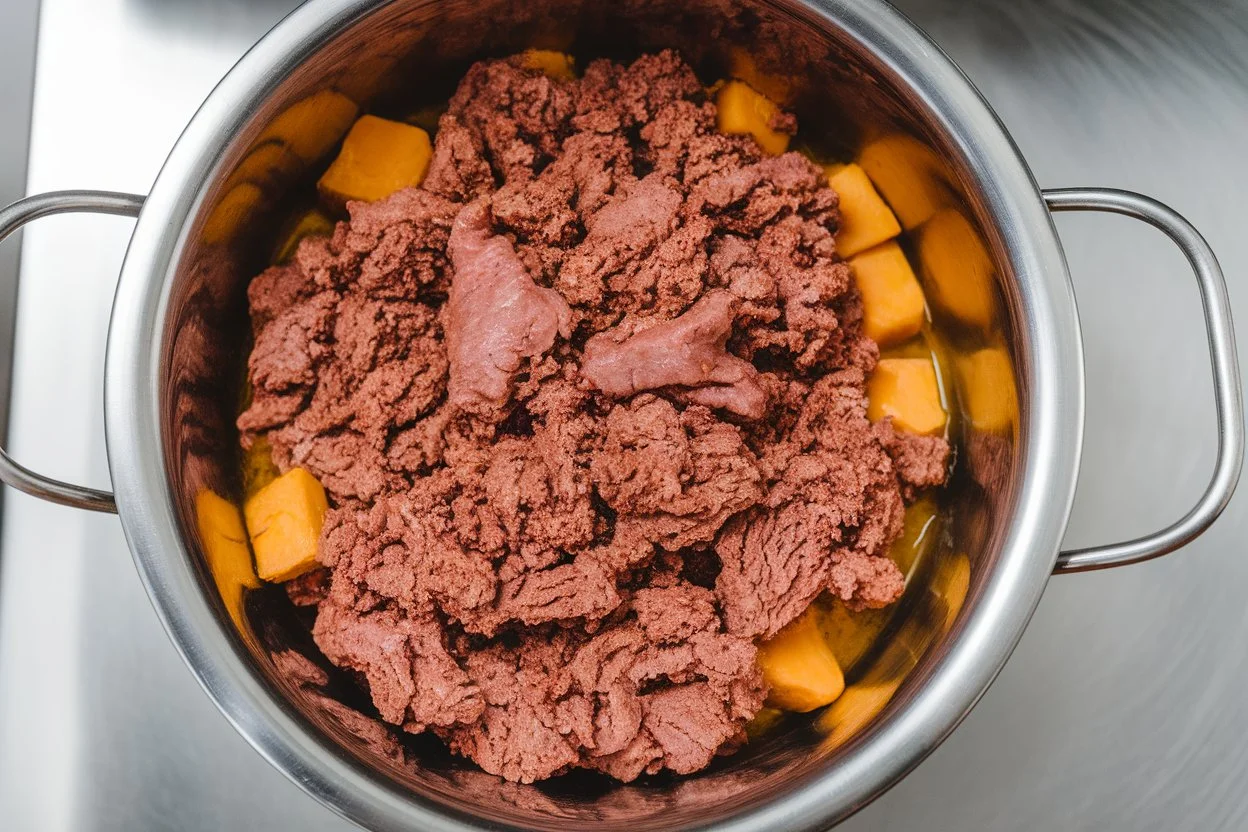
Lightly cook the beef: Cook the ground beef over medium heat until lightly browned but still soft. Overcooking dries the meat, which many cats refuse.
Add liver gently: Stir in the minced liver during the final 1–2 minutes. Liver cooks quickly and should stay tender.
Cool it down: Remove from heat and let the meat cool until warm, not hot. This helps preserve nutrients.
Blend the moisture: In a small bowl, whisk the broth or water with fish oil, taurine, calcium, salt, and egg until smooth.
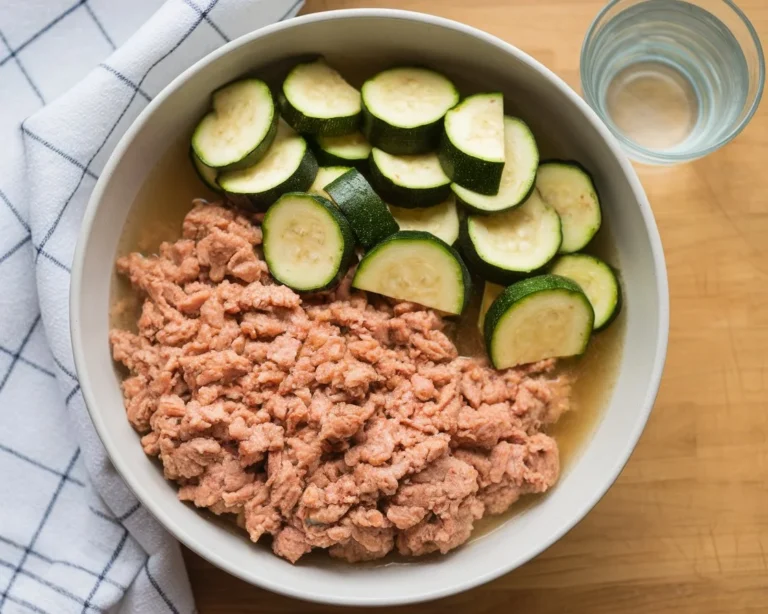
Combine: Mix the meat with the liquid thoroughly, then fold in pumpkin and parsley if using. The texture should be moist and scoopable.
Taste-check (for you, visually): I always check for smell, texture, and consistency—no dryness or bone fragments.
Portion: Most adult cats I care for eat 2–3 ounces per meal, adjusted based on body condition and vet guidance.
Serve: Serve at room temperature or slightly warm. Cold food straight from the fridge is often rejected.
Preservation Guide
Refrigerate: Store in airtight containers for up to 48–72 hours.
Freeze: Portion into small containers or molds and freeze for up to 2–3 months.
Safe thawing: Thaw overnight in the refrigerator or under cold running water.
Reheating: Warm gently using a water bath or low microwave power, stirring well to avoid hot spots.
What’s Great About This
Control over ingredients: I choose the protein quality and fat level while skipping fillers.
Supports hydration: Added moisture has noticeably improved litter box habits and urinary comfort in my cats.
Palatability: Beef’s natural aroma is appealing even to picky eaters.
Scalable: I often batch-cook and portion meals for busy weeks.
Common Mistakes to Avoid
Skipping taurine or calcium: These are non-negotiable. Taurine deficiency can cause heart disease and vision loss.
Overdoing liver: Keep liver at 5–10% of total meat to avoid vitamin A toxicity.
Using seasoned broths: Onion and garlic are toxic to cats.
Dry texture: Cats prefer moist food—add water or broth if needed.
All-in sudden switch: I always transition new food over 5–7 days.
Alternatives
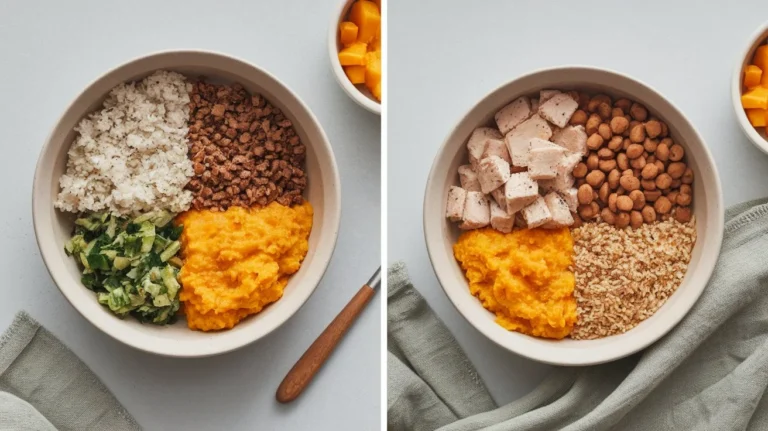
Protein swap: Turkey thigh, chicken, or rabbit can be used if beef doesn’t work.
Raw-leaning approach: If exploring raw feeding, veterinary guidance is essential for safety and balance.
Omega options: Krill oil or small amounts of sardines in water can replace fish oil.
Fiber tweaks: Increase pumpkin slightly for constipation or reduce if stools are too soft.
Premix shortcut: A feline vitamin/mineral premix simplifies balancing.
FAQ
Is this recipe complete and balanced for daily feeding?
It can be, but only with proper supplementation. Without supplements, I use it as a topper.
Can kittens eat this?
Kittens require growth-specific nutrition. I recommend working with a veterinarian.
Is beef safe for cats with sensitive stomachs?
Often yes, especially when lightly cooked and moist, but introduce slowly.
Can I skip the liver?
Only if nutrients are replaced through supplements or a complete premix.
How much should I feed per day?
Most adult cats eat about 20–30 calories per pound of body weight per day.
Is garlic or onion powder okay for flavor?
No. Both are toxic to cats.
What if my cat won’t eat it?
I warm it slightly and mix it gradually with familiar food.
Can I use bone broth from the store?
Only if it’s plain, low-sodium, and free from onion and garlic.
Final Thoughts
Homemade Cat Meal With Beef has allowed me to take full control of my cats’ nutrition after more than ten years of hands-on care. When prepared thoughtfully and balanced correctly, it supports hydration, digestion, coat quality, and overall health. Whether used as a complete meal with proper supplementation or as a nutritious topper, this recipe consistently delivers better mealtimes and healthier cats.
All content on this site is written and reviewed by our experienced team to ensure it is accurate, reliable, and helpful for our readers. Our Our Process page explains how we carefully research and create high-quality content, while our Team page introduces the professionals behind our work. We also provide clear guidelines for content or image concerns on our Image Removal page, so you can trust that we prioritize transparency, quality, and reader safety.