6 Mistakes Italian Greyhound Owners Make (And How to Avoid Them)
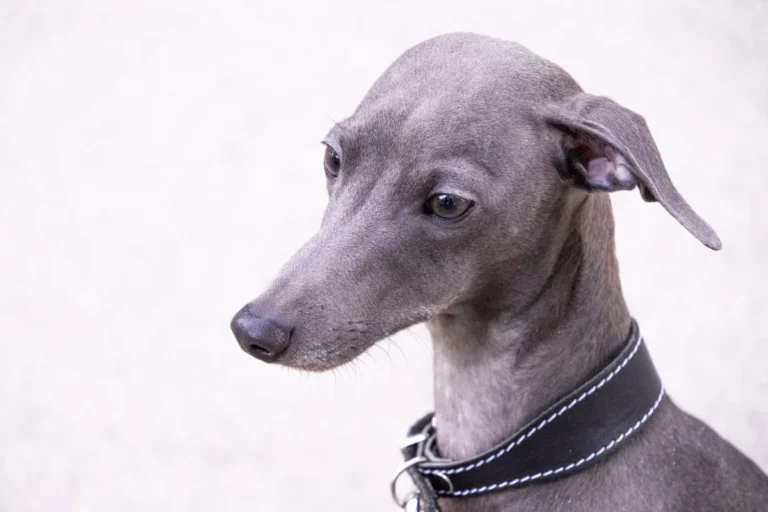
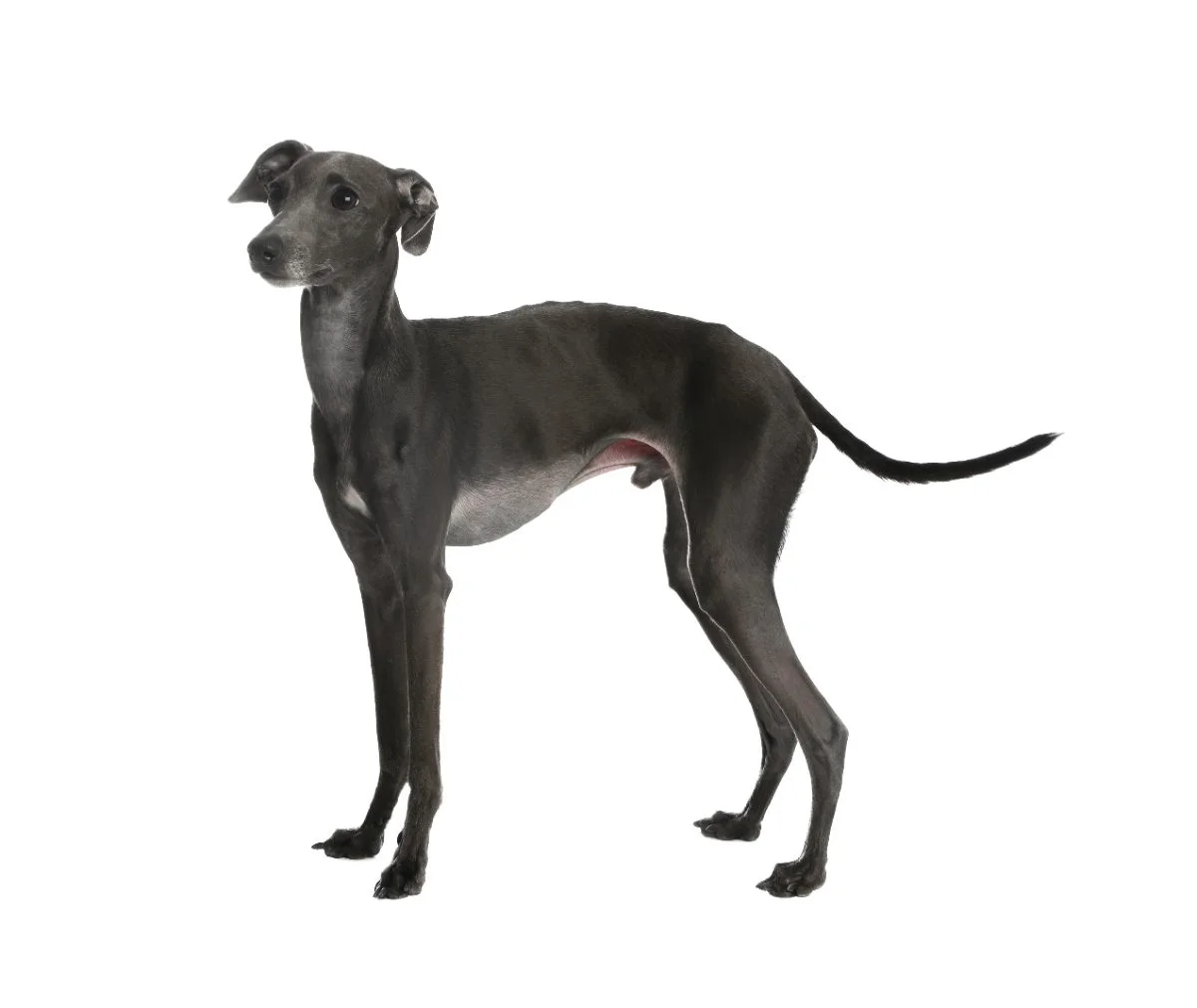
Italian Greyhounds may be small enough to carry under one arm, but they are not simply miniature versions of an ordinary small dog.
They’re delicate, fast, sensitive, and surprisingly athletic. That combination can create problems when owners underestimate their physical needs or assume that the same routines used for other small breeds will work perfectly for an Italian Greyhound.
The good news is that many common problems can be prevented with a little planning.
Want a Better-Trained, Happier Dog?
Get practical guidance for obedience, behavior, and everyday dog training with a collection of helpful training guides designed for dog owners.
This post may contain affiliate links. If you purchase through our link, we may earn a commission at no additional cost to you.
If you’re bringing home an Italian Greyhound, these six mistakes are worth knowing about before your puppy gets too comfortable with the furniture—or discovers just how fast those little legs can move.
Disclosure: As Amazon Associates, we earn from qualifying purchases at no extra cost to you.
Mistake 1: Letting Him Jump Off Furniture
One of the biggest safety concerns with young Italian Greyhounds is accidental injury from jumping or falling.
Their long, slender legs are particularly vulnerable during puppyhood, and an excited puppy may not understand that launching from a sofa or bed can end badly.
Instead of relying on supervision alone, make the environment safer.
- Use ramps or appropriately designed pet steps for furniture your dog is allowed to access.
- Teach your puppy how to use the ramp before allowing regular furniture access.
- Use baby gates or closed doors when you cannot supervise.
- Avoid games that encourage repeated jumping or leaping from elevated surfaces.
- Add rugs or runners to slippery floors so your dog has better traction.
Young dogs can also misjudge distances when they’re excited, so don’t assume your puppy will automatically learn to jump down safely.
Pro Tip: Prevention is much easier than managing a serious orthopedic injury. If furniture is part of your dog’s routine, build safe access into the setup from the beginning.
Mistake 2: Expecting Housetraining to Happen Overnight
Italian Greyhounds can take longer to housetrain than some owners expect.
Their small size, sensitivity to weather, and dislike of cold or wet conditions can make outdoor potty training more challenging, particularly during winter or rainy periods.
That doesn’t mean housetraining is impossible. It means consistency matters.
- Take a young puppy outside frequently, particularly after sleeping, eating, drinking, and playing.
- Establish a predictable potty schedule.
- Use crate training appropriately as part of a broader housetraining routine.
- Reward successful outdoor elimination immediately.
- Clean accidents thoroughly with an enzymatic cleaner.
- Never punish your puppy for an accident.
- Consider a sheltered potty area or an indoor backup option if weather regularly creates problems.
A tiny dog also has a tiny bladder, so expectations need to match the puppy’s physical development.
Pro Tip: Keep a warm coat by the door during colder months. If your puppy is uncomfortable outside, getting them to focus on pottying can become much harder.
Mistake 3: Trusting Him Off Lead
That little body can move incredibly quickly.
Italian Greyhounds are sighthounds, and many have a strong instinct to chase fast-moving objects. A squirrel, bird, or other distraction can trigger a sudden sprint before you have time to react.
A reliable recall is valuable, but it shouldn’t be treated as a guarantee of safety.
Outside a securely enclosed area, keep your Italian Greyhound safely restrained.
- Use a properly fitted harness for walks.
- Check fences regularly for gaps or escape routes.
- Be especially careful around gates and doors.
- Use a long line for controlled freedom in appropriate areas.
- Practice recall in secure environments before increasing distractions.
- Never assume a familiar park or quiet street is automatically safe for off-leash running.
A securely fenced area gives an Italian Greyhound somewhere to stretch their legs without asking them to ignore powerful instincts.
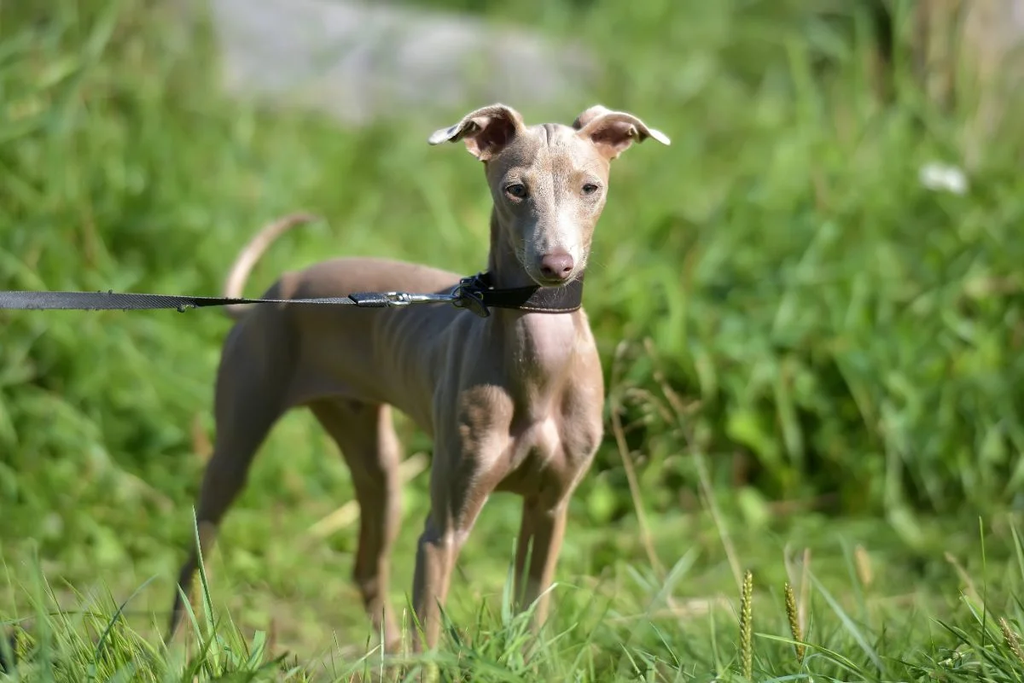
Safety Tip: Be cautious with collars that can slip over a narrow head. A properly fitted harness or a suitable sighthound-style collar can provide better security, depending on your dog’s individual fit.
Mistake 4: Skipping Dental Care
Dental care isn’t optional for Italian Greyhounds.
Like many small dogs, they can be prone to dental crowding and periodontal disease. Without regular home care and veterinary monitoring, plaque and tartar can contribute to painful dental problems.
Start building the habit while your dog is young.
- Introduce tooth brushing gradually.
- Aim for daily brushing when your dog is comfortable with the routine.
- Use toothpaste specifically made for dogs.
- Have your veterinarian check the mouth regularly.
- Follow your veterinarian’s advice about professional dental cleanings.
- Don’t assume dental chews can replace brushing.
The earlier your dog learns that having their mouth handled is normal, the easier dental care tends to become.
Dental disease isn’t merely a cosmetic issue. Significant oral disease can cause pain, affect eating, and contribute to broader health problems, which is why prevention and veterinary care matter.
Pro Tip: Begin with simply touching your puppy’s lips and teeth for a few seconds, reward them, and gradually introduce the toothbrush. Trying to do a full brushing session on day one can create unnecessary resistance.
Mistake 5: Leaving Him Alone Too Long
Italian Greyhounds are often extremely people-oriented dogs. Many form strong attachments to their families and may struggle if they’re suddenly expected to spend most of the day alone.
Long periods without company can contribute to boredom, anxiety, vocalization, destructive behavior, or house-training setbacks in some dogs.
Instead of suddenly leaving your puppy alone for hours, teach independence gradually.
- Begin with very short periods of separation.
- Slowly increase the duration as your puppy becomes comfortable.
- Provide a safe, comfortable resting area.
- Leave appropriate enrichment when you go out.
- Consider a dog walker or sitter if your schedule requires long absences.
- Give your dog regular opportunities for exercise, companionship, and interaction.
Another compatible dog can provide companionship for some households, but getting a second dog shouldn’t be treated as a guaranteed solution for separation anxiety.
If your Italian Greyhound shows severe distress when left alone, consider working with your veterinarian or a qualified behavior professional.
Pro Tip: Independence training is easiest when introduced before your puppy becomes accustomed to having someone available every minute of the day.
Mistake 6: Treating Cold-Weather Clothing Like a Fashion Accessory
Italian Greyhounds have very little body insulation compared with many other breeds. Their short coat and lean build mean they can become uncomfortable in cool conditions surprisingly quickly.
That makes appropriate clothing practical equipment rather than simply a cute accessory.
- Keep a lightweight sweater or fleece available for cool indoor environments.
- Use a properly fitted coat for cold or wet outdoor walks.
- Provide warm bedding away from drafts.
- Watch your dog’s body language for signs that they’re too cold.
- Give older dogs extra consideration during colder weather.
Shivering, lifting paws, reluctance to walk, or trying to return indoors can all indicate that your dog is uncomfortable.
At the same time, don’t automatically bundle your dog up in every situation. Clothing should match the weather, activity level, and individual dog’s needs.
And remember that a short coat provides limited protection from strong sunlight as well. During hot weather, provide shade and avoid prolonged direct sun exposure, particularly for dogs with very light skin.
What Getting It Right Looks Like
Once you understand what makes the breed different, living with an Italian Greyhound can be wonderfully rewarding.
They can adapt well to smaller homes, tend to enjoy plenty of relaxation, and often want to stay close to their people. Their compact size also makes many everyday routines surprisingly convenient.
The key is creating an environment that works with their physical and emotional needs.
That means:
- Make furniture safer: Use ramps, barriers, and good traction to reduce fall risks.
- Be patient with housetraining: Frequent potty breaks and weather-appropriate planning can make a major difference.
- Keep them secure outdoors: A fenced area or appropriate leash setup is safer than relying entirely on recall.
- Prioritize dental care: Establish brushing and veterinary dental checks early.
- Build independence: Teach your dog that short periods alone are safe and normal.
- Take temperature seriously: Their lean body and short coat can make cold weather uncomfortable.
Final Thoughts
The biggest mistake you can make with an Italian Greyhound is assuming that their small size means they can be managed exactly like any other small dog.
They’re delicate, quick, sensitive, and deeply attached to their families. Once you plan around those characteristics, many of the biggest challenges become much easier to manage.
Create safer furniture access, be patient with potty training, keep your dog secure outdoors, establish a dental routine, gradually build independence, and protect them from uncomfortable temperatures.
Do those things consistently and you’ll give your Italian Greyhound a much safer, more comfortable foundation—and plenty of opportunity to enjoy what makes this quirky little sighthound such a special companion.