Italian Greyhound Care Guide: Everything New Owners Need to Know
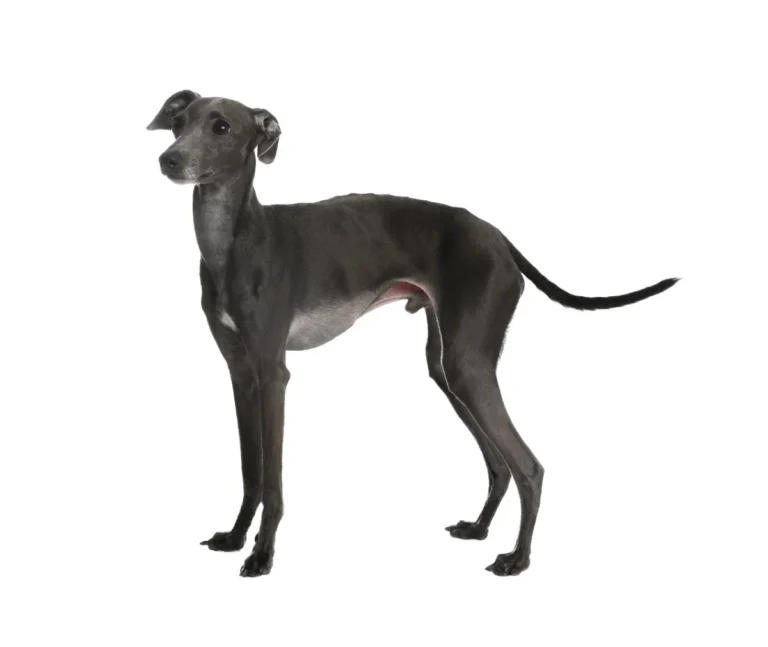
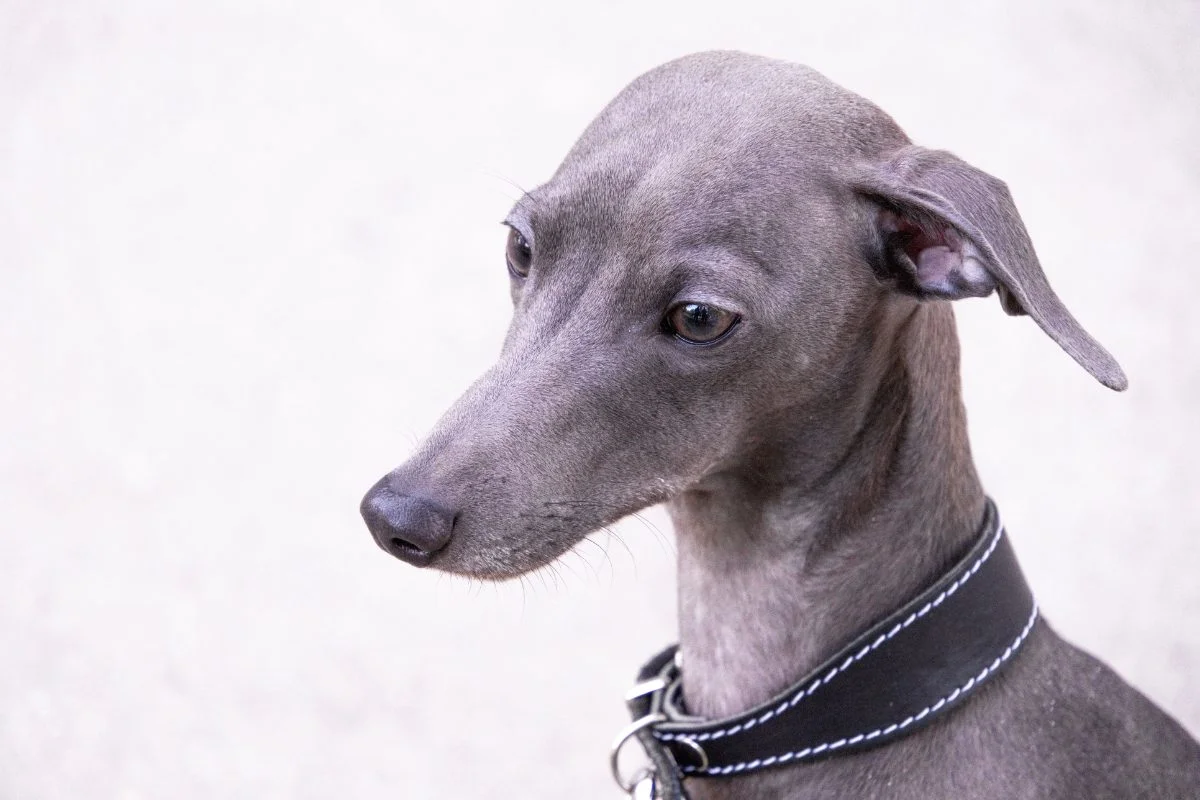
The Italian Greyhound may be small enough to fit under your arm, but this little sighthound comes with a surprisingly big personality.
Elegant, affectionate, fast, sensitive, and very committed to staying warm, an Italian Greyhound can be an amazing companion for the right household. But the breed is sometimes mistaken for an effortless little apartment dog simply because of its size.
That can be misleading.
Want a Better-Trained, Happier Dog?
Get practical guidance for obedience, behavior, and everyday dog training with a collection of helpful training guides designed for dog owners.
This post may contain affiliate links. If you purchase through our link, we may earn a commission at no additional cost to you.
Behind that delicate-looking body is a genuine sighthound with strong instincts, impressive speed, and some special care requirements. Before bringing one home, it helps to understand what everyday life with an IG actually looks like.
Disclosure: As Amazon Associates, we earn from qualifying purchases at no extra cost to you.
What Exactly Is an Italian Greyhound?
The Italian Greyhound is a genuine sighthound and a distinct breed—not simply a miniature version of another Greyhound-type dog.
The breed has an exceptionally long history, with Italian Greyhound-like dogs appearing in ancient artwork and historical records. Although tiny compared with larger sighthounds, they still retain many classic sighthound characteristics.
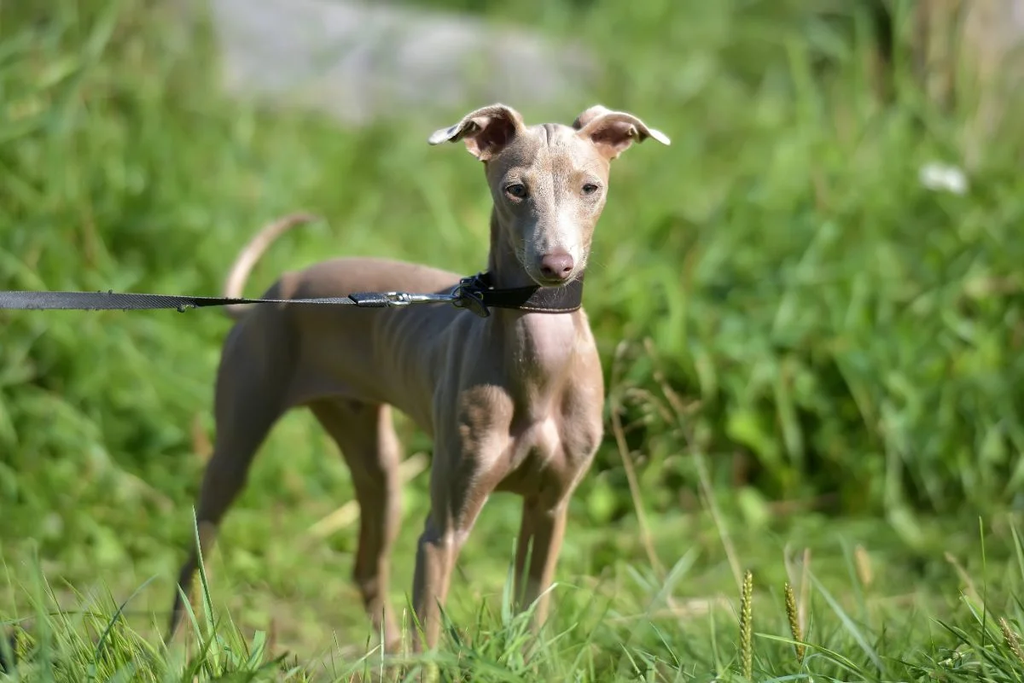
That includes a strong chase instinct, incredible acceleration, and a tendency to become intensely focused when something small and fast catches their attention.
The Quick Stats
- Height: Usually around 13 to 15 inches at the shoulder
- Weight: Commonly about 7 to 14 pounds
- Lifespan: Often around 12 to 15 years
- Coat: Short, fine, smooth, and relatively low-shedding
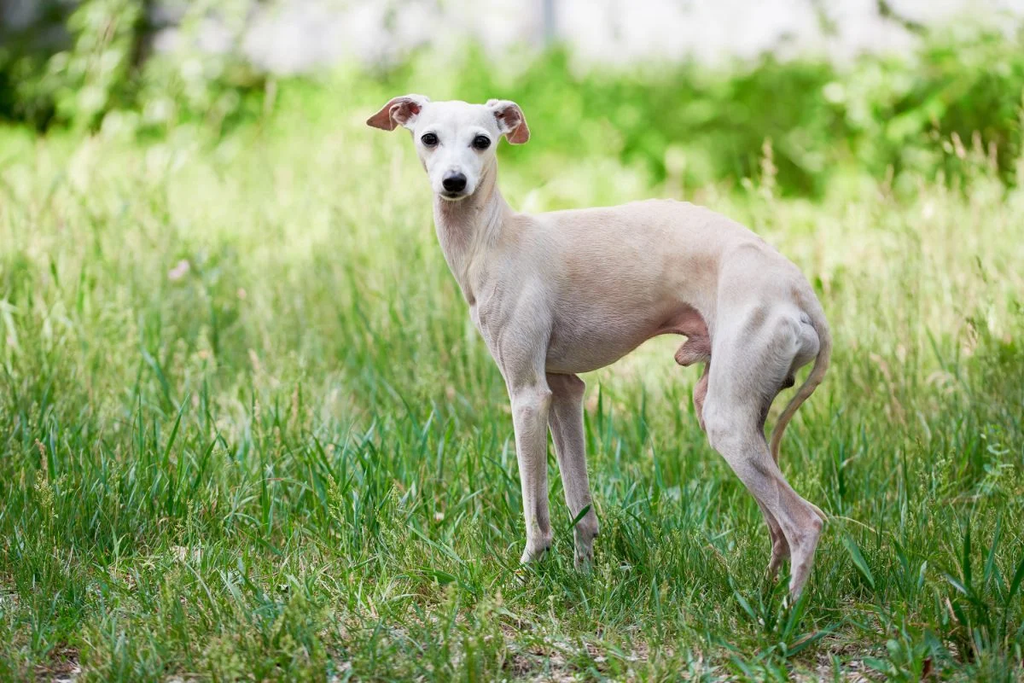
- Colors: Several colors and patterns are recognized, including gray, fawn, black, cream, and combinations with white
- Energy: Short bursts of high-speed activity followed by plenty of rest
An Italian Greyhound is also different from a Whippet or Greyhound. Despite the similar appearance, it is its own breed with its own size, temperament, and care considerations.
The Temperament Is Velcro With Legs
Italian Greyhounds are often extremely attached to their people.
If you are hoping for a dog that happily spends most of the day doing its own thing, this may not be the breed you imagined. Many IGs want to be close to their favorite person as much as possible—on the couch, beside you in bed, or tucked underneath a blanket.
They can be affectionate, playful, gentle, and wonderfully entertaining. At the same time, their sensitivity means they may not handle harsh correction or chaotic environments particularly well.
You may notice:
- Strong attachment to their favorite people
- A tendency to be cautious around unfamiliar people
- Sensitivity to shouting or rough handling
- Sudden bursts of energetic zoomies
- A strong preference for warm, comfortable places
- A powerful instinct to chase moving objects
- Individual dogs that can be surprisingly vocal
Many Italian Greyhounds can live happily with other dogs and even cats when properly introduced and raised together. However, their prey drive should not be underestimated.
A squirrel, rabbit, or other small animal running away can trigger an instinctive chase before your dog has time to think about your recall command.
Housetraining Is the Thing Nobody Warns You About
One of the biggest challenges for many Italian Greyhound owners is housetraining.
Their small size means they have relatively small bladders, while their sensitivity and dislike of cold or wet conditions can make outdoor potty trips more difficult than expected.
The key is consistency rather than punishment.
What can help:
- Establish a predictable potty schedule from the beginning
- Take young puppies outside frequently
- Reward successful bathroom trips immediately
- Supervise closely when your puppy is loose indoors
- Clean accidents thoroughly so lingering odors do not encourage repeat mistakes
- Never punish accidents after they happen
- Use appropriate indoor backup options if your living situation or weather makes outdoor trips difficult
Cold weather can be a genuine obstacle for some IGs, so a comfortable coat can make outdoor potty trips much easier.
Do not assume your puppy will be reliably trained after a few weeks. Some Italian Greyhounds take considerably longer, and progress can become harder during cold or rainy seasons.
Patience here is much more useful than frustration.
Those Legs Are Genuinely Fragile
An Italian Greyhound’s delicate build is one of the most important things prospective owners need to understand.
Young dogs are particularly vulnerable to fractures because their thin limbs can be injured by seemingly ordinary activities. A puppy launching itself from furniture or colliding awkwardly during play can create a serious problem.
That means prevention matters.
- Limit access to high furniture while your puppy is growing
- Consider ramps or low steps for frequently used furniture
- Discourage jumping from beds, couches, and other elevated surfaces
- Supervise rough play with larger dogs
- Provide good traction on slippery flooring
- Keep stairs and other hazardous areas appropriately blocked off
- Avoid encouraging repeated high-impact jumping
You do not need to keep your dog wrapped in bubble wrap. The goal is simply to recognize that an IG puppy’s physical structure calls for more environmental management than many owners expect.
Pet insurance or a dedicated emergency fund can also be worth considering because orthopedic emergencies can become expensive very quickly.
Exercise Is Short, Fast, Then Done
Italian Greyhounds may spend much of the day curled up like decorative throw pillows, but that does not mean they need no exercise.
They tend to enjoy a combination of regular walks, play, and opportunities to move at higher speeds in a genuinely secure area.
A practical routine may include:
- Daily walks appropriate for the individual dog
- Short play sessions
- Safe opportunities to run in a fully enclosed area
- Training and scent-based games for mental stimulation
- Plenty of downtime afterward
Outside of a secure enclosure, keep your IG safely restrained.
Their speed and prey drive can make an unexpected chase extremely dangerous. A dog that normally responds beautifully to recall may completely ignore you when a small animal suddenly runs across its path.
A secure fenced area is therefore much safer than relying on obedience alone.
And once the exercise session is over, do not be surprised if your IG immediately resumes professional-level lounging.
Warmth Is Not Optional
Italian Greyhounds have a very short, fine coat and relatively little insulation compared with many other breeds.
As a result, many are uncomfortable in cool weather and appreciate practical clothing during colder seasons.
Helpful options can include:
- A properly fitted coat for chilly outdoor walks
- Warm sweaters when appropriate
- Soft beds away from drafts
- Blankets for dogs that like to burrow
- Indoor spaces where your dog can comfortably warm up after going outside
There is no single temperature that is automatically too cold for every Italian Greyhound. Individual tolerance varies, and factors such as wind, rain, activity level, age, and body condition matter.
Watch your dog rather than following a rigid temperature rule.
Shivering, reluctance to walk, lifting the paws, or repeatedly trying to return indoors can all indicate that your dog is uncomfortable.
Health Issues to Budget For
Italian Greyhounds can live long lives, but responsible ownership includes planning for conditions that may occur in the breed.
Issues owners and breeders may discuss include:
- Dental disease: Crowded teeth and periodontal problems can be significant concerns in small dogs
- Patellar luxation: The kneecap can move out of its normal position
- Progressive retinal atrophy: Certain inherited eye conditions can affect vision
- Legg-Calvé-Perthes disease: A condition affecting the hip joint
- Orthopedic injuries: Young IGs can be particularly vulnerable to leg fractures
- Thyroid and other health conditions: These may occur in individual dogs or certain family lines
Dental care deserves particular attention.
Small dogs can develop significant dental problems, so establishing tooth brushing early is a smart habit. Your veterinarian can also recommend professional dental examinations and cleanings based on your dog’s individual needs.
When choosing a puppy, ask the breeder about relevant health screening and the medical history of the parents. Your veterinarian can also help you establish an appropriate preventive-care schedule.
The Honest Cost Breakdown
The cost of owning an Italian Greyhound varies significantly depending on where you live, the breeder, veterinary prices, insurance, food, grooming needs, training, and unexpected medical expenses.
Possible expenses include:
- Puppy purchase price: Often varies substantially by breeder and location
- First-year expenses: Veterinary care, vaccinations, supplies, training, food, clothing, and equipment
- Ongoing annual expenses: Food, routine veterinary care, preventative care, supplies, and insurance if purchased
- Dental care: Costs vary according to your dog’s needs and your veterinarian’s pricing
- Emergency care: Orthopedic injuries or other unexpected problems can become expensive
Instead of budgeting only for routine expenses, it is wise to have either pet insurance, an emergency savings fund, or another realistic plan for unexpected veterinary bills.
Is an Italian Greyhound Right for You?
Good fit if you:
- Want a highly affectionate companion
- Spend plenty of time at home
- Prefer a dog that can adapt well to apartment living
- Are comfortable using coats and other practical gear in cold weather
- Are willing to establish a consistent dental-care routine
- Have patience for potentially challenging housetraining
- Can provide safe opportunities for exercise and running
Skip this breed if you:
- Expect your dog to be comfortable alone for long periods every day
- Need a dog that can safely roam off lead
- Have a household where rough handling or play is likely
- Do not want a very physically affectionate dog
- Expect quick and effortless housetraining
- Are not prepared to manage the risks associated with a delicate young dog
Final Thoughts
Italian Greyhounds are tiny, but they are not simply miniature low-maintenance dogs.
They are sensitive sighthounds with strong personalities, impressive speed, delicate young bodies, and a serious appreciation for warm blankets.
Protect them while they are growing. Give them safe exercise. Stay consistent with housetraining. Take dental care seriously. Keep them secure outdoors and warm when the weather calls for it.
In return, you can have an affectionate companion who is equally happy sprinting around a safe yard and disappearing beneath a blanket beside you.
Just be prepared for the possibility that the blanket—and possibly your pillow—will eventually become theirs.