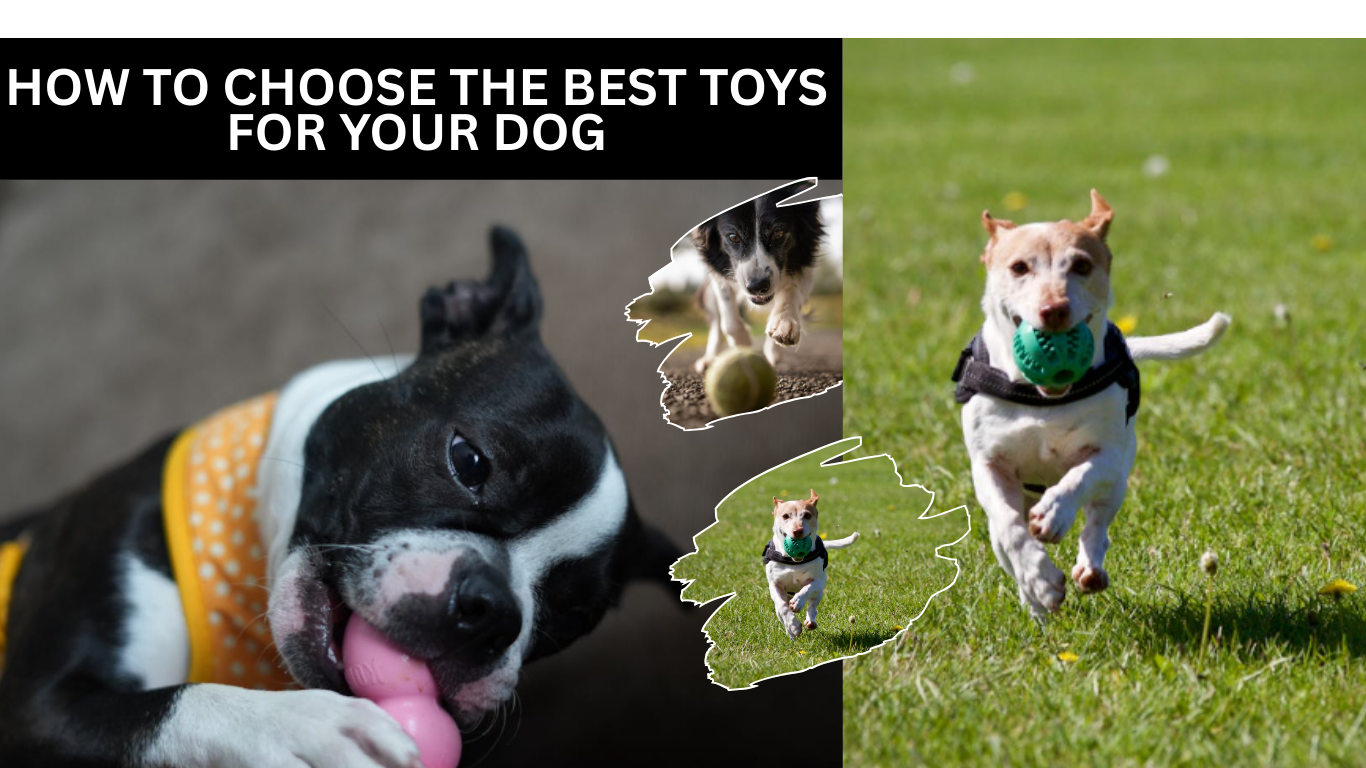
How To Choose The Best Toys For Your Dog
Toys may seem simple, but they play a huge role in your dog’s happiness and overall health. When you see your dog busy, wagging, or proudly carrying a favorite toy around, you realize how much joy those small items bring. They do far more than keep your dog occupied — they help burn energy, prevent boredom, and support mental development. Once you understand how important toys really are, it becomes obvious why choosing them carefully matters so much for your dog’s daily life.
Toys not only entertain your dog but also support their physical and mental well-being, making it important not to settle for just any random item.
The goal is to understand how to pick toys that truly benefit your dog, rather than just grabbing something off the shelf without considering what your dog actually needs.
Know Your Dog’s Personality
When you’re choosing toys for your dog, the very first thing you need to think about is your dog’s individual personality. Every dog behaves differently, and over time you start to notice patterns — whether they shred everything you hand them, chase anything that moves, or curl up with something soft. Understanding these little habits makes toy shopping so much easier.
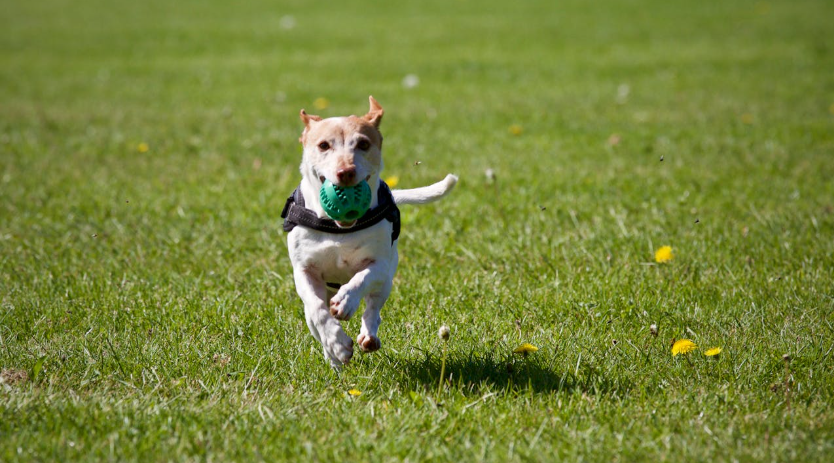
You should ask yourself what your dog naturally leans toward. If your dog can’t resist chewing everything in sight, then you know they need tougher toys. If they live for running after a ball, then fetch toys should be your go-to. And if your dog is the type who naps with a plush toy tucked under their chin, then soft toys will feel comforting to them.
These questions help you figure out what actually fits your dog, instead of buying toys they might ignore. Most dog owners, including me, learn this through experience — after trying different toys and watching how our dogs react, we start understanding their preferences clearly.
Choose the Right Material
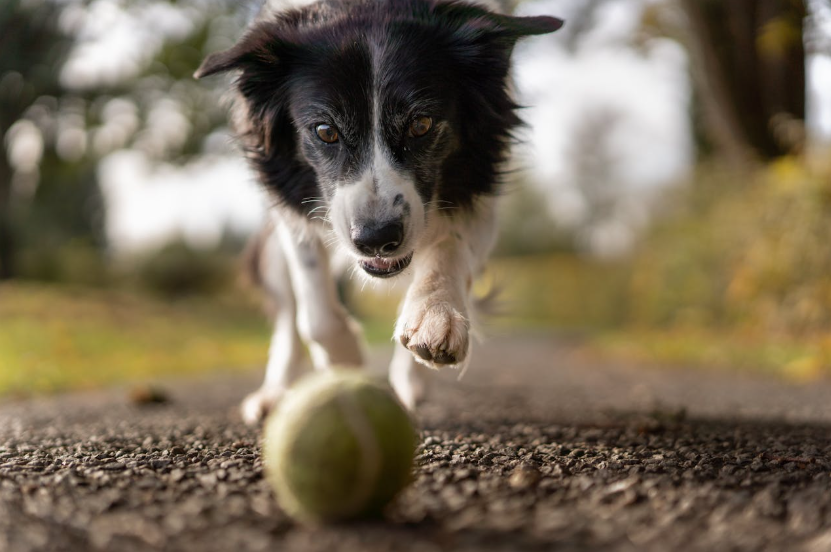
The material of a toy matters more than most people think, especially if you’re dealing with a dog who can turn anything into tiny pieces within minutes. Once you’ve watched your dog completely destroy a flimsy toy, you learn quickly that the material has everything to do with durability and safety.
You want something that matches how your dog plays. Strong chewers need rubber or tougher materials because they hold up better over time. Dogs who prefer comfort over destruction usually enjoy plush toys, though they’re not ideal for any dog that likes to rip and tear. Rope toys are fun for tug games, but they can wear down with heavy use. And some dogs thrive with interactive toys because those keep their minds busy, especially when they get bored easily.
Choosing well-made materials may cost a bit more up front, but it saves you money and worry in the long run. After replacing cheap toys over and over, you eventually realize that quality really does matter.
Size Matters
Size is a surprisingly important part of choosing toys, and you often learn this after seeing your dog struggle with something too big or too small. A tiny toy in the mouth of a large dog can be a choking hazard, while a huge toy given to a small dog can be frustrating or uncomfortable for them to play with.
Small dogs need toys they can hold, carry, and chew without risking their safety. Larger dogs, on the other hand, need toys sturdy enough to withstand their strength and big enough that they can’t accidentally swallow them. Paying attention to size keeps your dog safe and makes playtime more enjoyable for both of you.
Engagement Level
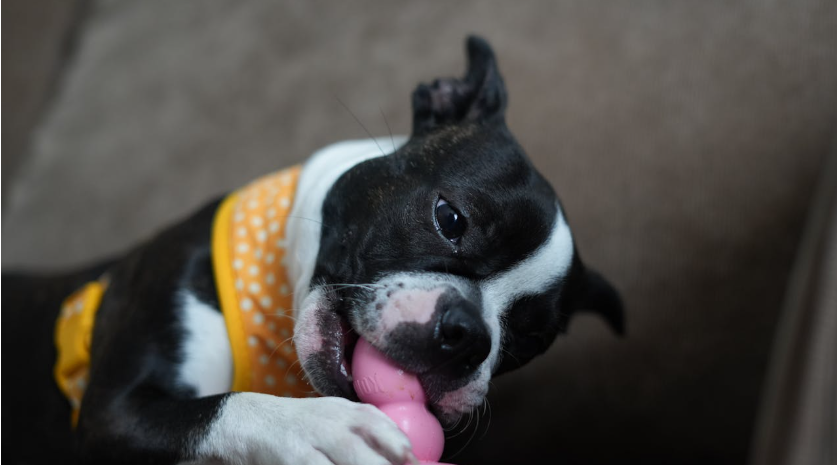
A toy isn’t much help if your dog gets bored with it after five minutes. You want toys that actually grab their attention and keep them entertained, especially if you’re balancing work, errands, or daily chores. Toys that encourage movement or thinking are usually the most successful.
Puzzle toys make your dog work for rewards, which taps into their natural problem-solving instincts. Fetch toys let them burn off energy, something many dogs desperately need. Treat-dispensing toys add excitement because dogs love the challenge of earning something delicious.
Through experience, you learn that mentally stimulating toys help reduce destructive behaviors and give your dog something meaningful to focus on.
Safety First
You quickly learn that not all dog toys are made with safety in mind. That’s why checking materials and construction is so important. Anything with small parts or weak stitching can become a risk if your dog chews aggressively or likes to tear things apart.
Inspecting toys regularly becomes a habit — especially if your dog has a talent for pulling out squeakers or tearing seams apart. The safer the toy, the more confidently your dog can enjoy it.
Suit Your Budget
Every dog owner knows how easy it is to overspend on toys, especially when you want to spoil your dog. But with experience, you start setting limits so you can keep your dog happy without stretching your budget.
Buying smarter helps a lot. Watching for sales, choosing durable toys, or even making simple homemade options can save money. Sometimes the simplest ideas, like turning old household items into safe DIY toys, end up becoming your dog’s favorites.
Trial and Error
Finding the right toys often takes patience. You may buy something that looks perfect, only for your dog to walk right past it. Other times, a toy you didn’t think much of becomes their absolute favorite.
Rotating toys helps keep things exciting, and trying new ones gradually shows you what captures your dog’s interest. Over time, you build a varied collection of toys that keep your dog active and satisfied. This process becomes a shared experience — one where you learn more about what makes your dog truly happy.
Conclusion of Choose The Best Toys For Your Dog
Once you understand how to choose toys that fit your dog’s needs, shopping becomes much easier and more enjoyable. You feel more confident picking options that actually benefit your dog instead of guessing. With the right toys, your dog gets the physical exercise, mental stimulation, and emotional comfort they need to thrive.
Every dog destroys a toy now and then, but when you choose wisely, you notice your dog is happier, more active, and more fulfilled — and that’s what makes the effort worthwhile.