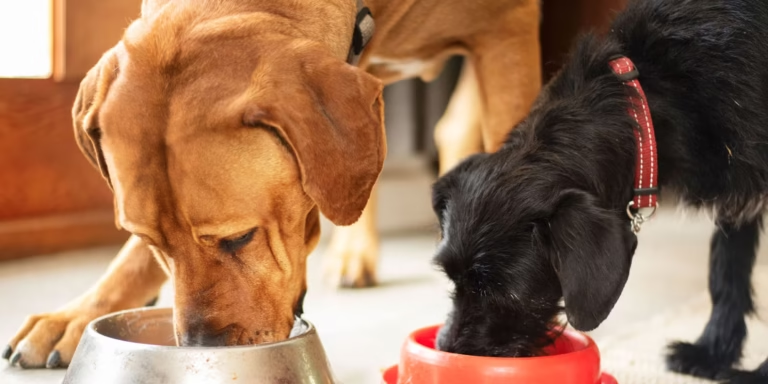
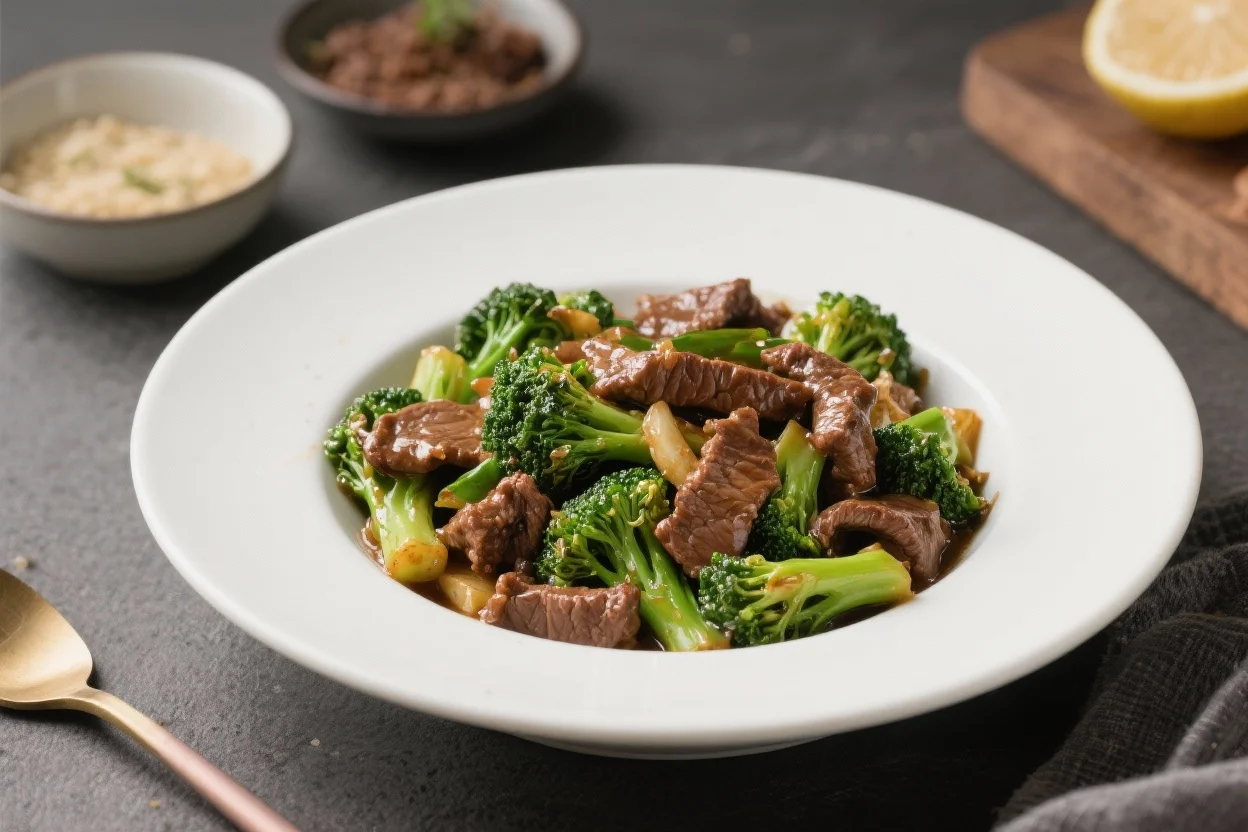
Beef and Broccoli DIY Dog Meal – Easy, Nutritious, and Budget-Friendly
Making your dog’s food at home doesn’t have to mean spending hours in the kitchen. This Beef and Broccoli DIY Dog Meal combines lean ground beef, cooked broccoli, rice, and a few simple ingredients for an easy homemade option.
Everything can be prepared on the stovetop, and you can make several portions at once. It is also easy to adjust if your dog prefers a different protein, vegetable, or texture.
Disclosure: As Amazon Associates, we earn from qualifying purchases at no extra cost to you.
Why This Recipe Works
The recipe combines several basic food groups in one bowl.
Lean beef supplies protein, rice provides carbohydrates, and broccoli and carrots add fiber and other nutrients. A small amount of healthy oil can also be included for additional fat.
Cooking the vegetables makes them softer and easier to mix into the meal. The simple preparation also makes this recipe convenient for batch cooking.
Shopping List
- Lean ground beef: 1 pound, preferably 90–93% lean
- Broccoli florets: 2 cups, fresh or frozen
- Brown or white rice: 1 cup uncooked
- Carrot: 1 medium, finely diced, optional
- Olive oil or salmon oil: 1–2 teaspoons
- Calcium source: Veterinary-approved calcium powder or finely ground eggshell powder
- Water or low-sodium, onion-free broth
Avoid adding: onions, garlic, excess salt, sauces, or human seasoning blends.
Instructions
- Cook the rice: Rinse the rice and place it in a pot with 2 cups of water. Bring it to a boil, cover, and cook until tender. White rice usually takes around 15–20 minutes, while brown rice can take about 35–40 minutes. Fluff with a fork and set aside.
- Prepare the broccoli: Cut the broccoli into small pieces. Steam or simmer it until it is tender but not mushy.
- Cook the beef: Heat a skillet over medium heat and add the ground beef. Break it into small pieces while cooking. Continue until the beef is fully cooked with no pink remaining, then drain the excess fat.
- Cook the vegetables: Add the diced carrot to the skillet with a small splash of water. Cook for 3–4 minutes, then add the broccoli. Continue cooking for another 5–7 minutes until the vegetables are tender.
- Mix the ingredients: Add the cooked rice to the skillet with the beef and vegetables. Stir until everything is evenly combined. Add the olive oil or salmon oil if using.
- Add calcium: Allow the food to cool slightly before mixing in the calcium supplement. Follow the product instructions or your veterinarian’s recommended amount. If using eggshell powder, a commonly used guideline is around 1 teaspoon per pound of meat, but individual needs can vary.
- Cool and serve: Let the finished meal reach room temperature before serving. Divide it into a suitable portion based on your dog’s individual needs.
How to Store
- Refrigerate: Keep the cooked food in airtight containers for up to 3–4 days.
- Freeze: Divide into individual portions and freeze for up to 2–3 months.
- Thaw safely: Move frozen portions to the refrigerator overnight before serving.
- Warm gently: If your dog prefers warm food, heat it slightly rather than serving it hot.
- Stir before serving: Give each portion a quick stir to redistribute the moisture and oil.
Why This is Good for You
One of the biggest advantages of homemade meals is knowing exactly what you are putting into your dog’s bowl.
Lean beef provides protein, while rice gives the meal an easy source of carbohydrates. Broccoli and carrots add vegetables without requiring complicated preparation.
Adding an appropriate calcium source is also important when preparing meat-based homemade meals. Meat contains much more phosphorus than calcium, so the overall recipe needs to account for that balance.
If you plan to use homemade food as your dog’s main diet over the long term, the complete diet should provide all essential vitamins, minerals, fatty acids, and other nutrients.
Common Mistakes to Avoid
- Adding human seasonings: Keep the recipe plain. Do not add onions, garlic, sauces, or unnecessary salt.
- Skipping calcium: A meat-heavy homemade recipe needs an appropriate calcium source when it is being used regularly.
- Using large vegetable pieces: Chop broccoli and other vegetables into small pieces and cook them until tender.
- Leaving excess grease in the meal: Drain fatty ground beef well before mixing everything together.
- Changing the diet too quickly: Introduce homemade food gradually rather than making a sudden switch.
Variations You Can Try
- Protein swap: Replace the beef with lean ground turkey or chicken. Cook the meat thoroughly and remove chicken skin.
- Carb options: Sweet potato or quinoa can replace the rice. Cook them until soft before adding them.
- More vegetables: Small amounts of green beans, zucchini, or spinach can be mixed in for variety.
- Omega-3 addition: A suitable fish oil can provide EPA and DHA. Follow the product’s dosing instructions.
- Sensitive stomach version: Start with white rice and a simple protein, then introduce additional vegetables gradually.
FAQ
How much should I feed my dog?
Portion size depends on your dog’s body size, age, activity level, metabolism, and total calorie requirements.
A commonly used starting point for homemade food is around 2–3% of body weight per day, divided between meals, but this is only a general guide. Individual calorie needs can vary considerably.
Is broccoli safe for dogs?
Broccoli can be included in a dog’s diet in moderate amounts.
Cook it and cut it into small pieces before serving. Too much broccoli may cause gas or digestive discomfort, so it should remain one part of the overall meal rather than making up most of the bowl.
Can I make this grain-free?
Yes. You can replace the rice with cooked sweet potato or pumpkin.
Cook the replacement until soft and introduce the change gradually. Removing grains does not automatically make a diet more suitable for every dog.
Do I need supplements?
Calcium is particularly important when a homemade diet contains a significant amount of boneless meat.
If you plan to feed this type of meal regularly, additional vitamins and minerals may also be needed. A veterinarian or canine nutrition professional can help determine what the complete diet requires.
Can I feed this every day?
It can be included regularly, but the complete diet needs to be nutritionally balanced.
Simply combining meat, vegetables, and rice does not guarantee that every required nutrient is present in the correct amount. For daily homemade feeding, make sure the recipe is properly formulated.
What if my dog has allergies?
Remove any ingredient your dog is known to react to.
Keep substitutions simple and introduce one new ingredient at a time. For dogs with confirmed food allergies, work with your veterinarian to identify appropriate ingredients.
Is ground beef better than beef chunks?
Ground beef is convenient because it cooks quickly and distributes evenly throughout the rice and vegetables.
Small pieces of lean beef can also work. Whichever form you choose, make sure the meat is thoroughly cooked and easy for your dog to eat.
Can I add eggs?
Yes, a plain cooked egg can be added to the meal for many dogs.
Scramble or hard-boil the egg without salt, butter, or seasoning. If you add an egg regularly, account for its calories and adjust the rest of the meal accordingly.
Final Thoughts
This Beef and Broccoli DIY Dog Meal keeps homemade cooking simple. Lean beef, rice, broccoli, and carrots come together with minimal preparation and can easily be divided into several meals.
Keep the ingredients plain, control the portions, and use an appropriate calcium source when needed. If homemade food is going to become a regular part of your dog’s diet, make sure the complete feeding plan covers their nutritional requirements.