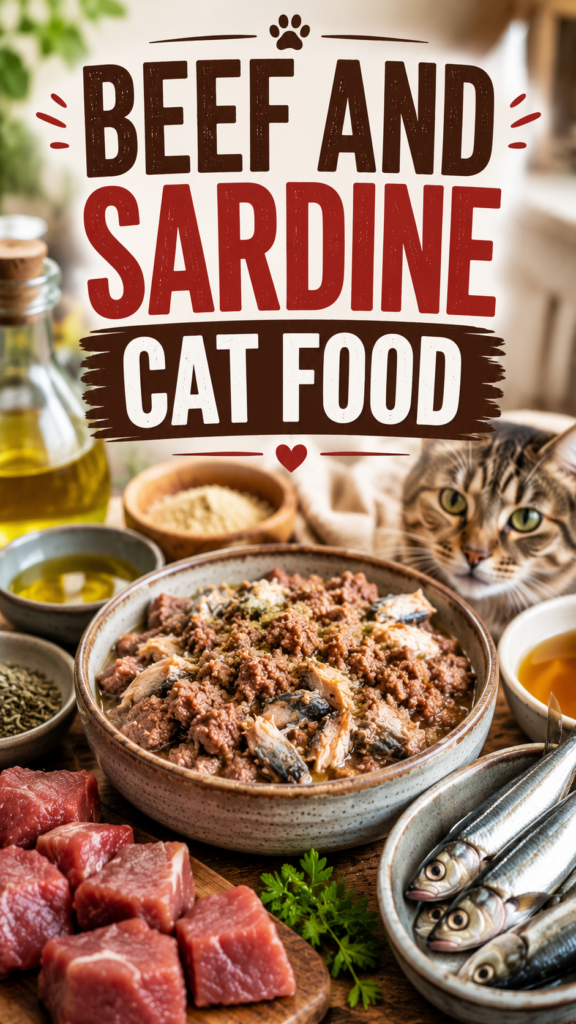
Beef and Sardine Cat Food – Protein-Rich, Simple, and Cat-Approved
I started making beef and sardine cat food after noticing that some of my cats lost interest in ordinary meals after a while. Cats often rely heavily on smell when deciding what to eat, and the rich scent of sardines combined with fresh beef has consistently helped encourage better appetite and enthusiasm at mealtime.
After caring for cats for many years, I’ve learned that simple homemade recipes can be both practical and rewarding. This combination provides quality animal protein, healthy fats, and plenty of moisture while allowing me to adjust the consistency based on each cat’s preference. It’s one of the easiest homemade cat food recipes I keep in regular rotation.
Save For Later
Key Takeaways
- Beef offers complete animal protein that supports muscle health and daily activity.
- Sardines contain beneficial omega-3 fatty acids that may help maintain healthy skin and a shiny coat.
- Moist homemade meals can contribute to better hydration.
- Strong natural aromas often appeal to selective or picky cats.
- Homemade recipes allow greater control over ingredient quality and texture.
- Taurine and other essential nutrients should be considered when feeding homemade meals regularly.
Pro Tip
When I use sardines in homemade cat food, I always choose varieties packed in water with no added salt or seasonings. Before mixing the ingredients, I mash the sardines thoroughly so the flavor spreads evenly throughout the meal. This prevents cats from picking out only their favorite pieces. I also divide the batch into small containers immediately after preparation to keep portions fresh. If a cat is hesitant to try the recipe, I mix a spoonful into their regular food first. In my experience, gradual introduction leads to much better acceptance and fewer digestive issues.
Other Posts
- Chopped Beef Steak and Butternut Squash Cat Food Recipe
- Beef Liver and Rabbit Cat Food Recipe for High-Protein Nutrition
- Homemade Beef Cat Food Recipe for Healthy Everyday Feeding
What Makes This Special
This recipe combines lean beef with sardines to deliver complete protein alongside healthy fats. In my experience, the natural fish oils noticeably improve coat shine within a few weeks, especially in indoor cats that struggle with dry skin. Beef provides steady energy and keeps cats feeling satisfied longer.
It’s also practical. The ingredients are easy to find, the prep takes under 30 minutes, and the recipe is simple to scale for batch cooking. Sardines have a strong smell that many cats find irresistible, which makes this a great option for cats who turn their noses up at milder foods.
Ingredients
- 1 pound (450 g) lean ground beef (90–95% lean)
- 1 can (3.75–4.4 oz / 106–125 g) sardines in water, drained
- 1 large egg (optional, for extra protein and choline)
- 1/4 cup finely chopped carrot or pumpkin, lightly cooked
- 1/4 cup finely chopped spinach or zucchini, lightly cooked
- 1 tablespoon plain pumpkin purée (optional, for fiber)
- 1–2 teaspoons fish oil or sardine oil (only if sardines are packed in water)
- 1/4 cup water or low-sodium, onion-free bone broth
- Cat-safe supplement containing taurine and a feline vitamin/mineral blend, as advised by your vet
Keep the recipe plain and cat-safe. Never add onions, garlic, salt, spices, or herbs.
Step-by-Step Instructions
Cook the beef.
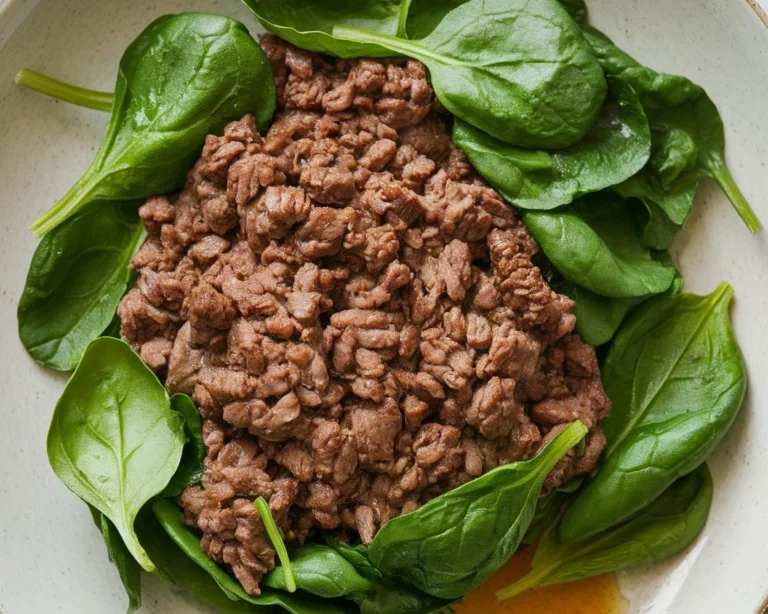
Heat a skillet over medium heat and add the ground beef. Break it into small pieces and cook until fully browned with no pink remaining. If there’s excess fat, drain it off.
Lightly cook the vegetables.
Steam or sauté the carrot or pumpkin and spinach or zucchini until soft. This improves digestibility and reduces bitterness, which I’ve found helps acceptance.
Prepare the sardines.
Drain well and mash thoroughly with a fork so they blend evenly into the food. If they’re packed in oil, skip adding extra fish oil later.
Optional egg step.
Scramble the egg fully or hard-boil and finely chop it. I avoid raw eggs to reduce bacterial risk and biotin interference.
Combine and moisten.
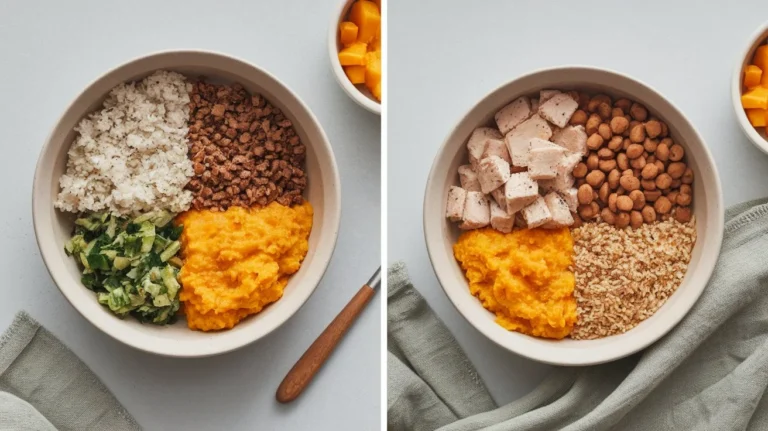
In a large bowl, mix the beef, sardines, vegetables, egg, and pumpkin purée. Add water or broth to reach a soft, moist consistency. Most cats prefer food that’s slightly wet rather than crumbly.
Add supplements.
Let the mixture cool until lukewarm, then stir in taurine and the feline vitamin/mineral blend according to instructions. Adding supplements after cooling helps preserve potency.
Adjust texture.
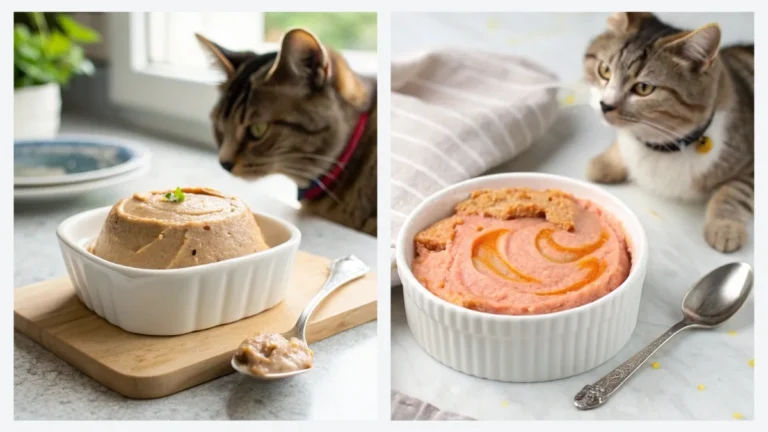
For pâté-style food, pulse briefly in a food processor. For cats who like chunks, leave it coarse.
Serve.
Start with a small amount mixed into your cat’s regular food and increase gradually over 3–5 days. Serve at room temperature.
How to Store
Refrigerator:
Store in an airtight container for up to 3–4 days.
Freezer:
Freeze in single-meal portions for up to 2 months. Thaw overnight in the refrigerator.
Reheating:
Serve at room temperature or slightly warmed. Never serve hot.
If the food smells sour or looks slimy, discard it.
Health Benefits
High-quality protein:
Beef supplies essential amino acids needed for muscle maintenance, tissue repair, and energy.
Omega-3 fatty acids:
Sardines provide EPA and DHA, which support skin health, coat shine, joints, and heart function. Studies show omega-3s may also help reduce inflammation in cats.
Taurine support:
Cats cannot produce enough taurine on their own. Supplementation supports heart health, vision, and reproductive function.
Gentle fiber:
Pumpkin and vegetables can help regulate stool quality when used in small amounts.
Moisture content:
Extra moisture supports urinary tract health, an important factor since many cats naturally drink less water.
Common Mistakes to Avoid
Skipping supplements:
Homemade cat food requires taurine and balanced minerals. Meat alone is not nutritionally complete.
Using onions, garlic, or seasoning:
These ingredients are toxic to cats and must be avoided entirely.
Too much fat:
Excess fat can upset digestion and increase pancreatitis risk. Use lean beef and drain grease.
Serving too cold:
Cold food can reduce appetite. Always let it come to room temperature.
Rapid diet changes:
Transition slowly to avoid vomiting or diarrhea.
Variations You Can Try
Turkey and sardine mix:
Replace half the beef with ground turkey for a lighter option.
Beef heart addition:
Swap up to 20% of the beef for finely chopped beef heart for extra taurine and micronutrients.
Quail egg topper:
A cooked quail egg can be added occasionally for variety.
Bone broth blend:
Use low-sodium, onion-free bone broth instead of water for added flavor and collagen.
Texture tweaks:
Add more liquid for a pâté texture or keep it chunkier for cats who prefer chewing.
FAQ
Can I use canned sardines in oil?
Yes, but drain them thoroughly and skip extra oil to avoid excessive fat. Water-packed sardines are easier to control.
Is raw beef okay for this recipe?
Cooked beef is safer. Raw feeding requires strict sourcing, handling, and supplementation. Always discuss raw diets with your vet.
How much should I feed my cat?
Many adult cats eat about 2–4 ounces (55–110 g) per meal, twice daily. Adjust based on body condition, age, and activity level.
Do I really need taurine supplements if I include sardines?
Yes. Taurine levels vary and decrease with cooking. Supplementation ensures consistency.
Can I use other vegetables?
Yes, in small amounts. Zucchini, green beans, and pumpkin are good options. Avoid all alliums and starchy vegetables.
What if my cat won’t eat sardines?
Start with a smaller amount, blend them finely, or increase the beef portion until your cat adjusts.
How long does it keep in the fridge?
3–4 days in an airtight container. Freeze extra portions for convenience.
Can kittens eat this?
With veterinary guidance and proper supplementation, yes. Kittens need higher calories and nutrients per pound, so confirm portions with your vet.
Wrapping Up
Beef and sardine cat food is flavorful, nutrient-dense, and surprisingly simple to make. With lean meat, omega-rich fish, and the right supplements, this recipe offers a fresh homemade option that many cats genuinely enjoy. Start small, watch how your cat responds, and adjust moisture and texture to their preferences. A little planning goes a long way toward a healthier, happier bowl.
All content on this site is written and reviewed by our experienced team to ensure it is accurate, reliable, and helpful for our readers. Our Our Process page explains how we carefully research and create high-quality content, while our Team page introduces the professionals behind our work. We also provide clear guidelines for content or image concerns on our Image Removal page, so you can trust that we prioritize transparency, quality, and reader safety.