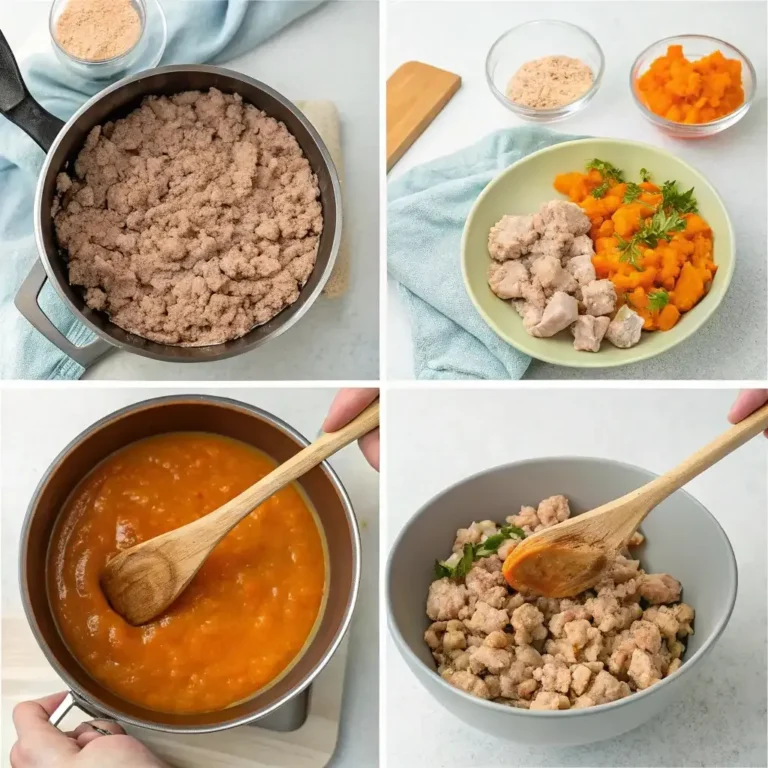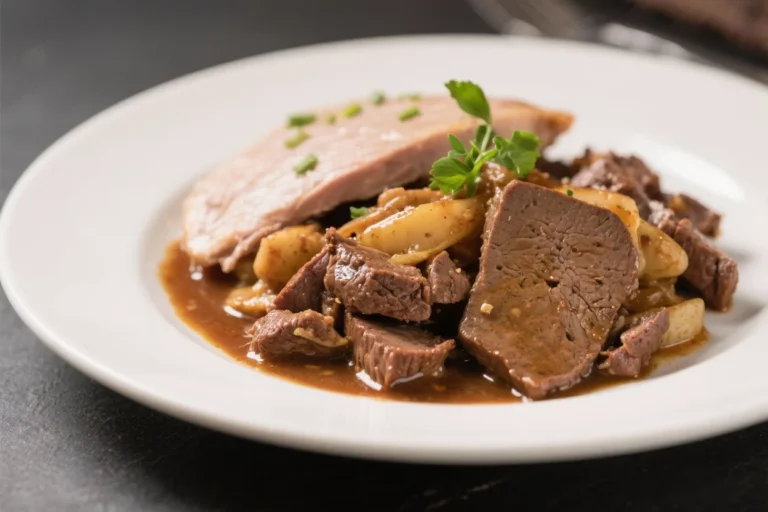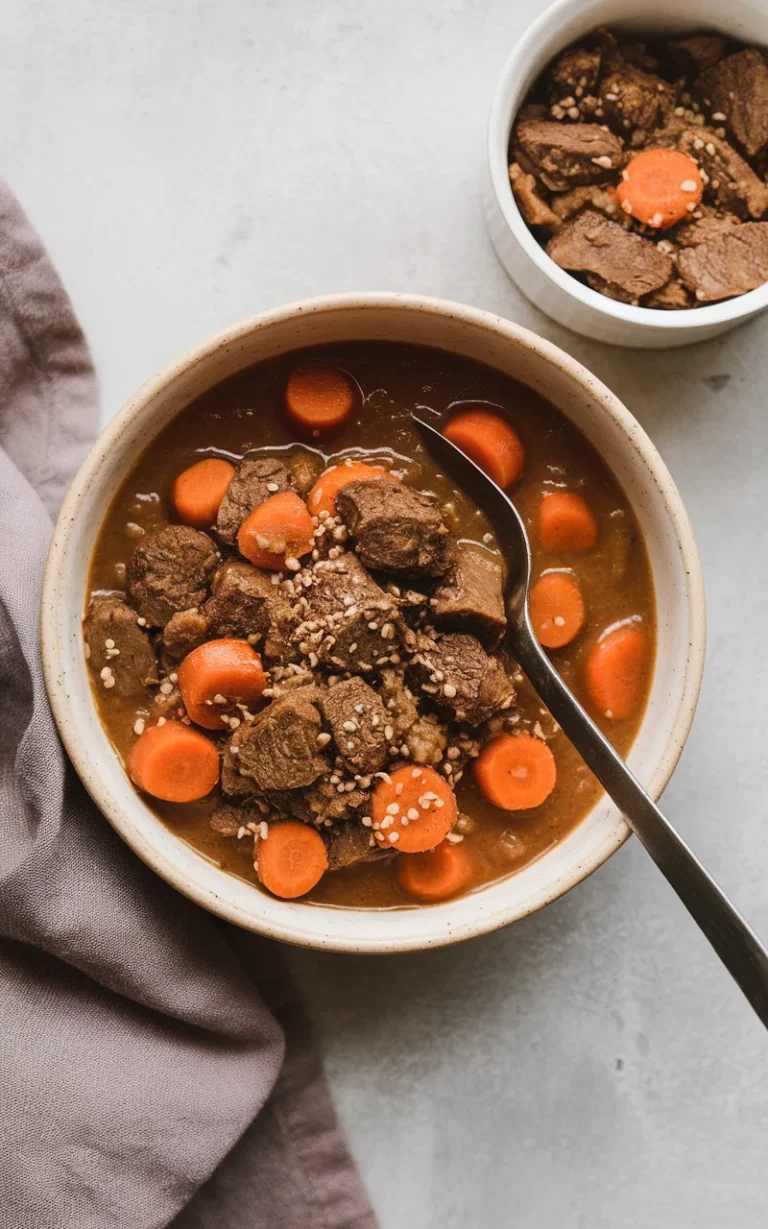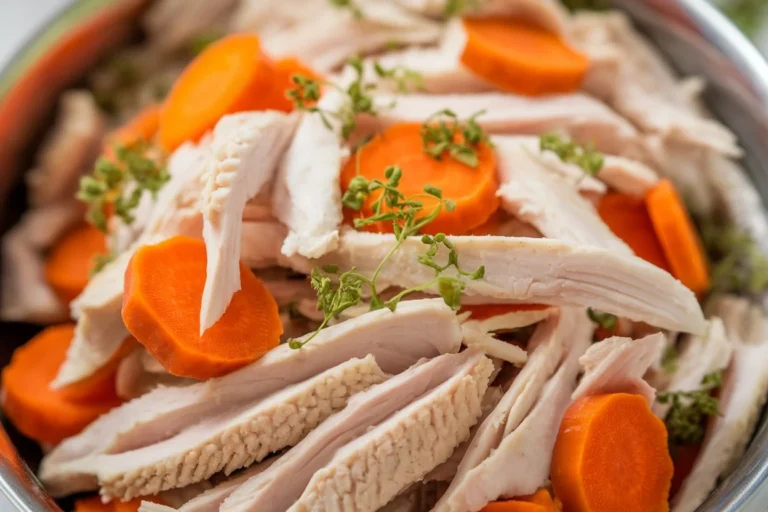

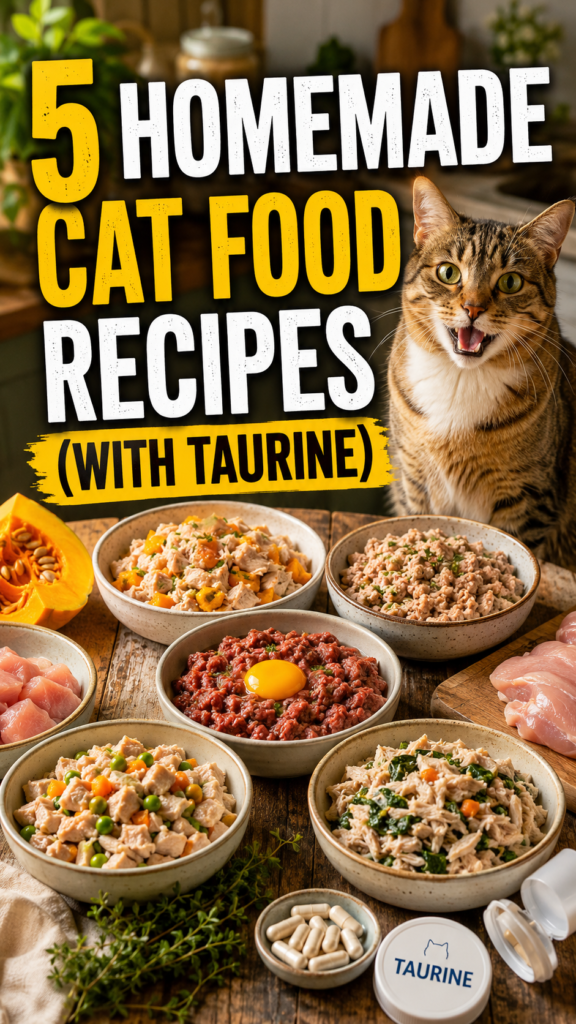
5 Homemade Cat Food Recipes (With Taurine)
Keeping cats healthy starts with what goes into their food bowl, and over the years I’ve learned that homemade cat food recipes with taurine can be a helpful option for owners who want more control over ingredients. After caring for multiple cats through different life stages, I’ve seen firsthand how diet affects energy levels, digestion, coat condition, and overall wellness.
My interest in preparing homemade meals began when one of my cats became extremely selective about commercial food. While researching feline nutrition, I realized just how important taurine is for cats. Unlike many other animals, cats rely on dietary sources of taurine to support heart function, vision, and daily health. Since then, I’ve spent years experimenting with balanced homemade meals while closely monitoring how my cats respond.
Save For Later
Key Takeaways
- Taurine is an essential nutrient that cats must obtain from food.
- Homemade meals provide greater control over ingredient quality.
- Taurine supplements are often necessary when preparing cooked recipes.
- Moisture-rich meals can help support feline hydration.
- Rotating recipes may help prevent mealtime boredom.
- Always consult a veterinarian before making major dietary changes.
Pro Tip
When I prepare homemade cat food, I never make large recipe changes overnight. Instead, I gradually mix the new food with my cat’s current diet over several days. This gives me a chance to watch for digestive issues, appetite changes, or ingredient sensitivities. I also portion meals immediately after cooking and freeze individual servings to maintain freshness. Keeping a simple notebook of ingredients and your cat’s reaction can be surprisingly helpful when fine-tuning recipes. Small adjustments are often more effective than complete diet overhauls.
Other Posts
- DIY Cat Food Taurine Recipe Guide
- Homemade Cat Food With Probiotics For Healthy Digestion
- Best Homemade Cat Food Ideas For Everyday Feeding
1. Purr-fect Chicken & Liver Delight
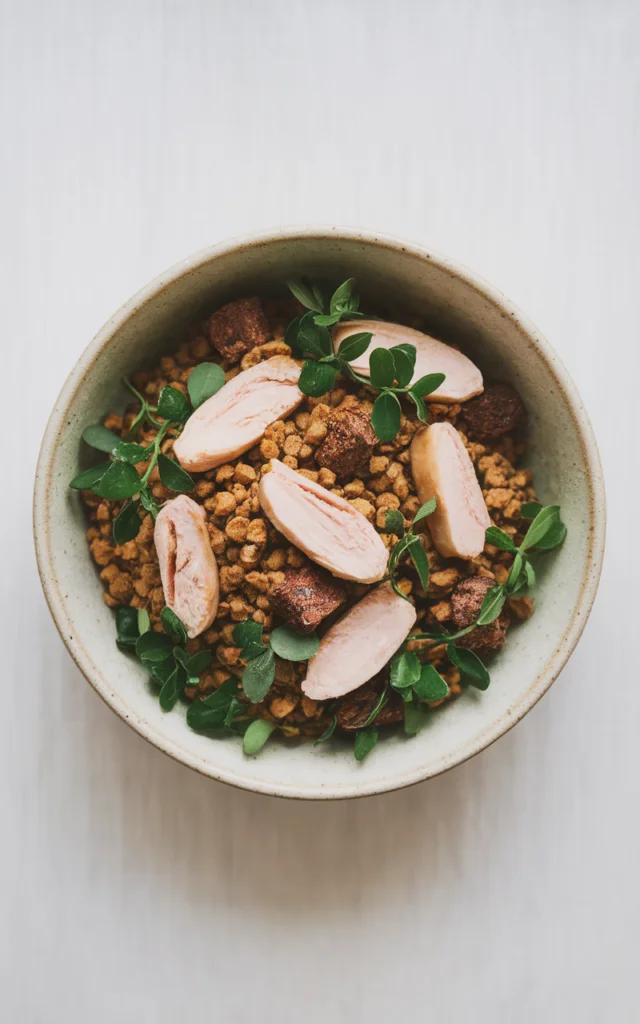
This is one of the first taurine-rich meals I ever made at home. Chicken provides lean protein, while liver naturally contains taurine and vitamin A. I’ve used this recipe for cats recovering from illness and for seniors needing soft, nutrient-dense meals.
Ingredients
- 1 cup cooked chicken (shredded)
- 1/4 cup chicken liver (cooked and chopped)
- 1/4 cup cooked carrots (mashed)
- 1/2 teaspoon fish oil
- 1/4 teaspoon taurine powder
Instructions
- Mix shredded chicken and chopped liver in a bowl
- Add mashed carrots and fish oil
- Sprinkle in taurine powder and mix thoroughly
- Serve at room temperature
When cats resist liver, I blend it smooth and mix it in—texture can make or break acceptance.
2. Tuna Taurine Turbo Bites
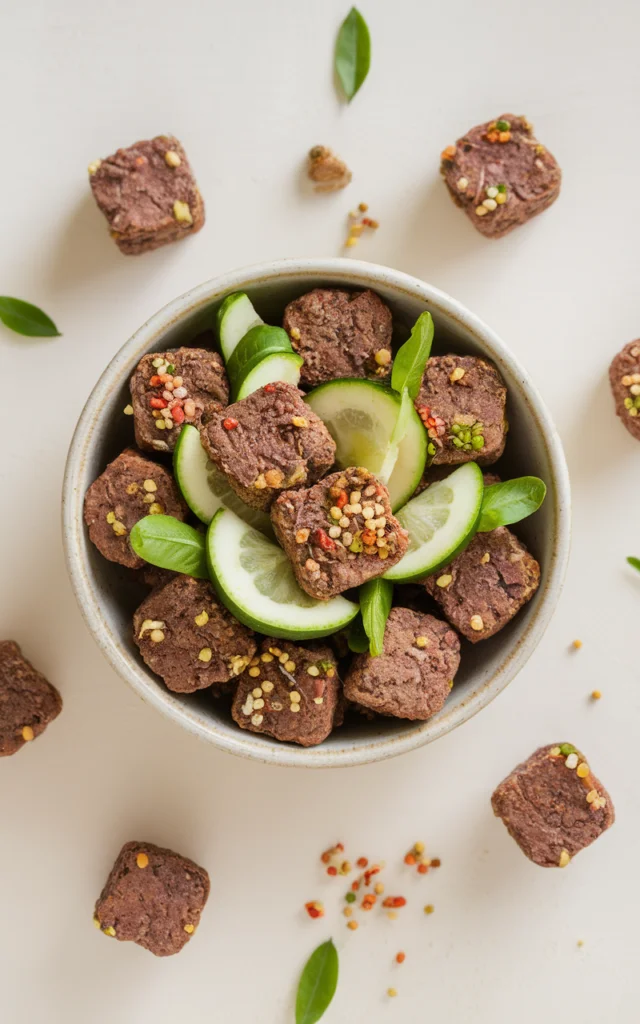
Tuna has always been a high-value food in my house, especially for cats with low appetite. Because fish should stay occasional, I use this sparingly and always supplement taurine.
Ingredients
- 1 can tuna in water (drained)
- 1 tablespoon cooked quinoa
- 1/4 teaspoon taurine powder
- 1 teaspoon flaxseed oil (optional)
Instructions
- Flake tuna into small pieces
- Mix in quinoa and oil
- Stir in taurine powder evenly
- Serve immediately or refrigerate briefly
Too much tuna can contribute to mercury exposure, so moderation matters.
3. Beef & Egg Power Bowl
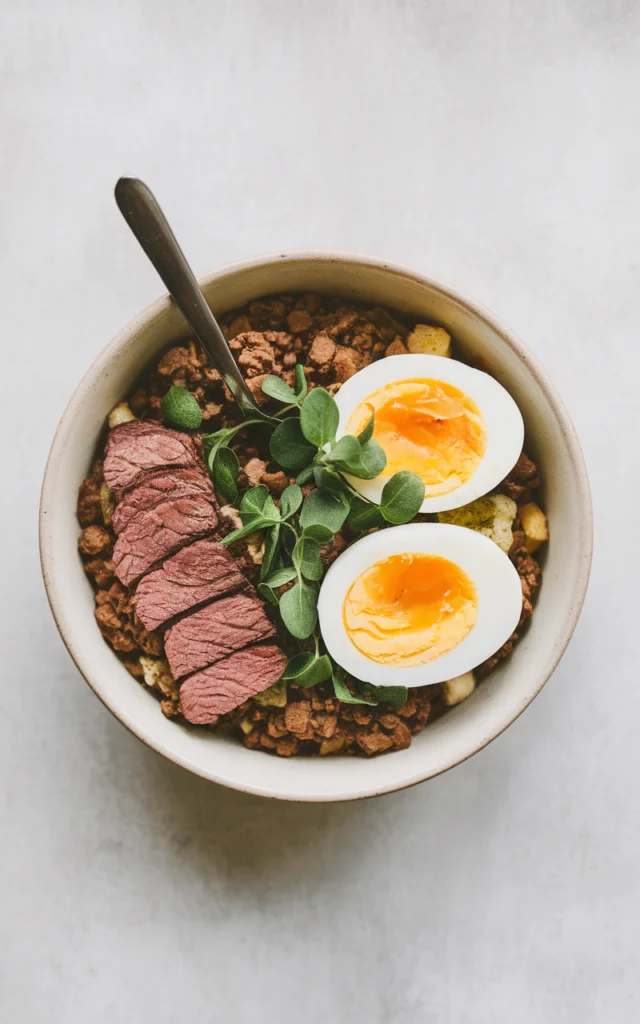
For active cats or those needing weight support, this meal delivers dense nutrition. I’ve used variations of this recipe for cats rebuilding muscle after illness.
Ingredients
- 1/2 cup lean ground beef (cooked)
- 1 hard-boiled egg (chopped)
- 1 tablespoon pumpkin purée
- 1/4 teaspoon taurine powder
Instructions
- Cook beef thoroughly and cool
- Mix beef with chopped egg
- Add pumpkin and taurine powder
- Serve in small portions
Pumpkin helps digestion, but too much fiber can loosen stools—less is more.
4. Turkey & Spinach Supreme
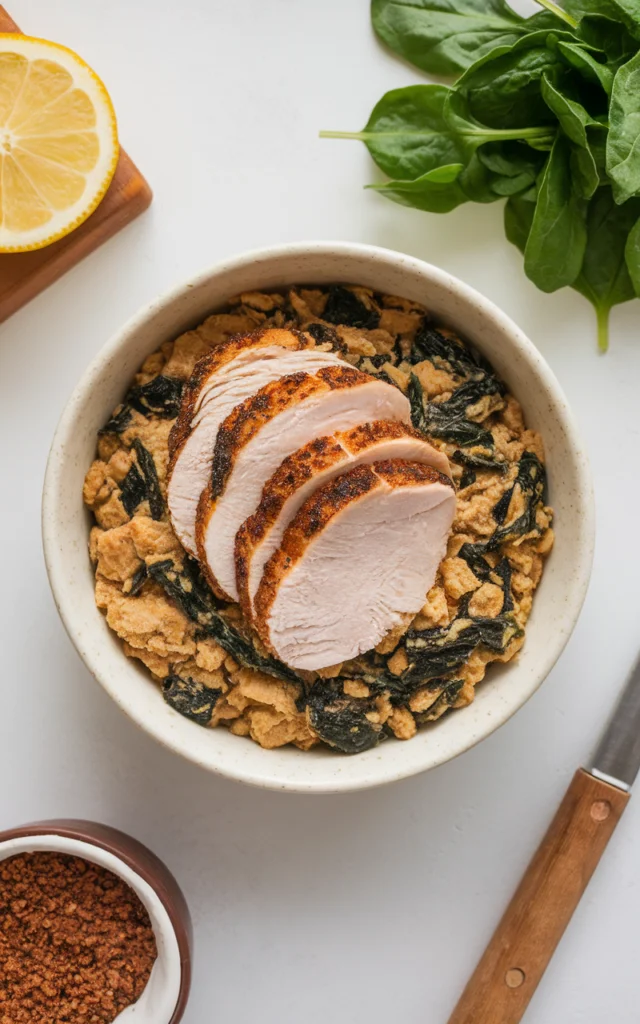
Turkey is one of the most digestible proteins I’ve used, especially for cats that don’t tolerate chicken well. This recipe works well in rotation.
Ingredients
- 1 cup cooked turkey (shredded)
- 1 tablespoon steamed spinach (chopped)
- 1 teaspoon olive oil
- 1/4 teaspoon taurine powder
Instructions
- Combine turkey and spinach
- Drizzle with olive oil
- Mix in taurine powder
- Serve slightly warm or room temperature
Spinach should stay minimal and avoided entirely for cats with kidney concerns.
5. Salmon & Sweet Potato Surprise
I’ve seen noticeable coat improvements when rotating salmon meals once weekly. This recipe is rich but satisfying, making it ideal for picky eaters.
Ingredients
- 1/2 cup cooked salmon (flaked, boneless)
- 2 tablespoons mashed sweet potato
- 1/4 teaspoon taurine powder
- 1 teaspoon coconut oil (optional)
Instructions
- Mix salmon and sweet potato
- Add oil if using
- Stir in taurine powder thoroughly
- Serve fresh
All bones must be removed—cats don’t chew the way we do.
FAQs
1. Why is taurine so important for cats?
Cats cannot synthesize enough taurine. Deficiency has been directly linked to heart disease, blindness, and reproductive failure.
2. Can I skip taurine if I use meat?
No. Cooking significantly lowers taurine content, so supplementation is required.
3. How much taurine should I add?
A common guideline is about 250–500 mg per pound of food, but your vet can tailor this based on your cat.
4. Can I freeze homemade cat food?
Yes. I freeze single portions for up to one month and thaw in the refrigerator.
5. What if my cat refuses homemade food?
Transition slowly over 5–7 days, mixing small amounts into familiar food.
Final Thoughts
Homemade cat food with taurine has been one of the most impactful changes I’ve made for my cats over the years. When done thoughtfully, it supports heart health, vision, digestion, and overall vitality. Start simple, observe closely, and always keep your vet in the loop. Your cat may still judge you—but at least they’ll be well-fed.
All content on this site is written and reviewed by our experienced team to ensure it is accurate, reliable, and helpful for our readers. Our Our Process page explains how we carefully research and create high-quality content, while our Team page introduces the professionals behind our work. We also provide clear guidelines for content or image concerns on our Image Removal page, so you can trust that we prioritize transparency, quality, and reader safety.