Turkey Thigh & Green Bean Blend: A Healthy Homemade Cat Dinner
Finding a homemade meal that both supports feline nutrition and actually gets eaten can be a challenge. That’s why I keep coming back to Turkey Thigh & Green Bean Blend whenever I want to offer my cats something fresh, simple, and packed with real ingredients. It’s one of those recipes that has consistently earned approval from even my pickiest eaters.
Over the years, I’ve noticed that cats can become bored with the same flavors every day. Adding occasional homemade meals has helped bring more excitement to feeding time while giving me control over the ingredients. This turkey and green bean recipe is easy to prepare and works well as a nutritious addition to a balanced feeding routine.
Save For Later
Key Takeaways
- Turkey thigh supplies protein that supports healthy muscles.
- Cooked green beans add fiber and texture with minimal calories.
- Homemade cat meals can increase moisture intake.
- Soft textures are often more appealing to cats.
- Fresh ingredients help provide variety in a cat’s diet.
- Best used as an occasional supplement alongside complete cat food.
Pro Tip
I’ve found that texture can make or break a homemade cat meal. Instead of serving large chunks of turkey, I finely shred the meat so it’s easier for my cats to chew and enjoy. I also steam the green beans until they’re very soft before mixing them in. Letting the food cool completely is important because cats can be sensitive to temperature. If a cat seems hesitant, I mix a small spoonful into their regular food first. This gradual introduction usually works much better than serving a full portion right away. Paying attention to texture and temperature has improved acceptance every time.
Related Posts
- Shredded Chicken Thigh Pumpkin Mash Cat Meal Recipe
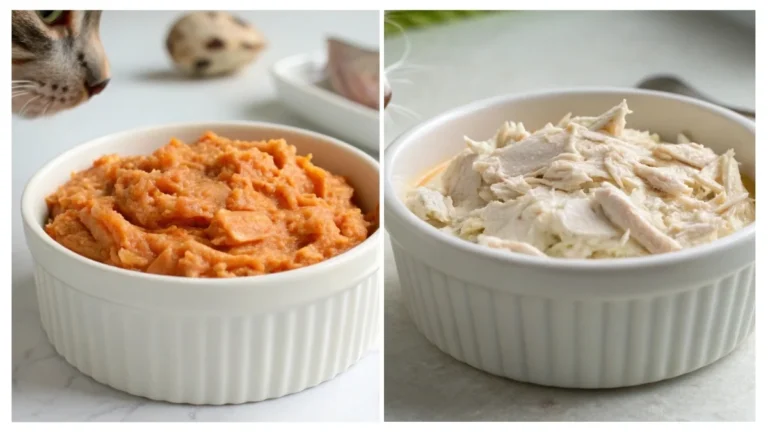
- Homemade Shredded Chicken Thigh Pumpkin Cat Food
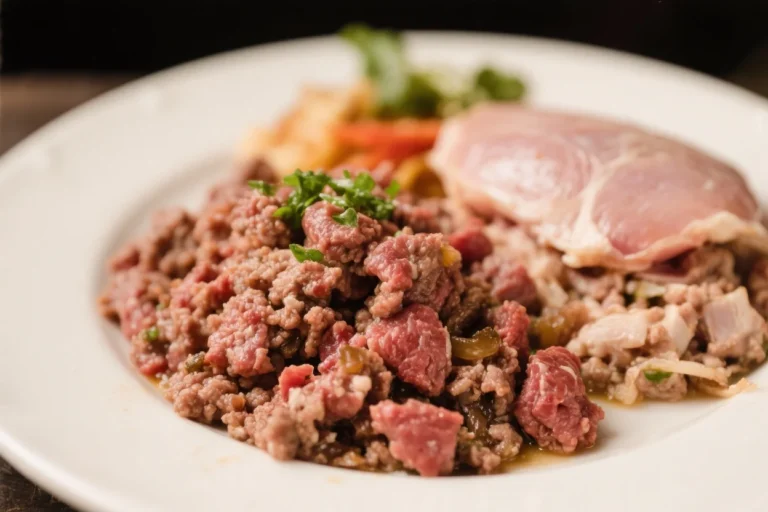
- Beef and Turkey Liver Cat Food Recipe for Healthy Cats
Benefits of Turkey Thigh & Green Bean Blend
Turkey thigh is a flavorful source of animal protein that many cats enjoy. Since cats are obligate carnivores, protein-rich ingredients play an important role in supporting their daily nutritional needs.
Green beans contribute gentle fiber and can add variety without significantly increasing calories. Together, these ingredients create a simple meal that many cats find appealing.
Why This Recipe Is a Hit
Turkey thigh has been a staple protein in my cat kitchen for years. It’s lean, flavorful, and softer than turkey breast when cooked, which makes it easier for cats to chew and digest. Cats are obligate carnivores, meaning animal protein is essential for maintaining muscle mass, organ function, and energy levels. Turkey delivers amino acids cats rely on daily, including taurine, which supports heart and eye health.
Green beans might not be the first ingredient people associate with cats, but I’ve found that small amounts of well-cooked green beans can be very helpful. They provide fiber that supports digestion and stool consistency without adding unnecessary fat. When cooked until soft and chopped finely, they blend easily into meat-based meals and are usually well tolerated.
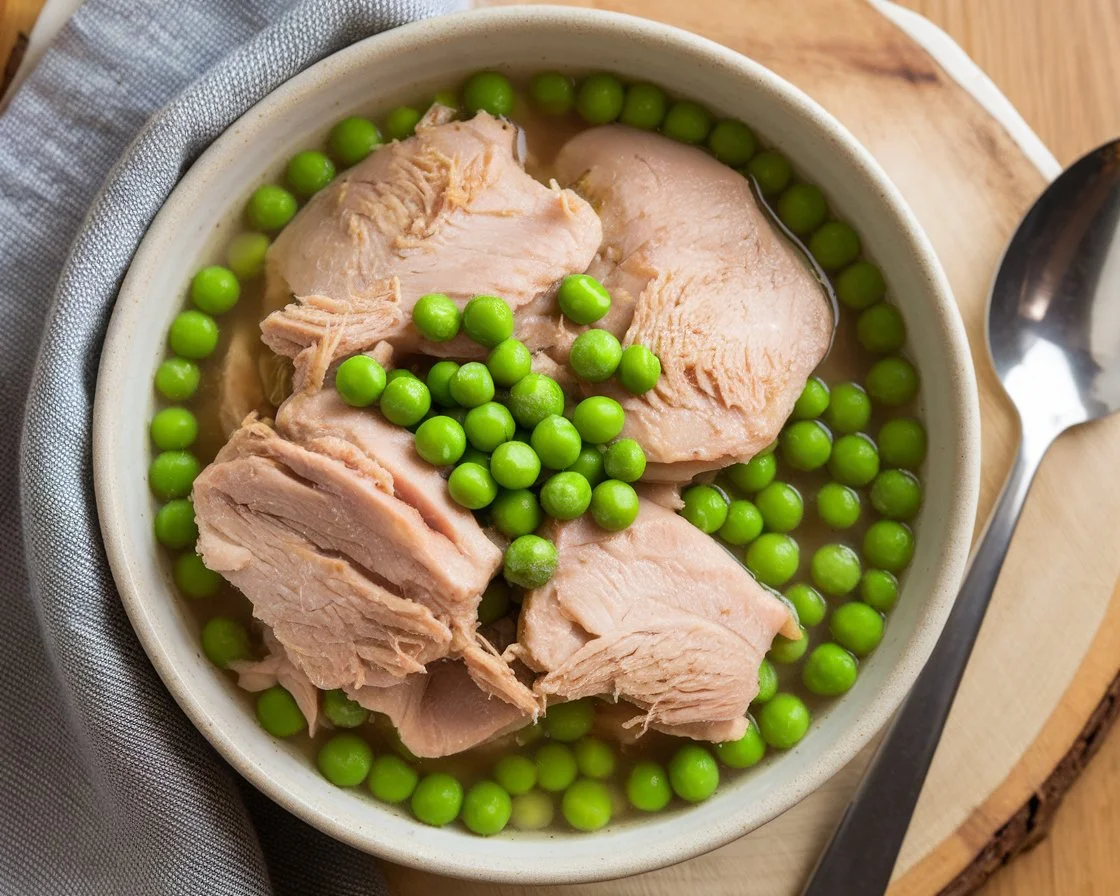
Sometimes I’ll add a small amount of cooked green peas as well. Peas offer additional fiber and plant nutrients, and when used sparingly, they can add variety without upsetting digestion.
The biggest reason this recipe works, though, is simplicity. It’s fast, straightforward, and doesn’t require advanced cooking skills.
Ingredients
I always keep ingredients minimal when feeding cats to reduce the risk of digestive upset and ingredient sensitivity.
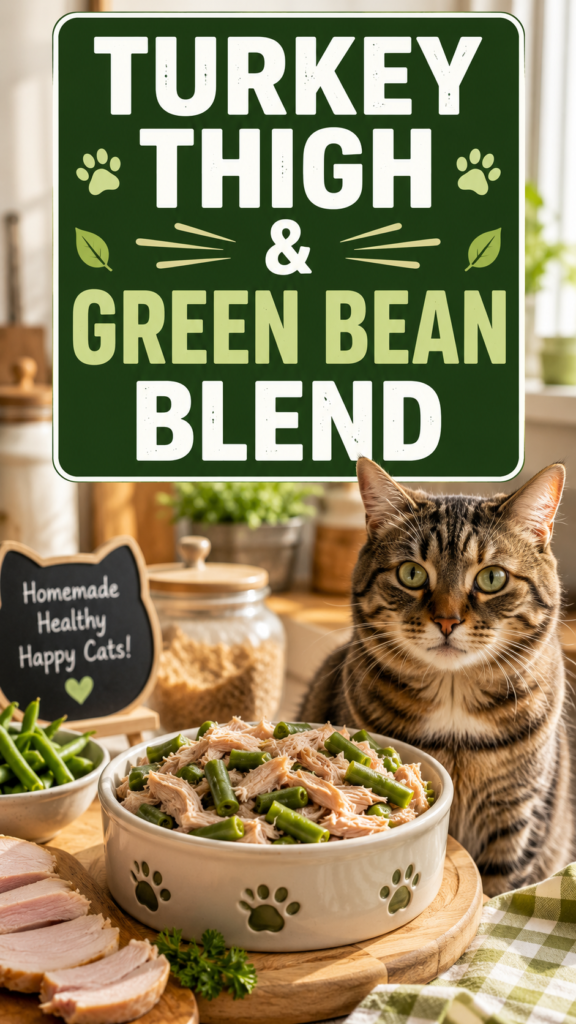
You’ll need one skinless, boneless turkey thigh, cooked green beans that are soft and unsalted, and a small amount of water or low-sodium turkey broth to add moisture. No oils, no seasoning, and no extras that don’t belong in a cat’s bowl.
How to Make It
Cook the Turkey Thigh
I start by boiling the turkey thigh in plain water. No salt, no spices, nothing added. The turkey should cook for about 15 to 20 minutes until it’s fully done and there’s no pink remaining inside. Fully cooking poultry is critical for cats, as undercooked meat can expose them to harmful bacteria.
Once cooked, I remove the turkey from the pot and let it cool slightly so it’s safe to handle.
Chop the Green Beans
While the turkey cooks, I steam or boil the green beans until they’re soft. They should be tender enough to mash easily with a fork. After cooking, I chop them into very small, cat-friendly pieces to make eating easier.
Shred the Turkey
After the turkey has cooled a bit, I shred it into small, manageable pieces. Over the years, I’ve noticed cats strongly prefer smaller textures, especially kittens and senior cats who may struggle with larger chunks.
Mix It All Together
I combine the shredded turkey and chopped green beans in a bowl, then add a small amount of water or broth to keep the mixture moist. The texture should be soft and slightly wet, making it easy for cats to eat without effort.
Cool and Serve
I always let the food cool completely to room temperature before serving. Cats are extremely sensitive to temperature, and even slightly hot food can make them refuse a meal.
Can Dogs Enjoy This Too?
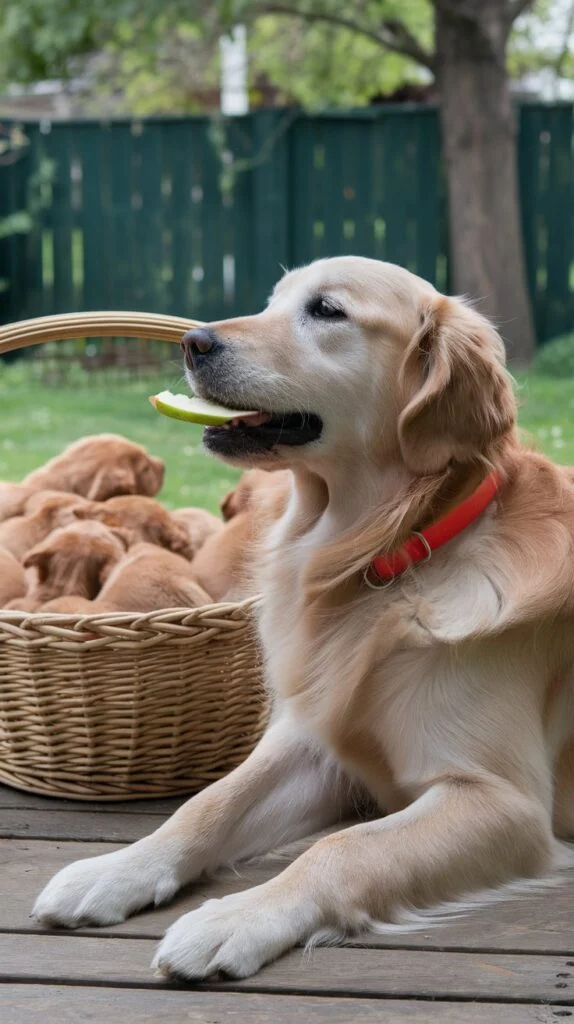
Yes, dogs can safely eat this meal as well. I’ve used it in multi-pet households without issues. The only adjustments I make for dogs are portion size and texture. Dogs can handle larger chunks, so the turkey doesn’t need to be shredded as finely.
It’s a convenient option when you want one simple base meal that works for both cats and dogs with minor changes.
Common Mistakes
One of the biggest mistakes is using seasoned turkey. Ingredients like salt, garlic, onion, and spices can be harmful to cats and should never be included.
Leaving the skin on the turkey is another issue. Turkey skin is high in fat and can cause digestive upset in cats.
Overcooking the green beans until they’re mushy can reduce both texture and nutrient value. They should be soft, not soggy.
Skipping the cooling step is also a common problem. Cats are picky about temperature and may refuse food that’s too warm.
Storage Tips
I store leftovers in an airtight container in the refrigerator for up to three days. If reheating, I warm the food gently and always let it cool back to room temperature before feeding.
For longer storage, I freeze single portions in small containers or ice cube trays for up to one month. Thawing overnight in the fridge keeps the food safe and fresh.
Pre-portioning meals ahead of time saves a lot of effort during busy days.
Variations to Experiment With
Chicken thigh works well as a substitute if turkey isn’t available and offers a similar nutrient profile.
Peas can replace green beans for cats that tolerate them well and enjoy slight sweetness.
A small spoon of pumpkin purée can be added to support digestion and create a softer texture, especially for cats with sensitive stomachs.
Any variation should always be introduced slowly to avoid digestive upset.
FAQs
Can I use raw turkey for this recipe?
No. I always cook turkey fully before feeding it to cats. Cooking reduces bacterial risk and makes the meat easier to digest.
Is this suitable for kittens?
Yes, but the turkey and vegetables should be chopped or shredded very finely. Portion sizes should remain small, and a vet should always guide kitten nutrition.
How often can I feed this to my cat?
Once or twice a week works best. This meal is ideal as a supplement or special treat, not a complete diet replacement.
Final Thoughts
Turkey Thigh & Green Bean Blend is one of those recipes I keep coming back to because it’s reliable, nourishing, and genuinely enjoyed by cats. It doesn’t require complicated prep, and it gives me peace of mind knowing exactly what’s in my cat’s bowl.
When you see your cat finish their meal with interest instead of indifference, it’s a small but meaningful reminder that thoughtful feeding really does make a difference.
All content on this site is written and reviewed by our experienced team to ensure it is accurate, reliable, and helpful for our readers. Our Our Process page explains how we carefully research and create high-quality content, while our Team page introduces the professionals behind our work. We also provide clear guidelines for content or image concerns on our Image Removal page, so you can trust that we prioritize transparency, quality, and reader safety.