
Shower Cleaning Hacks That Actually Work
I’ve learned that keeping a shower sparkling doesn’t have to be a nightmare. With smart, simple hacks, you can remove soap scum, hard-water stains, and mold without spending hours or buying expensive products.
Save For Later
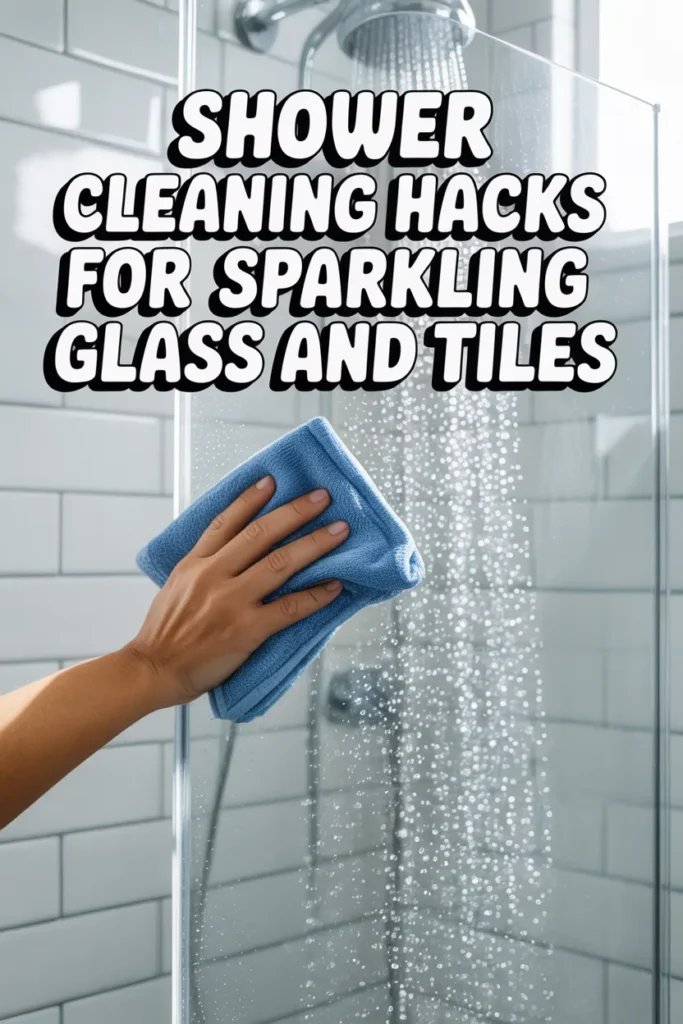
From a vinegar + Dawn mix for general grime to targeted soaks for mineral deposits, daily habits like squeegeeing and proper ventilation make a huge difference. With the right tools and techniques, maintaining a clean, relaxing shower becomes quick, effective, and even satisfying.
The Dynamic Duo: Vinegar + Dawn
I mix one cup of warm white vinegar with one cup of Dawn dish soap and spray it on walls, doors, and fixtures. After 10–20 minutes, grime scrubs off easily. Vinegar breaks down minerals while Dawn cuts through oils and soap residue. Using a non-scratch sponge and finishing with a microfiber cloth keeps glass doors streak-free. I never use this on natural stone, as vinegar can damage it.
Pro Tip: Buff glass doors with a dry microfiber cloth after rinsing for an extra shine.
Hard Water Stains: Tackle Them Like a Pro
Hard water leaves chalky marks, but I use vinegar-soaked cloths on problem areas for 30–40 minutes, then scrub gently. For faucets and showerheads, I submerge them in a vinegar bag for an hour and brush lightly. Grout gets a 1:1 vinegar-water scrub, while stone surfaces like marble need pH-neutral cleaners to prevent etching. Targeted soaking saves time and keeps stains from becoming permanent.
Mold and Mildew: Stop the Comeback Tour
I fight mold by cutting moisture and using the right cleaners. A 3% hydrogen peroxide spray works on grout, while bleach gel removes stubborn black spots on white caulk. Ventilating the bathroom, squeegeeing walls, and leaving doors open after showers prevent regrowth. If mold gets under old caulk, I remove it, let the area dry, and apply mildew-resistant silicone—a small weekend project with lasting results.
Grout: Clean, Brighten, Seal
Grout collects stains fast, but I revive it with a baking soda paste plus a vinegar spray, or for lighter grout, oxygen bleach. Scrubbing with a nylon brush keeps tiles safe. Once dry, I seal grout to protect it from future stains. Using battery-powered scrubbers or nylon brushes makes the process faster and reduces wear on tiles.
Related Posts:
Soap Scum: Choose Your Fighter
I notice liquid body wash creates less scum than bar soap. Magic Erasers remove buildup on tubs and chrome, and citric acid sprays dissolve scum on glass and tile. I always avoid mixing acids with bleach, rinse thoroughly, and ensure good ventilation. Choosing the right approach saves time and prevents repeated buildup.
Drain Drama: Hair Today, Gone Tomorrow
Clogged drains are a pain. I use a hair removal tool or bent wire hanger to pull gunk, flush with boiling water, or use overnight enzyme cleaners monthly. Installing a drain hair catcher prevents most future issues. Consistent maintenance keeps water flowing and odors away.
Fast Daily Habits That Prevent Deep Cleans
A few minutes daily saves hours later. I squeegee walls and glass, run the fan, spray tile with diluted vinegar, and wipe fixtures weekly. These habits significantly reduce buildup and keep the shower clean longer. Daily maintenance is far more effective than long scrubbing sessions every month.
Tools That Make You Feel Like a Genius
I keep extendable scrubbers, non-scratch sponges, microfiber cloths, a squeegee, and an old toothbrush handy. Each tool has a purpose: reach high corners, protect surfaces, and clean corners or tracks efficiently. Reusable tools save time, effort, and money.
FAQ Highlights
- Vinegar Safety: Avoid natural stone; use pH-neutral cleaners.
- Deep Clean Frequency: Every 2–4 weeks is enough with daily maintenance.
- Streak-Free Glass: Squeegee after every shower, dry with microfiber, use vinegar/Dawn mix for deep cleans.
- Mold Control: Hydrogen peroxide is gentler; bleach works fast but ventilate.
- Musty Smells: Usually from drains or liners; enzyme cleaners and ventilation fix it.
- Daily Sprays: They reduce buildup and cleaning time significantly.
Conclusion of Shower Cleaning Hacks
I’ve realized that maintaining a sparkling shower is all about smart techniques, consistent habits, and the right tools. From tackling soap scum and hard-water stains to preventing mold and keeping grout bright, these strategies let me enjoy a clean, relaxing shower without stress or endless scrubbing. Just like keeping your toilet spotless, using simple hacks can make a big difference—check out some of my favorite toilet cleaning hacks here for more time-saving tips.
Key Takeaways
- Vinegar + Dawn combo removes grime and soap scum easily.
- Targeted vinegar soaks or pH-neutral cleaners handle hard-water stains.
- Mold prevention depends on ventilation, squeegeeing, and occasional re-caulking.
- Daily habits prevent deep cleaning and save time.
- Using proper tools makes shower maintenance efficient and effective.
All content on this site is written and reviewed by our experienced team to ensure it is accurate, reliable, and helpful for our readers. Our Our Process page explains how we carefully research and create high-quality content, while our Team page introduces the professionals behind our work. We also provide clear guidelines for content or image concerns on our Image Removal page, so you can trust that we prioritize transparency, quality, and reader safety.