How to Make DIY Cat Paw Balm (Easy, Safe, and Budget-Friendly)
Cats may act like they own the house, but their paws are far more delicate than most owners realize. After more than 20 years caring for cats and dogs, I’ve learned that paw health often gets ignored until dryness or cracks appear.
Those small pads handle constant pressure from walking, jumping, and scratching. Weather, flooring, and even indoor air can slowly dry them out, which is why simple paw care makes a big difference in keeping cats comfortable.
Save For Later
Key Takeaways
• Cat paw pads can become dry due to weather, surfaces, and aging skin
• Natural paw balm helps restore moisture and prevent cracks
• Homemade balm avoids chemicals that may irritate cats
• Regular paw checks help detect problems early
• Healthy paw pads support balance, grip, and comfortable movement
Why Cats Need Paw Balm in the First Place
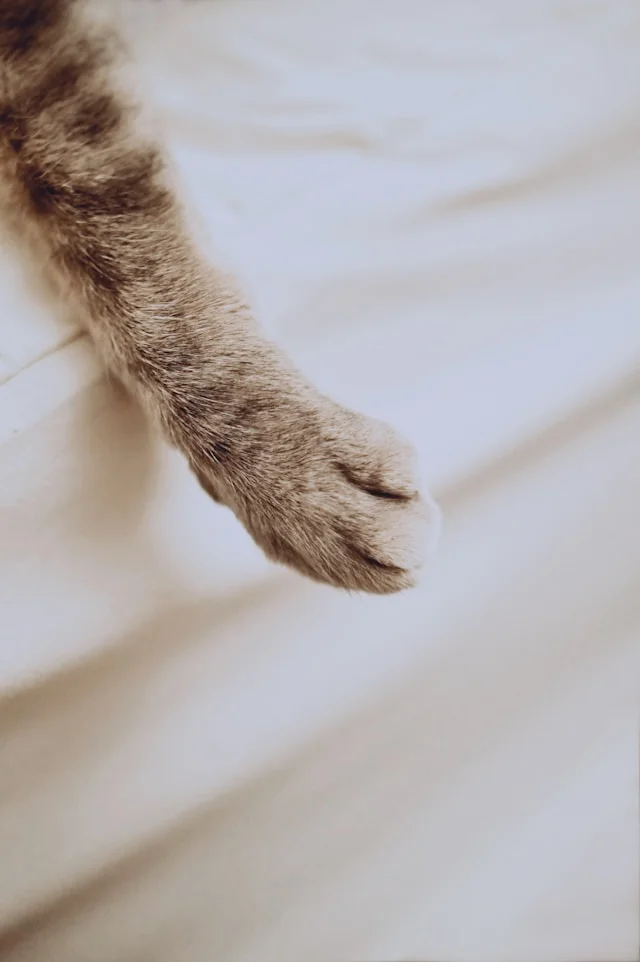
Cats groom themselves constantly, but grooming does not protect paw pads from dryness. Their paws touch floors, carpets, and outdoor surfaces all day, which gradually removes natural oils.
In winter, indoor heating dries the air and pulls moisture from the skin. I often notice cats developing slightly rough paw pads during colder months because humidity levels drop inside homes.
Summer conditions can also irritate paws. Warm surfaces and dry ground can cause mild irritation, especially for cats that spend time exploring outdoors.
Indoor environments may contain irritants as well. Cleaning sprays, carpet treatments, and dust particles can slowly affect the sensitive skin on a cat’s paws.
Healthy paw pads should feel soft and flexible. When they start looking flaky, dull, or cracked, it’s usually a sign they need extra moisture.
The Benefits of DIY Paw Balm
Homemade paw balm gives full control over the ingredients. I prefer simple natural oils because cats tend to lick their paws, and safety always comes first.
Many commercial products contain fragrances or additives that aren’t necessary. Natural ingredients keep the balm gentle while still providing effective moisture.
Making balm at home is also far more affordable. A small batch can last months, and the ingredients can be reused for future batches.
Applying balm also creates a moment to check your cat’s paws. During grooming I often notice tiny issues early, which helps prevent bigger problems later.
Cat-Safe DIY Paw Balm Recipe
Simple formulas usually work best when caring for pets. This blend hydrates paw pads while creating a protective barrier against dry surfaces.
All ingredients are commonly used in natural skincare and remain safe if a cat licks small amounts during grooming.
Ingredients
- 2 tablespoons coconut oil
- 2 tablespoons shea butter
- 1 tablespoon olive oil
- 2 tablespoons beeswax
- Optional: 1 vitamin E capsule
Coconut oil moisturizes and supports skin health. Shea butter provides deeper hydration when paw pads become rough.
Beeswax forms a protective layer while olive oil keeps the balm smooth and easy to apply.
Equipment
- Small saucepan or double boiler
- Heat-safe bowl
- Mixing spoon
- Small jars or tins with lids
Step-by-Step Instructions
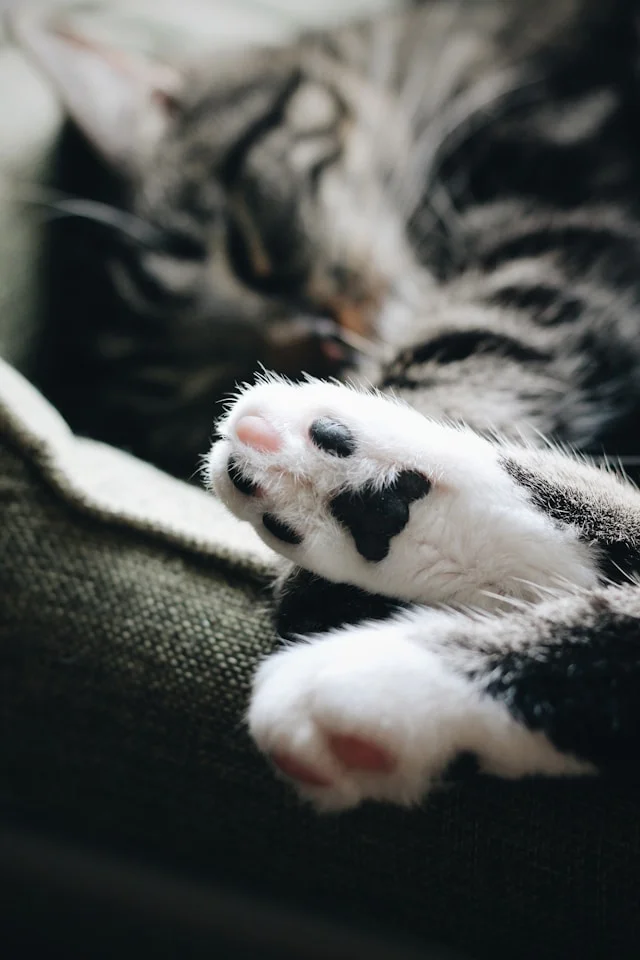
Step 1: Melt the Ingredients
Place coconut oil, shea butter, olive oil, and beeswax in a heat-safe bowl. Set it over gently simmering water to melt slowly.
Stir the mixture until everything blends into a smooth liquid. Gentle heat helps preserve the natural properties of the oils.
Step 2: Add Vitamin E
Remove the mixture from heat and let it cool slightly. Add vitamin E oil if you want additional skin support.
Mix thoroughly so the oil distributes evenly throughout the balm.
Step 3: Pour Into Containers
Carefully pour the liquid balm into small jars or tins. Allow it to cool at room temperature until it becomes solid.
Once set, the balm should have a smooth texture that melts easily when touched.
Step 4: Store the Balm
Keep the balm in a cool and dry location. Most homemade batches stay fresh for about two to three months.
If you live in a warm climate, refrigeration can help maintain the texture.
How to Apply Paw Balm Without Stressing Your Cat
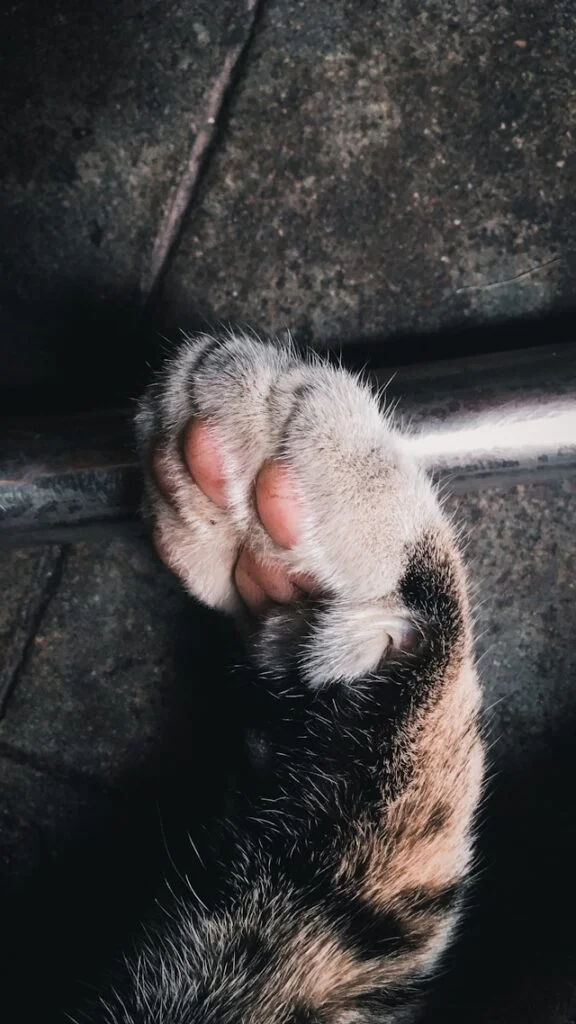
Most cats don’t enjoy having their paws handled. I’ve found that calm timing and gentle movements make the process much easier.
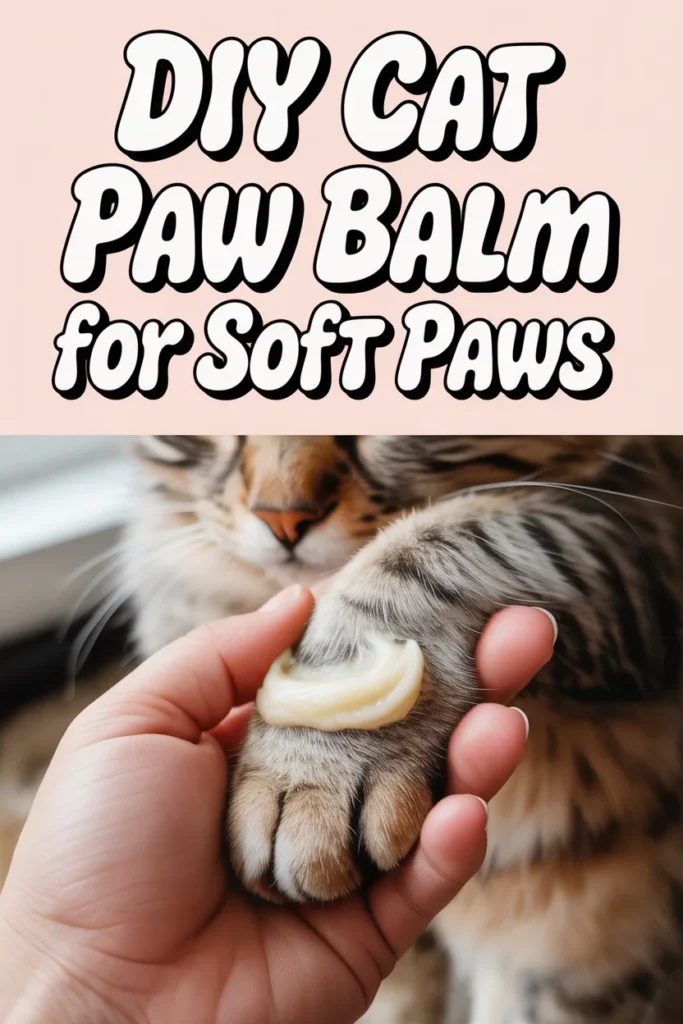
Rub a small amount of balm between your fingers first. Then massage it gently onto each paw pad.
Applying balm while a cat is relaxed or sleepy usually works best. Many owners find that doing it before nap time prevents resistance.
When and How Often to Use Paw Balm
Winter months usually require more frequent application. Dry air from heating systems often causes paw pads to lose moisture.
Applying balm two or three times per week helps prevent cracking during colder seasons.
Indoor cats may only need balm once a week. Cats that spend time outdoors might benefit from more frequent care.
Extra Tips for Paw Health
Check your cat’s paws regularly for cuts, splinters, or debris. Early detection prevents irritation from becoming more serious.
Trim nails every few weeks to avoid pressure on the paw pads. Overgrown claws can change how cats distribute weight when walking.
Wiping paws after outdoor trips removes salt, dirt, or chemicals. This small habit protects sensitive skin from irritation.
FAQs About Cat Paw Balm
Can essential oils be used in cat paw balm?
Most essential oils are not safe for cats. Their bodies process these compounds differently, so it’s best to avoid them completely.
Simple natural ingredients work well without introducing unnecessary risks.
What if my cat licks the balm?
Cats naturally groom their paws, so some licking is expected. The ingredients used here are safe in small amounts.
You may simply reapply a small amount later if needed.
Can dogs use the same balm?
Yes, this balm works well for dogs too. The moisturizing oils and protective wax help soothe dry paw pads in both animals.
How do you know when paws need balm?
Dry paw pads usually appear rough or flaky. They may also feel less flexible than healthy pads.
Soft, smooth paw pads are a sign that moisture levels are balanced.
Final Thoughts
Healthy paw pads help cats move comfortably and maintain balance. Even small dryness can cause irritation over time.
A simple homemade balm and regular paw checks make a noticeable difference. With a little routine care, those soft paws stay healthy and protected.
Disclaimer:
This information is for educational purposes. If your cat shows signs of injury, infection, swelling, or bleeding paws, consult a veterinarian before using any home treatment.