10 Inspiring Dog Fence Designs for Your Backyard
When I started planning a dog fence, I realized it’s not just about safety—it’s also about how my backyard looks and feels. A well-designed fence can improve security, increase property value (by up to 5%), and create a comfortable space for my dog.
In this guide, I’ll walk through practical fence ideas, what works in real life, and what I’ve learned from experience.
Key Takeaways
- I always prioritize safety first, then design
- Materials like wood, metal, and eco options all have different lifespans
- Custom height and layout reduce escape risks by over 70%
- Landscaping integration improves usability and visual appeal
- Regular maintenance can extend fence life by 3–5 years
Innovative Fencing Solutions
When I explored fencing options, I noticed how much variety exists. From natural wood to modern metal, each option offers different benefits in durability, cost, and style. I found that mixing materials often gives the best results—both visually and functionally.
1. Natural Wood Fencing Options
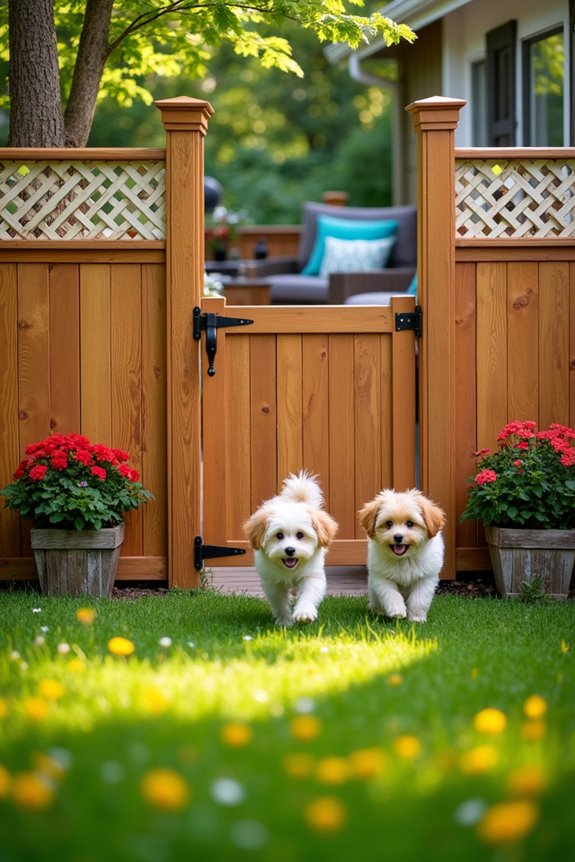
I prefer wood fencing when I want a warm, natural look. It blends well with outdoor spaces and provides solid security for dogs.
Cedar is my top choice because it naturally resists rot and insects. Pressure-treated pine is more budget-friendly but needs maintenance. Based on industry data, wood fences typically last 10–15 years with proper care.
I also noticed that horizontal panels look more modern, while picket styles feel more traditional. Adding a sealant can extend lifespan by up to 30%.
Pro tip: I always keep the fence at least 4–6 feet high for medium to large dogs.
2. Colorful Decorative Paneling
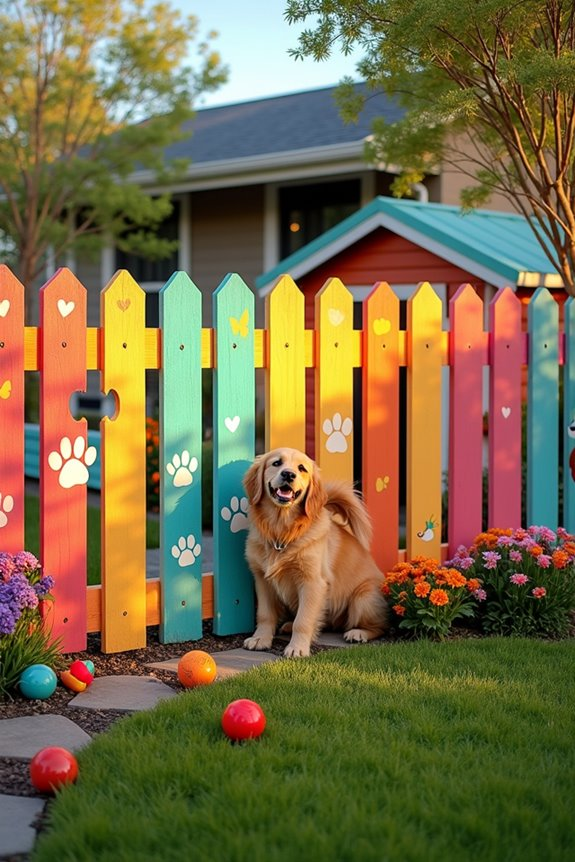
When I wanted something unique, I experimented with colored panels. This approach made my yard look more lively without sacrificing safety.
Composite panels work well because they resist weather damage and fading. Studies show they require 60% less maintenance than wood.
I found that mixing colors or patterns creates a more personalized look. Even simple painted designs can make a big difference.
Insight: Bright spaces can improve mood for both pets and owners.
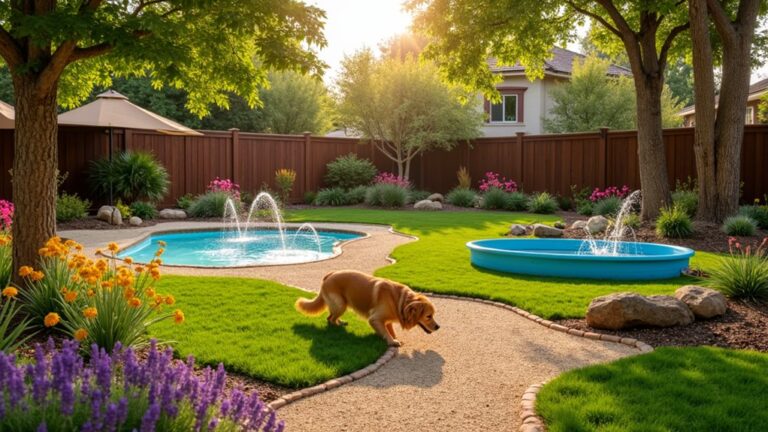
3. Pet-Friendly Landscaping Integration
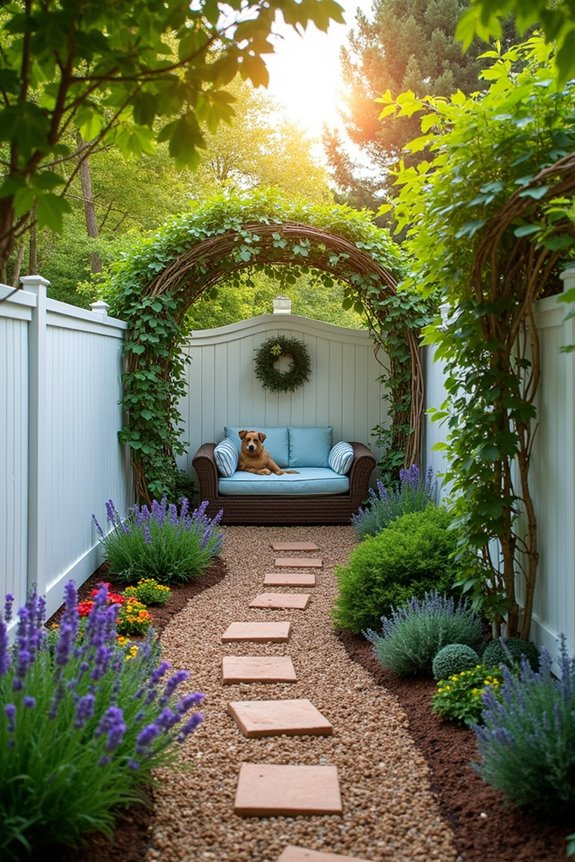
I realized fencing works best when combined with landscaping. It creates a natural environment rather than a closed-off space.
I used gravel along the fence base to stop digging—this reduced escape attempts significantly. Adding pet-safe plants like lavender or rosemary made the area more inviting.
Curved fence layouts also feel more natural and improve space usage by up to 20%.
Pro tip: Avoid toxic plants—over 700 plant species are harmful to dogs.
4. Sleek Modern Metal Designs
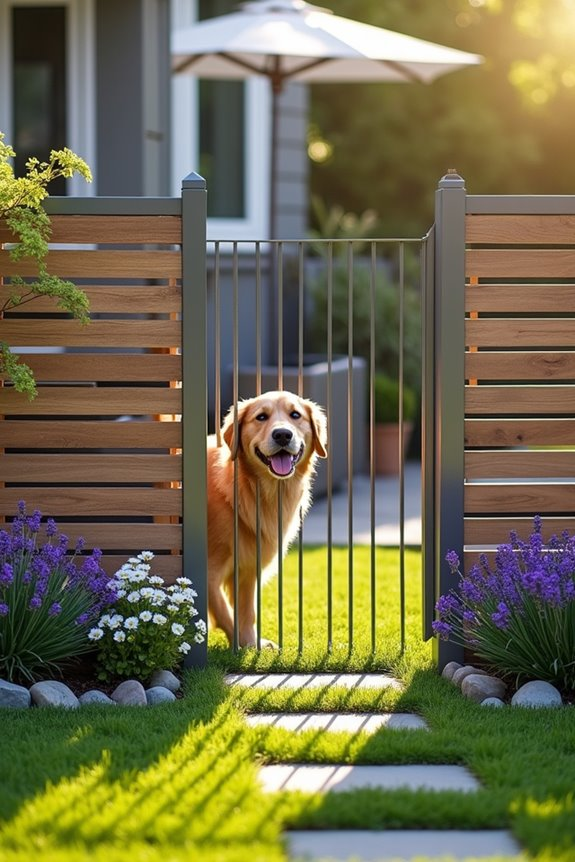
Metal fencing stood out to me for durability. It can last 20+ years with minimal maintenance.
I like aluminum and powder-coated steel because they resist rust and weather damage. Vertical bars allow visibility, which helps dogs feel less confined.
Combining metal with wood or plants softens the look and improves aesthetics.
Fact: Metal fences can improve overall property security.
5. Rustic Farmhouse Style Fencing
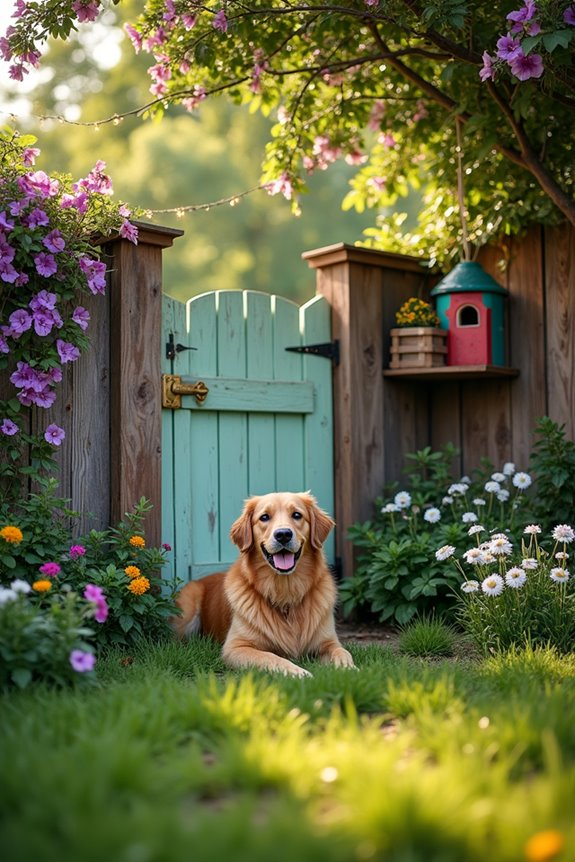
For a cozy feel, I explored farmhouse-style fencing. It uses natural materials and simple designs.
Reclaimed wood adds character and is eco-friendly. Adding wire mesh improves visibility while maintaining security.
I also found that climbing plants enhance the overall look and provide shade.
Insight: Rustic designs make outdoor spaces feel more comfortable and usable.
6. Eco-Friendly Material Selection
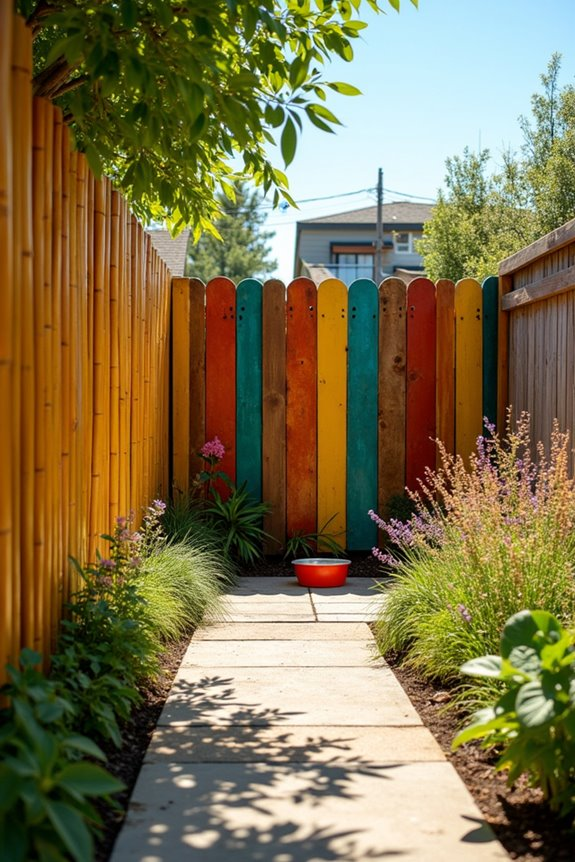
I started considering sustainability, and eco-friendly fencing became a smart option.
Bamboo grows quickly and is highly durable. Recycled plastic lumber lasts longer than wood and requires minimal maintenance.
Recycled materials can reduce environmental impact by up to 40%.
Pro tip: Always check materials for safety to avoid sharp edges or toxins.
7. Customizable Height Options
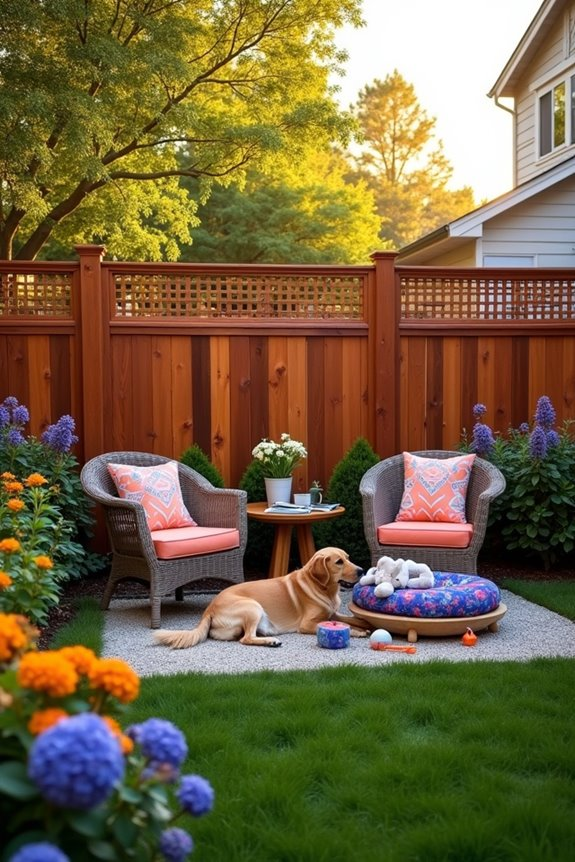
One thing I learned quickly—height matters. Different dogs require different fence heights.
Small dogs may only need 3–4 feet, while active breeds often need 6 feet or more. Adjustable designs help tailor the fence to specific needs.
I also used varying heights to create sections in my yard.
Fact: Proper fence height reduces escape incidents by over 70%.
8. Artistic Fence Painting Techniques
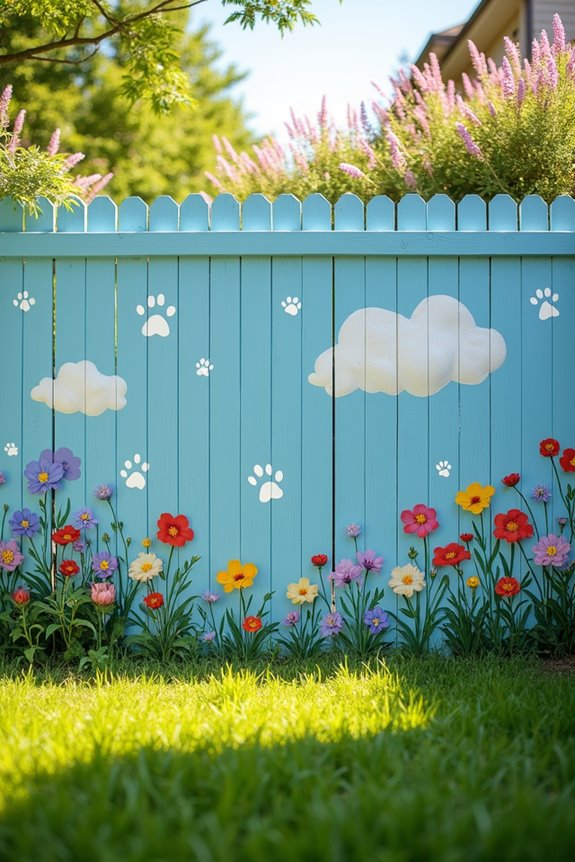
Painting my fence was one of the easiest upgrades I made. It added personality without major cost.
Weather-resistant paint extends fence life and prevents damage. I tried simple patterns and found they made the space more engaging.
Sealing the paint protects it from weather and fading.
Pro tip: Clean surfaces properly—paint lasts twice as long on clean wood.
9. Creative Shape Variations
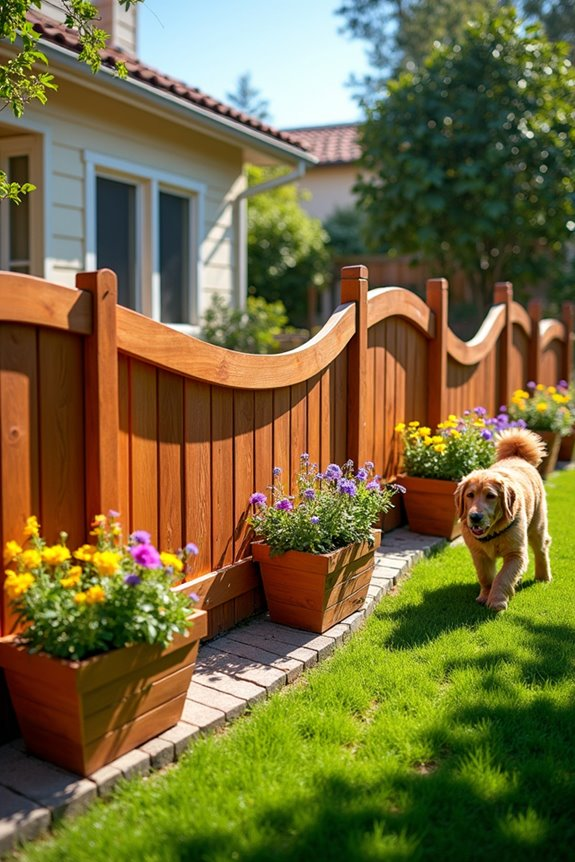
Instead of straight lines, I experimented with curved and angled designs. It made the yard feel more dynamic.
Curved fences follow natural landscapes and improve space flow. Even small variations can change the entire look.
I used stakes and string to plan layouts before building.
Insight: Unique layouts improve both design and functionality.
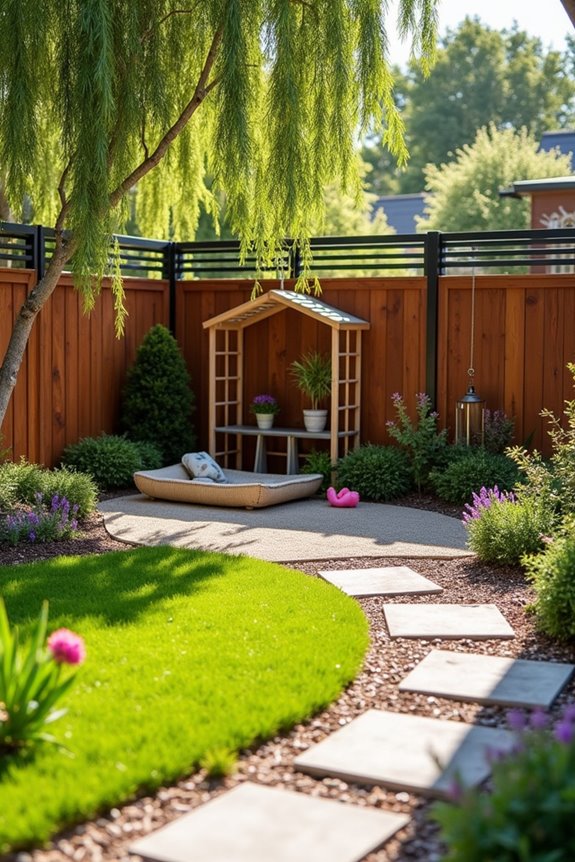
10. Intuitive Space Planning
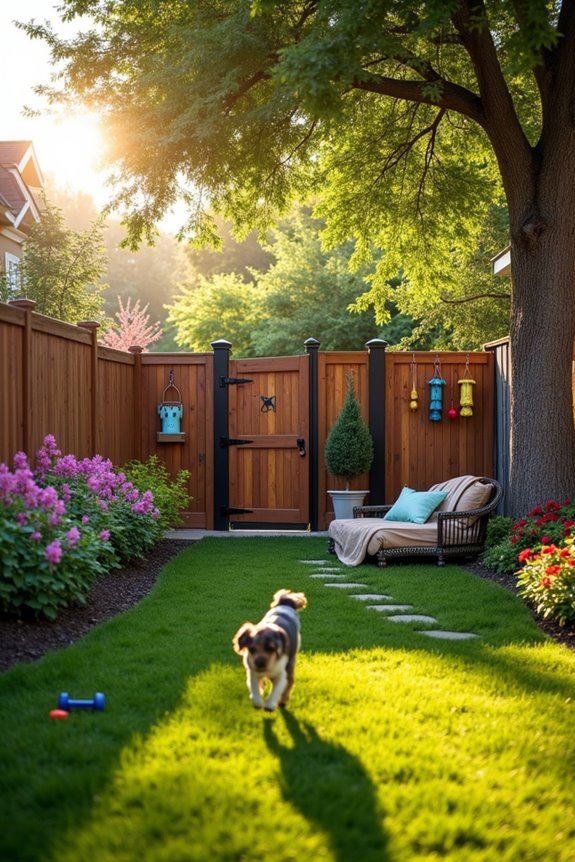
Planning the layout made the biggest difference for me. I focused on how my dog uses the space.
I observed sunlight, shade, and movement patterns before finalizing the design. This improved usability and comfort.
Adding zones like play areas and rest spots made the yard more functional.
Fact: Well-planned outdoor spaces improve pet activity and health.
Essential Maintenance Guidelines
I learned that maintenance is what keeps everything working long-term.
I check my fence regularly for gaps or damage. Fixing small issues early prevents bigger problems later.
Wood fences need sealing or painting every 2–3 years. Metal fences require less work but still need occasional inspection.
Pro tip: Regular maintenance can extend fence life by up to 5 years.
All content on this site is written and reviewed by our experienced team to ensure it is accurate, reliable, and helpful for our readers. Our Our Process page explains how we carefully research and create high-quality content, while our Team page introduces the professionals behind our work. We also provide clear guidelines for content or image concerns on our Image Removal page, so you can trust that we prioritize transparency, quality, and reader safety.