5 Easy Homemade Cat Food Recipes for First-Time Pet Owners
From my experience working with pet nutrition content and reviewing homemade feeding methods, I’ve found that simple ingredient-based cat meals are the safest starting point for beginners.
In this guide, I explain 5 easy homemade cat food recipes using chicken, salmon, tuna, pumpkin, sweet potato, eggs, rice, and quinoa. Each recipe is designed to support digestion, energy levels, coat health, and overall feline well-being.
I also focus on taurine supplementation, proper cooking methods, and safe storage practices because these directly impact long-term cat health.
These recipes are practical, budget-friendly, and suitable for first-time pet owners who want more control over their cat’s diet.
Key Takeaways
- I use simple whole foods like chicken, salmon, and pumpkin for balanced nutrition control
- Taurine is essential in all homemade cat food to support heart and eye health
- Recipes are designed for digestion support, coat health, and energy stability
- Most meals can be prepared in under 45 minutes and stored for batch feeding
- I always recommend rotating proteins to reduce nutritional imbalance risks
#1 A Homemade Chicken and Rice Meal Your Cat Will Love
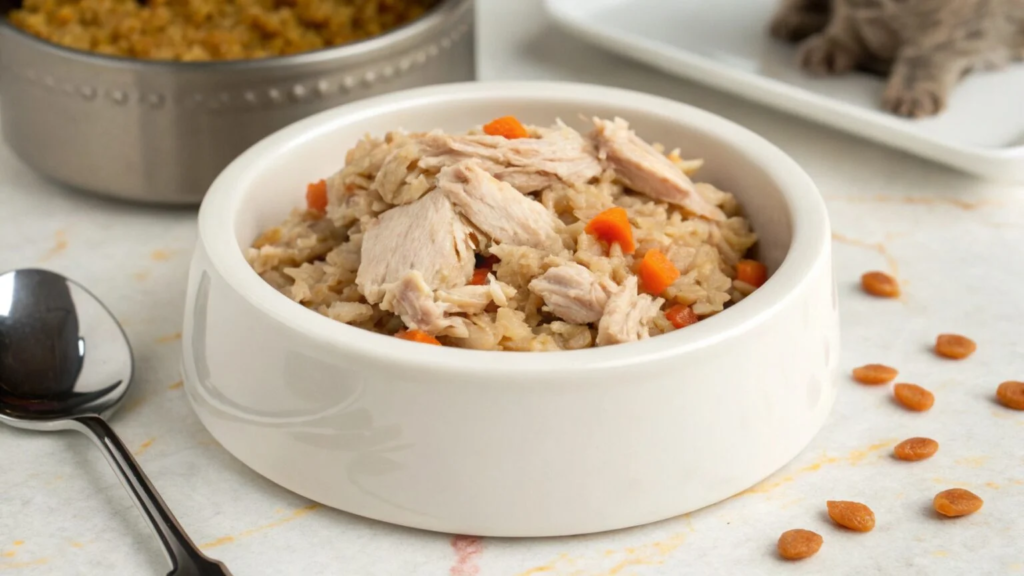
Why Homemade?
I prefer homemade meals because they allow full control over ingredients. Commercial cat food often contains fillers or preservatives, so this recipe helps avoid unnecessary additives while focusing on real nutrition.
This Recipe is particularly…
I find this meal especially useful for cats with sensitive stomachs. It is gentle, easy to digest, and works well as a starter recipe for beginners transitioning to homemade feeding.
What Makes This Recipe Special?
This recipe is simple, balanced, and highly digestible. Chicken provides protein while rice offers steady energy.
The soft texture makes it suitable even for picky eaters or cats recovering from digestive issues.
Why You’ll Love This Recipe
- I know exactly what ingredients are going into the meal
- It is cost-effective compared to premium wet food
- It is easy to prepare without special tools
- It supports sensitive digestion
- It is ideal for batch cooking and storage
Essential Recipe Information
Prep Time: 15 minutes
Cook Time: 30 minutes
Total Time: 45 minutes
Yield: 3 cups (4–6 meals)
Serving Size: ½ cup per meal
Shelf Life: 3 days refrigerated or 2 weeks frozen
Equipment Needed
I use a basic saucepan, knife, and mixing bowl. A food processor helps if a smoother texture is needed. Airtight containers are important for safe storage.
Ingredients
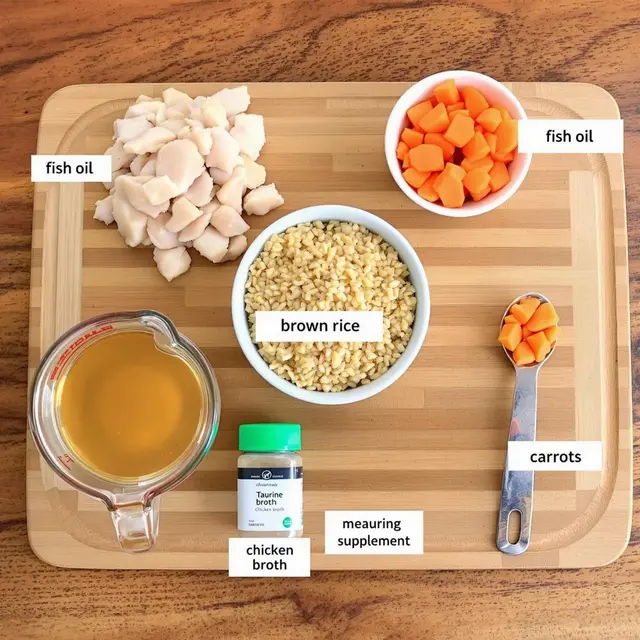
- 1 cup cooked chicken breast (140g), chopped
- ½ cup cooked brown rice (100g)
- ¼ cup cooked carrots (35g)
- 1 tbsp fish oil
- 1 tsp taurine supplement
- 1 cup water or low-sodium broth
Expert Tips Before You Start
I always ensure chicken is fully cooked and unseasoned. I avoid garlic, onion, and salt completely since they are toxic to cats. I also introduce homemade food gradually to avoid stomach upset.
Step-by-Step Instructions
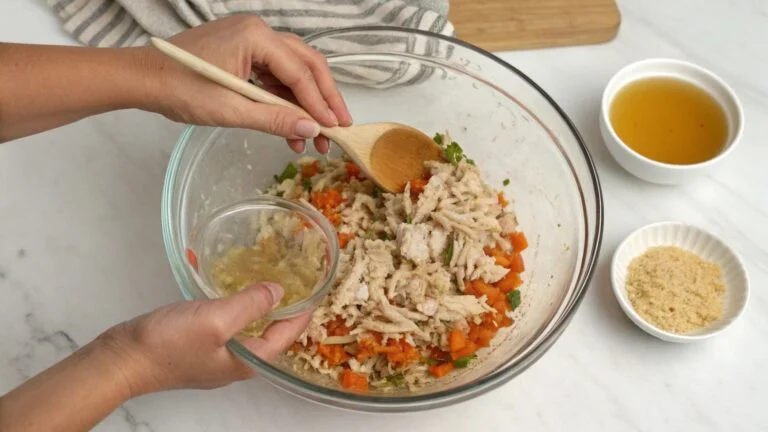
I boil chicken until fully cooked, cook rice separately, and steam carrots until soft. Then I mix everything in a bowl, add fish oil and taurine, and adjust moisture using broth or water. I portion it into containers for storage.
Variations and Substitutions
I sometimes replace rice with peas or lentils for a grain-free version. Chicken can also be swapped with turkey or lean beef if needed.
Storage & Serving Guidelines
I store portions in airtight containers for up to 3 days in the fridge. Frozen portions are thawed overnight and always served at room temperature.
Common Questions
I avoid raw chicken due to bacterial risks. I also recommend gradual introduction to check acceptance. This recipe alone is not a complete long-term diet without veterinary balance.
#2 A Homemade Salmon & Pumpkin Delight for Your Cat
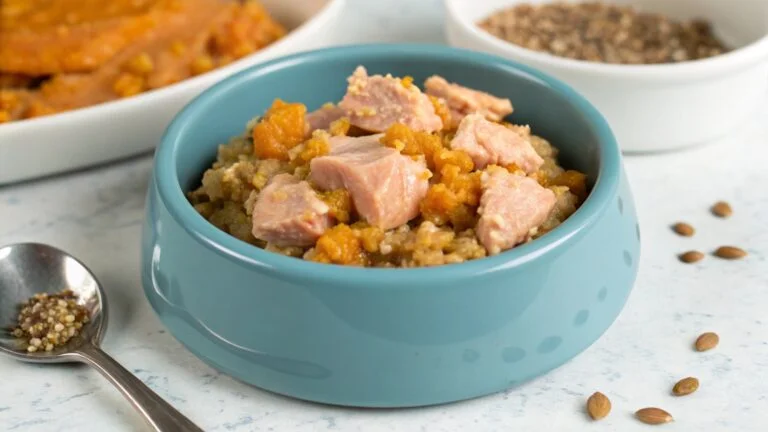
Why Homemade?
I choose homemade feeding to eliminate artificial preservatives and ensure nutrient quality. This recipe improves control over omega-3 intake and fiber balance.
This Recipe is particularly…
I use this when cats show digestive irregularity. Pumpkin supports bowel movement while salmon improves skin and coat condition.
What Makes This Recipe Special?
This is a soft, nutrient-rich meal that is easy for cats to eat. It is also highly palatable, making it ideal for picky eaters.
Why You’ll Love This Recipe
- High omega-3 content from salmon
- Supports digestion with pumpkin fiber
- No artificial ingredients
- Easy preparation process
- Good for sensitive stomach cats
Essential Recipe Information
Prep Time: 10 minutes
Cook Time: 15 minutes
Total Time: 25 minutes
Yield: 3 cups
Serving Size: ½ cup
Shelf Life: 3 days refrigerated or 2 weeks frozen
Equipment Needed
I use a saucepan, fork, and bowl. A blender is optional for smoother texture. Airtight storage is required.
Ingredients
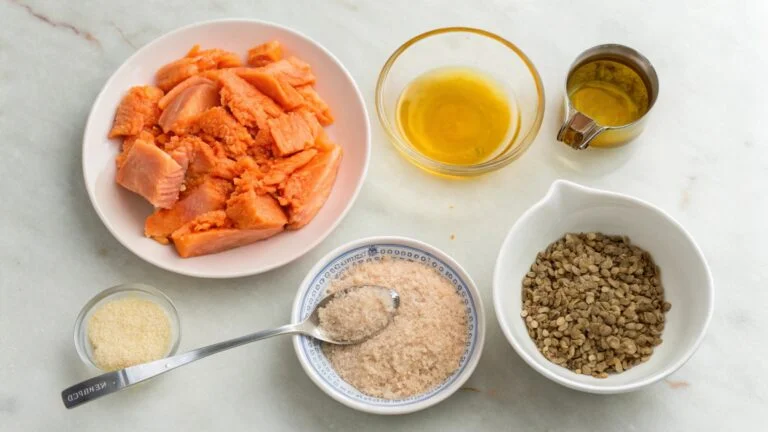
- 1 cup cooked salmon (140g)
- ½ cup pumpkin puree (120g)
- ¼ cup cooked quinoa (43g)
- 1 tbsp fish oil
- 1 tsp taurine supplement
- 1 cup water or fish broth
Expert Tips Before You Start
I ensure salmon is fully cooked and boneless. I only use plain pumpkin puree without additives. Taurine is always included for heart health.
Step-by-Step Instructions
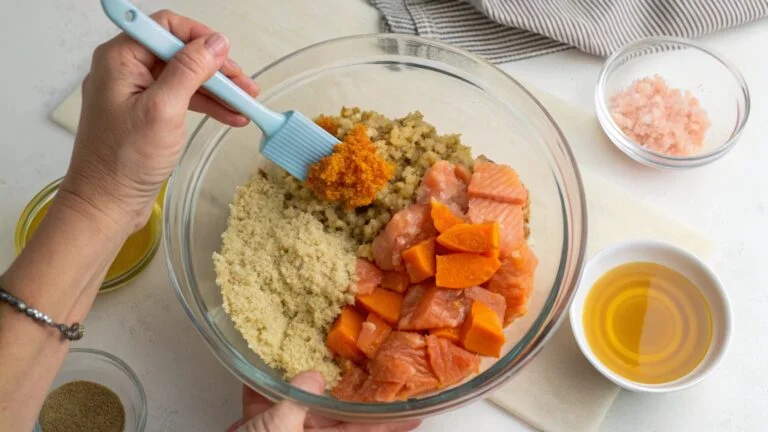
I cook salmon and flake it, prepare quinoa separately, mix all ingredients, add supplements, and adjust consistency with broth.
Variations and Substitutions
I replace salmon with chicken if needed. I also use peas instead of quinoa for grain-free diets.
Storage & Serving Guidelines
I store in airtight containers for 3 days refrigerated. Frozen portions are thawed before serving at room temperature.
Common Questions
I use canned salmon only if it is unsalted and water-packed. Pumpkin is safe in moderation and helps digestion.
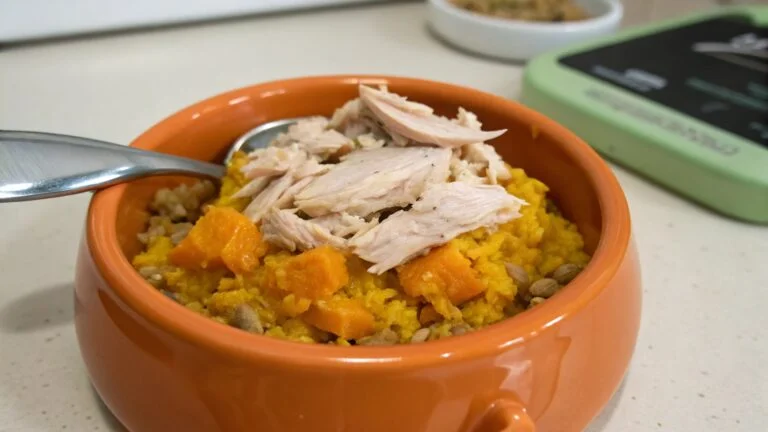
#3 Homemade Chicken & Sweet Potato Feast for Your Cat
Why Homemade?
I prefer homemade control to avoid fillers and additives found in commercial foods.
This Recipe is particularly…
This is ideal for balanced daily feeding with energy support and digestive stability.
What Makes This Recipe Special?
It combines protein and fiber in a soft texture that suits all cat ages.
The mild flavor also makes it easier for picky cats to accept compared to stronger fish-based meals.
Why You’ll Love This Recipe
- High protein content
- Supports digestion
- No artificial ingredients
- Suitable for kittens to seniors
- Simple preparation
Essential Recipe Information
Prep Time: 10 minutes
Cook Time: 20 minutes
Total Time: 30 minutes
Yield: 3 cups
Serving Size: ½ cup
Shelf Life: 3 days refrigerated or 2 weeks frozen
Equipment Needed
I use a saucepan, fork, and mixing bowl. A blender is optional for smoother texture.
Ingredients
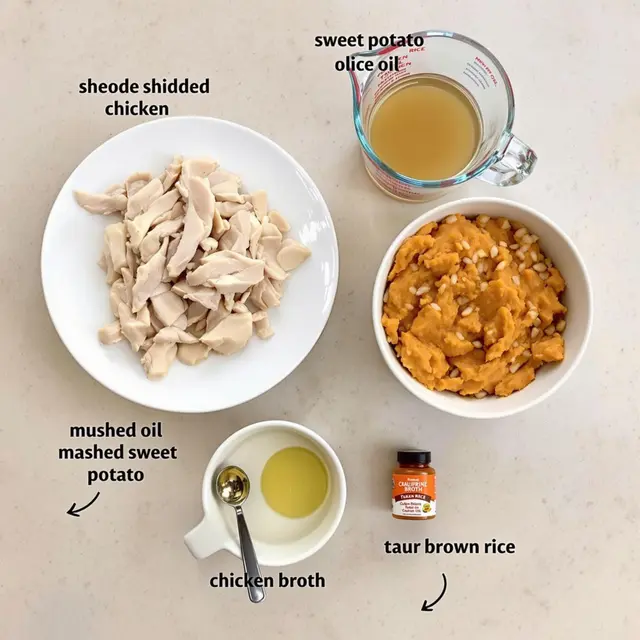
- 1 cup cooked chicken (140g)
- ½ cup mashed sweet potato (120g)
- ¼ cup cooked brown rice
- 1 tbsp olive oil
- 1 tsp taurine supplement
- 1 cup broth or water
Expert Tips Before You Start
I always cook chicken without seasoning and fully cook sweet potatoes before mashing. I also ensure consistency is soft enough for easy digestion.
Step-by-Step Instructions
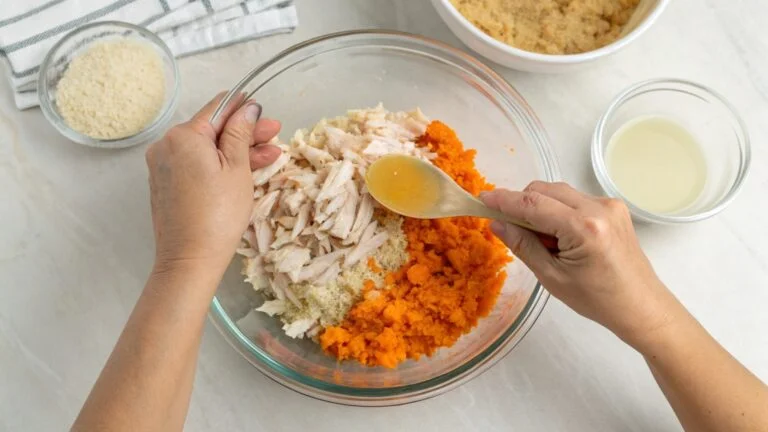
I cook chicken, mash sweet potato, mix ingredients, add supplements, adjust moisture, and portion for storage.
Variations and Substitutions
I replace chicken with turkey or rice with peas for grain-free diets.
Storage & Serving Guidelines
Stored in fridge for 3 days or frozen for longer use. Served at room temperature.
Common Questions
Canned chicken is acceptable if unsalted. Sweet potato supports digestion when fully cooked.
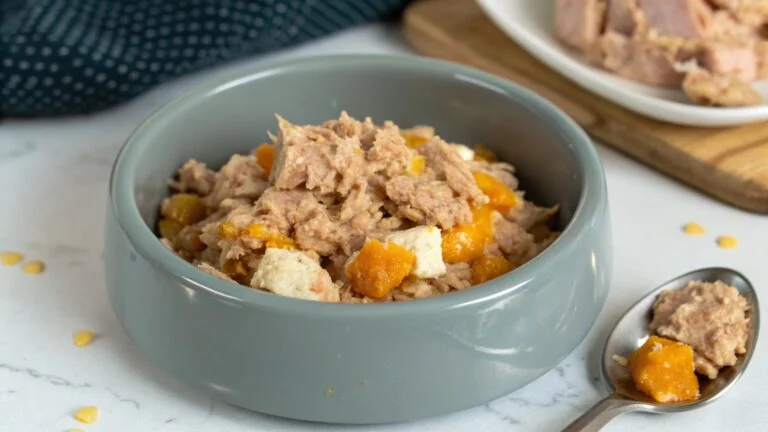
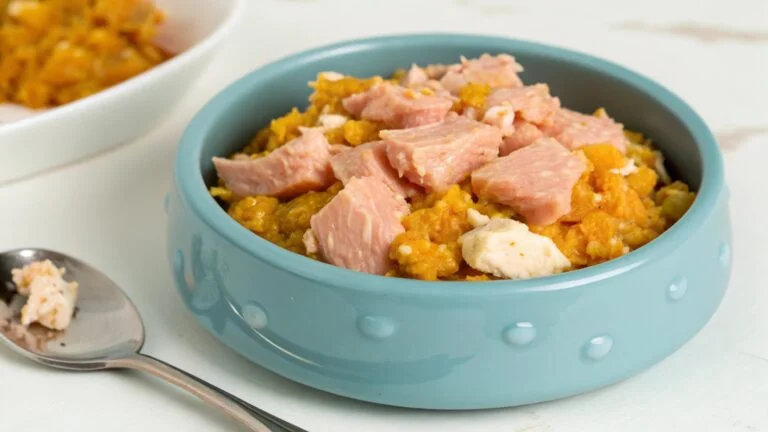
#4 Homemade Tuna & Egg Delight for Your Cat
Why Homemade?
I use homemade feeding to control protein quality and avoid additives.
This Recipe is particularly…
This is a high-protein option best used occasionally for flavor variety.
What Makes This Recipe Special?
It is quick, highly palatable, and ideal for picky eaters.
The strong aroma of tuna makes it especially attractive for cats with low appetite.
Why You’ll Love This Recipe
- High protein content
- Rich omega-3 from tuna
- Very fast preparation
- Budget-friendly
- Suitable for all ages
Essential Recipe Information
Prep Time: 5 minutes
Cook Time: 10 minutes
Total Time: 15 minutes
Yield: 2 cups
Serving Size: ½ cup
Shelf Life: 3 days refrigerated or 2 weeks frozen
Equipment Needed
I use a pan, fork, and bowl. Blender optional.
Ingredients
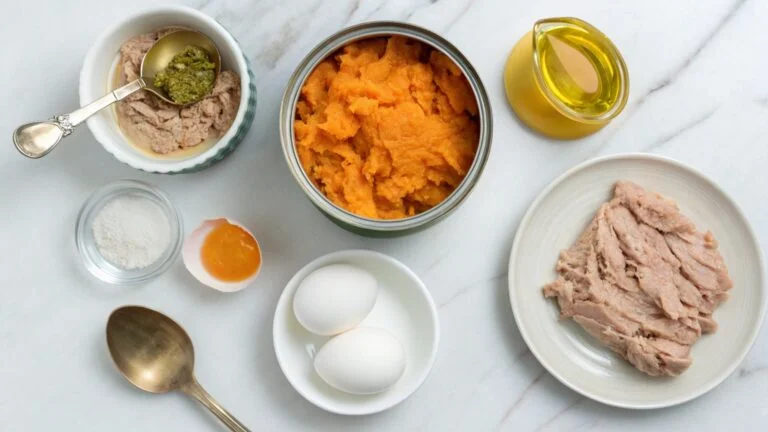
- 1 can tuna in water (140g), drained
- 1 boiled egg, mashed
- 1 tbsp pumpkin puree
- 1 tsp fish oil
- 2 tbsp water or broth
Expert Tips Before You Start
I avoid tuna in oil or brine. I always cook eggs fully to prevent nutrient issues.
Step-by-Step Instructions
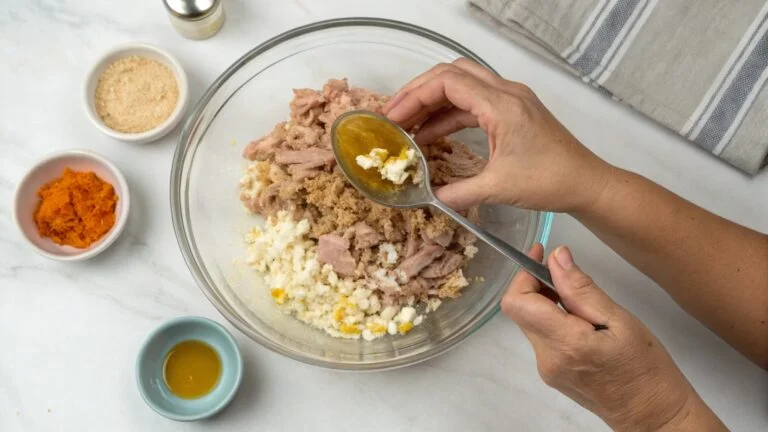
I boil egg, drain tuna, mix all ingredients, adjust moisture, and store in portions.
Variations and Substitutions
Chicken can replace tuna. Pumpkin can be replaced with peas if needed.
Storage & Serving Guidelines
Stored refrigerated for 3 days or frozen in portions.
Common Questions
I avoid raw egg due to nutrient interference risks. Tuna is fed in moderation due to mercury concerns.
#5 Homemade Salmon & Pumpkin Feast for Your Cat
Why Homemade?
I prefer homemade feeding to ensure clean nutrition without preservatives.
This Recipe is particularly…
This is ideal for cats needing soft texture meals or digestive support.
What Makes This Recipe Special?
It is smooth, easy to eat, and nutrient-dense.
It also works well for senior cats who struggle with chewing harder food textures.
Why You’ll Love This Recipe
- High omega-3 content
- Supports digestion
- Easy texture for seniors
- Quick preparation
- No artificial ingredients
Essential Recipe Information
Prep Time: 5 minutes
Cook Time: 10 minutes
Total Time: 15 minutes
Yield: 2 cups
Serving Size: ½ cup
Shelf Life: 3 days refrigerated or 2 weeks frozen
Equipment Needed
I use a pot, fork, and bowl. Blender optional for smoother texture.
Ingredients
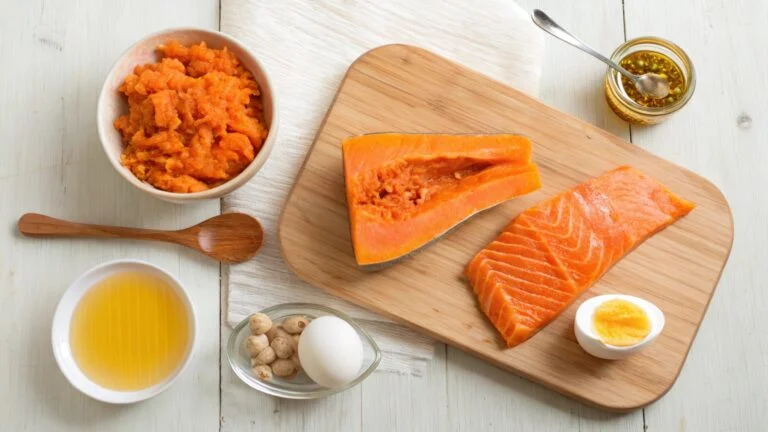
- 1 small salmon fillet (115g), cooked
- ¼ cup pumpkin puree
- 1 boiled egg
- 1 tsp fish oil
- 2 tbsp water or bone broth
Expert Tips Before You Start
I ensure salmon is boneless and fully cooked. I only use plain pumpkin puree and low-sodium broth.
Step-by-Step Instructions
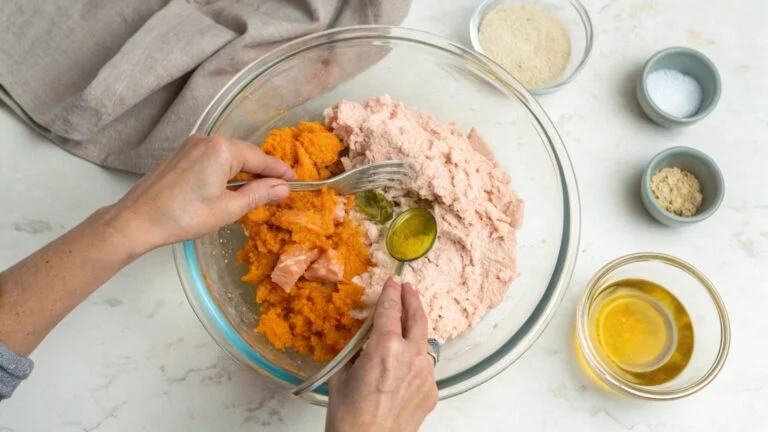
I cook salmon, boil egg, mix all ingredients, adjust texture, and portion for storage.
Variations and Substitutions
Chicken can replace salmon. Peas can replace egg for lower fat content.
Storage & Serving Guidelines
Stored in fridge for 3 days or frozen for longer use. Always served at room temperature.
Common Questions
Canned salmon is fine if unsalted. Pumpkin supports digestion when used moderately.
Final Insight
From my experience, homemade cat food works best as a rotation-based feeding strategy rather than a single fixed diet. I always focus on variety, taurine inclusion, and safe cooking methods to maintain nutritional balance and long-term feline health.