Beef and Turkey Liver Cat Meal – A Protein-Rich Homemade Recipe
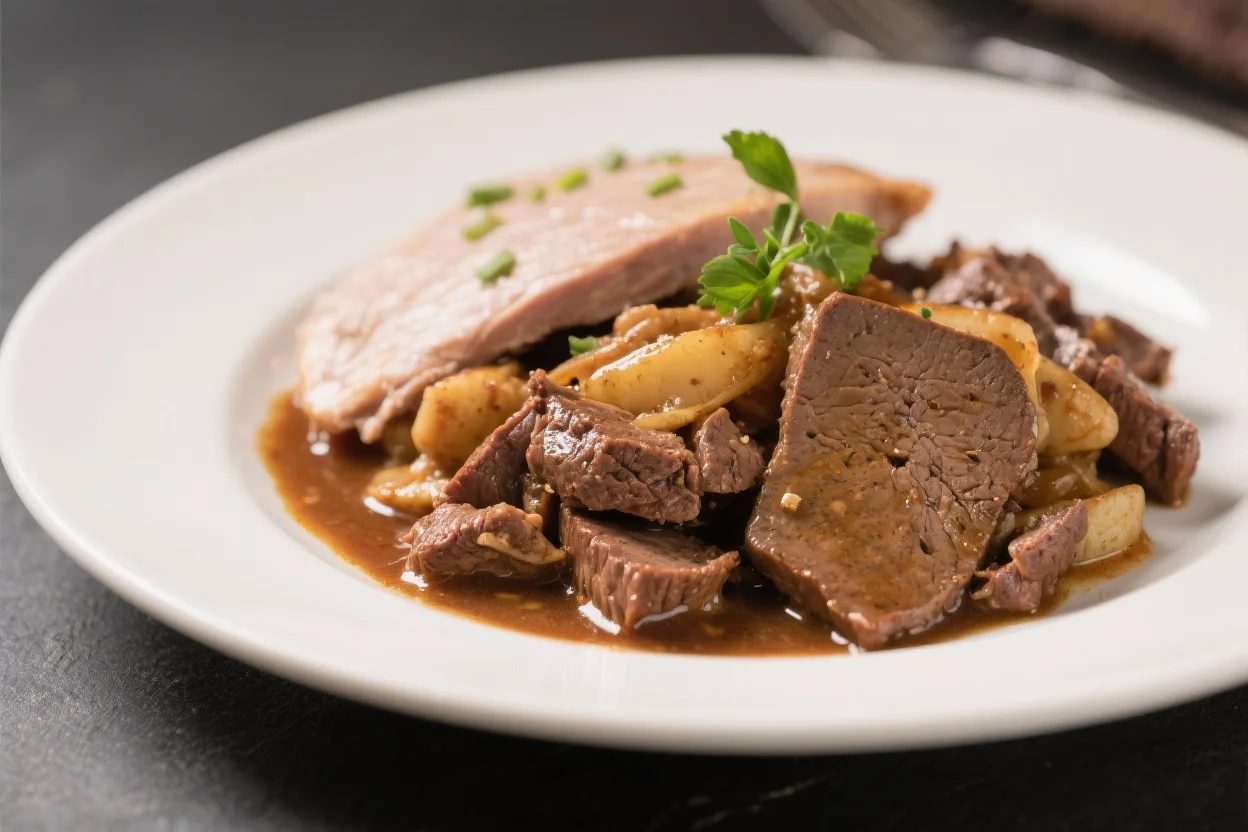
After more than a decade of caring for cats—feeding, grooming, monitoring their health, and observing their eating habits—I’ve learned that meals with fresh, protein-rich ingredients always win over picky felines. This Beef and Turkey Liver recipe is one of my favorites. It’s packed with flavor, rich in protein, and easy to make at home. Most cats love the taste of liver, while the beef provides hearty satisfaction.
As with any dietary change, I always recommend consulting your vet, especially if your cat has sensitivities or health issues.
Key Takeaways
- Protein-rich: Beef offers complete amino acids for energy and muscle support.
- Nutrient-dense liver: Turkey liver supplies vitamins A, B, iron, and copper in safe amounts.
- Essential taurine: Supports heart, vision, and digestive health.
- Healthy fats: Salmon or sardine oil promotes skin, coat, and joint health.
- Moisture-rich: Water or broth helps maintain hydration and urinary health.
- Flexible texture: Can be finely minced, blended, or left chunkier based on your cat’s preference.
What Makes This Special
I’ve found that combining lean beef with turkey liver creates a balanced, flavorful meal cats adore. Liver adds a powerful nutrient boost while beef contributes protein and healthy fats. With a few simple supplements, this recipe aligns more closely with feline nutritional needs. The texture is soft, moist, and ideal for most cats, including seniors or those with dental sensitivities.
What You’ll Need
- 1 pound (450 g) ground beef – 85–90% lean
- 4 ounces (110 g) turkey liver – fresh or frozen, trimmed
- 1 large egg – lightly beaten (optional for protein and choline)
- 1 tablespoon salmon oil or sardine oil – for omega-3 fatty acids
- 1/4 teaspoon taurine powder – essential for heart and eye health
- 1/8 teaspoon iodized salt – for iodine; omit if using a complete supplement
- 1/4 cup water or low-sodium bone broth – unsalted, onion- and garlic-free
- Optional: 1–2 tablespoons finely chopped cooked pumpkin or zucchini for moisture and fiber
- Optional: A feline multivitamin/mineral supplement formulated for homemade diets (follow label)
Step-by-Step Instructions
Prep the liver
Rinse the turkey liver, trim any tough bits, and pat dry. Chop into small pieces for even cooking.
Lightly cook the beef
In a skillet over medium heat, add the ground beef. Break it up and cook until just browned on the outside but still slightly pink in the center. Overcooking dries it out and reduces palatability.
Add the liver
Stir in chopped turkey liver and cook for 2–3 minutes until the surface changes color. Keep it tender and moist to preserve nutrients.
Add moisture
Pour in water or broth and simmer for 1 minute. This keeps the mixture juicy and encourages hydration, which is especially important for cats prone to urinary issues.
Cool slightly
Remove from heat and allow the mixture to cool to warm, not hot. This prevents heat-sensitive nutrients like taurine and omega-3s from degrading.
Mix in supplements
Stir in the egg (if using), salmon oil, taurine powder, and iodized salt. Add a feline multivitamin/mineral supplement if you are using one. Blend thoroughly to ensure every portion is balanced.
Adjust texture
Pulse briefly in a food processor if your cat prefers smoother food. Add a splash of water or broth if needed to reach the desired consistency.
Portion and serve
Divide into single-meal servings based on your cat’s size. Many adult cats eat 2–4 ounces (56–113 g) per meal, twice a day. Offer a small serving first to monitor acceptance, then refrigerate or freeze the remainder.
How to Store
- Refrigerator: Up to 2 days in an airtight container.
- Freezer: Up to 2 months in silicone molds or small containers. Label with the date.
- Thawing: Overnight in the fridge.
- Reheating: Serve chilled or gently warmed to room temperature. Avoid overheating to preserve nutrients.
- Freshness check: Discard if it smells sour, looks discolored, or feels slimy.
Benefits of This Recipe
- High-quality protein: Supports muscle maintenance and energy levels.
- Nutrient-dense liver: Provides vitamins A, B complex, iron, and copper.
- Essential taurine: Protects heart, eyes, and digestive health.
- Healthy fats: Omega-3s support skin, coat, and joint wellness.
- Moisture-rich: Encourages hydration and supports urinary tract health.
- Simple ingredient list: Ideal for cats with sensitivities.
Pitfalls to Watch Out For
- Too much liver: Keep to 5–10% of total weight to avoid vitamin A or copper excess.
- Skipping taurine: Taurine is essential; never omit unless using a complete premix.
- Seasonings and alliums: Onion, garlic, chives, or seasoned broths are toxic—avoid completely.
- Unbalanced long-term feeding: Use a multivitamin/mineral supplement or rotate with commercial food.
- Texture issues: Some cats prefer finely minced food; adjust accordingly.
- Rapid diet changes: Transition gradually over several days to prevent digestive upset.
Alternatives
- Different proteins: Swap beef for turkey, chicken thighs, or rabbit. Keep liver at 5–10% of total.
- Liver type: Chicken or beef liver can replace turkey liver in similar amounts.
- Premix shortcut: Use a feline diet premix for homemade meals to ensure balanced nutrients.
- Oil options: Krill oil or algae-based DHA/EPA can replace fish oil if needed.
- Calcium sources: Use eggshell powder or feline calcium supplement if recommended by your vet. Avoid cooked bones.
FAQ
Can I serve this raw?
Raw feeding carries higher bacterial risks. If you choose raw, discuss safety and nutrient balance with your vet. Briefly searing the exterior or using deep-frozen, high-quality meat helps reduce risks.
How often can I feed this?
You can include it as part of a rotation or primary meal, ensuring taurine and a multivitamin/mineral supplement are included.
Is beef safe for sensitive stomachs?
Many cats tolerate beef, but some do better with poultry or rabbit. Introduce small amounts and watch for digestive reactions.
Do I need to add calcium?
If replacing most of your cat’s diet, a calcium source is recommended. Ask your vet for dosage and type.
Can I freeze portions?
Yes. Use small containers or silicone trays, then thaw in the fridge 12–24 hours before feeding.
What if my cat won’t eat liver?
Blend it into beef or start with smaller amounts, gradually increasing. You can try chicken liver as an alternative.
Is the egg necessary?
No, it’s optional. It adds protein, choline, and texture but is not required. Always add it off-heat to preserve nutrients.
How do I transition from commercial food?
Start with 25% homemade and 75% current food for 2–3 days, then 50/50, 75/25, and finally 100% if tolerated. Slow changes prevent stomach upset.
In Conclusion
This Beef and Turkey Liver Cat Meal is simple, flavorful, and nutrient-packed. By keeping liver portions moderate, including taurine and a healthy fat source, and cooking gently, you can create a balanced, homemade meal your cat will love. Adjust texture, store safely, and consult your vet for long-term feeding guidance to ensure your cat stays healthy, happy, and well-nourished.