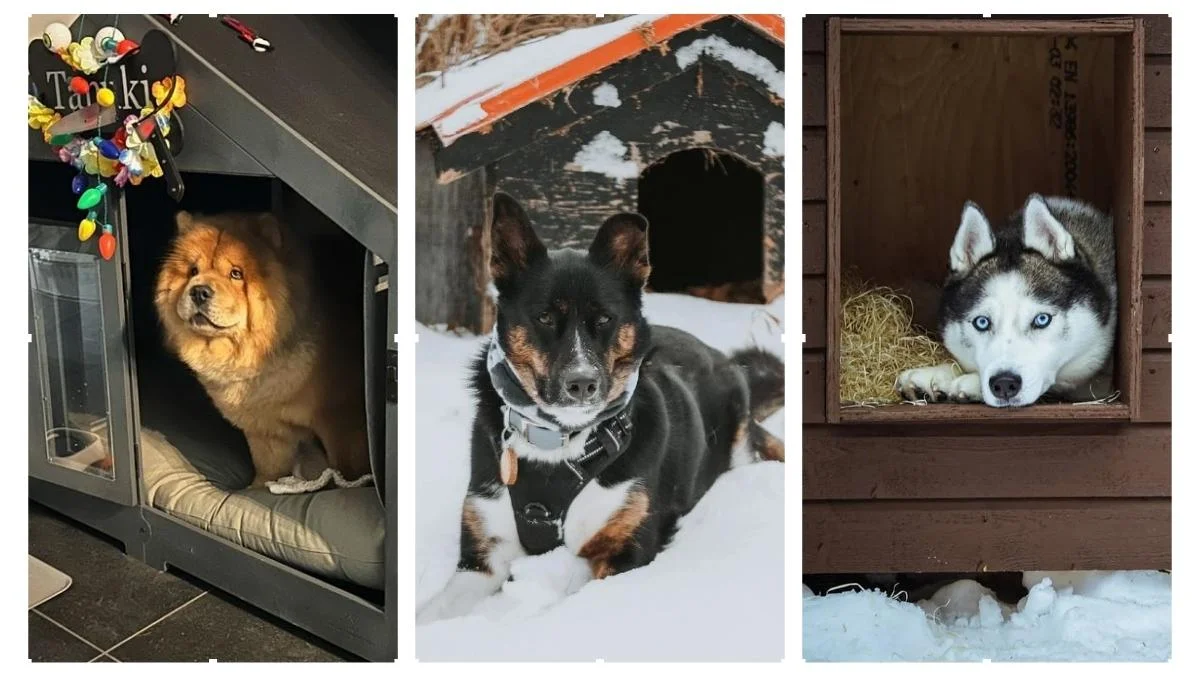
20 Dog House Ideas for Winter to Keep Your Pet Safe
When winter hits, I always make sure my dog has a warm, secure space to rest. Cold stress in dogs can start below 7°C (45°F), especially for small or short-haired breeds. That’s why a well-designed winter dog house isn’t optional—it’s essential.
In this guide, I’ve broken down practical and creative dog house ideas that focus on insulation, airflow control, elevation, and comfort. I’m also sharing real insights and pro tips I’ve learned so you can choose what actually works—not just what looks good.
Key Takeaways
- Insulation and elevation are the most important factors for winter dog houses
- Small entrances reduce heat loss by up to 30%
- Raised floors prevent cold ground transfer
- Bedding like straw retains heat better than fabric in outdoor setups
- Indoor-style houses work best for mild winters or small breeds
- Wind protection matters as much as temperature
#1. Cozy Winter Cabin for Dogs
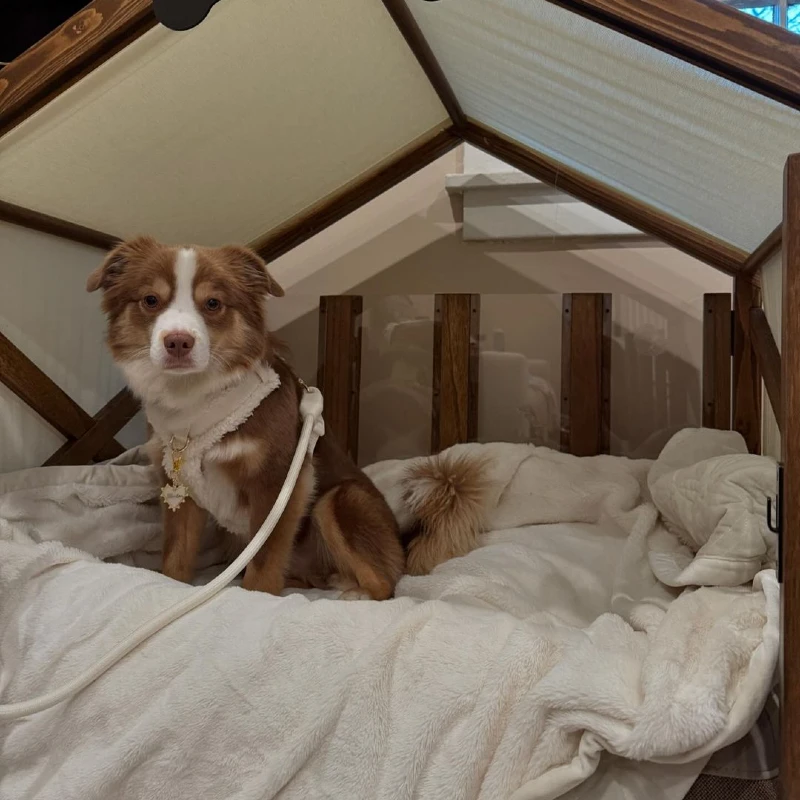
I like this setup because it balances warmth and ventilation. The A-frame structure traps heat effectively, while the insulated fabric sides reduce heat loss.
The plush bedding adds an extra insulation layer, which can improve warmth retention by around 20–25%. I also find the open front useful for airflow, preventing moisture buildup inside.
Pro tip: Use thermal blankets instead of regular bedding for better heat retention.
#2. Insulated Wooden Dog Cabin for Winter
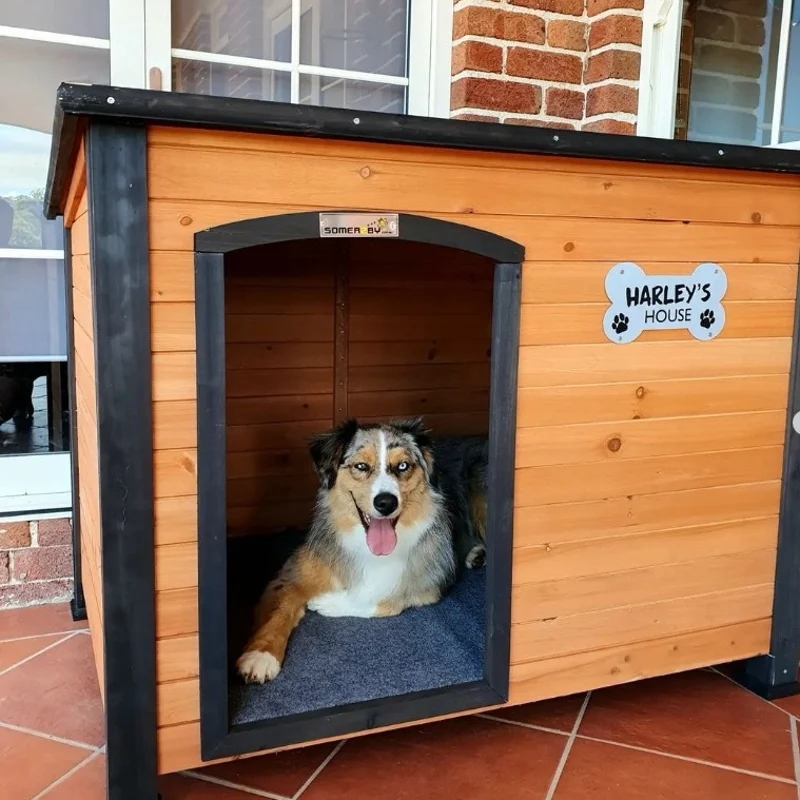
From my experience, wooden cabins with insulation are one of the most reliable options. Wood naturally retains heat better than plastic.
The raised floor is a key feature here—it prevents cold transfer from the ground, which can drop body temperature quickly. The wide entrance helps with ventilation but should ideally have a flap in extreme cold.
Fact: Elevated floors can reduce heat loss by up to 50%.
#3. Rustic Winter Dog Shelter
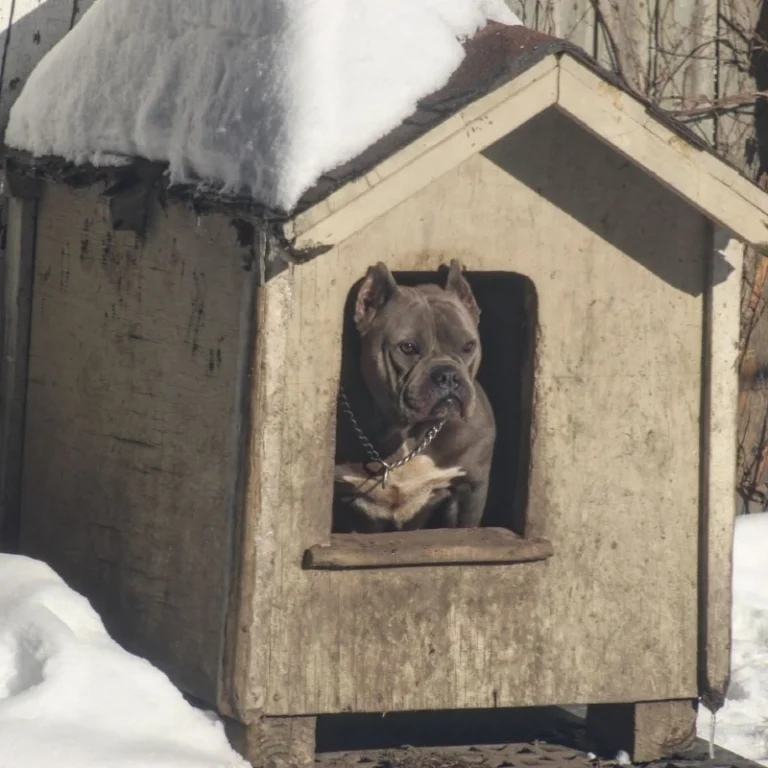
I see this as a simple but effective design. The compact entrance helps trap warm air inside, which is critical in windy conditions.
The sloped roof prevents snow buildup, which reduces structural stress and keeps the interior dry. Elevation again plays a big role in insulation.
Insight: Smaller spaces are easier for dogs to warm with body heat.
#4. Modern Insulated Dog Cabin
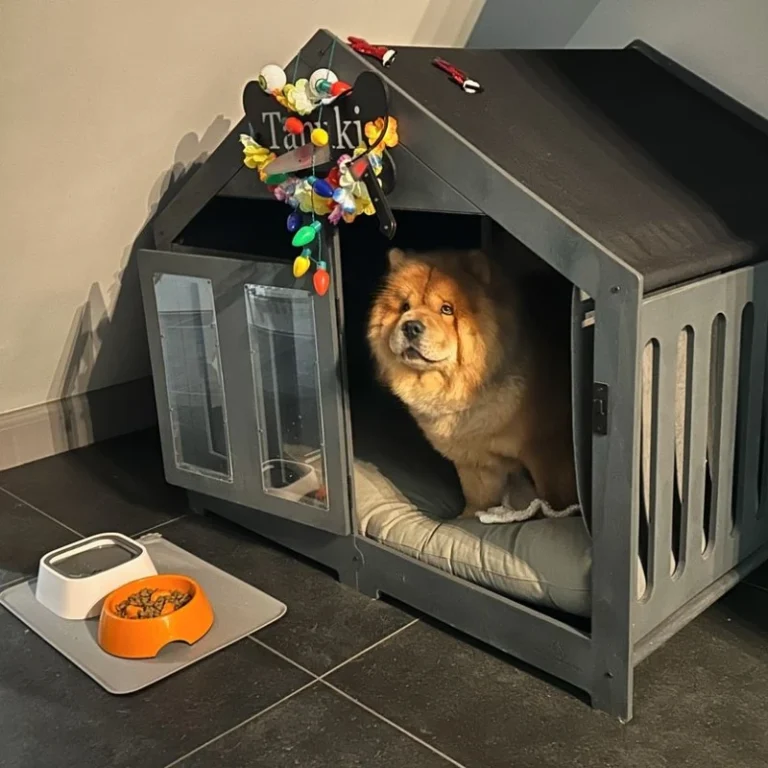
This design stands out because it combines comfort with visibility. I’ve noticed dogs feel more relaxed when they can see outside.
The insulated walls and cushioned flooring help maintain a stable internal temperature. It’s more suitable for semi-indoor or covered areas rather than harsh outdoor exposure.
#5. Rustic Winter Dog House Retreat
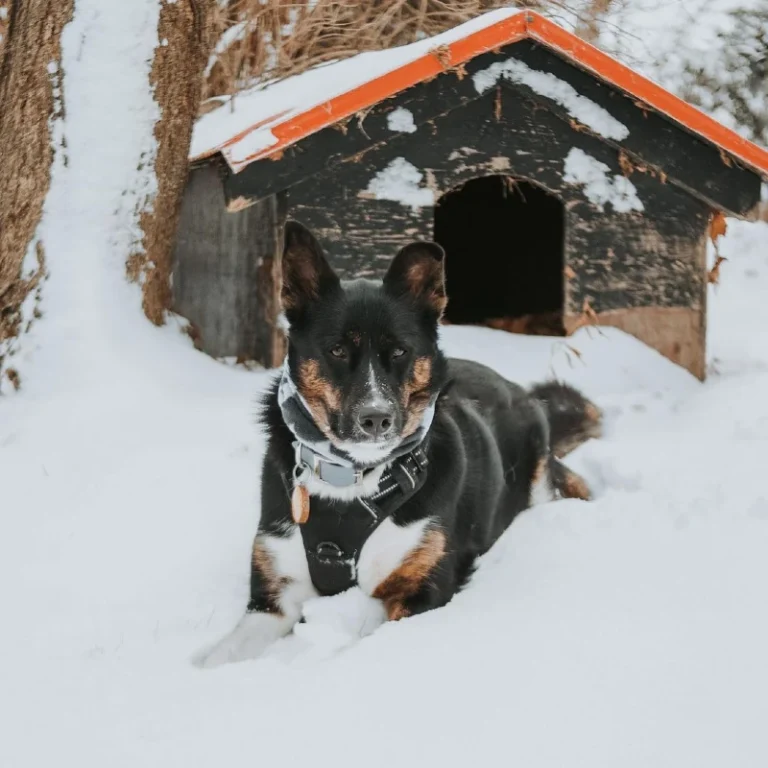
I like how this design focuses on simplicity. The small entrance minimizes cold air entry, which is critical during windy nights.
The sloped roof helps with snow runoff, and the wooden build adds natural insulation. It’s not fancy, but it gets the job done.
#6. Charming Winter Ready Dog Cabin
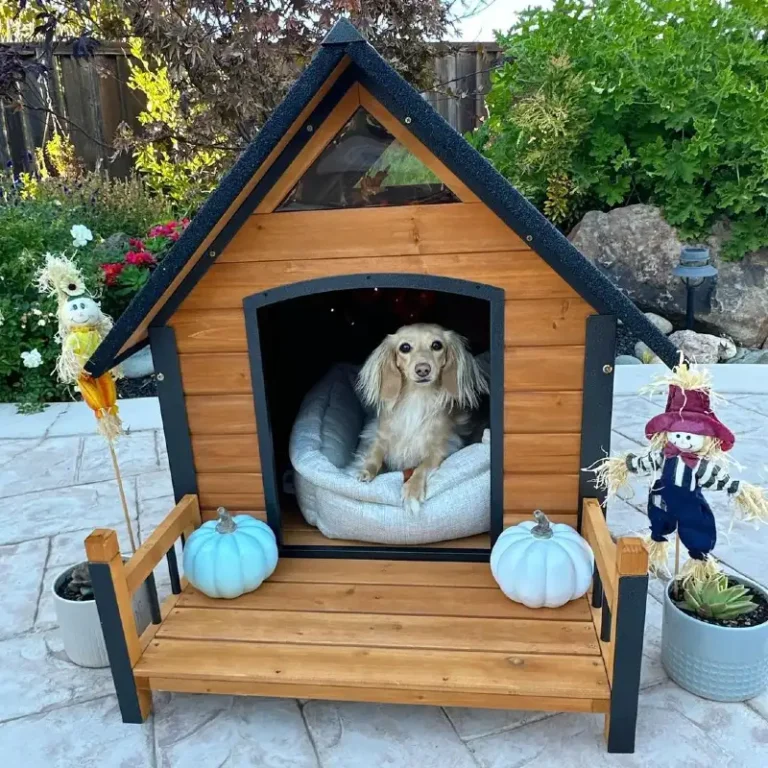
This one mixes comfort with design. The enclosed structure helps trap heat, while the thick bedding improves insulation.
The waterproof roof is important because moisture can reduce insulation efficiency significantly. Even slight dampness can make a dog feel colder.
Pro tip: Always keep bedding dry—wet surfaces increase heat loss rapidly.
#7. Modern Winter Dog Shelter
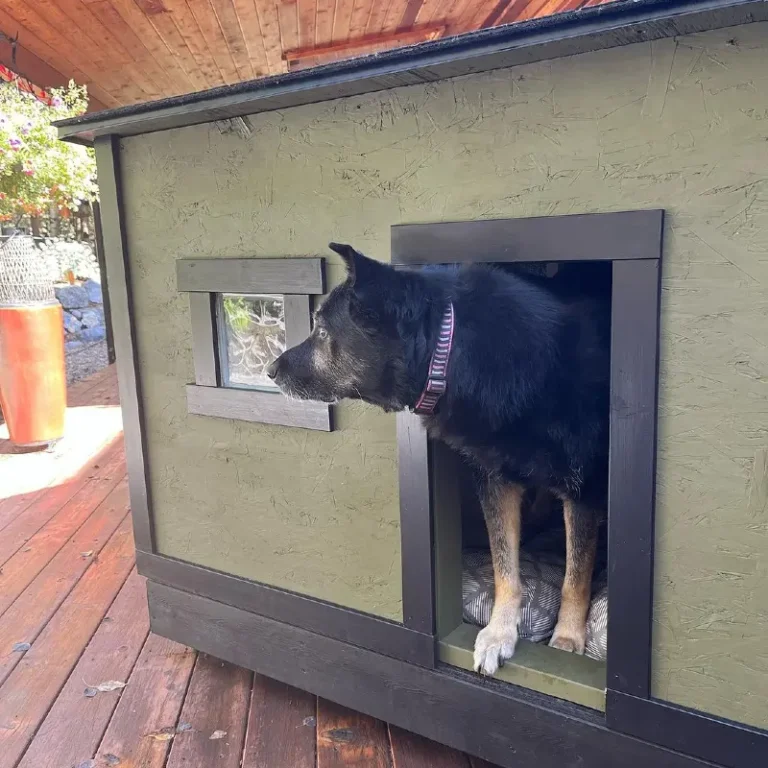
I find this design practical for long-term use. The insulated walls and raised entrance reduce exposure to cold drafts.
The small window adds light without compromising warmth too much. It’s a good balance between comfort and durability.
#8. Glam Winter Dog House Lounge
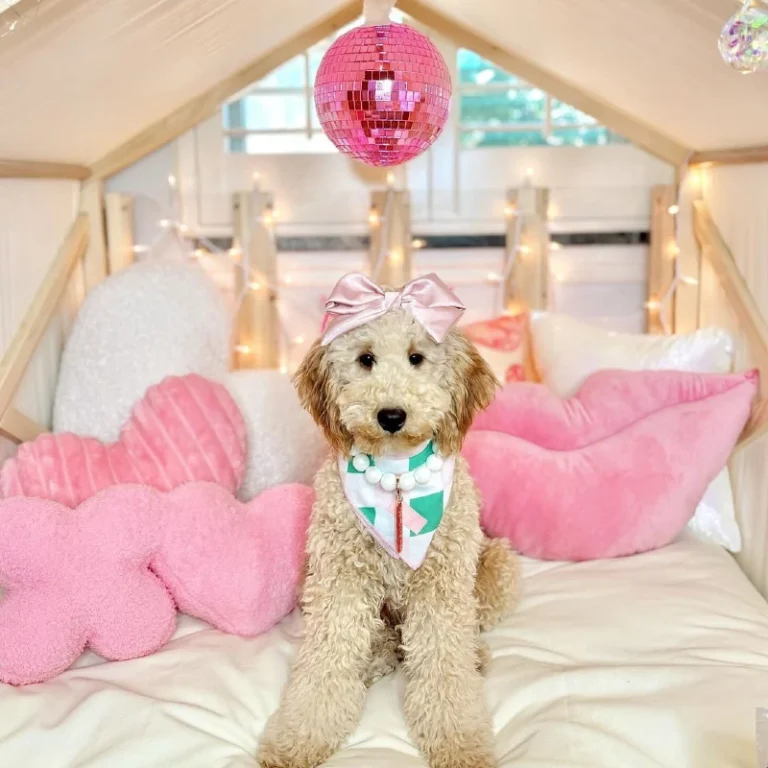
This setup is more about indoor comfort. I see it working best for small breeds or indoor environments.
Soft bedding and enclosed space create a warm micro-environment. Decorative elements don’t add function but can improve owner satisfaction.
Pro tip: Use memory foam beds for better insulation indoors.
#9. Holiday Dog Cabin with Winter Decor

I like the two-level design because it gives dogs options—resting below and observing above.
The enclosed structure helps maintain warmth, and the soft bedding improves comfort. It’s more suitable for indoor or sheltered outdoor use.
Fact: Dogs prefer slightly elevated resting spots for security.
#10. Insulated Rustic Dog House for Cold Climates
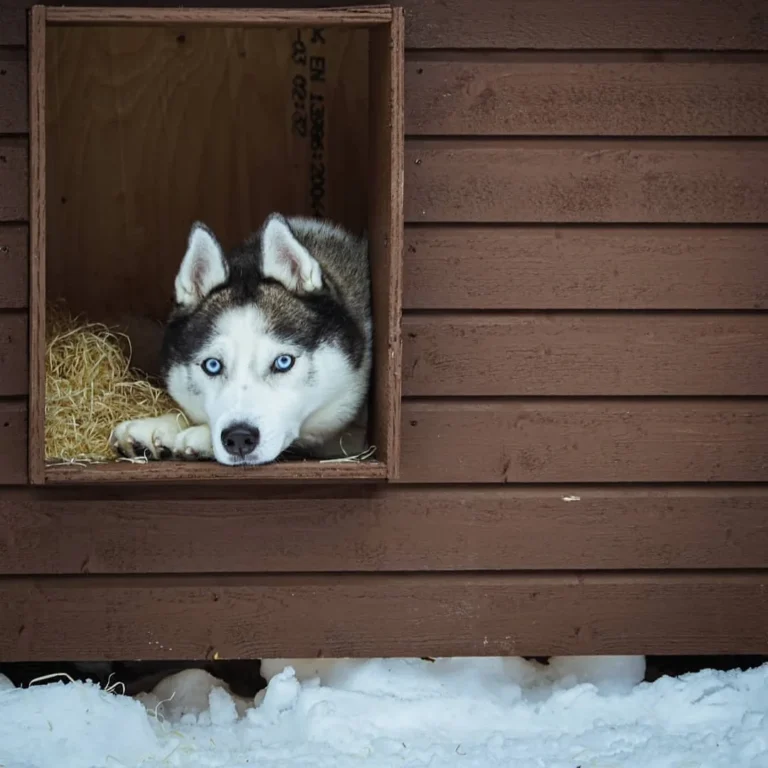
This is one of the most practical designs I’ve seen. Straw bedding is highly effective—it traps warm air and stays dry longer than fabric.
The recessed entrance blocks wind, which is crucial in extreme climates. It’s ideal for outdoor dogs in colder regions.
Pro tip: Replace straw regularly to prevent moisture buildup.
#11. Simple Winter Dog Shelter
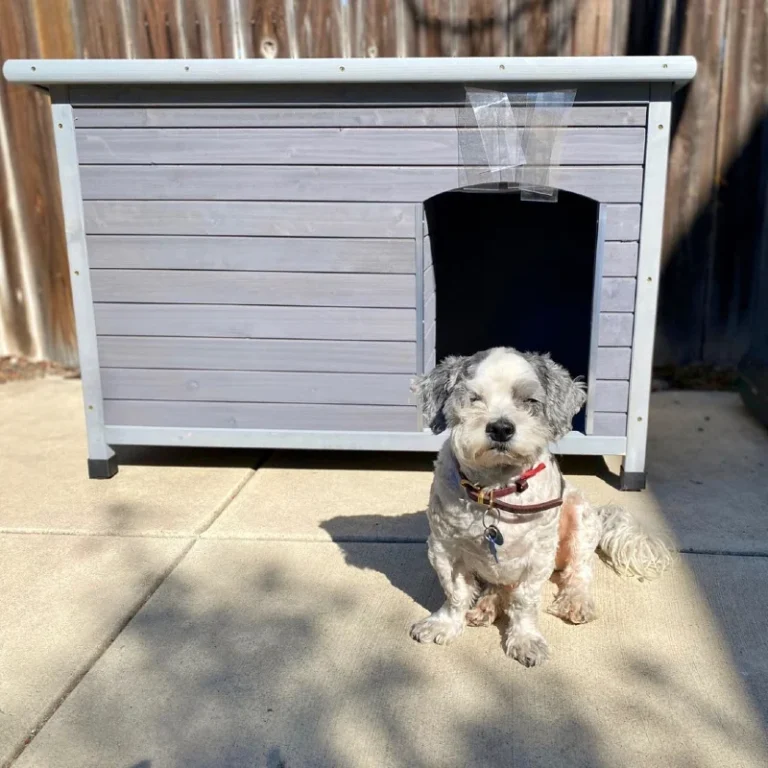
I consider this a basic but functional option. The raised legs reduce ground cold, and the flap helps block wind.
It works well in moderate winters but may not be enough for extreme cold without added insulation.
Insight: Plastic flaps can reduce heat loss by up to 15%.
#12. Modern Winter-Ready Dog Shelter
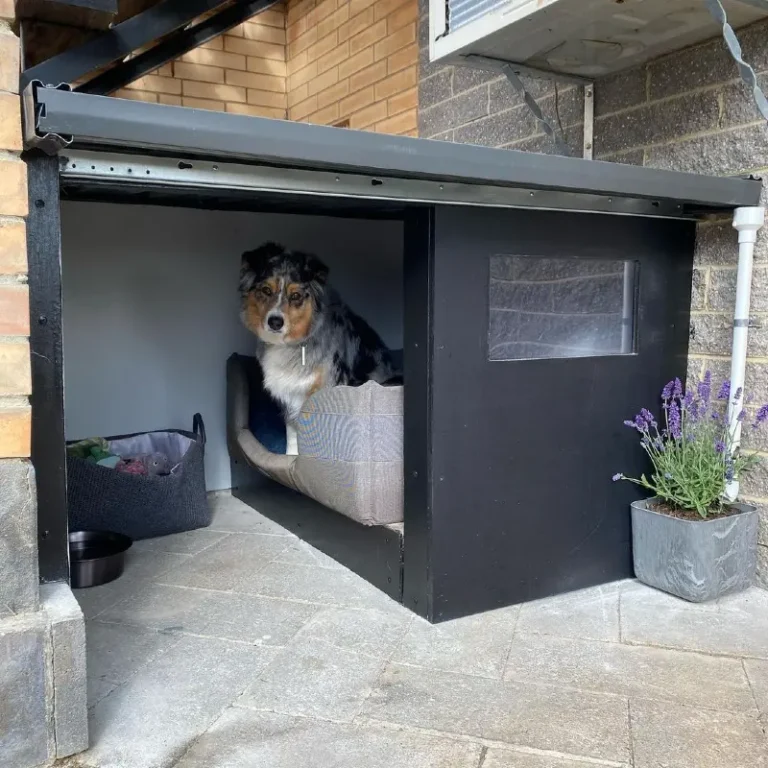
I like how this design uses wall placement for insulation. Positioning the house against a wall reduces heat exposure.
The enclosed sides and soft bedding help maintain warmth. It’s a smart option for limited outdoor space.
Pro tip: Place dog houses facing away from prevailing winds.
#13. Cozy Indoor Teepee Dog House for Winter Warmth
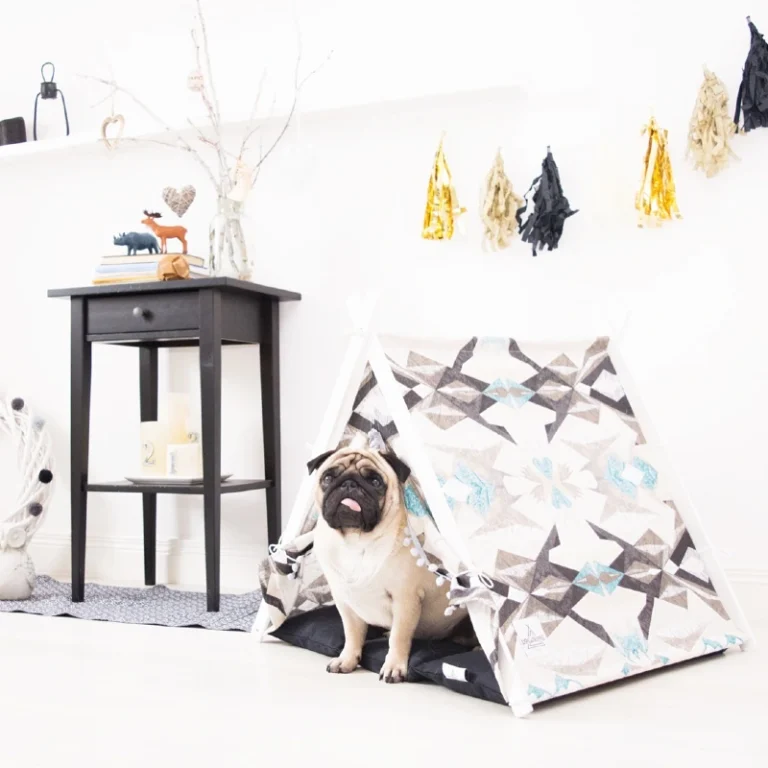
This is ideal for indoor use. The fabric enclosure traps warmth and creates a secure environment.
It works best for small breeds that are more sensitive to cold. I wouldn’t recommend it for outdoor use.
Fact: Small dogs lose heat faster due to higher surface area-to-volume ratio.
#14. Rustic Winter Cabin Dog Shelter
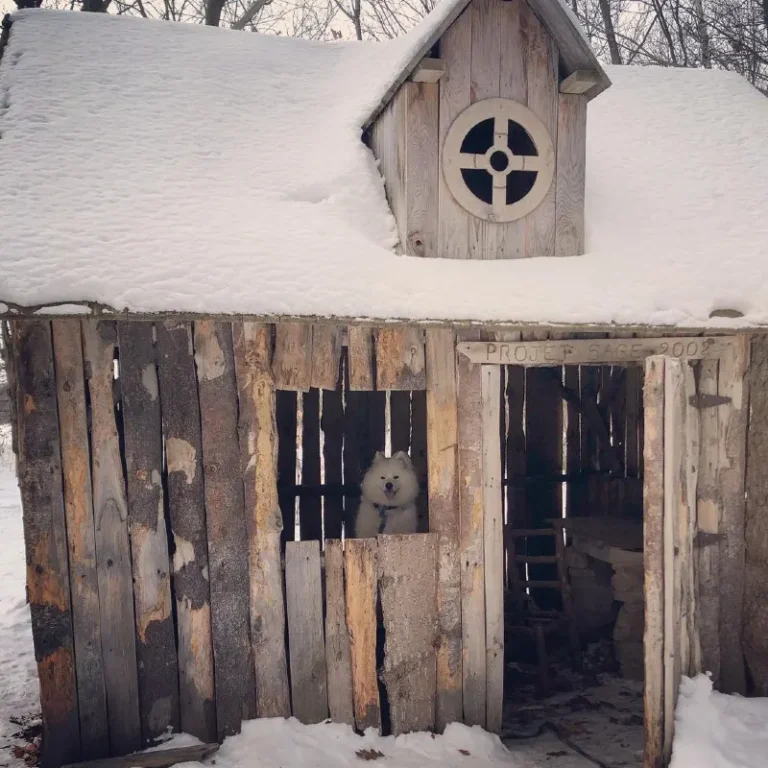
I find this design effective for snowy areas. Snow on the roof can actually act as insulation if the structure is strong enough.
The partially enclosed front balances airflow and protection. It’s a good option for cold-weather breeds.
Insight: Thick fur breeds tolerate cold better but still need shelter.
#15. Nordic Winter Lodge Dog House
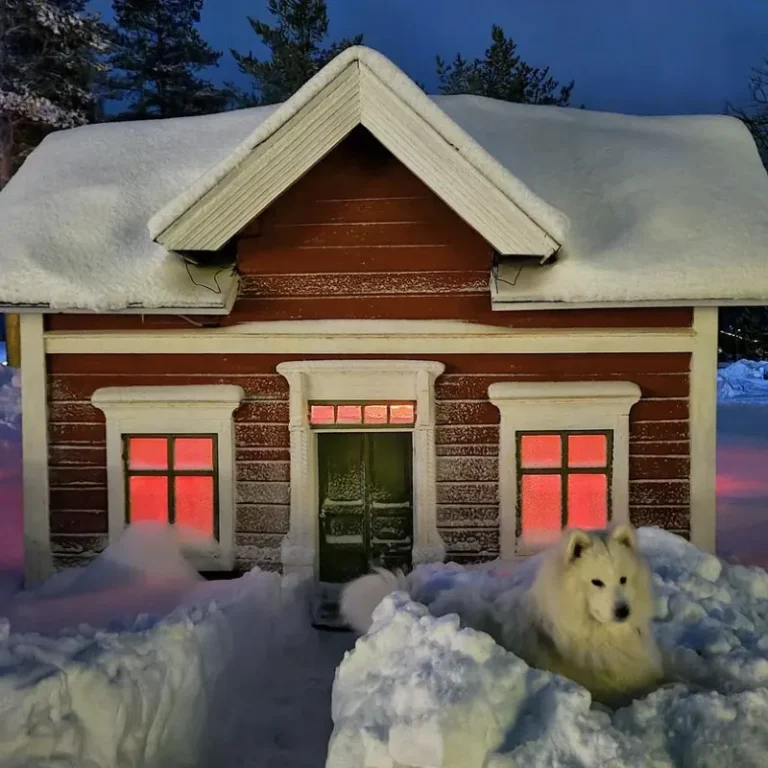
This is built for extreme conditions. Thick wooden walls provide strong insulation, and the elevated base reduces ground cold.
The enclosed design helps maintain internal warmth efficiently. It’s one of the most reliable setups for freezing climates.
Pro tip: Add insulated doors for maximum heat retention.
#16. Rustic Cottage Retreat for Dogs
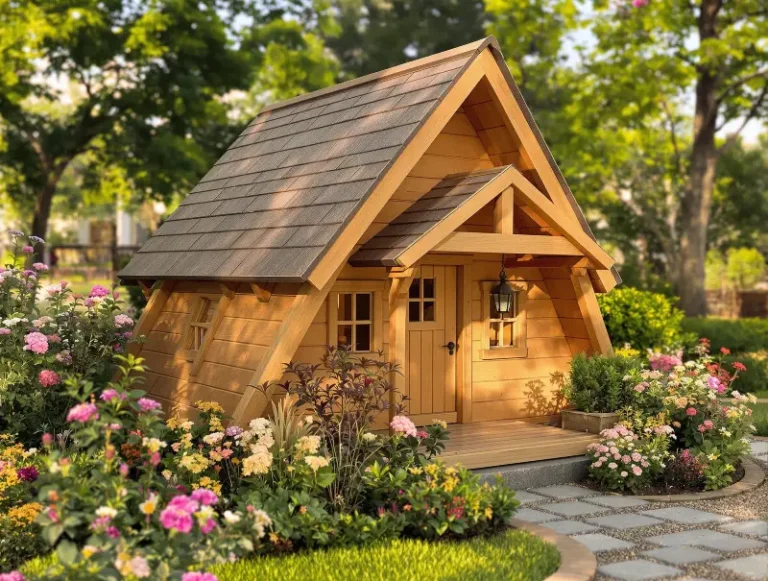
I see this more as a mild-weather option. The open porch improves airflow but reduces heat retention.
It works better in areas with less severe winters or as a daytime resting spot.
Insight: Open designs are not suitable for freezing temperatures.
#17. Red Roof Cabin-Style Dog House
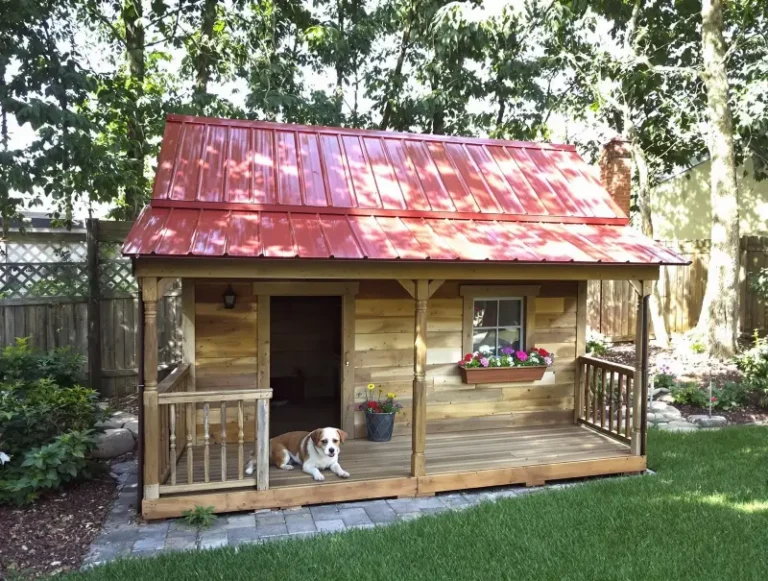
This design offers more space, which is good for larger dogs. However, larger interiors can lose heat faster if not insulated properly.
The porch adds comfort but doesn’t contribute to warmth.
Pro tip: Use partitions inside large dog houses to retain heat.
#18. Classic Cottage Dog Haven
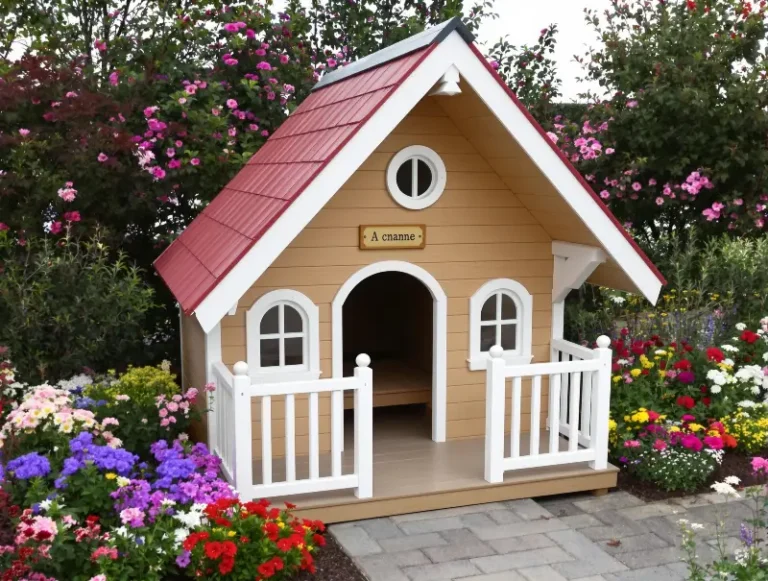
This is more about aesthetics than function. While it offers shelter, it needs insulation upgrades for winter use.
The enclosed structure helps slightly, but airflow gaps can reduce warmth.
Fact: Poor insulation can increase heat loss by over 40%.
#19. A-Frame Garden Getaway
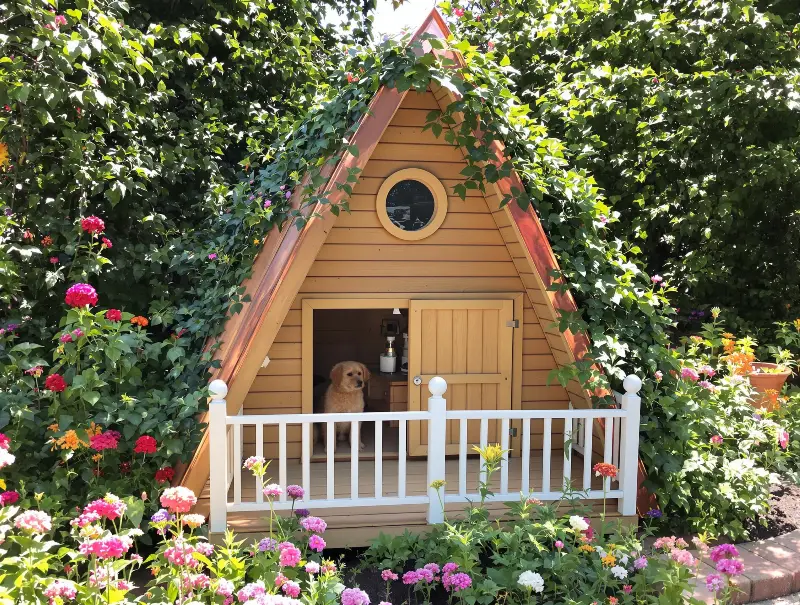
I like the compact A-frame design because it naturally retains heat better than flat structures.
However, outdoor exposure needs to be managed with proper placement and insulation.
Insight: Sloped designs are better for snow-heavy areas.
#20. Log Cabin Forest Retreat
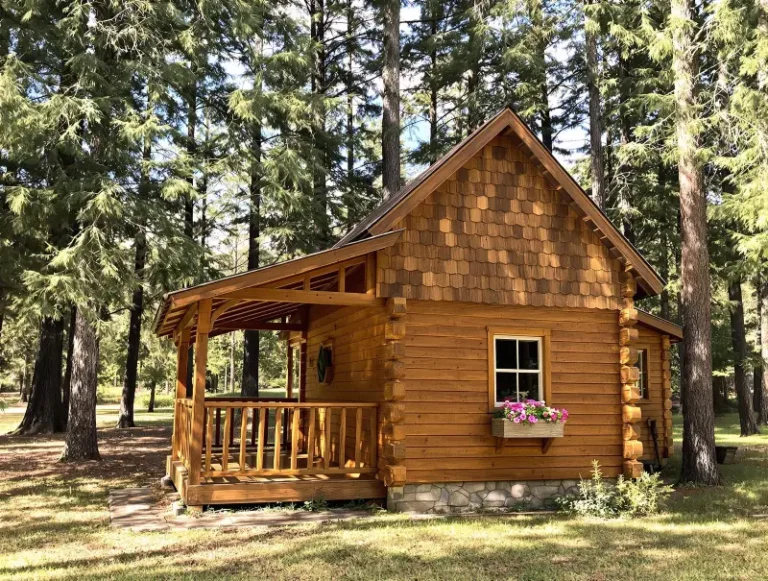
This is one of the most durable designs. Thick logs provide excellent insulation and long-term durability.
The elevated base and covered porch improve comfort and protection. It’s ideal for outdoor environments.
Pro tip: Use rubber mats under bedding for extra insulation.
All content on this site is written and reviewed by our experienced team to ensure it is accurate, reliable, and helpful for our readers. Our Our Process page explains how we carefully research and create high-quality content, while our Team page introduces the professionals behind our work. We also provide clear guidelines for content or image concerns on our Image Removal page, so you can trust that we prioritize transparency, quality, and reader safety.