Chow Chow Care Guide: Everything New Owners Need to Know
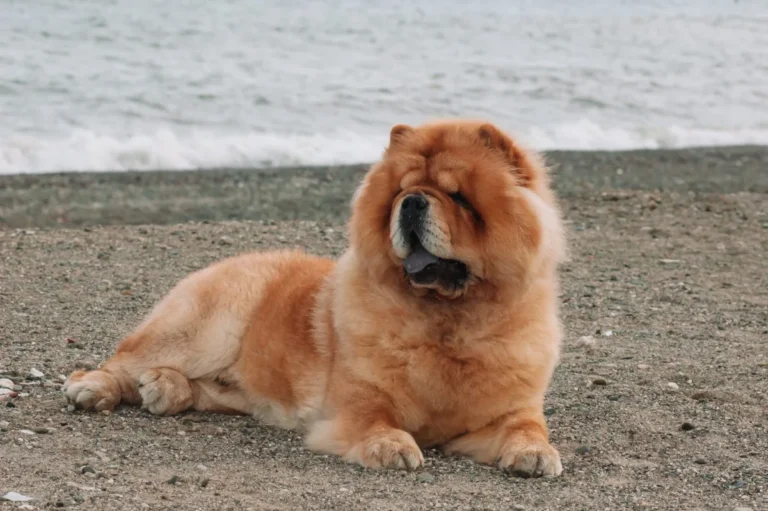
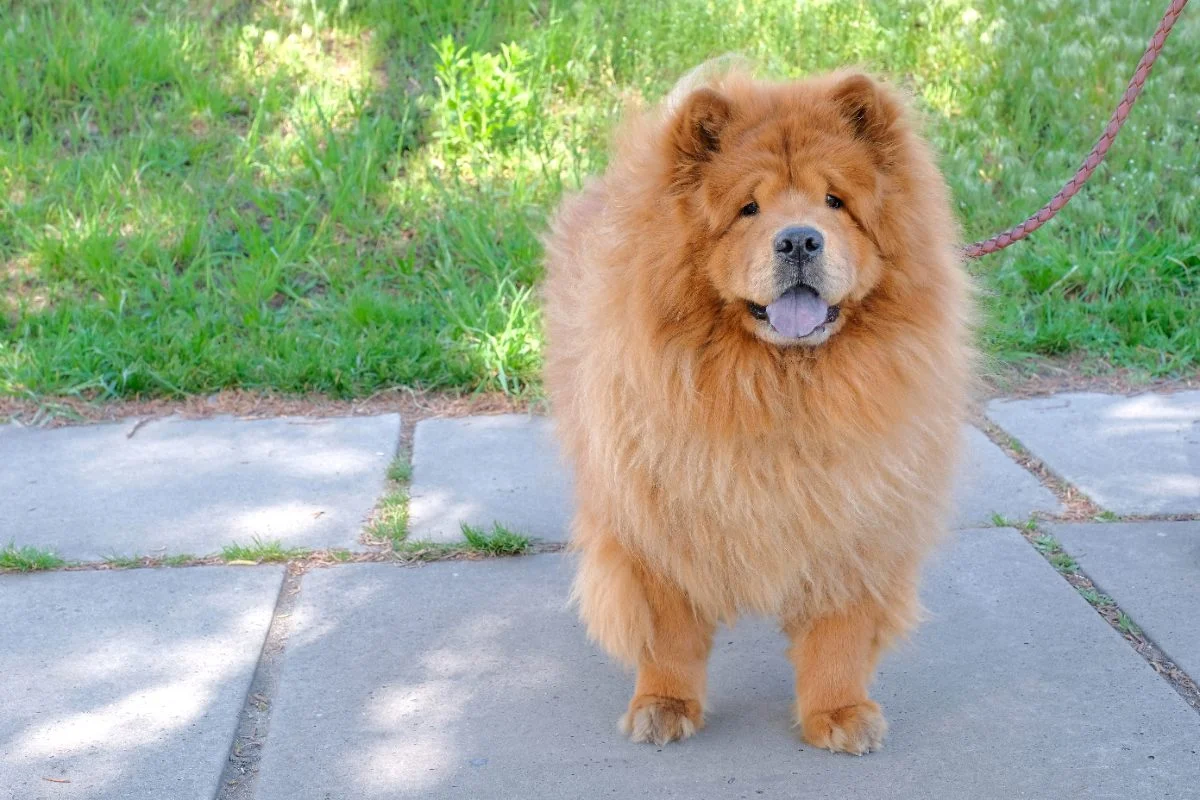
A Chow Chow has a look that is hard to miss: a thick mane, compact body, serious expression, and that unmistakable blue-black tongue.
But the personality underneath all that fur is just as distinctive.
This ancient breed is generally independent, reserved, and deeply attached to its family. It is not typically the type of dog that wants to greet every stranger or spend the entire day seeking approval.
Want a Better-Trained, Happier Dog?
Get practical guidance for obedience, behavior, and everyday dog training with a collection of helpful training guides designed for dog owners.
This post may contain affiliate links. If you purchase through our link, we may earn a commission at no additional cost to you.
That makes understanding the breed especially important. A Chow Chow can be a wonderful companion, but the right relationship starts with realistic expectations.
Disclosure: As Amazon Associates, we earn from qualifying purchases at no extra cost to you.
What Exactly Is a Chow Chow?
The Chow Chow originated in northern China and is considered one of the world’s ancient dog breeds. Historical records and artwork suggest that dogs resembling modern Chows have existed for many centuries.
Historically, these dogs were used for several purposes, including hunting, guarding, and other working roles.
Those origins help explain why today’s Chow Chow can be independent and watchful rather than constantly eager to please. This is a breed that often prefers to make its own decisions.
The Quick Stats
- Height: Approximately 17 to 20 inches at the shoulder
- Weight: Commonly around 45 to 70 pounds, although individual dogs vary
- Lifespan: Often around 8 to 12 years
- Coat: Dense double coat, available in rough and smooth varieties
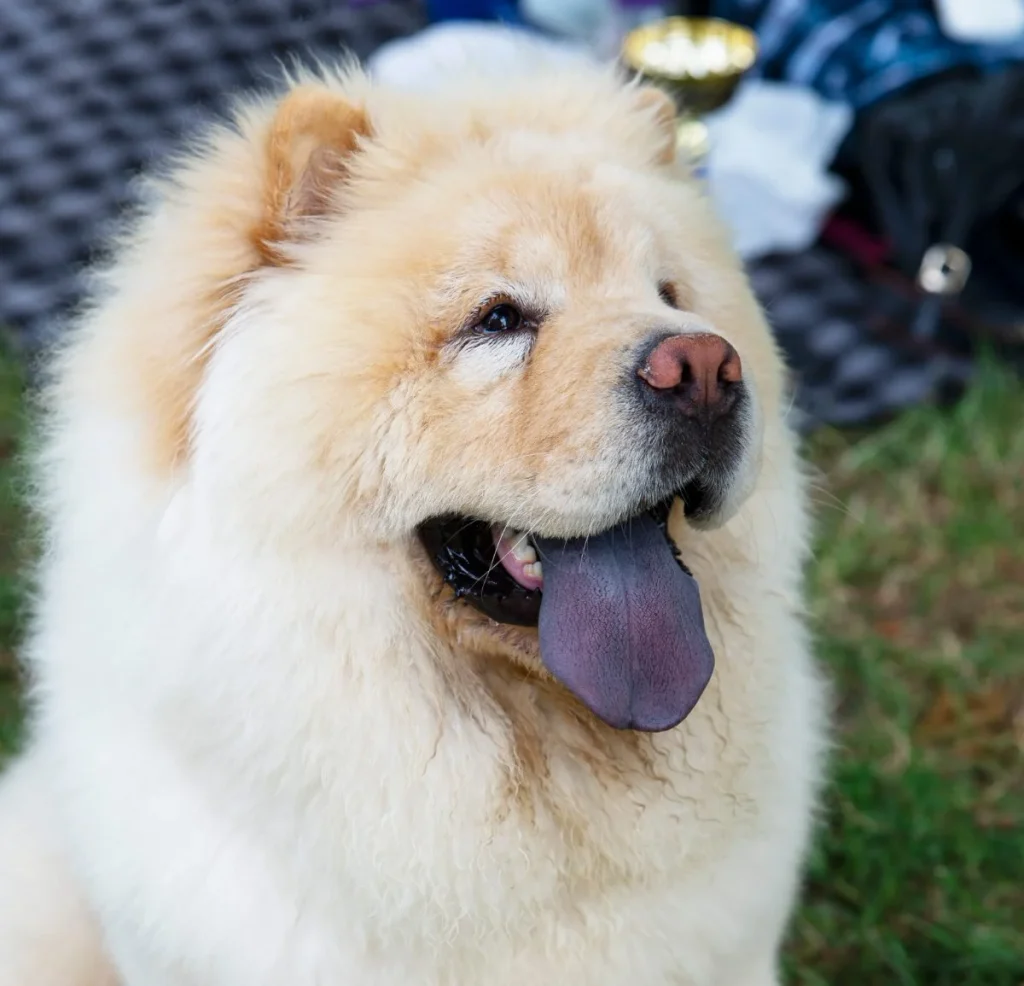
- Colors: Red, black, blue, cinnamon, and cream
- Energy: Generally low to moderate, particularly indoors
- Distinctive feature: A blue-black tongue
The thick coat can also make a Chow appear substantially larger than its actual body size.
The Temperament Is the Whole Story
The Chow Chow’s temperament is one of the biggest reasons this breed is either a fantastic match or a frustrating one for a particular household.
Many Chows are devoted to their families while remaining reserved around unfamiliar people. They may prefer quietly observing a visitor instead of immediately seeking attention.
They can also be independent and less interested in performing behaviors simply because someone asked.
A typical day may include:
- Strong attachment to familiar family members
- A reserved attitude toward strangers
- Calm behavior indoors
- Considerable independence
- A tendency to protect its home and personal space
- Sensitivity to rough or unexpected handling
- Possible difficulty getting along with certain unfamiliar dogs
None of those traits automatically mean a Chow is aggressive. However, owners should take the breed’s boundaries seriously and work on appropriate socialization and behavior from an early age.
Socialization Is Not Optional Here
A Chow Chow does not need to become everyone’s best friend.
What it does need is enough positive exposure to people, animals, environments, handling, sounds, and everyday situations that unfamiliar experiences do not automatically become frightening or threatening.
Early socialization is especially valuable because habits and emotional responses develop quickly during puppyhood.
- Introduce new people gradually and positively
- Allow your puppy to approach rather than forcing interaction
- Expose him to different environments at a comfortable pace
- Practice gentle handling of paws, ears, mouth, and body
- Arrange controlled interactions with appropriate, well-mannered dogs
- Reward calm observation instead of demanding greetings
The handling thing deserves emphasis
Chow Chows have physical features that can make their peripheral vision less effective than that of some other dogs, and sudden approaches can startle them.
That is particularly important around children.
Teach children to approach calmly, avoid reaching over the dog’s head, and never disturb him while he is eating, sleeping, or trying to move away.
A dog that learns people will respect his space has much less reason to feel pressured during everyday interactions.
Training a Dog That Does Not Care About Pleasing You
Training a Chow Chow can require a different mindset from training a highly eager-to-please breed.
Chows are capable of learning quickly, but intelligence does not automatically equal willingness to repeat a behavior indefinitely.
Keep training interesting, brief, and worthwhile.
What works:
- Short sessions of around five to ten minutes for many dogs
- High-value rewards when appropriate
- Clear cues rather than repeated commands
- Plenty of reinforcement for behaviors you want to see again
- Calm, consistent boundaries
- Early training before unwanted habits become established
If you say the same command five times, your dog may learn that the first four requests were optional.
Instead, give a clear cue, allow time for the dog to respond, and reward the correct behavior.
Harsh physical corrections are particularly counterproductive. Building cooperation and trust is a much more useful foundation for this independent breed.
That Coat Is a Second Job
The Chow Chow’s magnificent coat is also one of its biggest ownership responsibilities.
A dense double coat can conceal tangles close to the skin, so simply running a brush over the surface is not enough. Owners need to work through the coat carefully and regularly.
Rough-coated Chows generally need frequent brushing, with even more attention during heavy shedding periods.
- Brush in sections so you reach the underlying coat
- Check behind the ears and around the neck regularly
- Pay attention to the legs, rear furnishings, and other friction areas
- Keep the skin dry after bathing
- Introduce grooming routines during puppyhood
- Trim nails regularly
- Use a professional groomer if you are not confident managing the coat yourself
Never assume shaving is the best way to help a Chow handle summer. The coat provides insulation and protection from the environment, and removing it can leave the skin more exposed to sun and other problems.
Seasonal shedding can also be substantial, so a reliable vacuum may become one of your most frequently used household tools.
Exercise Needs Are Refreshingly Modest
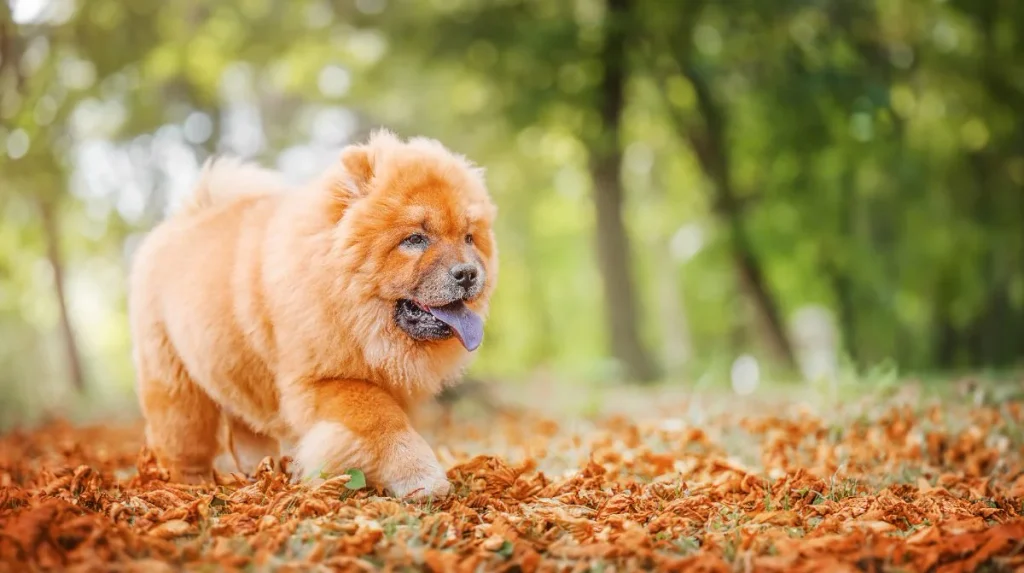
Chow Chows generally do not require the amount of exercise expected by high-energy working or sporting breeds.
Many adults do well with regular moderate walks combined with some mental stimulation and normal household activity.
A practical routine might include:
- One or two daily walks suited to the individual dog
- Short training sessions
- Food puzzles or other enrichment
- Gentle play
- Plenty of time to relax afterward
Avoid pushing your Chow through intense exercise during hot weather.
Their heavy coat and relatively compact facial structure can make heat management particularly important. Choose cooler times of day for walks and watch closely for signs that your dog is becoming overheated.
For many Chows, a comfortable walk followed by a peaceful place to rest is exactly the kind of day they prefer.
Health Problems You Should Budget For
Like every breed, Chow Chows can be susceptible to certain health conditions.
Potential concerns include:
- Hip and elbow dysplasia
- Entropion and other eye problems
- Heat-related illness
- Skin problems and hot spots
- Certain autoimmune disorders
- Gastric dilatation-volvulus (bloat)
Responsible breeders should perform appropriate health screening and be transparent about the health history of their breeding dogs.
If you are purchasing a puppy, ask to see documentation rather than relying solely on verbal claims.
Routine veterinary care is also important. Your veterinarian can help you determine appropriate nutrition, parasite prevention, vaccinations, dental care, weight management, and screening based on your dog’s age and individual risk factors.
Pet insurance or an emergency savings fund may also be worth considering because unexpected veterinary treatment can become expensive.
The Real Cost of a Chow Chow
The cost of owning a Chow Chow varies substantially depending on location, breeder, veterinary prices, grooming needs, insurance, food, and other expenses.
Typical categories include:
- Puppy purchase: Prices vary considerably among breeders and regions
- First-year expenses: Veterinary care, food, equipment, training, grooming, and preventative care
- Annual expenses: Food, routine veterinary visits, preventative treatments, grooming, and supplies
- Professional grooming: Costs depend on coat condition, location, and the services required
Grooming is particularly important to include in your long-term budget if you do not plan to maintain the coat yourself.
And, as with any dog, it is wise to have a plan for unexpected veterinary expenses rather than budgeting only for routine care.
Is a Chow Chow Right for You?
Good fit if you:
- Prefer a calm and relatively independent companion
- Appreciate dogs that are reserved rather than universally social
- Are prepared for regular coat maintenance
- Can provide consistent training and boundaries
- Are willing to manage heat carefully
- Respect canine body language and personal space
Skip this breed if you:
- Want a dog that enthusiastically greets everyone
- Expect constant obedience without much training
- Have young children who may not reliably respect dog boundaries
- Live somewhere extremely hot without reliable climate control
- Dislike regular grooming
- Want a dog primarily because its appearance looks like a cuddly teddy bear
Final Thoughts
The Chow Chow is a breed with a very distinct personality.
It may not behave like the endlessly social dog you see in many family-dog advertisements, and expecting it to can create unnecessary frustration.
Instead, focus on what this breed actually needs: thoughtful socialization, consistent boundaries, positive training, regular grooming, safe exercise, and careful management during hot weather.
Choose your breeder carefully, teach your family how to respect the dog’s boundaries, and take preventive health care seriously.
When you understand the breed rather than trying to change its fundamental personality, the Chow Chow can become a remarkably devoted, peaceful, and fascinating companion.