6 Mistakes Chow Chow Owners Make (And How to Avoid Them)
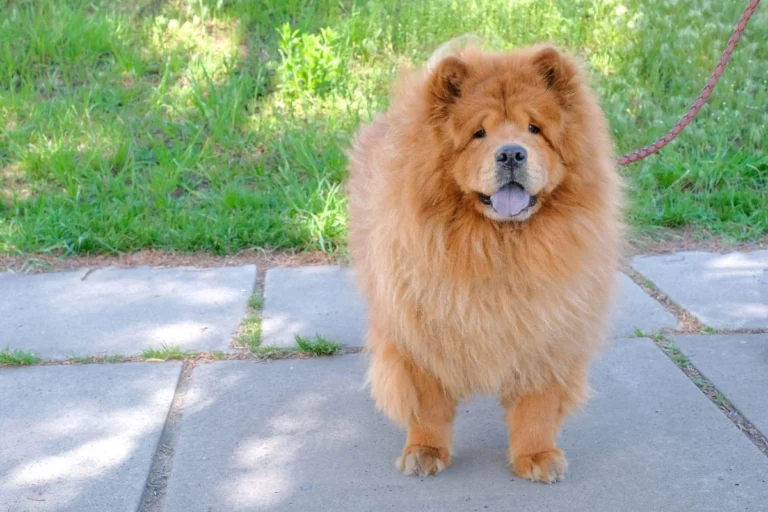
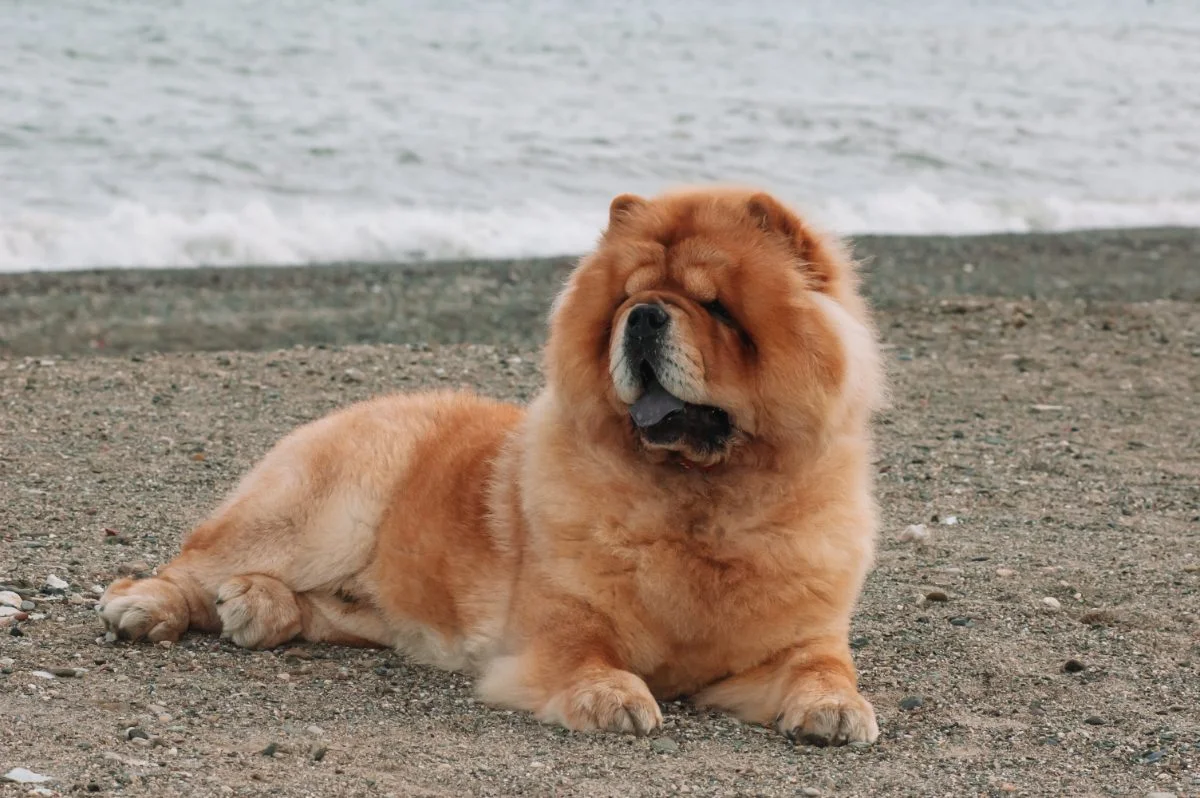
Chow Chows can be misunderstood because their fluffy appearance makes them look like oversized teddy bears. Underneath all that fur, however, is a dignified, independent dog with a temperament that is very different from the highly social breeds many people are familiar with.
They often form strong bonds with their families while remaining reserved around unfamiliar people. They can also be sensitive about handling, require serious coat care, and need thoughtful training rather than constant repetition.
Understanding those traits before bringing one home can prevent many of the problems owners later mistake for “bad behavior.”
Want a Better-Trained, Happier Dog?
Get practical guidance for obedience, behavior, and everyday dog training with a collection of helpful training guides designed for dog owners.
This post may contain affiliate links. If you purchase through our link, we may earn a commission at no additional cost to you.
Here are six common mistakes that can make life with a Chow Chow much harder than it needs to be.
Mistake 1: Expecting a Friendly Dog
One of the biggest mistakes is assuming a Chow Chow should greet everyone like a Labrador.
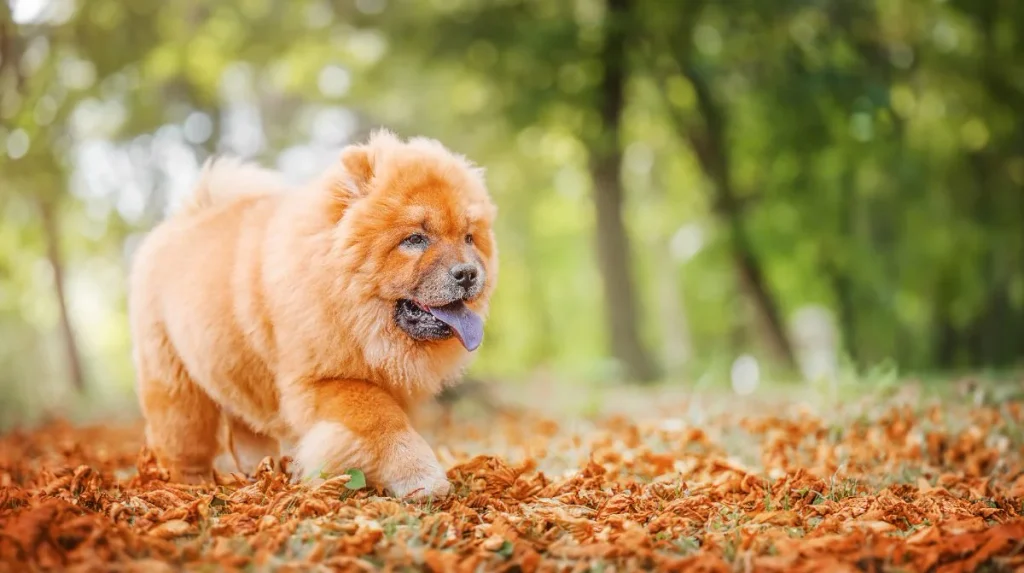
Many Chows are naturally reserved with unfamiliar people. They may prefer to watch a visitor from across the room rather than immediately approach for attention.
That does not automatically mean something is wrong with the dog.
The goal of socialization is not necessarily to turn your Chow into a dog who loves everybody. Instead, you want to help him become comfortable enough to remain calm and predictable around different people, places, sounds, and situations.
What to do instead
- Allow your dog to observe unfamiliar people without forcing interaction
- Ask visitors to ignore him initially rather than reaching toward him
- Reward relaxed behavior around guests
- Give him a quiet area where he can retreat when the house becomes busy
- Teach visitors, especially children, to respect his personal space
- Introduce new experiences gradually and positively
A Chow calmly watching guests from his bed can be a much better outcome than forcing him to participate in every greeting.
The objective is confidence and neutrality—not making every stranger his new best friend.
Mistake 2: Skipping the Coat Until It Is Too Late
That beautiful Chow Chow coat requires regular maintenance.
The dense double coat can hide tangles close to the skin, especially around areas where friction occurs. If grooming is neglected for too long, small knots can become serious mats that are uncomfortable and difficult to remove.
Regular brushing is therefore part of basic Chow Chow care, not simply something you do to make the dog look fluffy.
- Brush in sections so you can reach through the coat to the skin
- Pay particular attention to the ruff, behind the ears, armpits, and rear legs
- Check the skin regularly for irritation, moisture, or hidden mats
- Introduce grooming gradually when your dog is young
- Keep the coat clean and thoroughly dry after bathing
- Consider professional grooming if you are uncomfortable managing the coat yourself
During seasonal shedding, your grooming routine may need to become much more frequent.
Do not wait until the coat looks tangled from the outside. By then, problems underneath the surface may already be developing.
Mistake 3: Training Him Like a Retriever
Chow Chows can learn plenty of commands, but many do not have the same eagerness to repeat behaviors that you might see in highly biddable working or retrieving breeds.
That can make repetitive training sessions frustrating for both dog and owner.
Instead of drilling the same behavior over and over, make training clear, brief, rewarding, and worthwhile.
- Keep sessions short enough to maintain your dog’s attention
- Use rewards your individual Chow actually values
- Give the cue clearly instead of repeating it several times
- Reward cooperation immediately
- Use calm, consistent handling rather than intimidation
- Begin teaching household manners while your dog is young
If your dog ignores a cue, repeating it louder usually does not solve the underlying problem.
First ask yourself whether the behavior has been properly taught, whether the environment is too distracting, and whether your reward is motivating enough.
Training a Chow is often more productive when it feels like cooperation rather than a battle of wills.
Mistake 4: Letting Kids Treat Him Like a Stuffed Animal
A Chow Chow’s fluffy appearance can make children want to hug, squeeze, climb on, or constantly touch the dog.
That is exactly the kind of interaction responsible owners should prevent.
Dogs need boundaries, and children need to learn that a dog is a living animal rather than a toy. Even a normally calm Chow may react defensively if he is startled, cornered, hurt, or repeatedly disturbed.
House rules that are not negotiable:
- Approach the dog calmly rather than rushing toward him
- No climbing, sitting on, or lying across the dog
- Avoid hugging or restraining him
- Never disturb him while he is eating or sleeping
- Children should not take toys, food, or objects from his mouth
- Give the dog a designated area where children leave him alone
- Always supervise interactions between young children and the dog
Children and Chow Chows can absolutely share a home successfully, but the adults are responsible for creating safe boundaries.
Teaching children to recognize when a dog wants space is just as important as teaching the dog appropriate behavior.
Mistake 5: Underestimating the Heat
A Chow Chow’s thick double coat is one of its defining characteristics, but it also means owners need to take warm weather seriously.
Heat affects dogs differently depending on temperature, humidity, activity level, age, health, and individual tolerance. A heavily coated dog can become dangerously overheated if exposed to excessive heat or strenuous activity.
The solution is not simply to shave the dog.
A double coat provides protection from the environment, and shaving can expose the skin to sunburn and other problems. In most cases, keeping the coat healthy and well maintained is preferable to removing it.
- Schedule walks during the cooler parts of the day
- Provide plenty of fresh water
- Make sure your dog has access to shade and a cool indoor area
- Avoid strenuous exercise during extreme heat
- Never leave your dog inside a parked vehicle
- Watch for signs of overheating such as excessive panting, weakness, confusion, vomiting, or collapse
If you suspect heatstroke, treat it as a veterinary emergency and seek professional care immediately.
Good summer management is much safer than waiting until your dog shows serious symptoms.
Mistake 6: Buying From Someone Who Breeds for the Look
A beautiful Chow Chow is not necessarily a well-bred Chow Chow.
When choosing a breeder, appearance should be only one small part of the decision. Health, temperament, structure, and responsible breeding practices matter just as much.
Prospective owners should ask what health testing has been performed on the parents and should be able to discuss the family’s medical history with the breeder.
Walk away if:
- The breeder refuses to provide appropriate health-testing information
- You are discouraged from meeting the mother or seeing where puppies are raised
- The breeder focuses heavily on unusual or fashionable colors rather than health and temperament
- Puppies are being sold with little screening of potential owners
- The breeder cannot answer basic questions about the parents’ health and behavior
- You feel pressured to make a quick purchase
Relevant screening can include areas such as hips, elbows, eyes, and other breed-appropriate concerns. Ask for actual documentation rather than relying only on verbal assurances.
Puppy prices vary considerably by location, pedigree, breeder reputation, and other factors. More importantly, the purchase price is only one part of the financial commitment.
Veterinary care, grooming, training, preventative care, and unexpected medical expenses can add significantly to the lifetime cost of ownership.
What Getting It Right Actually Looks Like
A well-managed Chow Chow can be a wonderfully calm household companion.
Many enjoy a relatively peaceful lifestyle and do not need constant entertainment or attention. They can be content spending time near their family without demanding interaction every minute of the day.
The key is understanding what the breed actually needs rather than trying to turn it into a different type of dog.
- Socialize thoughtfully without forcing interactions
- Maintain the coat consistently instead of waiting for mats
- Use short, positive, structured training sessions
- Teach children to respect the dog’s boundaries
- Protect your Chow from excessive heat
- Choose a breeder who prioritizes health and stable temperament
Once those fundamentals are in place, everyday life with a Chow can be surprisingly peaceful.
Final Thoughts
The Chow Chow is not a breed that fits the traditional image of the endlessly social, eager-to-please family dog.
That is not necessarily a disadvantage—it simply means owners need to understand the breed before expecting certain behaviors.
Give your Chow appropriate socialization without forcing friendliness. Keep that dense coat under control. Make training fair and rewarding. Protect his personal space, especially around children, and take hot weather seriously.
Most importantly, choose your puppy carefully and look beyond appearance.
When owners work with the breed’s natural temperament instead of constantly fighting it, they can build a relationship based on trust, clear boundaries, and mutual respect—and that is where the Chow Chow really shines.