
Surviving Your First Week with a Puppy: Chaos, Cuddles, and Chewed-Up Shoes
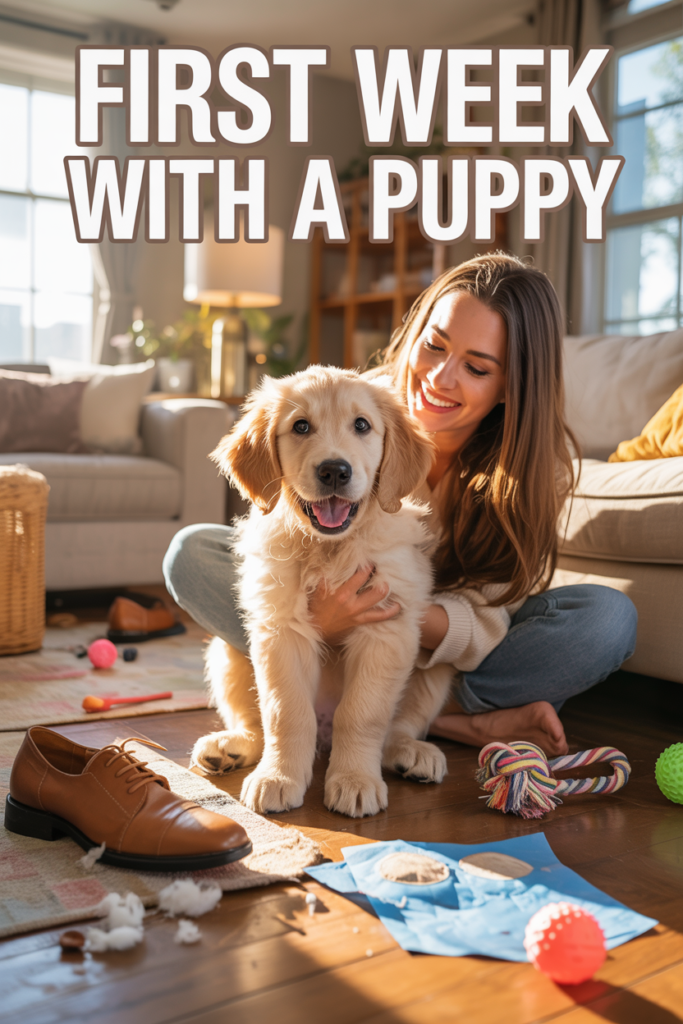
The first week with a new puppy can feel exciting and exhausting at the same time. I still remember barely sleeping, cleaning unexpected messes, and constantly wondering if I was doing everything right. Those first few days tested my patience more than I expected, but they also helped me understand what life with a puppy really looks like. Learning how to survive the first week with a puppy made the adjustment much easier for both of us.
What surprised me most was how quickly a simple routine changed my puppy’s behavior. Regular feeding times, scheduled potty breaks, and short naps helped reduce stress inside the house. Instead of trying to create the perfect puppy overnight, I focused on consistency and small improvements every day. That approach made the first week feel far less overwhelming.
Save For later
Key Takeaways
- The first week with a puppy often feels tiring but manageable with routine
- Consistent potty schedules help reduce accidents inside the home
- Puppies need patience, structure, and rest while adjusting to a new environment
- Crate training can help puppies feel safe and secure during the transition
- Chewing, barking, and nighttime waking are normal early puppy behaviors
- Small daily progress matters more than expecting instant obedience
Pro Tip
One thing that helped me survive the first week was preparing a small puppy station before bringing my dog home. I kept cleaning supplies, treats, toys, and extra towels in one easy spot instead of searching for things during accidents or training moments. I also learned that overstimulated puppies often become more bitey and difficult to settle down. Scheduled nap times during the day actually improved behavior more than constant playtime. Keeping nighttime potty trips quiet and boring helped my puppy fall back asleep faster. I avoided introducing too many visitors during the first few days because it overwhelmed my puppy quickly. Focusing on calm routines instead of nonstop excitement made the adjustment smoother for both of us.
Related Posts
- Your First 24 Hours With a New Puppy Explained
- Complete First Time Dog Owner Guide for Beginners
- Best Dog Breeds Suitable for First Time Pet Parents
So, you’ve brought home a puppy. Congratulations!
Day 1: Welcome Home, Tiny Tornado
You walk through the door, and suddenly, you’re officially a puppy parent. Your puppy looks up at you with wide eyes, tail wagging, and zero understanding of house rules.
That sweetness is real—but so is the chaos.
Exploration
Your puppy will sniff everything, chew anything, and likely pee where they absolutely shouldn’t. In my experience, even the best “puppy-proofed” homes miss something.
Block off rooms, remove temptations, and supervise closely. Freedom comes later.
Introduce the Crate
The crate should feel like a safe den, not a punishment. Add soft bedding and a familiar-smelling item if possible.
Crying is normal. Learning to self-soothe is part of the adjustment, and it doesn’t mean you’re being cruel.
Feeding Time
Stick with the food your puppy was already eating. Sudden changes often lead to digestive upset, and trust me—cleaning diarrhea at midnight is not a bonding activity.
Night 1: Sleep? What’s That?
If you’re expecting uninterrupted sleep, adjust expectations now. Puppies don’t understand nights yet.
Nighttime Potty Breaks
Most puppies need to go out every 2–3 hours depending on age. I always recommend setting an alarm rather than waiting for crying, which builds better habits.
Ignore the Drama (Kind Of)
If your puppy has pottied, is safe, and is just protesting bedtime, it’s okay to let them settle on their own.
Consistency early prevents long-term sleep struggles.
Comfort but Don’t Coddle
A warm item or gentle background noise can help your puppy feel less alone. What I avoid is creating habits you don’t want long term, like immediate bed access.
Days 2–3: Chew Everything, Question Everything
Your puppy is learning nonstop—and testing nonstop.
Toys Galore
Rotate chew toys and redirect calmly every time they choose the wrong item. Repetition matters more than reaction.
Basic Commands
Short, positive sessions work best. Sit, name recognition, and recall games are perfect starters.
At this stage, success means engagement—not perfection.
Potty Training
Take your puppy out after sleeping, eating, playing, and training. Praise enthusiastically when they succeed.
Accidents are information, not failure.
Day 4: Bite, Bark, Repeat
This is when many owners panic. Don’t.
Puppy biting is normal. Those sharp teeth are part of development.
Redirect the Biting
If your puppy nips, calmly disengage and offer a chew toy. Overreacting often makes biting worse.
Don’t Encourage Rough Play
Hands are not toys. I’ve seen too many adult dogs struggle because rough play was encouraged early.
Introduce Gentle Socialization
Focus on calm exposure to sounds, textures, people, and environments. Confidence grows from positive, controlled experiences.
Days 5–6: Why Are You Like This?
This is the emotional dip for many people.
Your puppy is more confident now—and that confidence comes with chaos.
Energy Overload
Short bursts of play, training, and mental games work better than nonstop activity. Puppies need rest as much as stimulation.
Training Routines
Keep sessions brief and upbeat. Five minutes is plenty. End on success.
Accidents Happen
Never punish accidents. Clean quietly and adjust management. Fear slows learning.
Day 7: Are We Getting the Hang of This? Maybe?
By now, patterns start forming.
Your puppy may respond to their name, follow you around, and show early attachment.
Routine is Your Friend
Consistent schedules reduce stress and speed learning. Dogs thrive on predictability.
Celebrate Small Wins
Every correct potty, calm moment, or short nap is progress.
Puppy Blues Are Real
Feeling overwhelmed doesn’t mean you made a mistake. It means you care.
In my experience, nearly every good dog owner goes through this phase.
The Reality Check: It Gets Better… Sort Of
The first week with a puppy is exhausting. There will be messes, lost sleep, and moments of doubt.
But it gets easier. Slowly. Steadily.
Your puppy learns. You learn. And one day, you’ll look back at this week and smile—probably while sleeping through the night again.
Hang in there. Love your tiny menace. This is how lifelong bonds are built.
All content on this site is written and reviewed by our experienced team to ensure it is accurate, reliable, and helpful for our readers. Our Our Process page explains how we carefully research and create high-quality content, while our Team page introduces the professionals behind our work. We also provide clear guidelines for content or image concerns on our Image Removal page, so you can trust that we prioritize transparency, quality, and reader safety.