5 DIY Farmer’s Dog Food Recipes
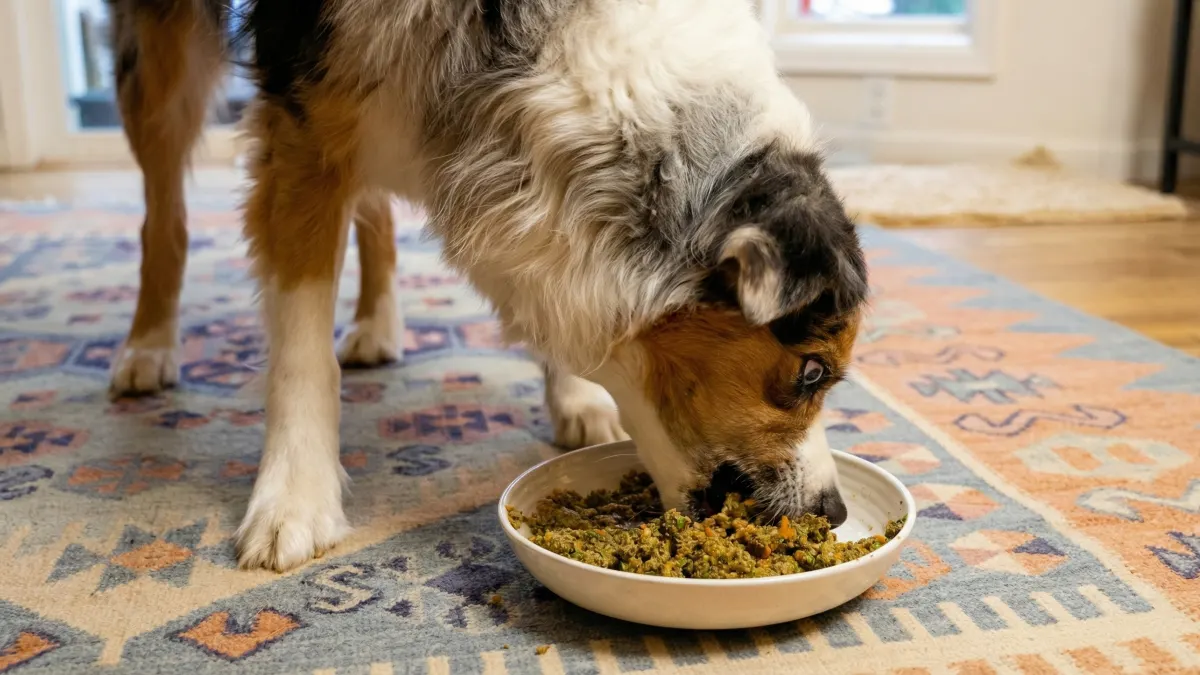
For a long time, I fed my dog regular kibble without thinking much about it. But when I started noticing low energy, dull coat, and occasional stomach issues, I decided to try fresh, home-cooked meals. That shift made a real difference. I saw better digestion, improved energy, and my dog actually got excited at mealtime again.
Key Takeaways:
Fresh homemade dog food can improve energy, coat health, and digestion. Simple ingredients like meat, rice, and vegetables can replace costly subscriptions. Portion control is important, and balance matters. Batch cooking saves time, and freezing helps with convenience. Always check with a vet for long-term nutrition balance.
1. The Classic Beef & Sweet Potato Feast
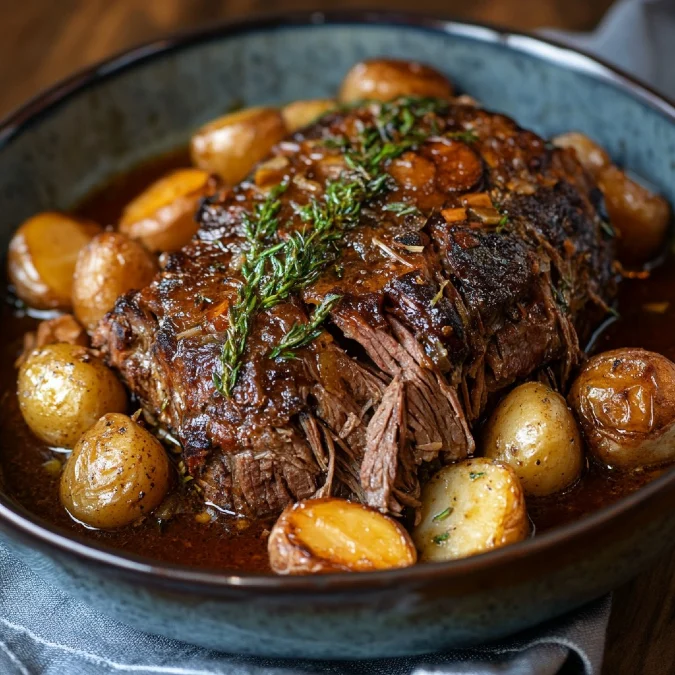
This was one of the first recipes I tested, and it worked well for my dog. Beef gives strong protein and iron, while sweet potatoes support digestion and provide steady energy.
Ingredients:
- 3 lbs ground beef (85% lean or higher)
- 2 large sweet potatoes, cubed
- 2 cups carrots, chopped
- 1 cup frozen peas (unsalted)
- 2 tbsp beef liver (finely chopped)
- 2 cups water
Instructions:
I start by washing and cutting the vegetables into small pieces. Then I cook the beef in a large pot until fully done. After that, I add water, sweet potatoes, carrots, and liver. I let it simmer for about 20 minutes, then add peas and cook a bit more until everything is soft. I always let it cool before serving.
Estimated Calorie & Nutrition Breakdown:
| Ingredient | Estimated Calories (Full Batch) |
|---|---|
| 3 lbs Ground Beef (85%) | ~2,800 kcal |
| 2 Sweet Potatoes | ~230 kcal |
| 2 cups Carrots | ~100 kcal |
| 1 cup Peas | ~120 kcal |
| 2 tbsp Beef Liver | ~40 kcal |
| TOTAL | ~3,290 kcal |
Per-Serving Summary:
| Nutrient | Amount (per 1 cup) | Notes |
|---|---|---|
| Calories | ~329 kcal | Estimated |
| Protein | ~25 g | High quality |
| Fat | ~18 g | Good for energy |
| Fiber | ~3 g | Supports digestion |
Recipe-Specific Pro-Tip:
I mash the sweet potatoes into the beef if my dog eats too fast. It slows eating and improves digestion.
2. The Lean Turkey & Spinach Scramble
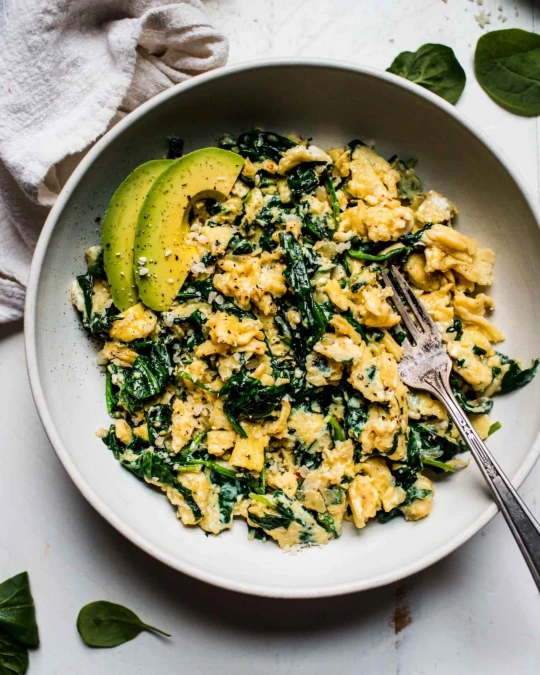
I use this recipe when I want a lighter meal for my dog. Turkey is easier to digest and lower in fat, which helps with weight control.
Ingredients:
- 3 lbs ground turkey (93% lean)
- 3 cups brown rice (cooked)
- 4 cups fresh spinach
- 2 zucchinis, chopped
- 1 tbsp olive oil
Instructions:
I cook the rice first. Then I cook turkey with olive oil until no pink remains. I add zucchini and cook until soft, then mix in spinach until it wilts. Finally, I combine everything with rice and let it cool.
Estimated Calorie & Nutrition Breakdown:
| Ingredient | Estimated Calories |
|---|---|
| 3 lbs Turkey | ~2,000 kcal |
| 3 cups Rice | ~650 kcal |
| Spinach | ~30 kcal |
| Zucchini | ~60 kcal |
| Olive Oil | ~120 kcal |
| TOTAL | ~2,860 kcal |
Per-Serving Summary:
| Nutrient | Amount | Notes |
|---|---|---|
| Calories | ~317 kcal | Estimated |
| Protein | ~28 g | Lean protein |
| Fat | ~12 g | Lower fat |
| Fiber | ~2 g | From greens |
Recipe-Specific Pro-Tip:
I finely chop or blend spinach because dogs don’t digest large leaves well.
3. The Gentle Chicken & Rice Comfort Bowl

Whenever my dog had stomach issues, this was my go-to. It’s simple, soft, and easy to digest.
Ingredients:
- 3 lbs chicken thighs (boneless, skinless)
- 3 cups white rice (cooked)
- 2 cups green beans
- 2 carrots
- Water
Instructions:
I boil chicken and keep some broth. Then I cook rice and soften vegetables separately. I shred the chicken and mix everything together with a bit of broth. I always cool it before feeding.
Estimated Calorie & Nutrition Breakdown:
| Ingredient | Calories |
|---|---|
| Chicken Thighs | ~2,400 kcal |
| Rice | ~600 kcal |
| Green Beans | ~60 kcal |
| Carrots | ~50 kcal |
| TOTAL | ~3,110 kcal |
Per-Serving Summary:
| Nutrient | Amount | Notes |
|---|---|---|
| Calories | ~345 kcal | Estimated |
| Protein | ~26 g | Easy to digest |
| Fat | ~14 g | Moderate |
| Fiber | ~1.5 g | Gentle on stomach |
Recipe-Specific Pro-Tip:
I prefer thighs over breast because they provide more nutrients and better taste for dogs.
4. The Savory Pork & Squash Mix

I started using pork when I suspected food sensitivities. It worked well as an alternative protein.
Ingredients:
- 3 lbs lean pork
- 1 butternut squash
- 2 cups kale
- 1/2 cup kidney beans
- 1 tbsp coconut oil
Instructions:
I cook squash until soft. Then I cook pork in oil and add kale to soften it. After that, I mix in beans and squash and combine everything well.
Estimated Calorie & Nutrition Breakdown:
| Ingredient | Calories |
|---|---|
| Pork | ~2,200 kcal |
| Squash | ~150 kcal |
| Kale | ~60 kcal |
| Beans | ~100 kcal |
| Oil | ~120 kcal |
| TOTAL | ~2,630 kcal |
Per-Serving Summary:
| Nutrient | Amount | Notes |
|---|---|---|
| Calories | ~328 kcal | Estimated |
| Protein | ~30 g | High |
| Fat | ~11 g | Depends on cut |
| Fiber | ~4 g | Strong fiber |
Recipe-Specific Pro-Tip:
I always use lean pork. Fatty meat can cause serious digestive problems.
5. The Omega-Rich Whitefish & Quinoa Bowl
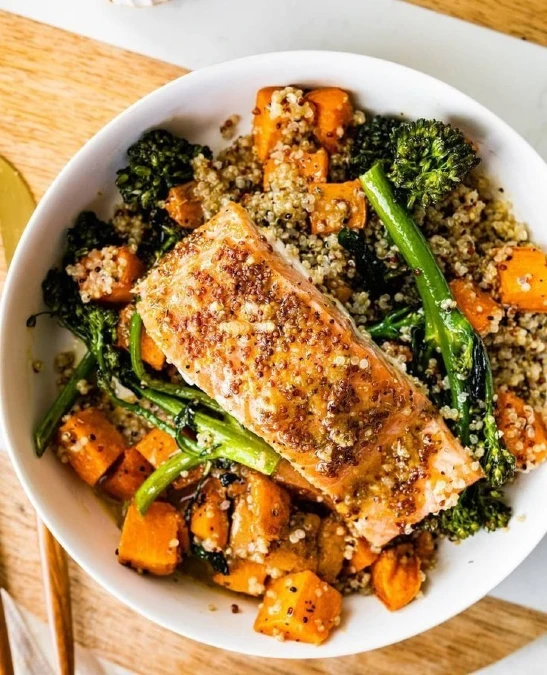
This is one of the healthiest recipes I’ve tried, especially for coat and joints.
Ingredients:
- 3 lbs whitefish (cod or tilapia)
- 2 cups quinoa (cooked)
- 2 cups broccoli
- 2 tbsp oil
- Water
Instructions:
I cook quinoa first. Then I poach fish until soft and flake it carefully. I steam broccoli and mix everything together with oil. I always check for bones before serving.
Estimated Calorie & Nutrition Breakdown:
| Ingredient | Calories |
|---|---|
| Fish | ~1,200 kcal |
| Quinoa | ~440 kcal |
| Broccoli | ~60 kcal |
| Oil | ~240 kcal |
| TOTAL | ~1,940 kcal |
Per-Serving Summary:
| Nutrient | Amount | Notes |
|---|---|---|
| Calories | ~277 kcal | Estimated |
| Protein | ~32 g | Very high |
| Fat | ~8 g | Low fat |
| Fiber | ~3 g | Balanced |
Recipe-Specific Pro-Tip:
I check fish for bones multiple times. Even small bones can be risky.
General Feeding Guidelines (A Starting Point)
From my experience, a simple rule works as a starting point:
- 20 lb dog → 1 cup daily
- 40 lb dog → 2 cups daily
- 60 lb dog → 3 cups daily
But I always adjust based on activity, age, and weight goals. No single rule fits all dogs.
Bulk Storage & Freezing Guide (The Method)
I cook in batches to save time.
- In the fridge: lasts 3–4 days
- In freezer: up to 3 months
- I store in single portions to make feeding easier
When serving, I thaw overnight or warm slightly. My dog prefers it warm.
Conclusion
Switching to fresh food helped improve my dog’s health, but it requires consistency. These meals cover basics, but they may lack key nutrients like calcium.
That’s why I always suggest consulting a vet and possibly adding supplements for long-term feeding. With proper balance, homemade food can make a real difference.